
 雷科技
雷科技




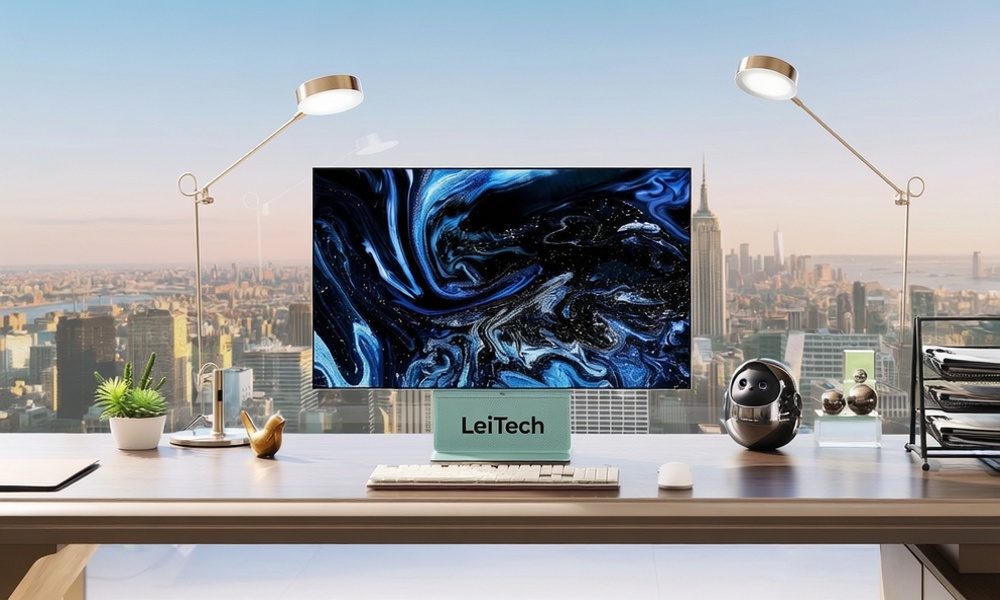

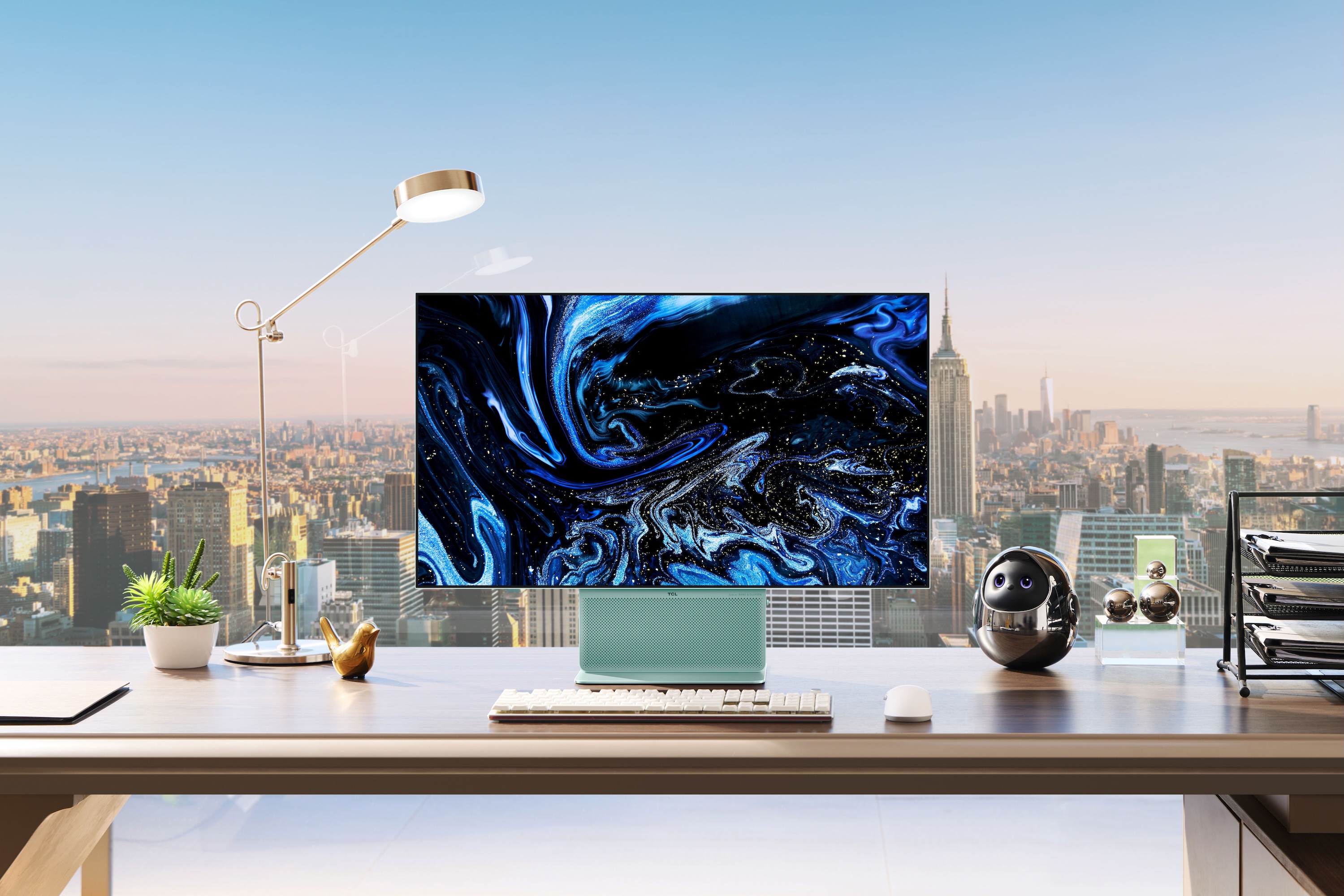
On July 27, TCL held a launch event, unveiling new OLED monitors and Dolby Atmos soundbars.
For monitors, the X3B series arrives with an industry-low reflectance of 1.1%. On the soundbar front, three product lines — Q95K, Q85K and Q75K — launch simultaneously, with the flagship model boasting 11.1.4 physical channels.
Starting with the monitors: the X3B series currently offers the best glare control among OLED monitors on the market. Most glossy OLED panels have a reflectance between 4% and 5%. While matte screens can achieve lower reflectance, they come at the cost of blurred imagery and reduced transparency.
(Image source: TCL)
TCL has taken a middle-ground approach this time: a high-transmission glass glossy panel paired with a circular polarizing anti-reflection film, which filters stray light without compromising image quality. Simply put, users get pure black levels even without drawing the curtains.
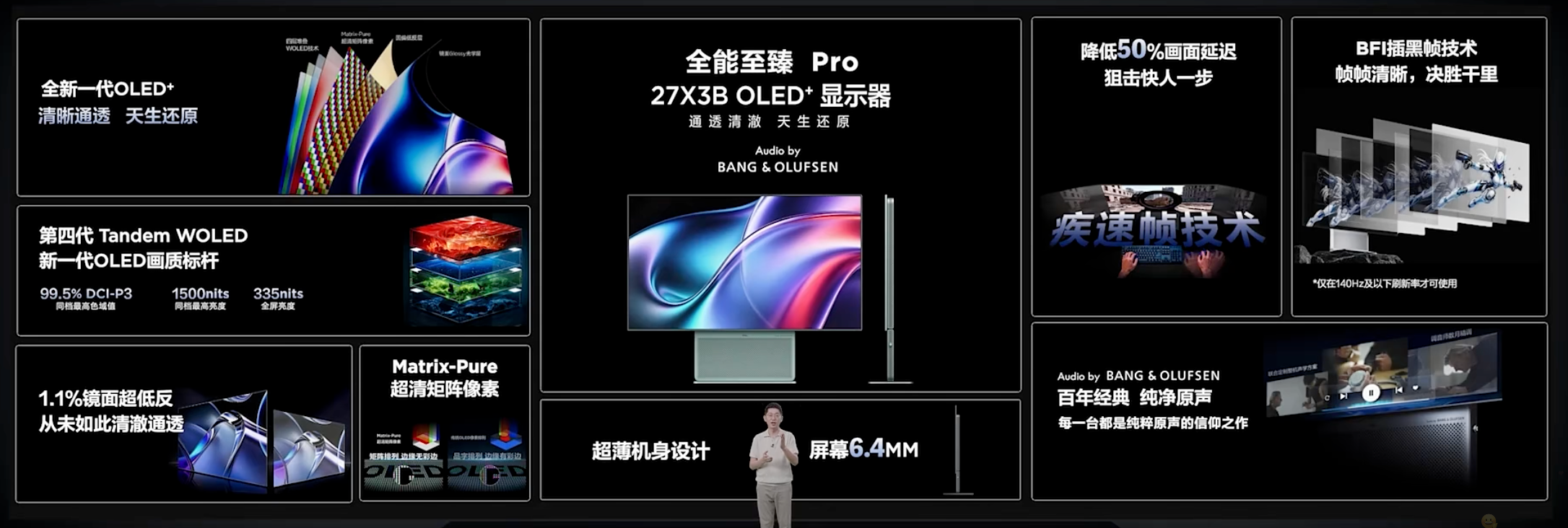
The 32X3B hits a peak brightness of 1,500 nits. Paired with the 4th-generation WOLED’s four-stack tandem emission structure, it delivers simultaneous improvements in both brightness and service life.
That said, TCL’s confidence in this approach stems from its panel expertise. As one of the world’s top three panel manufacturers, TCL CSOT’s accumulated OLED technology gives it a unique edge in the monitor category. The display packs 99.5% DCI-P3 color gamut, native 10-bit color depth and Display HDR True Black 500 certification, alongside 1.1% low reflectance and an ultra-clear matrix pixel arrangement — all housed in a 6.4mm-thick aluminum alloy body. That is the core selling point of this monitor.
(Image source: TCL)
On pricing, the 32X3B launches at 6,499 yuan, while the 27X3B is priced at 3,699 yuan. Frankly, this price tag for a 32-inch model is not cheap among high-end OLED monitors, but it delivers solid value for money. It comes fully equipped with DP 2.1, HDMI 2.1 and 90W Type-C, and retains dual-mode switching between UHD 240Hz and FHD 480Hz. The 32-inch model serves as an all-round flagship, while the 27-inch model targets the e-sports segment, covering a broader user base.
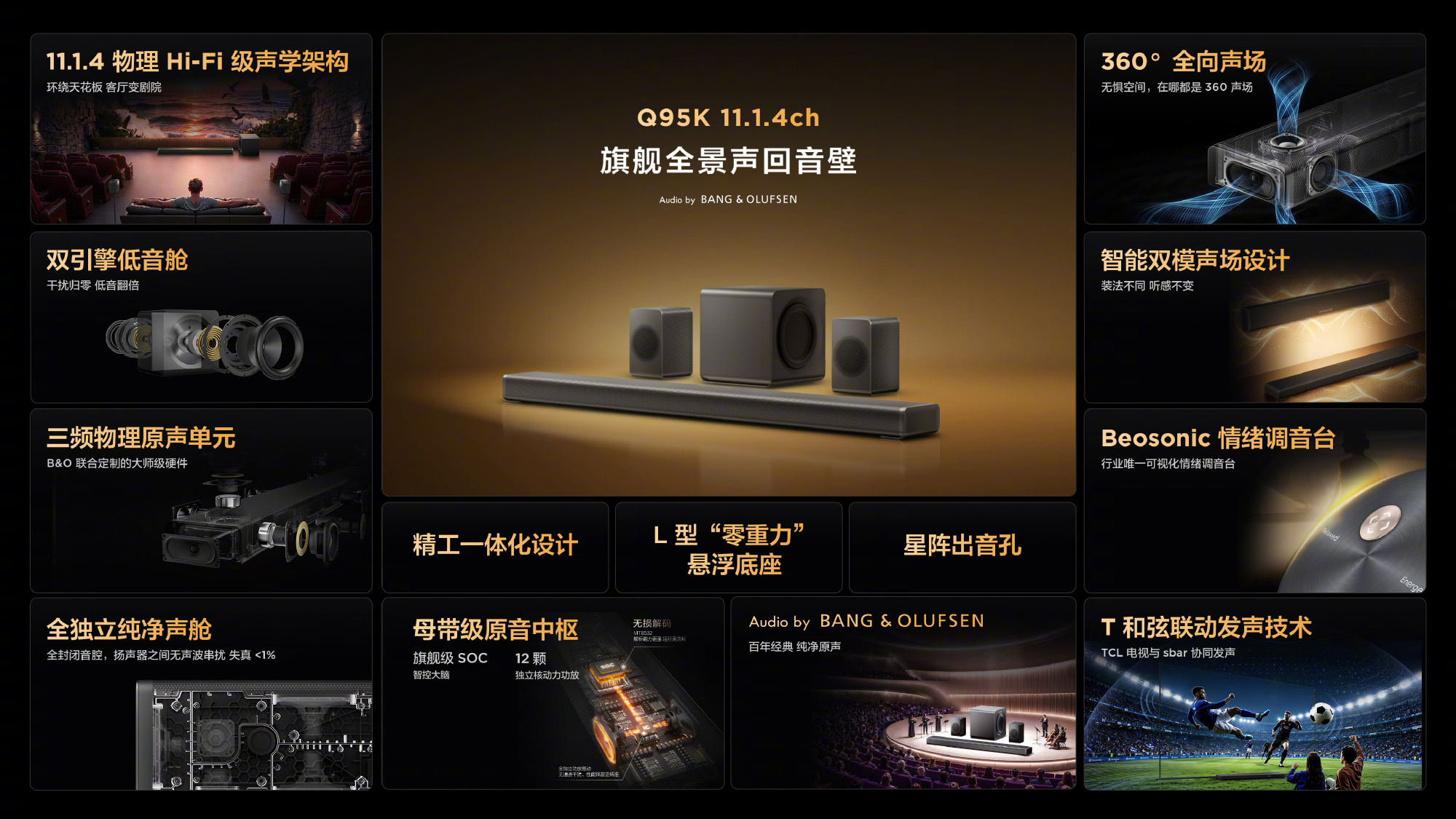
Turning to the new soundbars: as the flagship model, the TCL Q95K features 11.1.4 physical channels, 22 independent sound drivers, 12 dedicated amplifier chips and a peak power output of 1,420W. This specification places it firmly in the top tier of the soundbar category. The extra physical channels are not generated via DSP virtualization — they are genuine hardware, delivering a clear gap in the positioning accuracy of height channels and surround sound.
(Image source: TCL)
Two acoustic innovations deserve special attention: First, the Echo Valley design enables five-sided omnidirectional sound emission—directing audio waves toward the ceiling, side walls, and front simultaneously, leveraging wall reflections to create natural, immersive surround imaging rather than relying solely on algorithmic virtualization. Second, independent sealed enclosures for high-, mid-, and low-frequency drivers eliminate cross-interference—enabling bass extension down to 30 Hz.
For soundbars, which are inherently limited by physical space, the combination of these two designs solves one core problem: making the sound feel far more expansive than the device itself would suggest.
The Q95K is priced at 7,999 yuan, with the more affordable Q85K at 5,999 yuan and Q75K at 4,699 yuan, covering different budget ranges. With co-tuning by B&O, TCL’s ambition in the soundbar market is clear: it is not just making accessories to complete its ecosystem, but aiming to capture a share of the high-end soundbar market long dominated by Samsung and Sony.
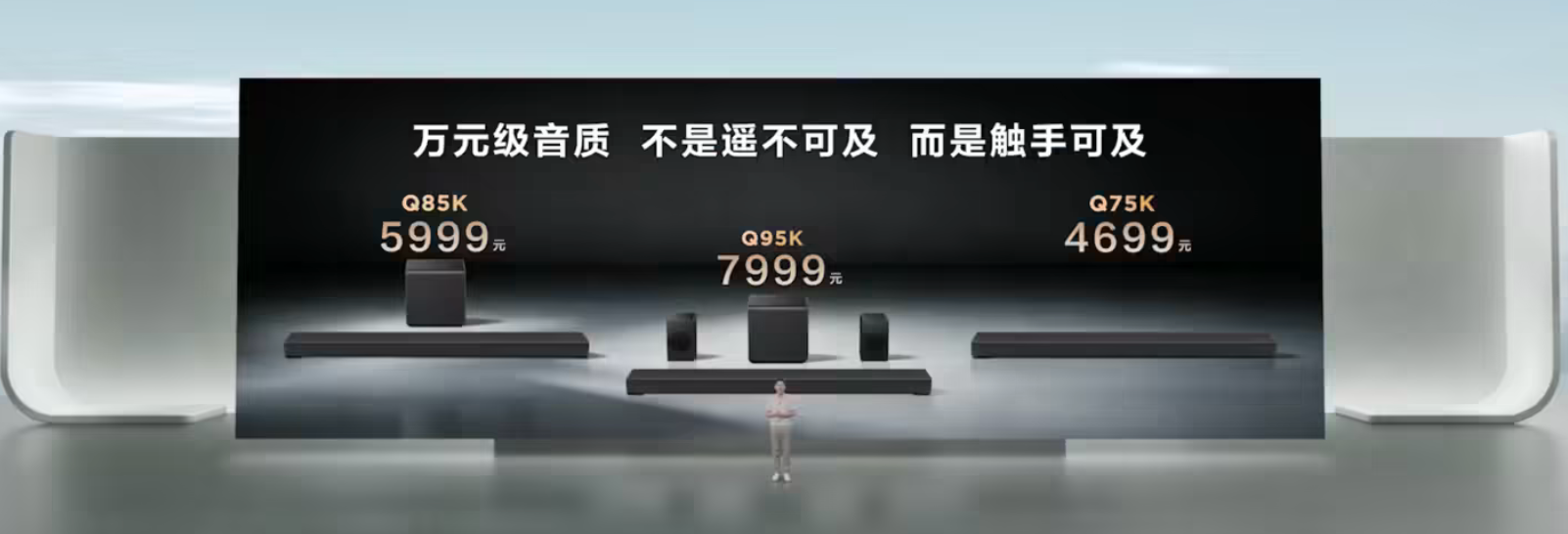
(Image source: TCL)
Looking at the monitors and soundbars together, TCL’s strategy becomes clear: it uses the X3B series to compete in the high-end desktop monitor market, and the Q-series soundbars to fill the audio gap beyond TVs in the living room. Both product lines leverage two shared technological strengths: CSOT panels and B&O acoustic tuning. For average consumers, the direct benefit of this layout is ecosystem consistency — pairing a TCL monitor with a TCL soundbar avoids the disjointed experience common with third-party devices.
Of course, whether the soundbars can truly go toe-to-toe with Samsung’s Q990 series, and whether the monitors can hold their ground amid competition from LG and ROG, will depend on subsequent market feedback. But at this launch event at least, TCL did not just present new products with stacked specs — it delivered a set of audio-visual solutions integrated with its own ecosystem, with a stronger focus on real-world user experience.
On July 31, ChinaJoy 2026—the premier global digital entertainment expo themed “Exploring with AI”—kicks off in grand fashion.
A total of 900 entertainment-focused exhibitors—including Tencent, NetEase, Sony, Qualcomm, Mecool, and Qingxian—will jointly present an unparalleled global entertainment extravaganza;
How will AI-powered hardware brands—including terminals, peripherals, robots, displays, and chipsets—collaborate with game content developers to deliver next-generation entertainment experiences?
Led by LeiTech founder and Editor-in-Chief Luo Chao, the LeiTech ChinaJoy 2026 reporting team will descend upon Shanghai for comprehensive on-the-ground coverage—stay tuned.