
 雷科技
雷科技




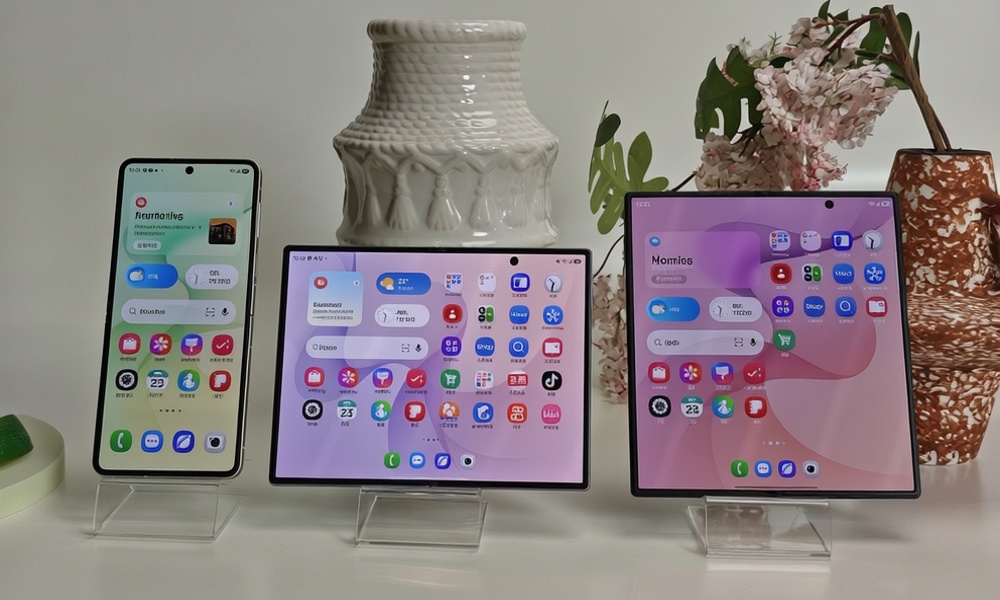

Samsung hosted the global launch event for the Galaxy Z8 series foldable smartphones on the evening of July 22, unveiling three foldable phones with different form factors: Galaxy Z Fold8 Ultra, Galaxy Z Fold8 and Galaxy Z Flip8.
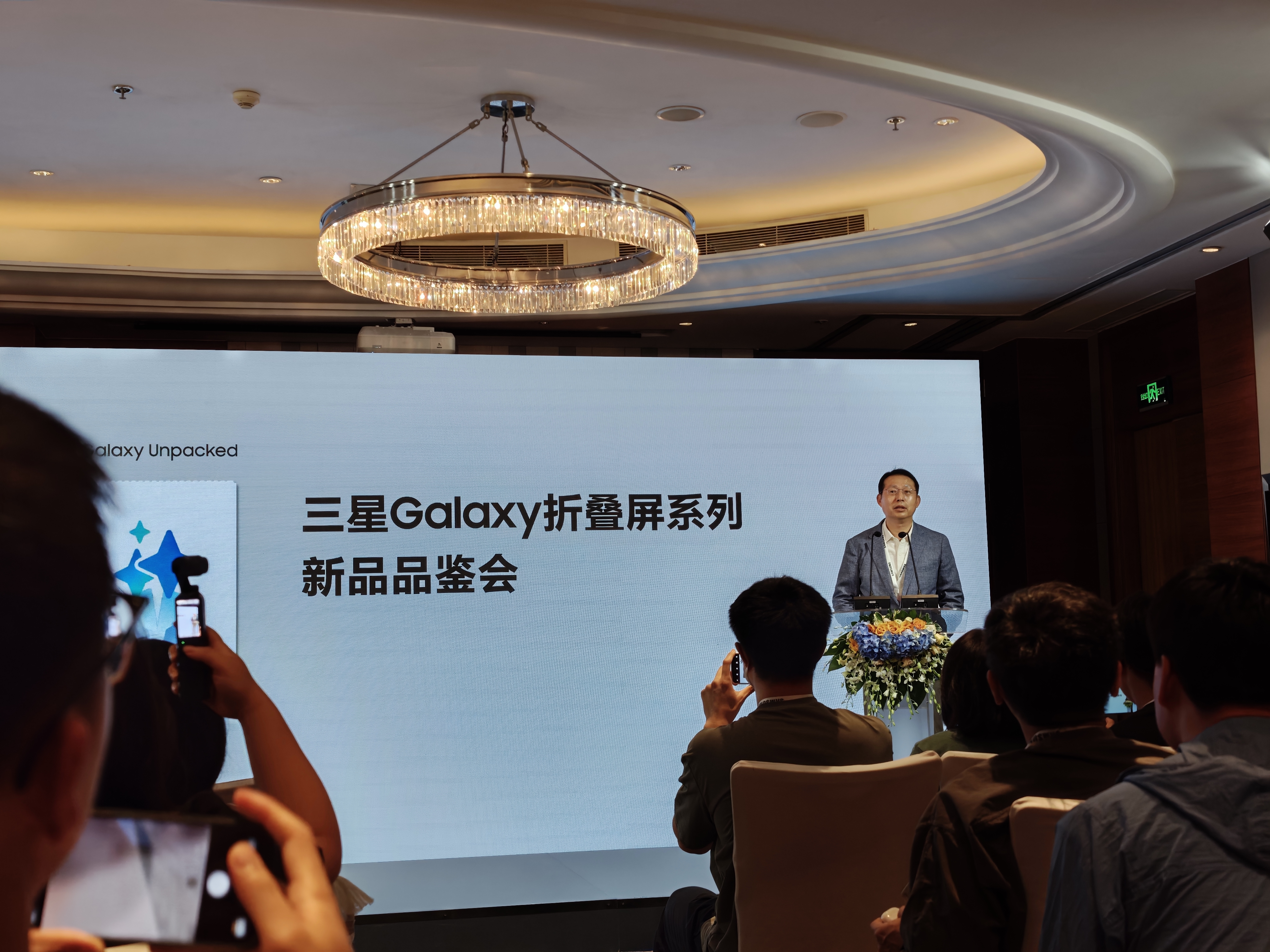
(Image source: Shot on site by LeiTech photography)
Samsung held an offline new foldable phone tasting event in Shanghai today. Lei Technology (ID: leitech) was invited to attend and get an exclusive hands-on experience of the devices on the spot. Before diving into detailed experience sharing, let’s start with the most anticipated official prices for mainland China versions. The Galaxy Z Fold8 starts at 12,999 yuan (12GB RAM + 256GB storage); the Galaxy Z Fold8 Ultra is priced from 14,999 yuan (12GB+256GB); the Galaxy Z Flip8 has a starting price of 8,999 yuan (12GB+256GB). Pre-orders for all three models kick off immediately, with priority deliveries scheduled for August 3.
First Impression of Android’s First Wide Foldable Phone: Spacious yet Ultra-Slim
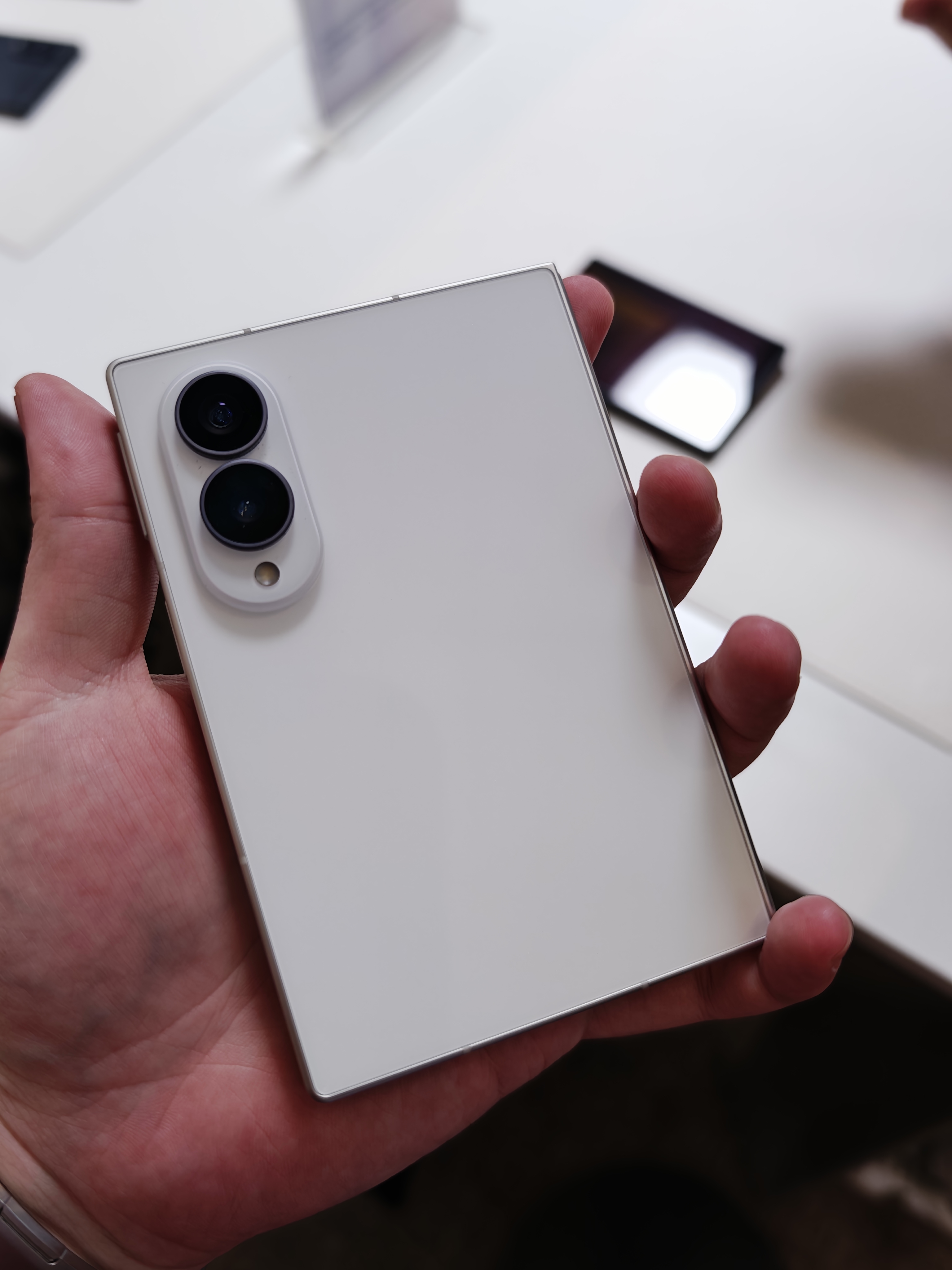
As the first Android wide foldable smartphone available on the market, the Galaxy Z Fold8 leaves a favorable first impression on Xiao Lei. When folded closed, it is roughly the size of a sticky note. Equipped with a 5.5-inch outer display featuring a 10:16 aspect ratio and paired with a slightly curved metallic mid-frame, the phone delivers an excellent grip. The thumb can naturally cover most of the keyboard area during one-handed typing, an effect hardly achievable on previous Fold generations.
(Image source: LeiTech photography)
When unfolded, the phone features a 7.6-inch inner screen with a 4:3 aspect ratio. When watching videos, the top and bottom black borders are noticeably narrower than those of conventional large foldable screens, allowing more content to be displayed. When reading articles vertically, each line accommodates far more words, eliminating frequent scrolling. This is one of Xiao Lei’s favorite perks of wide foldable phones.

(Image source: LeiTech photography. The large foldable screen is on the left, and the wide foldable screen is on the right.)
Nevertheless, the 4:3 aspect ratio comes with several drawbacks. When watching most 16:9 videos, the black borders are wider compared with mainstream bar smartphones. Besides, numerous applications on the market are adapted for tall and narrow screens, resulting in prominent black borders when certain apps run on the Galaxy Z Fold8.
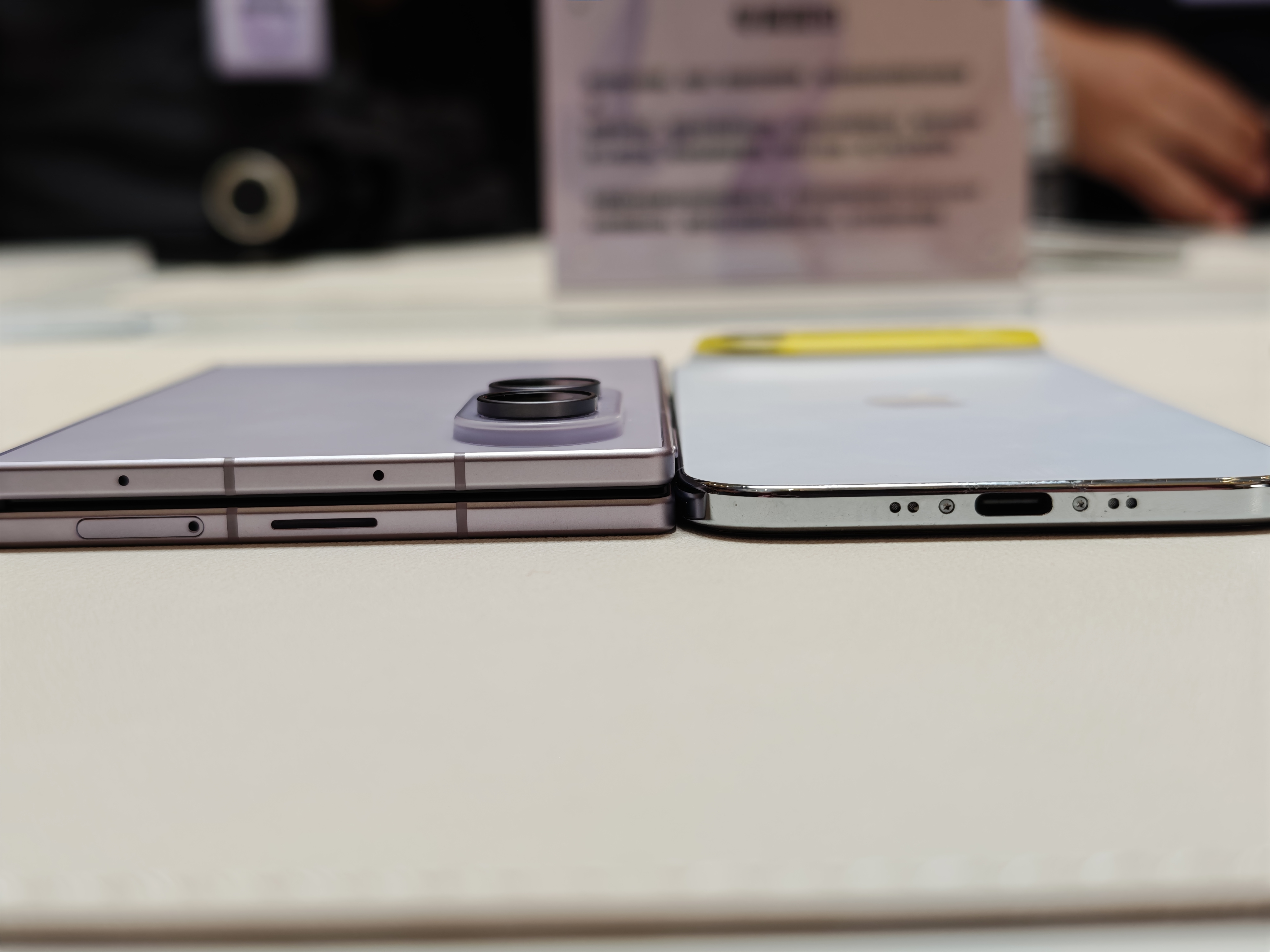
The Galaxy Z Fold8 weighs merely 201 grams, lighter than 90 percent of regular bar phones available, accounting for its excellent hand feel. When folded, its thickness is only slightly greater than that of the iPhone Air. For users like Xiao Lei who pursue slim and lightweight devices, the Galaxy Z Fold8 proves to be an ideal option.
(Image source: LeiTech photography)
When it comes to creases, the biggest concern for most users, Samsung officially states that a new dual-track structure is adopted, making screen creases much shallower than previous generations. Xiao Lei has tested the phone in person. The two middle creases on the screen can barely be spotted only from an extremely awkward viewing angle, a posture never used in daily phone use. The creases are completely unnoticeable during regular operation. Admittedly, slight indentations can still be felt if you run your fingers across the screen on purpose.
In terms of display, the Galaxy Z Fold8 is equipped with a screen boasting a peak brightness of 3000 nits. Combined with a customized anti-reflective coating, the screen resists glare under strong sunlight, allowing users to view most on-screen content clearly.
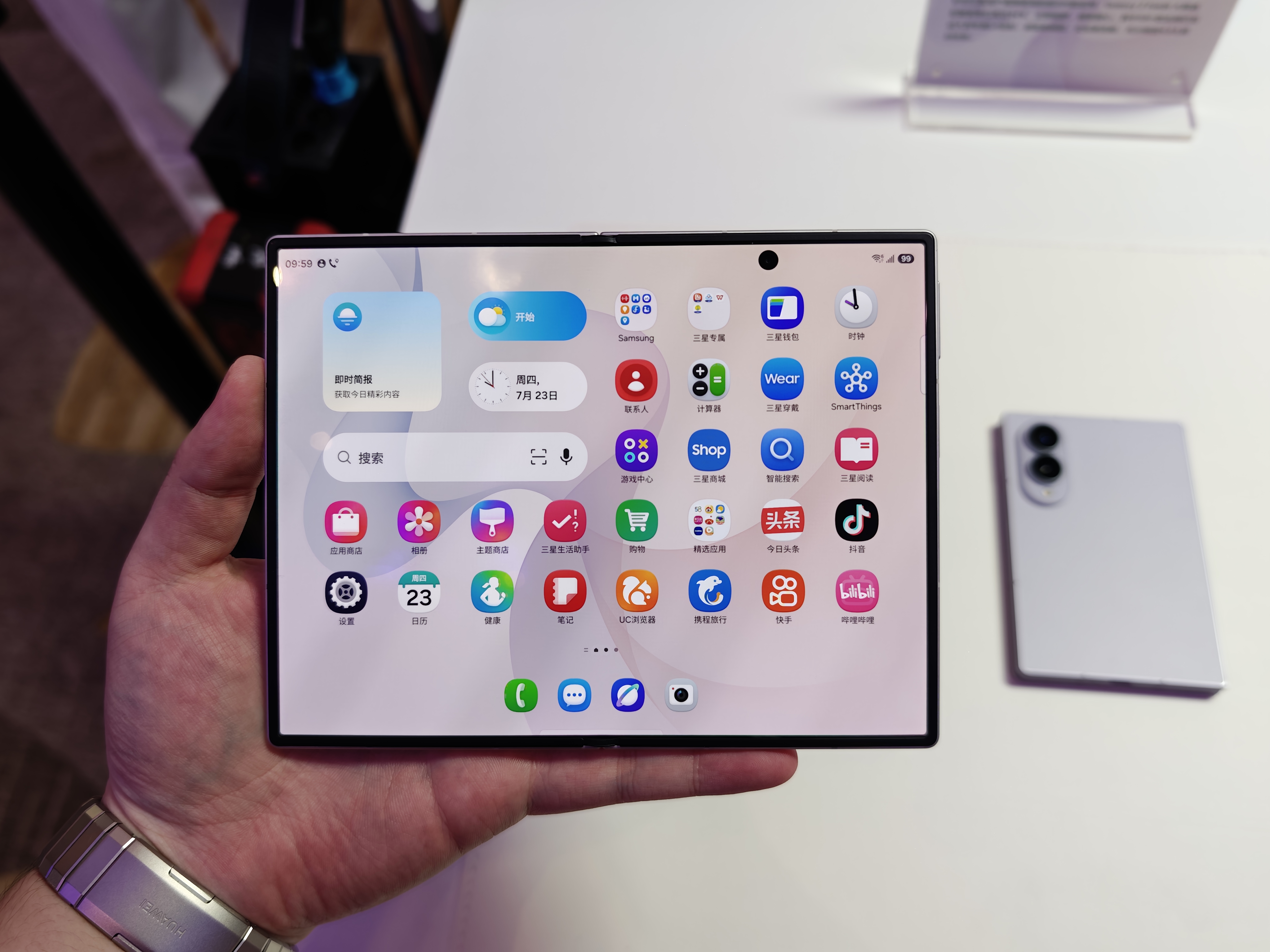
(Image source: LeiTech photography)
However, the camera configuration may leave some readers hesitant, as smartphones at this price point all deliver solid image performance. The rear camera setup of the Fold8 consists of a 50-megapixel main camera and a 50-megapixel ultra-wide-angle camera, with no telephoto lens included. It feels somewhat unreasonable for a foldable phone priced at nearly 13,000 yuan to lack a telephoto lens.
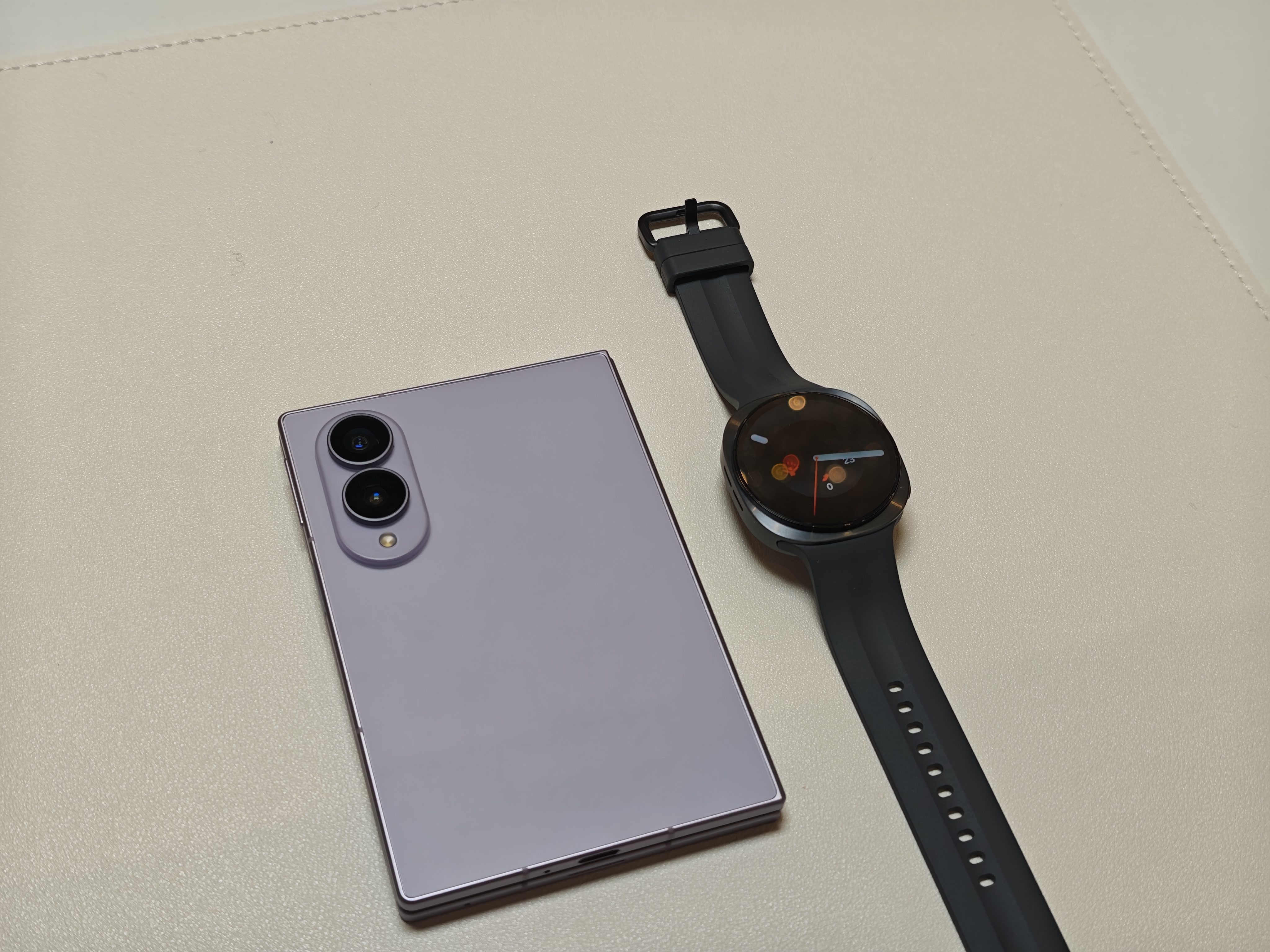
(Image source: LeiTech photography)
Samsung’s logic is roughly that "the Fold8 is positioned for content consumption rather than camera performance". However, users pay such a high price, so why compromise on the camera? All bar phones at the same price point come complete with triple camera setups.
In terms of other configurations, the Galaxy Z Fold8 is equipped with a 4800mAh silicon-carbon battery, supporting 45W wired fast charging and 15W wireless fast charging. The battery can reach 62 percent charge within 30 minutes. It runs on the Snapdragon 8 Elite Gen 5 Mobile Platform, so users have little reason to worry about performance.
The Samsung Galaxy Z Fold8 does not stand out much in cost performance. Nevertheless, as the first wide foldable phone in the Android ecosystem, its unique form factor appeals to early adopters and tech enthusiasts.
The First Ultra-badged Foldable: Maxed-out Hardware Configuration
Unlike the Z Fold8, the Samsung Galaxy Z Fold8 Ultra embodies Samsung’s full range of foldable innovations. When Xiao Lei picked up the Fold8 Ultra, he was surprised to find it even thinner than the wide foldable model mentioned above. It measures merely 4.1mm thick when unfolded and weighs only 215 grams, still lighter and slimmer than most mainstream flagship bar phones. According to Samsung officials, this is enabled by a new dual-layer structure consisting of an added titanium alloy film and a titanium plate under the display, officially named Flex Titanium.

(Image source: LeiTech photography)
During Xiao Lei’s hands-on experience, this structure delivers a flatter screen. The body appears smooth from all viewing angles with shallower creases, even less noticeable than those on the wide foldable model.
Interestingly, the Samsung Galaxy Z Fold8 Ultra is the first commercially available foldable smartphone carrying the Ultra suffix. Its biggest upgrade lies in camera hardware. The triple rear camera system includes a 200-megapixel main sensor, a 50-megapixel ultra-wide-angle lens and a 10-megapixel 3x telephoto lens. Such specifications put it ahead of all other foldable devices currently on the market. Xiao Lei took several sample shots on site; the photos retain abundant details with well-managed highlights.
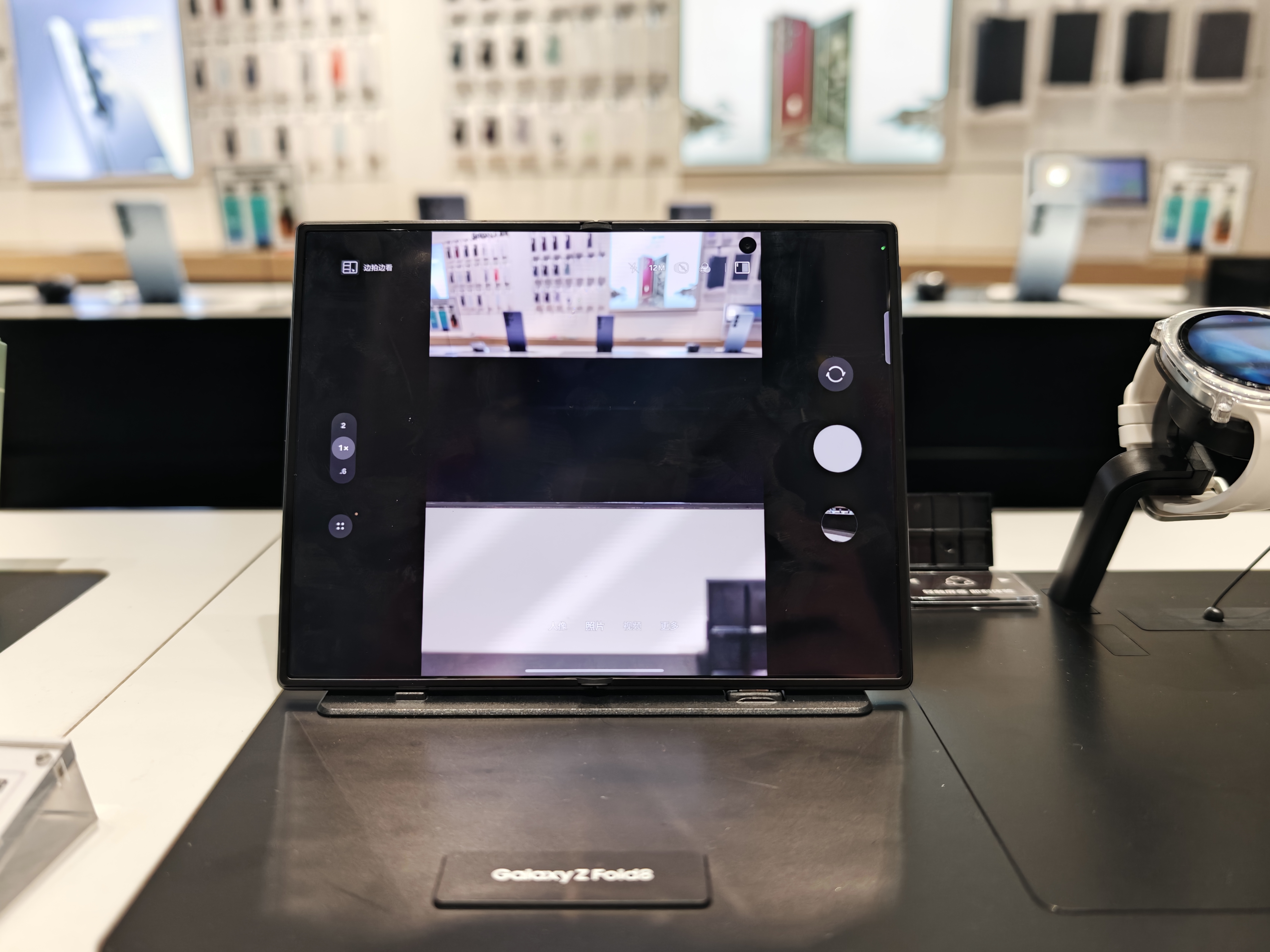
(Image source: LeiTech photography)
However, Xiao Lei spotted one flaw during hands-on testing. In the 200-megapixel mode, there is roughly a one-second shutter lag between pressing the shutter button and finishing image capture, meaning instant capture cannot be achieved. Besides, the telephoto lens only supports 3x optical zoom, which falls noticeably short of the 5x and 10x optical zoom featured on Samsung’s own S-series Ultra phones. Such limitation is understandable, though. The internal space of foldable phones is highly restricted, leaving no room for bulkier camera modules, an innate physical constraint.
In terms of battery life, the Fold8 Ultra houses a 5000mAh silicon-carbon battery, with an official rated continuous video playback time of 27 hours. It still supports 45W fast charging. Back in 2026, most domestic flagship phones adopt charging power of 100W and above, so its charging speed feels relatively outdated.
Flip 8: The Persistent Player Among Vertical Foldable Phones
While horizontal foldable phones have boomed in the market, the vertical foldable segment has cooled down remarkably over the past two years, with many brands quietly exiting this track. As the pioneer of foldable smartphones, Samsung keeps this product line alive.
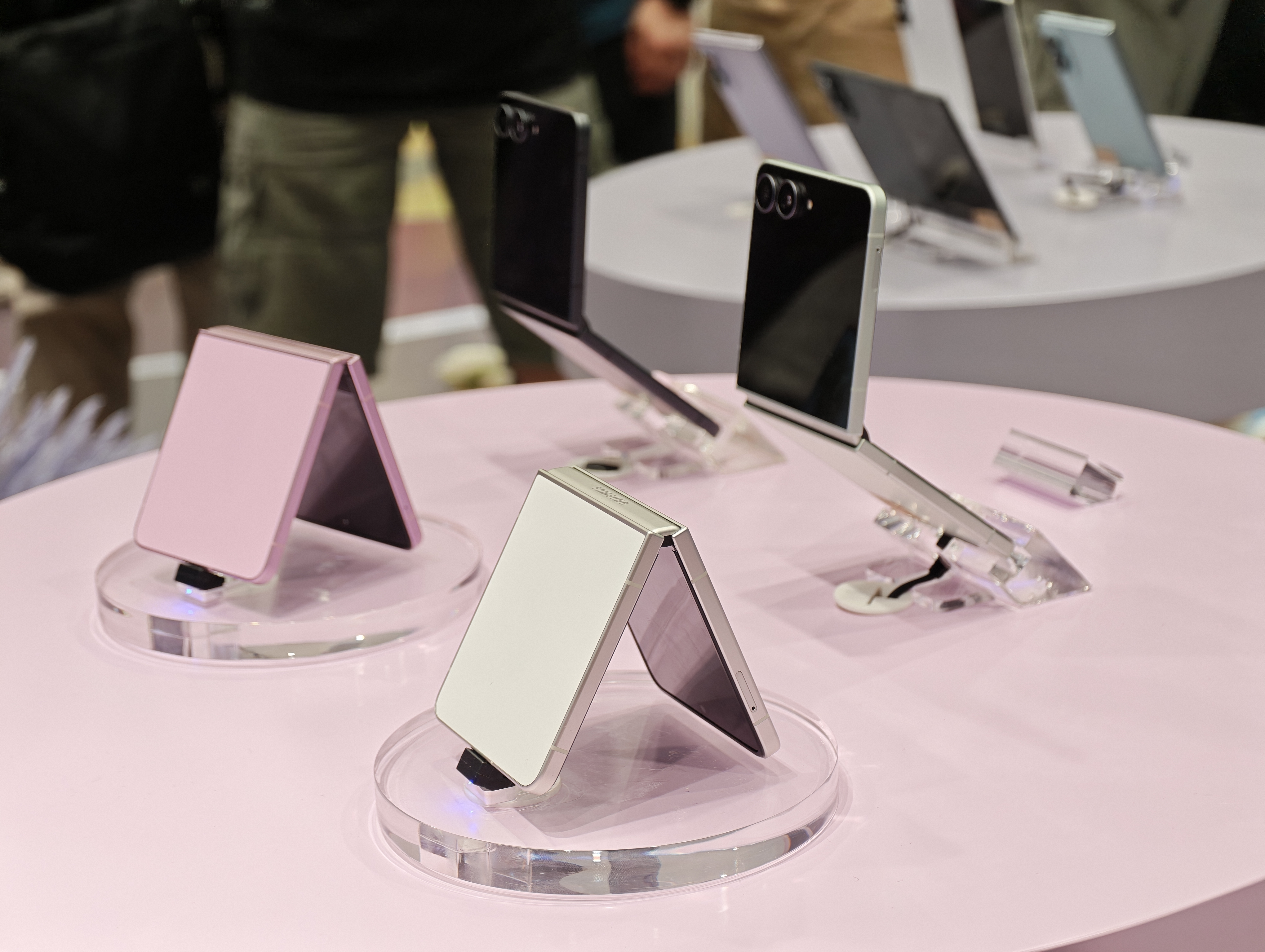
(Image source: LeiTech photography)
As a vertical compact foldable phone, it naturally boasts the most comfortable hand feel among the three models. It weighs 180 grams with an unfolded thickness of 6.1mm, offering a grip nearly identical to that of the iPhone Air.
The Flip8’s biggest upgrade lies not in further slimming and lightweighting, but its outer screen once nicknamed the "pretty yet impractical panel". On previous compact foldable phones, the outer screen could only display basic information, and users had to unfold the screen to reply to messages. The 4.1-inch outer screen of the Flip8 is designed mainly to enable users to finish most information operations without unfolding the device.

(Image source: LeiTech photography)
Staff demonstrated the Now Nudge feature on site. When time and location information appears in the chat window, a calendar shortcut pops up automatically on the outer screen, allowing users to create calendar events with a single tap. Xiao Lei tested this function multiple times. It boasts reliable recognition accuracy, though response lags slightly once in a while. Even so, this interactive design is logically sound.
In addition, the Flip8 is equipped with a new DV Recording Mode. When shooting videos horizontally, the interface switches to a layout resembling a handheld camcorder. Combined with flexible stand shooting, users can place the phone half-folded on a table for hands-free recording. These subtle tweaks are not groundbreaking, yet they substantially boost the practical usability of vertical foldable phones.
The charging speed remains a letdown. The Flip8 only supports 25W wired charging paired with a 4300mAh battery, resulting in mediocre charging performance.
Updated Galaxy AI: AI Shifts from Passive Response to Active Assistance
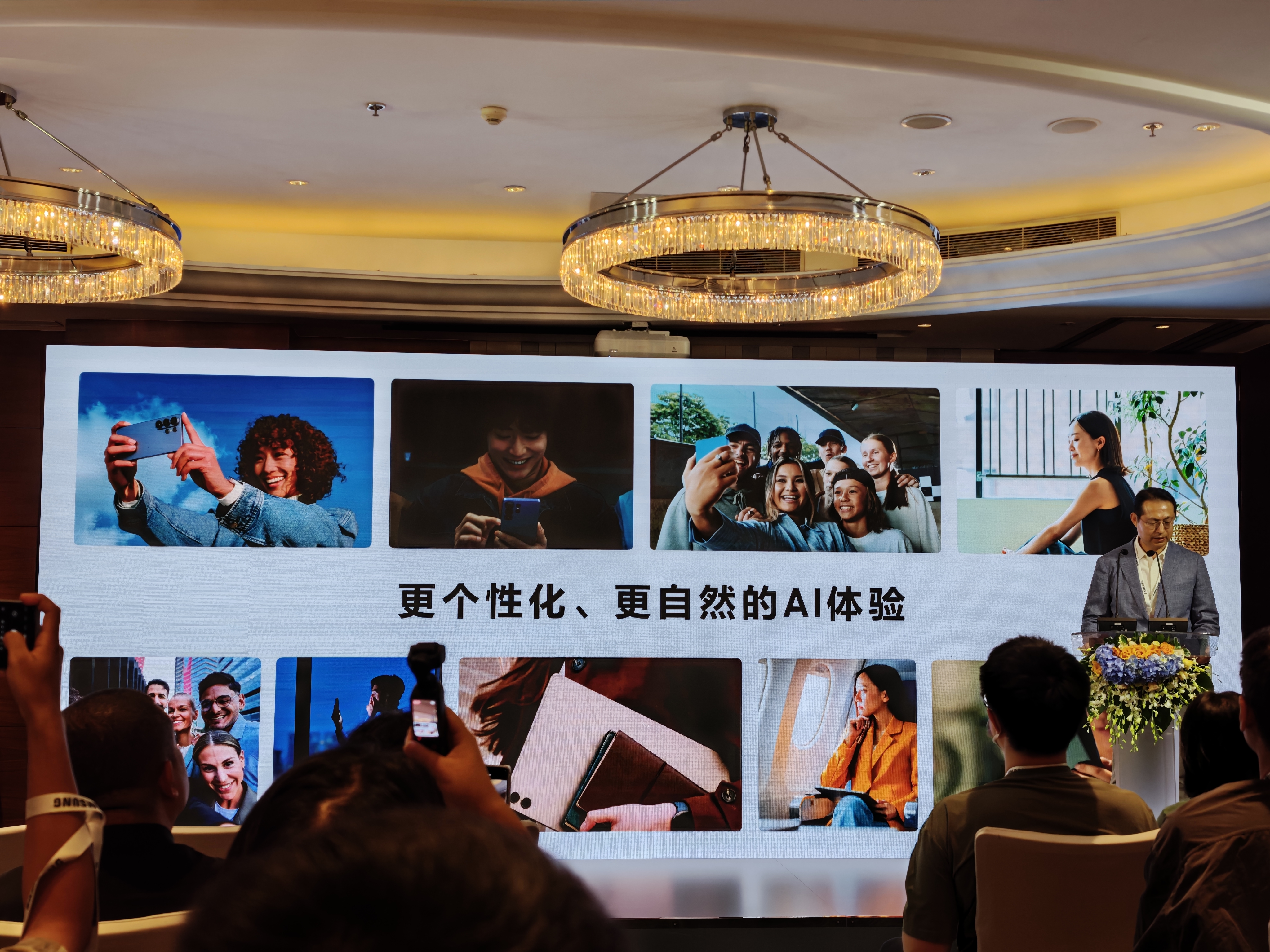
Beyond hardware upgrades, all three new phones feature the latest Galaxy AI built on One UI 9. Compared with previous generations, the biggest upgrade of the renewed Galaxy AI lies in its transition from passive reaction to proactive assistance. Taking Now Nudge as an example, the system actively identifies key details within chat content such as flight schedules, event timelines and addresses, popping up corresponding shortcut operations on screen. It condenses three steps (searching, opening apps, copying and pasting) into one tap, delivering tangible efficiency gains.
Circle to Search becomes more functional on foldable devices. Users can activate this feature by long-pressing the navigation key or Home key. Afterwards, circle any text or image on the screen to pull up instant search results, eliminating the tedious process of copying content and jumping to a browser.

(Image source: LeiTech photography)
The multi-window mode of the Fold8 Ultra, combined with AI, maximizes the advantages of its large display. Users can jot down meeting notes and generate summaries, reply to emails in a split-screen window, and open an independent window to look up information all at once. Admittedly, such extreme multitasking scenarios do not happen often in daily work. Still, it aligns with the common mindset: I may never use it, but the feature has to be available.
The outer screen of the Flip8 also benefits greatly from AI. Without unfolding the phone, AI condenses core information including delivery updates, flight changes and schedule reminders onto the outer display, greatly boosting the practical usage of the cover screen.
(Image source: LeiTech photography)
Based on hands-on experience on site, this iteration of Galaxy AI is more polished than expected. Its response speed, recognition accuracy and logical connection between different functions are far more mature than those of previous generations. It is evident that Samsung has devoted earnest efforts to optimization rather than merely labeling its products with AI as a superficial gimmick.
Eight Generations of Foldable Phones Have Arrived Before We Know It
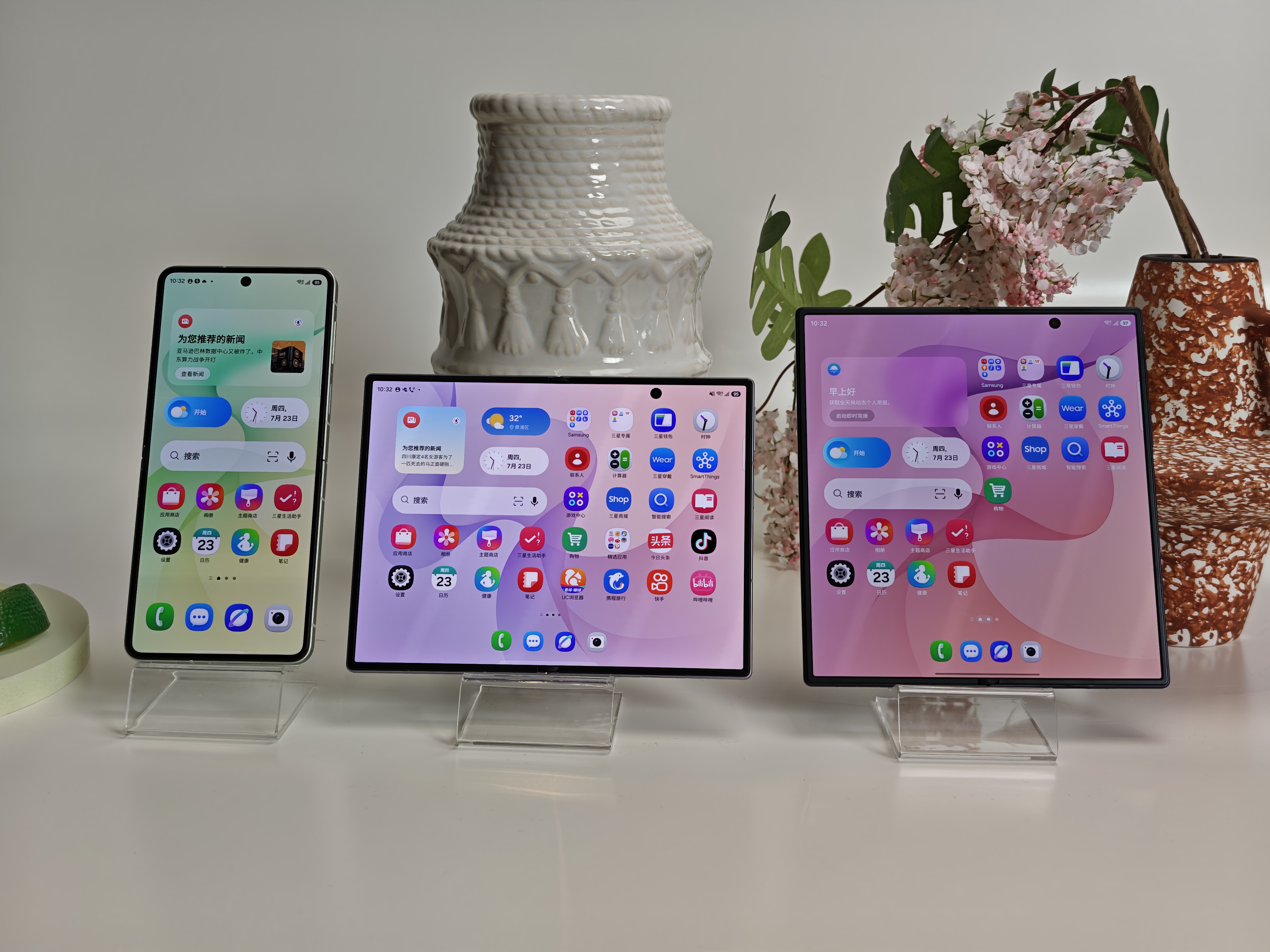
Eight years have passed since the debut of the original Galaxy Fold all the way to the current Z8 series. The most notable improvements of Samsung’s three new handsets lie neither in camera upgrades nor performance leaps. Samsung has finally clarified a core truth: the biggest strength of foldable phones never hinges on oversized screens, but on adaptive form factors that fit diverse scenarios perfectly.
The wide fold design of Galaxy Z Fold8 pioneers a brand-new development direction for foldable devices. Galaxy Z Fold8 Ultra stands as a fully-fledged flagship foldable phone. Empowered by AI, Galaxy Z Flip8 transforms vertical foldables from stylish gadgets into practical productivity tools. All three models feature distinct positioning and complement one another.
(Image source: LeiTech photography)
Admittedly, this generation of products has certain drawbacks. For example, the fast charging speed of the entire lineup lags one to two generations behind domestic competitors, and the pricing is indeed relatively high.
Overall, however, Samsung is moving in the right direction, and the products themselves are appealing enough. Whether it is worth spending the money depends on whether you value the novelty of the foldable form factor more or care more about these flaws.
July 31 marks the grand opening of ChinaJoy 2026, themed “Journeying with AI.”
A total of 900 entertainment-related exhibitors—including Tencent, NetEase, Sony, Qualcomm, MaiCong, and QingXian—will jointly present a global feast for the entertainment industry.
How will AI-enhanced hardware brands—including terminals, peripherals, robots, displays, and chips—collaborate cross-industrially with game content creators to deliver novel entertainment experiences?
Led by LeiTech founder and Editor-in-Chief Luo Chao, the LeiTech ChinaJoy 2026 reporting team will soon descend upon Shanghai—stay tuned for comprehensive coverage.