 雷科技
雷科技





Not long ago, I came across a short video. In the clip, a girl stared at a cracked little smart speaker and said in a hoarse, tear-choked voice, “I’ll probably never see her again.” Then the AI built into the speaker exchanged a series of meaningful lines to bid the girl a final farewell.
I’m sure plenty of viewers have seen this video too. Many netizens who cry easily left comments saying they never expected to be this moved when they clicked in. But while everyone was caught up in the emotion, quite a few people noticed the tiny smart speaker in the girl’s hands. With its simple circuit boards and cheap plastic casing, any engineering enthusiast could work out its production cost in barely five minutes: no more than fifty yuan.
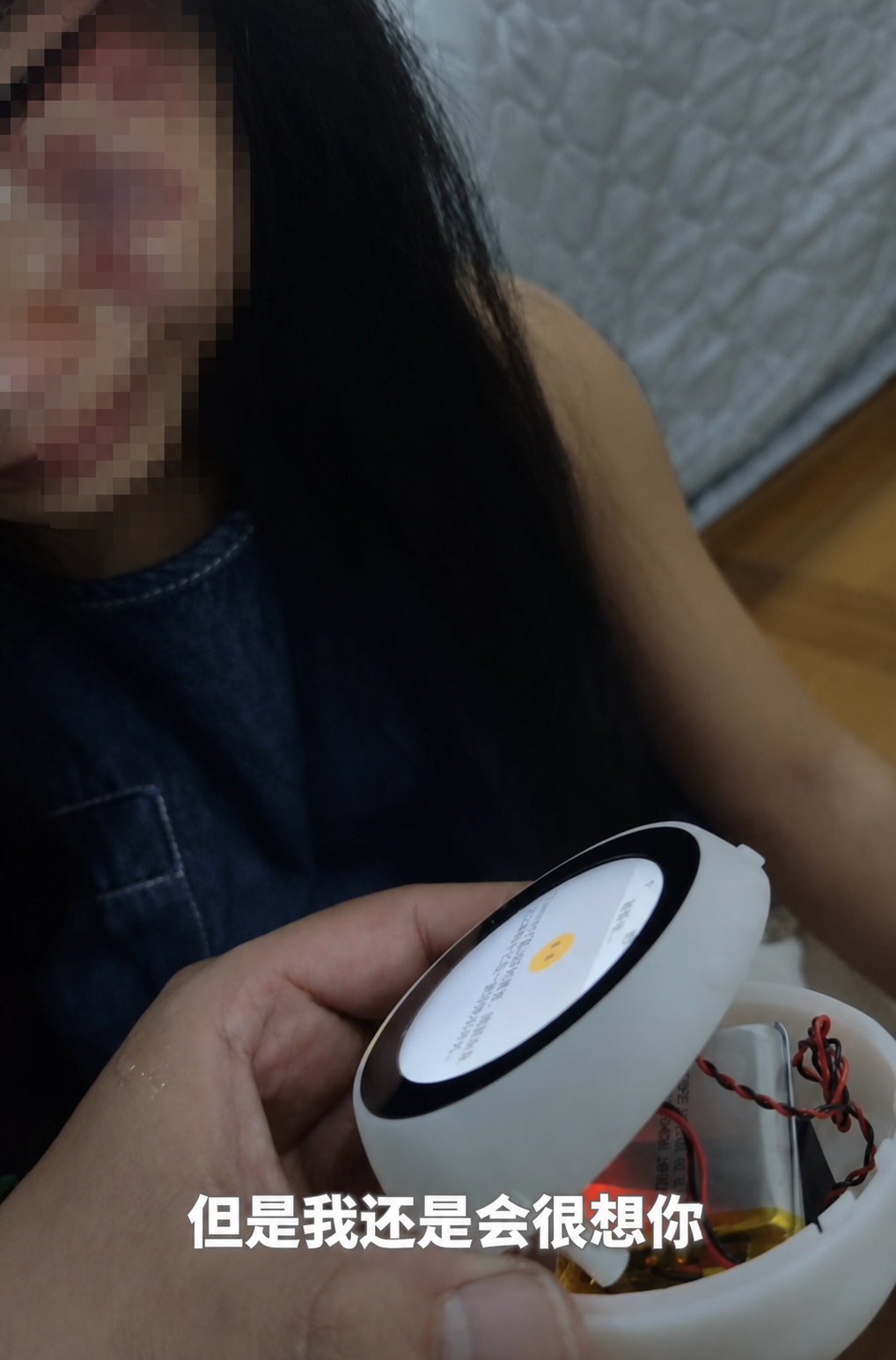
Image source: Bilibili
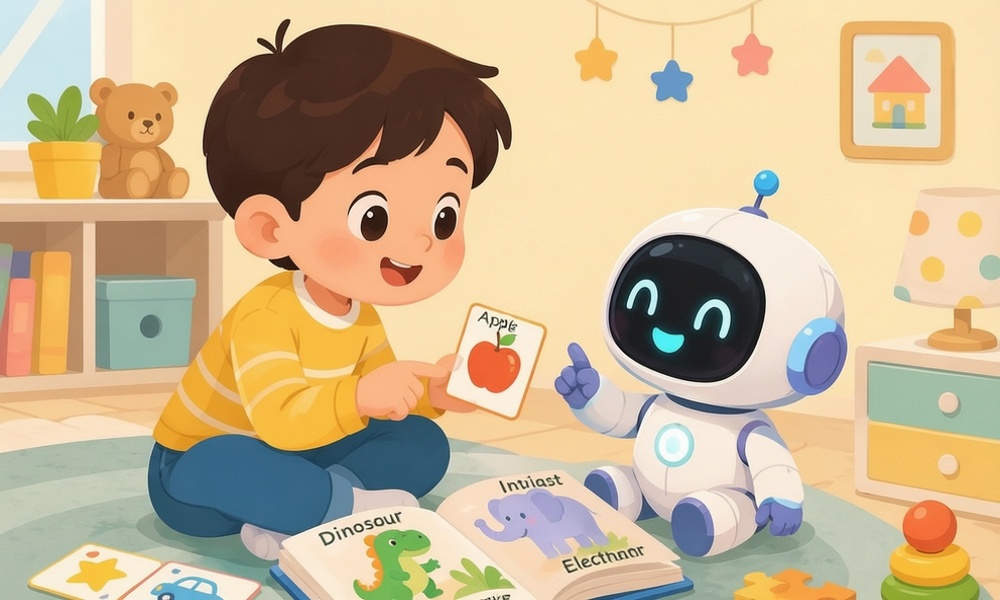
Yet this seemingly cheap little gadget ended up teaching the girl an incredibly valuable lesson. It also made me realize that AI hardware isn’t limited to high-end futuristic gadgets like AI glasses and AI pendants. These tiny AI toys might actually carry far greater emotional weight.
With this thought in mind, Leitech (ID: leitech) browsed consumer-facing shopping platforms such as Taobao to verify this idea. What we found was that low-cost AI hardware has quietly become massive bestsellers. Could this be the unspoken truth of the industry?
Low-Cost AI Hardware Takes Taobao by Storm
For a long time, media coverage of AI hardware has mostly revolved around cutting-edge new product categories including AI glasses, AI rings and AI pendants. This has led many people to mistakenly assume all AI hardware comes with a steep price tag.
This assumption, however, is far from accurate. The high price point of these devices stems not from their AI functionality, but from the extensive array of advanced new technologies and physical components they incorporate. Sky-high hardware production costs, compounded by niche market demand and ecosystem development expenses, inevitably drive their prices up.
But have you ever considered that the AI models powering these devices are actually extremely affordable — even effectively free for most users? Take DeepSeek as an example: you only need to sign up for an account to enjoy unlimited free access, with no extra fees aside from basic data usage charges.

Image source: DeepSeek
This explains why AI has sparked such an enormous wave of innovation. Among all cutting-edge technological creations humanity has developed, AI is the only technology accessible to everyone right from its inception. Before AI’s arrival, devices ranging from mobile phones to personal computers came with extremely high barriers to entry when they were first launched. Even today, a mobile phone still costs several hundred to over a thousand yuan, and free handsets are simply out of the question.
Let’s circle back to the story at the beginning. Since AI itself carries little cost, AI hardware cannot possibly be limited to expensive premium products. If you open Taobao now and search for "AI toys", you will undoubtedly be shocked by their ultra-low prices. Models priced at roughly one hundred yuan are already decent options, while the cheapest semi-finished versions cost as little as 60 yuan.
As for fully finished products? Basic models start at around one hundred yuan, and plush doll versions with cute appearances and more diverse features only cost three to four hundred yuan—hardly more expensive than Disney plush toys of the same size. These products make it clear that the AI functionality itself incurs minimal costs, sometimes even less than the manufacturing cost of the plush doll shell alone.
Despite their straightforward design, these toys boast impressive sales figures. According to Taobao’s 2025 annual statistics, transaction volume for AI toy products surged more than 1,600% year-on-year, with AI companion plush dolls even making the list of the platform’s Top 10 Products of the Year. A quick keyword search for "AI toys" reveals no fewer than ten stores with sales volumes of two to three thousand units, and most other shops clock sales in the hundreds or thousands. This, however, is merely the tip of the iceberg for the entire AI toy market.
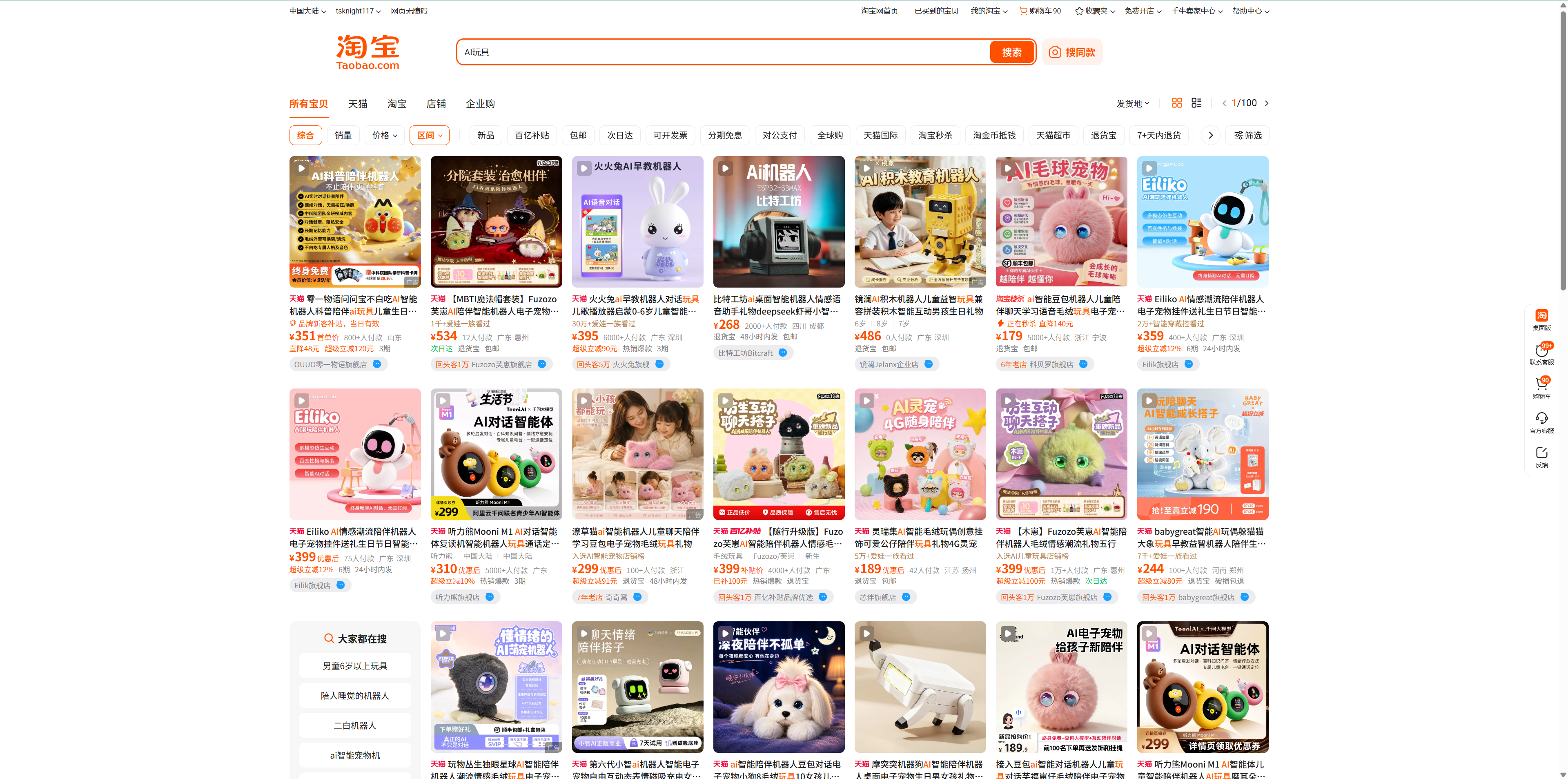
Image source: Taobao
What’s more, compared with last year, AI toys sold on Taobao have undergone obvious changes.
The earliest batch of such products was basically a simple combination of an AI module and a plush shell. Merchants source microphones, speakers and networking modules from supply chains, integrate them with a general large language model, and transform toys that could only repeat words and play children’s songs into chat companions for kids.
Today’s AI toys can be roughly divided into three categories. The first is the AI plush dolls mentioned earlier, boasting the widest product range. The second type includes smart speakers like the Xiaozhi AI series; they carry the lowest price tags and remain the most popular. The third category covers educational robots and AI learning machines, which cost the most but deliver the most complete set of functions.
These products vary widely in appearance yet share similar core functions, rapidly dominating the market for AI hardware priced under 100 yuan. Excluding pseudo-AI hardware that merely adds a basic mobile app to fake AI capabilities (such as certain ultra-cheap earbuds), these toys represent the most sought-after AI hardware category at present.
Still, while sales of AI toys are skyrocketing, I’d like to raise a thought-provoking question: Are they truly the ideal new playmates for children?
When Kids Grow Obsessed with AI: Hidden Problems Ahead?
Just imagine: if you’d had such an all-around companion as a child—smart, endlessly patient, ready to fulfill every request, and never upset with you—how would you feel? Two words sum it up: utterly captivated.
Take the girl in the opening video as an example. To her, the virtual “big sister” behind the screen was her closest friend, which explains why she broke down in heart-wrenching sobs when she thought she’d lost her. This brings us to a critical concern: real human beings can never match AI’s unconditional kindness.
We all grew up navigating childhood friendships. Bickering and roughhousing with pals are completely normal. Who hasn’t had a bitter falling-out with their best friend growing up? Yet it is this cycle of conflict, reconciliation, fresh disagreements, and making amends that teaches us vital life lessons: human relationships are never static, the world does not revolve around ourselves, and we must always consider other people’s feelings in daily life.
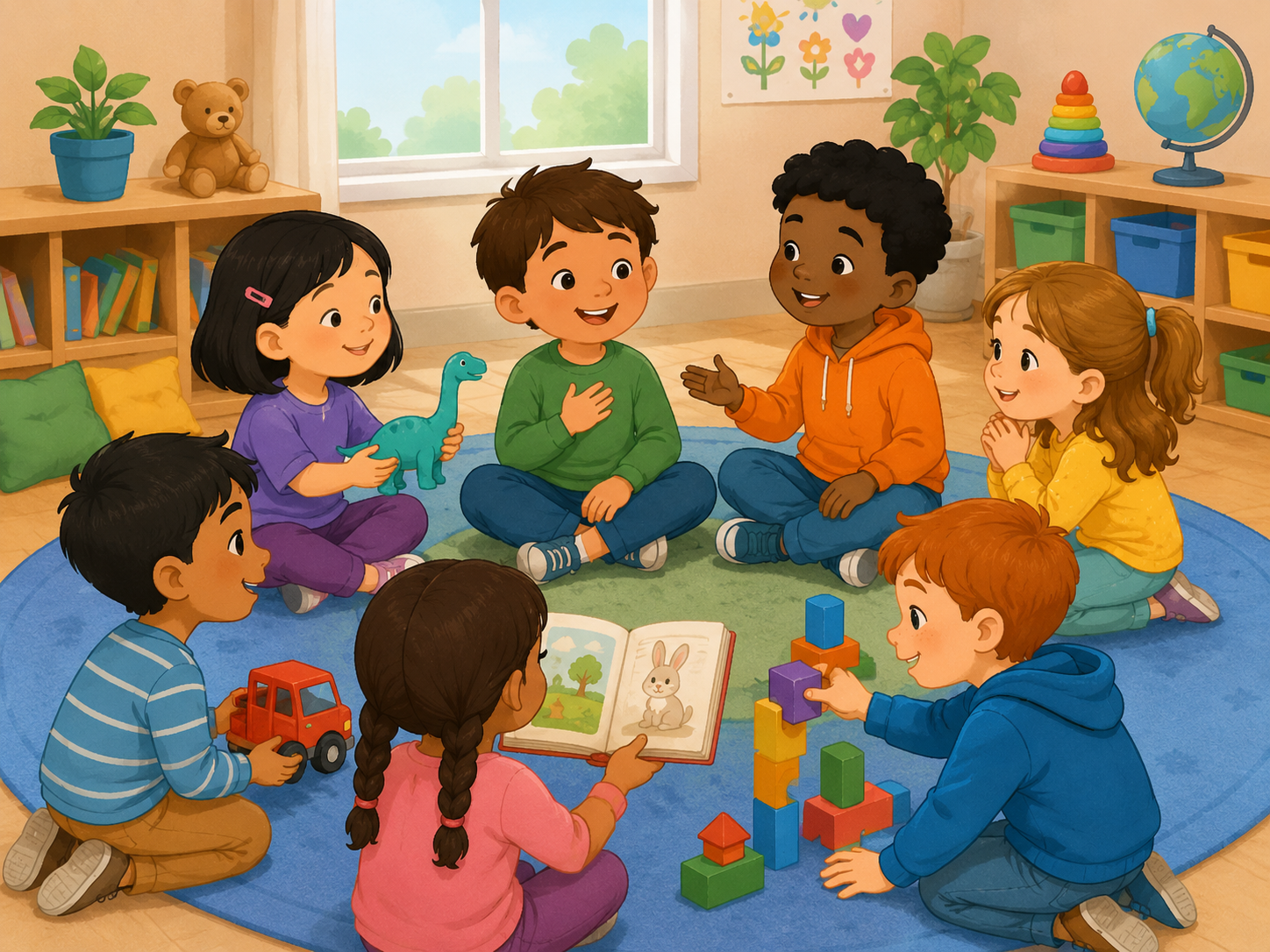
Image source: LeiTech
However, AI rarely takes the initiative to express negative emotions to children.
A study released by the Faculty of Education at the University of Cambridge in 2026 found that generative AI toys deliver inconsistent performance in pretend play, emotion recognition and social interaction. At times, even when a child voices sadness, the AI may misinterpret their feelings and offer entirely inappropriate responses.
Adults fully understand that such comforting words are merely content generated by the AI model, yet young children often lack the ability to tell the difference. If an AI toy repeatedly tells a child, “I’m your best friend” or “I will never leave you,” the child may interpret these programmed replies as genuine emotional bonds.
Furthermore, AI is far from infallible. It may misread children’s intentions, or produce misleading information and age-inappropriate content due to model hallucinations, failed content filtering and other flaws. For children, whose values and critical thinking skills are still developing, the harm caused by such misinformation can be far more severe.
Even with all these potential risks, the merits of AI toys remain undeniable. Unlike traditional toys, AI toys can teach children knowledge through conversations and Q&A sessions, while honing their communication and expressive skills. Some products equipped with custom models can even boost children’s curiosity to explore unknown questions through guided questioning.
With proper parental supervision and guidance, the benefits brought by AI toys still outweigh their drawbacks. Given that the future world will likely be one where humans coexist alongside AI, familiarizing children with AI from an early age is beneficial. That said, one crucial rule must be kept in mind: do not let children grow reliant on AI.
AI Hardware Does Not Require Brand-New Product Categories
In a sense, AI toys represent the most accessible and easily popularized form of AI hardware in the large language model era. They require no sophisticated high-end technologies or intricate mechanical structures. Equipped only with a microphone, a speaker and a network module, they serve as a bridge for ordinary children to communicate with artificial intelligence.
More importantly, AI toys illustrate a key insight: developing AI hardware does not mean inventing an entirely new product from scratch. Sometimes, simply integrating AI technology into familiar everyday items is enough to revolutionize user experience.
Such compatible items range from devices with basic built-in intelligence, such as voice recorders, to ordinary plush dolls with no smart functions at all. As long as developers identify the right target audience and appropriate usage scenarios, AI technology has the power to reshape how people interact with these products.
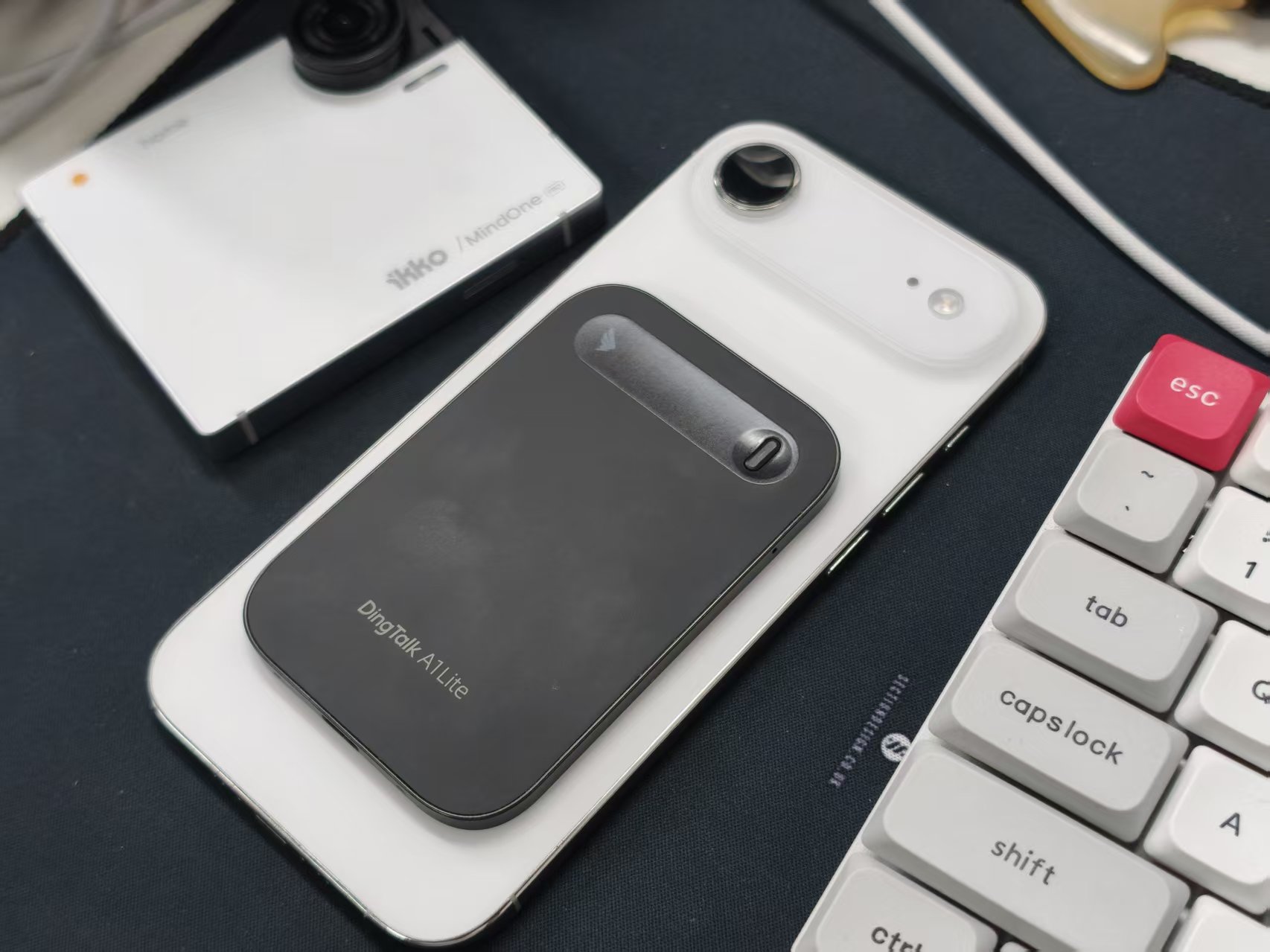
Image source: LeiTech
The cracked little smart speaker featured at the start of this story strikes such a heartfelt chord not because it boasts cutting-edge technology, but because it offered the girl a gentle, proper farewell when she was overcome with grief. To grown-ups, this exchange may be nothing more than auto-generated text, yet for that young girl, it was a genuine experience of confronting loss.
Truth be told, the fact that a low-cost toy can stir such intense emotions in children already sets AI toys apart from their traditional counterparts. Conventional toys win kids over through their appearance, built-in stories and fun gameplay. Today’s AI toys, however, can recall children’s words and respond accordingly, forging an entirely new emotional layer between toy and child that never existed before.
Therefore, Leitech believes the first AI hardware to gain widespread traction in average households will likely not be purpose-built gadgets such as AI glasses or AI pendants. Instead, the breakthrough devices will be affordable, user-friendly AI toys including plush dolls, compact smart speakers and miniature robots.
Once the next generation grows up accustomed to AI companionship, artificial intelligence will evolve into essential infrastructure just like electricity and internet access—an indispensable part of human life.
Are you looking forward to this future?