
 雷科技
雷科技





The Li Auto L6 Has Truly Seen Explosive Orders
According to Sun Shaojun’s industry disclosures, within 120 hours of the Li Auto L6’s launch, each dealership locked in an average of 30 orders, with showroom foot traffic surging by 50%. Its buyer demographic skews younger, ranging from 25 to 45 years old, with Guangdong, Zhejiang and Shandong Provinces logging the highest order volumes.
The roughly RMB 250,000 price bracket for premium midsize SUVs has become a fiercely contested battleground. A host of popular models compete head-to-head in this segment, including the BYD Tang EV, AITO M5/M6, Xpeng G9, Leapmotor D19 and Xiaomi YU7.
Leading up to and following the new model’s launch, many netizens argued that the Li Auto L6 no longer boasts unique selling points compared to its rivals. Yet order figures tell a different story—the Li Auto L6 remains red-hot.
After the editorial team at Dianchetong (ID: dianchetong233) visited a Li Auto showroom to test the vehicle firsthand, we finally understood why consumers are choosing this model.
Massive Interior Overhaul, But Ditching the Instrument Cluster Is a Critical Flaw
I visited the dealership on a weekday morning, and the showroom was empty apart from several staff members. I spent some time exploring the Li Auto L6 before a young couple arrived specifically to check out this vehicle.
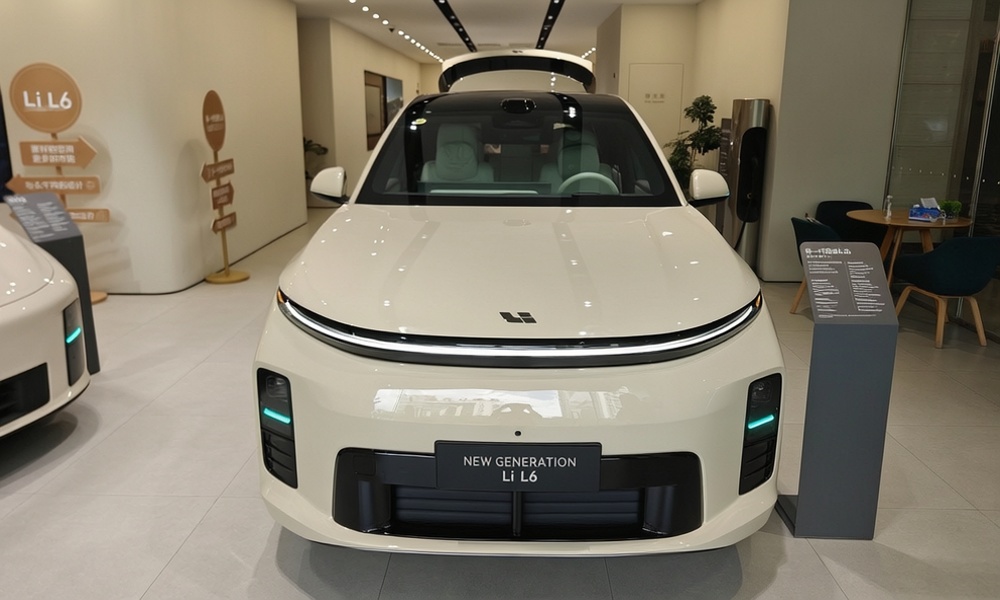
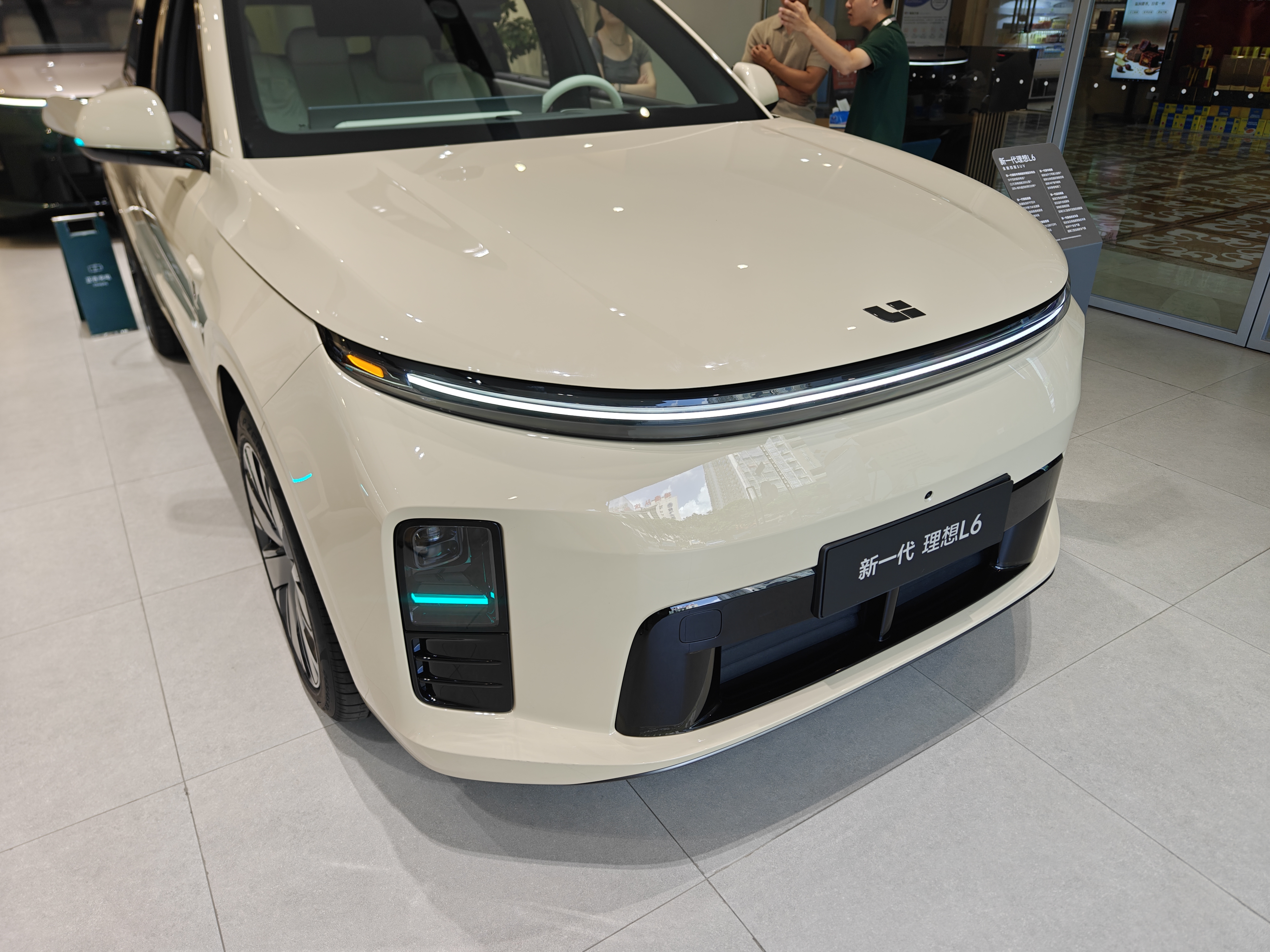
Compared to previous Li Auto models, the L6’s front fascia abandons the full-width integrated trim piece, expands the size of the lower grille, and swaps fully hidden door handles for semi-concealed ones. While these revisions are relatively minor, they lend the L6 a more refined look that better resonates with younger buyers.
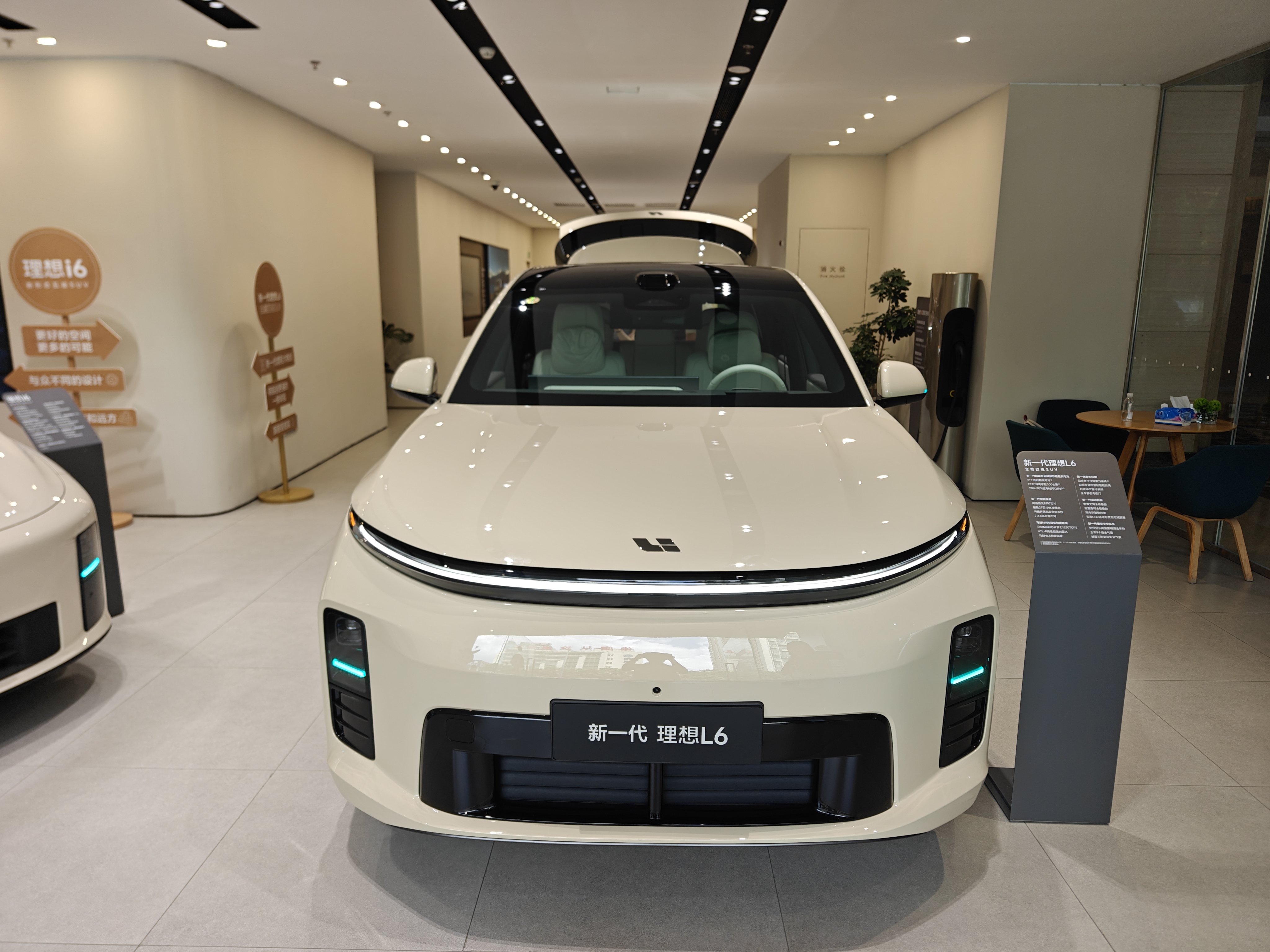
(Photography credit: Dianchetong)
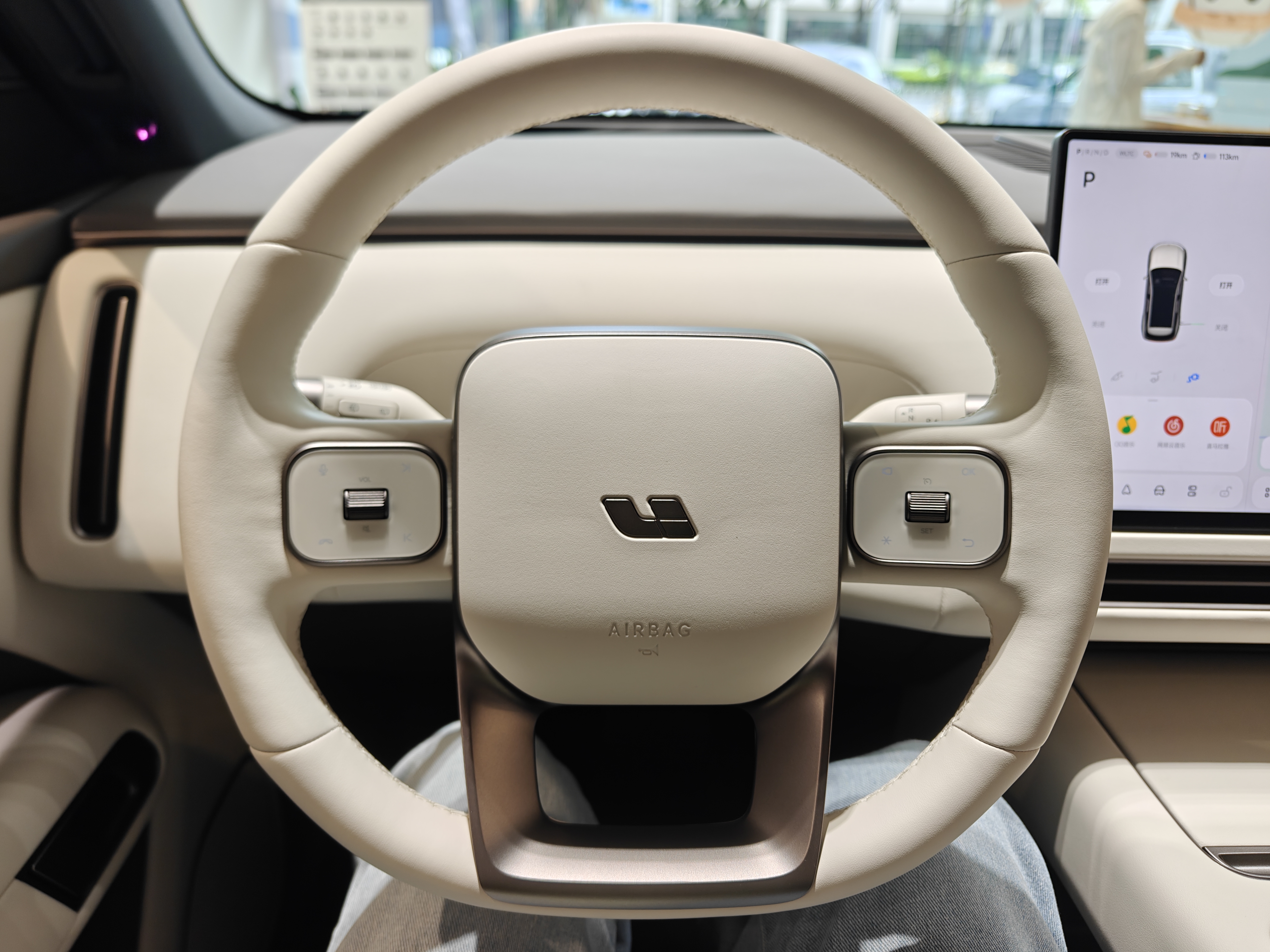
The interior is where the Li Auto L6 sees the most dramatic upgrades. Unlike the dual 15.7-inch linked screens of previous-generation models, the new variant features a single seamless 29-inch 6K panoramic hyperscreen with a more cohesive visual layout and split-screen display capability. Its vehicle infotainment chip has also been upgraded to the Qualcomm Snapdragon SA8797 Elite automotive platform, so the front passenger can freely watch movies and entertainment content on the central touchscreen without any lag or interference.
That said, there is one revision to the new L6 that fails to win me over: the removal of the small instrument cluster above the steering wheel. Though the L6 comes equipped with a head-up display (HUD), I still believe a dedicated gauge cluster is essential for clearly displaying key driving metrics.
The front seats of the new L6 both feature zero-gravity modes, a massive selling point for drivers like me who take long-distance road trips during spring. The zero-gravity seats, paired with built-in massage functions, effectively ease physical fatigue that builds up over hours of continuous driving.
While test-driving the L6, its large five-seater layout sparked a sudden question in my mind: how large of a vehicle do we truly need?
Among Chinese car buyers, there is a prevailing mindset that "bigger equals better." I once shared this belief too, as larger exterior dimensions naturally translate to more generous cabin and cargo space, delivering tangible improvements in practicality.
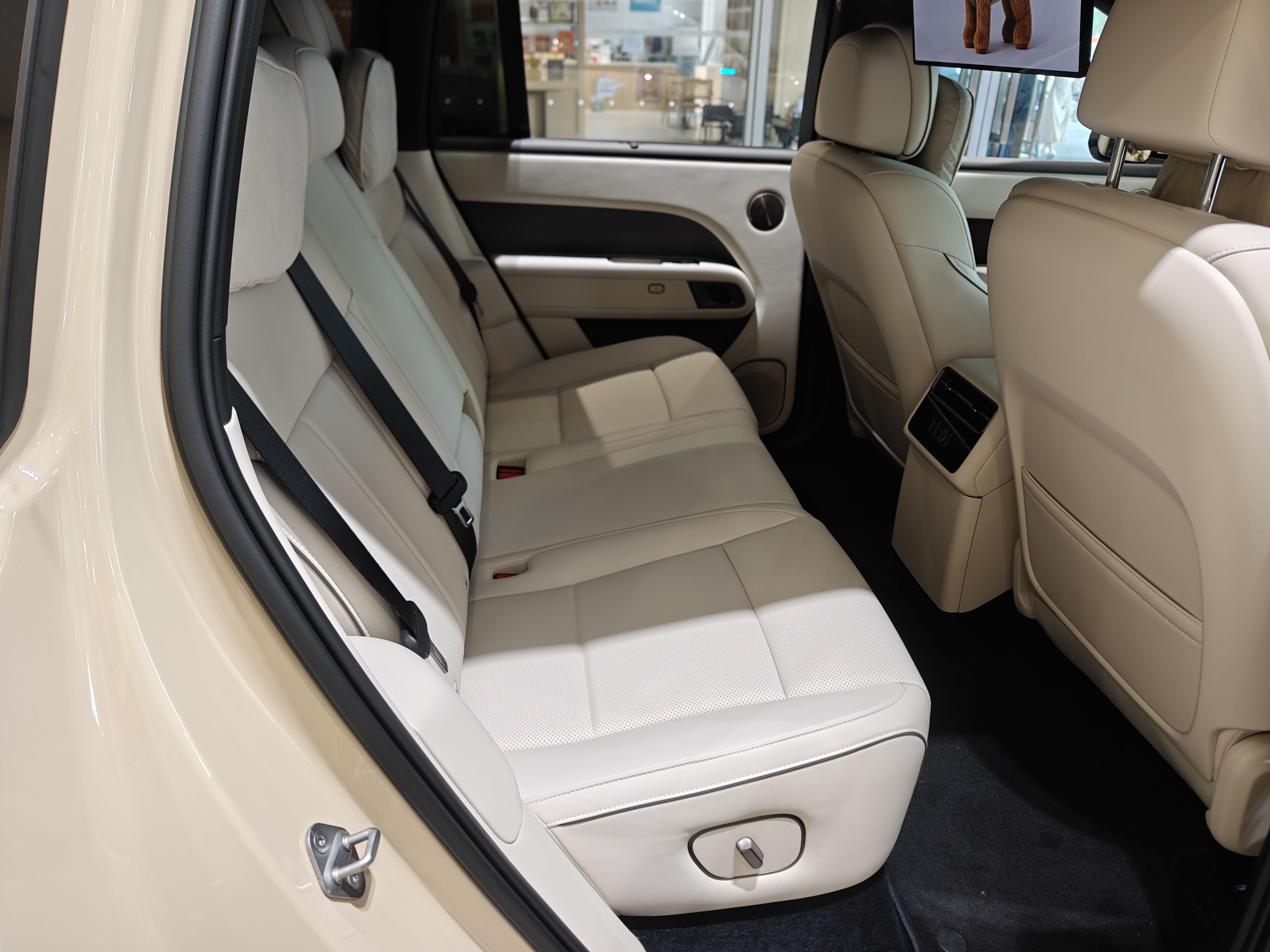
(Photography credit: Dianchetong)
Yet when I sat in the back row of the Li Auto L6 and saw over two fist-widths of legroom, I seriously pondered for the first time: How large of a vehicle do we actually need? There is no shortage of full-size SUVs at the same price point, such as the BYD Tang EV, Leapmotor D19, Deepal S09, Great Wall H10 and more. However, a larger body usually translates to greater curb weight and higher wind resistance, which in turn alters handling performance and energy consumption.
Measuring 4,935 millimeters in length, the Li Auto L6 fully satisfies my space demands. The marginal improvement in driving experience brought by an even roomier cabin is barely noticeable.
Naturally, one of the most stress-free perks the Li Auto L6 offers buyers is its simplified lineup: it only comes in a single Ultra trim, priced at just RMB 249,800, matching the cost of the previous generation’s Pro variant.
With the Li Auto L6, customers no longer need to spend time comparing pricing and feature sets across multiple trims, nor calculate how much extra value they gain by paying more for upgrades. There is merely one standard trim; aside from optional add-on packages, all features come as factory standard. This not only simplifies decision-making for consumers but also cuts manufacturing costs for the automaker and inventory stocking expenses for dealerships.
Dianchetong (ID: dianchetong233) believes that the most substantial upgrade of the new Li Auto L6 over its predecessor is the inclusion of the Maher M100 chip, which delivers an initial computing power of 1,280 TOPS. If buyers opt for the RMB 20,000 embodied intelligence package, the vehicle is upgraded to dual Maher M100 chips paired with four LiDAR sensors, pushing total computing power up to 2,560 TOPS.
As for other upgrades, while they are not numerous, every tweak hits key pain points for users. First, subtle exterior revisions refine the vehicle’s overall styling. Second, the revamped central control screen delivers a superior visual experience. Third, upgraded seats elevate ride comfort.
Some may question: The Li Auto L6’s feature list does not appear to hold a clear edge over competing vehicles in its segment. Why, then, have so many customers placed binding reservations?
Young Couples Flock to Showrooms; Li Auto Shakes Off Its "Family Dad Car" Label
Since 2025, Li Auto has faced far from ideal business conditions. Slumping sales and a shift from profitability to losses have laid bare the brand’s underlying flaws, prompting countless netizens to nitpick its shortcomings. The launch of the L6, however, proves consumers remain eager to back Li Auto. According to a Weibo blogger’s industry leak, Li Auto secured 19,750 new orders in the third week of July, marking a 320% week-on-week surge.
Consumer support, however, hinges on Li Auto delivering a genuinely compelling product — and the L6 fits that description perfectly.
From Dianchetong’s perspective, the Li Auto L6’s booming demand stems not from flashy marketing gimmicks, but from its ability to resolve real consumer pain points.
Every car shopper works within a fixed budget when purchasing a new energy vehicle. As a midsize-large SUV, the Li Auto L6 boasts generous interior space, fully equipped with a rear entertainment screen, an oversized front central display, and zero-gravity seats for both the driver and front passenger. It offers a pure electric range of 300 kilometers, meaning drivers can rely solely on battery power for city commutes and drastically cut daily travel expenses.
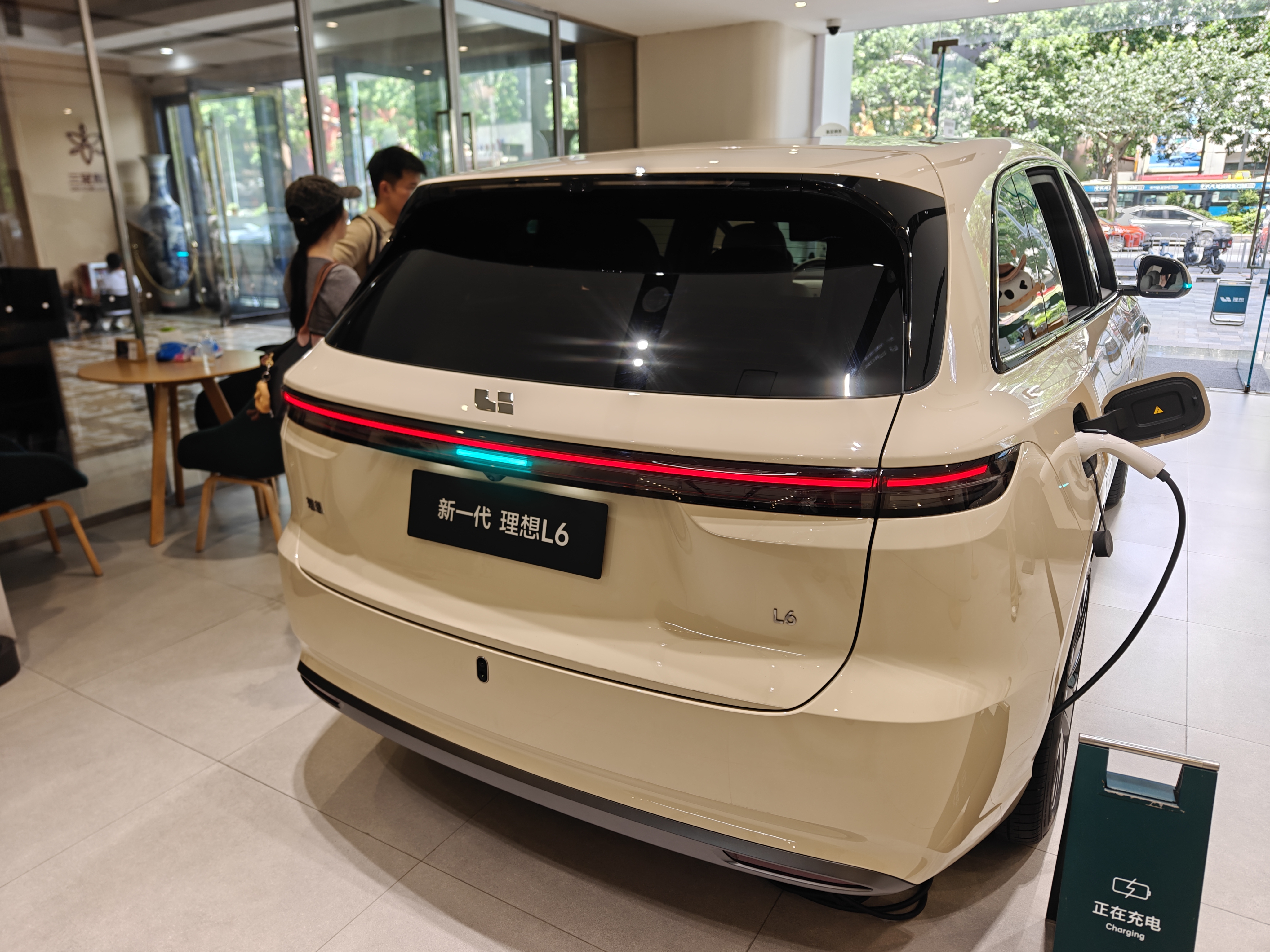
(Photography credit: Dianchetong)
Coupled with the high computing power of the Maher M100 chip, the vehicle not only delivers sufficient computational support for intelligent driving today but also reserves ample room for future over-the-air upgrades. Once the optional embodied intelligence package is fitted, total computing power jumps to 2,560 TOPS. This eliminates worries about insufficient performance for years to come and fully resolves consumers’ "computing power anxiety".
Furthermore, its sleek refined styling, youth-friendly pricing and well-rounded feature set are helping Li Auto shed its long-standing "dad car" stereotype. During Dianchetong’s test experience of the Li Auto L6, a young couple dropped by to check out the model. They were relatively young with genuine car purchase needs, and engaged in an extended conversation with the sales consultant covering build quality, pricing, battery performance and intelligent driving systems.
Ever since deliveries of the Li ONE commenced, Li Auto has been stereotyped as a "dad car", with the misconception that only affluent buyers aged 35 and above opt for its vehicles.
This label carries both advantages and drawbacks. On the positive side, it makes the brand instantly recognizable to its core target demographic; many former owners of luxury German brands (BMW, Mercedes-Benz, Audi) have indeed switched to Li Auto. On the negative side, the branding barrier discourages younger buyers from considering the marque.
AITO faces a similar branding challenge and has made initial headway tapping into younger consumer groups via its M5 and M6 models. The Li Auto L6, by contrast, boasts more polished exterior and interior design, competitive pricing and class-leading onboard computing power. It perfectly caters to young buyers who operate on tighter budgets yet prioritize advanced smart features and long-term usability.
(Photography credit: Dianchetong)
That explains why Sun Shaojun’s statistics show a clear shift toward younger buyers among customers who placed binding reservations for the Li Auto L6, alongside a rising proportion of female purchasers.
As consumers grow increasingly pragmatic, practical features that solve real-life pain points carry far more value than superficial comparative advantages built around empty marketing gimmicks. The explosive order volume for the Li Auto L6 fundamentally stems from the brand’s thorough grasp of Chinese buyers’ core demands, rather than simply outperforming rival vehicles on paper.
Rather than chasing the top ranking across every single metric, the Li Auto L6 delivers all-round capability perfectly suited for family use. It alleviates buyers’ range and computing power anxiety, comes fully loaded with premium comfort and entertainment features, and simplifies the buying process with a single trim level—eliminating the hassle of comparing feature lists and price gaps across multiple variants. This is the core reason it stands out in the fiercely competitive RMB 250,000 premium SUV segment.
Specs Take a Backseat; Meeting User Needs Is What Truly Matters
Against a backdrop of cutthroat competition and rampant specification one-upmanship in the new energy vehicle industry, car shoppers have adopted a thoroughly down-to-earth mindset. The runaway order success of the new Li Auto L6 serves as the perfect evidence of this consumer shift.
The RMB 250,000 premium SUV market is now oversaturated with competing models. Many vehicles pile on flashy extras and engage in a race to boast superior paper specifications, hoping to capture market share through attention-grabbing differentiators. Yet most of these fancy functions see minimal daily use, barely improving real-world driving experiences while driving up vehicle purchase and maintenance costs.
Refusing to blindly match rivals’ extreme specifications and gimmicky add-ons, the Li Auto L6 avoids manufacturing superficial advantages designed to outshine all segment competitors. Instead, it zeroes in on ordinary drivers’ core daily motoring pain points, channeling every upgrade toward frequently used, genuinely practical scenarios.
(Photography credit: Dianchetong)
Whether it is its 300-kilometer pure electric range that resolves daily commuting woes such as high fuel consumption and frequent charging; the Qualcomm 8797 cockpit chip and Maher M100 intelligent driving chip that eliminate computing power anxiety and reserve ample room for long-term system iterations; zero-gravity seats and panoramic oversized screens that elevate comfort for the whole family’s trips; or its straightforward, transparent pricing of 249,900 yuan for a single trim with no hidden traps—every element directly addresses consumers’ core dilemmas when selecting and using a vehicle.
Meanwhile, refined upgrades to its exterior and interior have successfully broken Li Auto’s long-standing stereotype as a “dad car”, drawing a large number of young buyers and enabling the brand to expand its customer base to new demographics.
The overwhelming market popularity of the Li Auto L6 fully demonstrates that modern consumers have abandoned the outdated “specs-first mindset”. Compared with flashy, impractical feature gimmicks and superficial paper advantages designed merely to outperform competitors, vehicles that genuinely solve tangible pain points including range limitations, insufficient intelligent performance, subpar ride comfort and indecision during car shopping boast sustainable market competitiveness. In an increasingly rational consumption landscape, practical value that directly targets real user frustrations always trumps flashy yet useless innovations. This is the core secret behind the Li Auto L6’s standout success amid the saturated, fiercely contested SUV market segment.