
 雷科技
雷科技




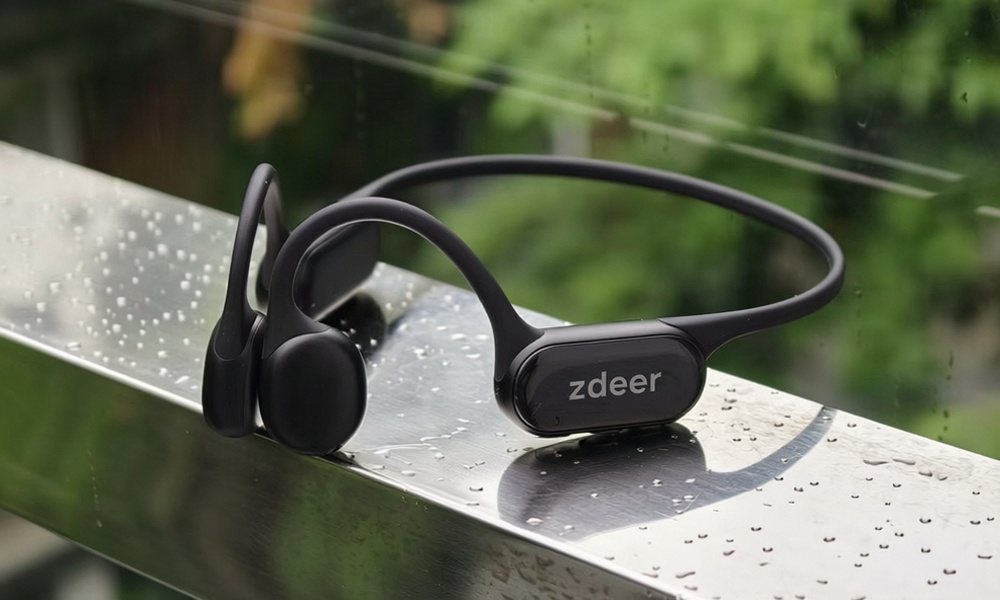

Bone conduction headphones are hardly an unfamiliar product to most consumers. Over the past few years, the bone conduction concept has been thoroughly popularized across the consumer electronics market, spanning sports headsets all the way to waterproof swimming earphones. What’s more, many brands that once specialized in bone conduction headphones have now pivoted to manufacturing air-conduction open-ear headsets instead.
Against this backdrop, the ZD Leftian G4 bone conduction hearing aid stands out as a remarkably commendable offering.
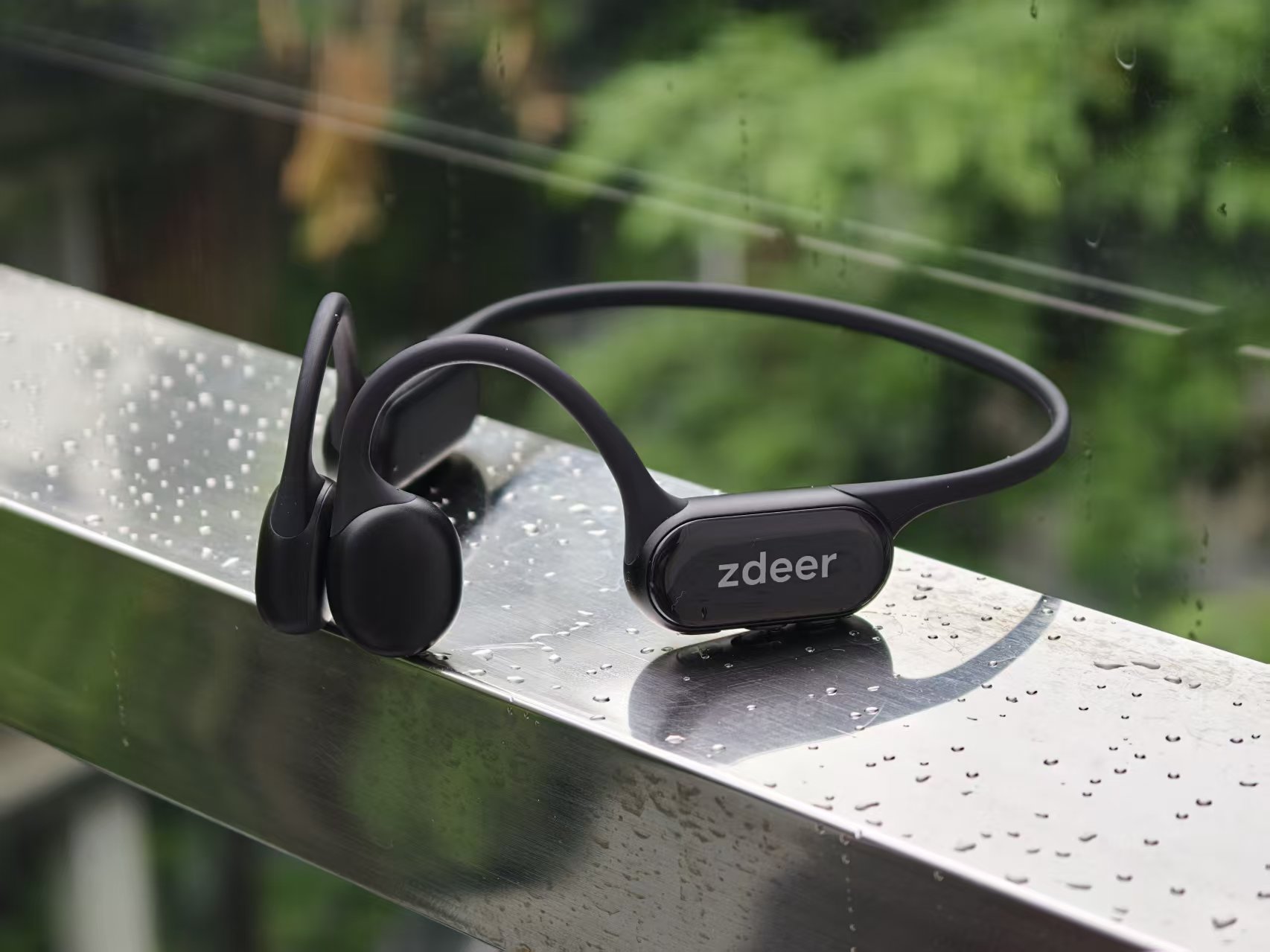
Image source: LeiTech
As a tech brand focusing on household health, Zuodian boasts a distinctive brand positioning: it integrates technological medical expertise with daily wellness, developing health and medical device products backed by clinically validated technologies. While it may appear indistinguishable from other digital brands at first glance, Zuodian actually holds dozens of medical device registration certificates. The Zuodian G4 bone conduction hearing aid mentioned earlier is precisely a professional medical device it launched leveraging bone conduction technology.
So what fundamental experiential differences set it apart from ordinary bone conduction headphones available on the market? Below is the hands-on review from Leitech.
A Bone Conduction Hearing Aid That Barely Looks Like One
Let’s start with the product design.
Though certified as a Class II Medical Device, the Zuodian G4 differs greatly from traditional hearing aids in appearance, resembling a standard behind-the-head bone conduction headphone. Its frame wraps around the back of the head, with each side secured near the ears. From a humanistic care perspective, a hearing aid styled like a regular headphone is far more approachable for people with hearing impairments.
That said, how exactly does the Zuodian G4 deliver hearing aid functionality with such an unconventional shape and structure?
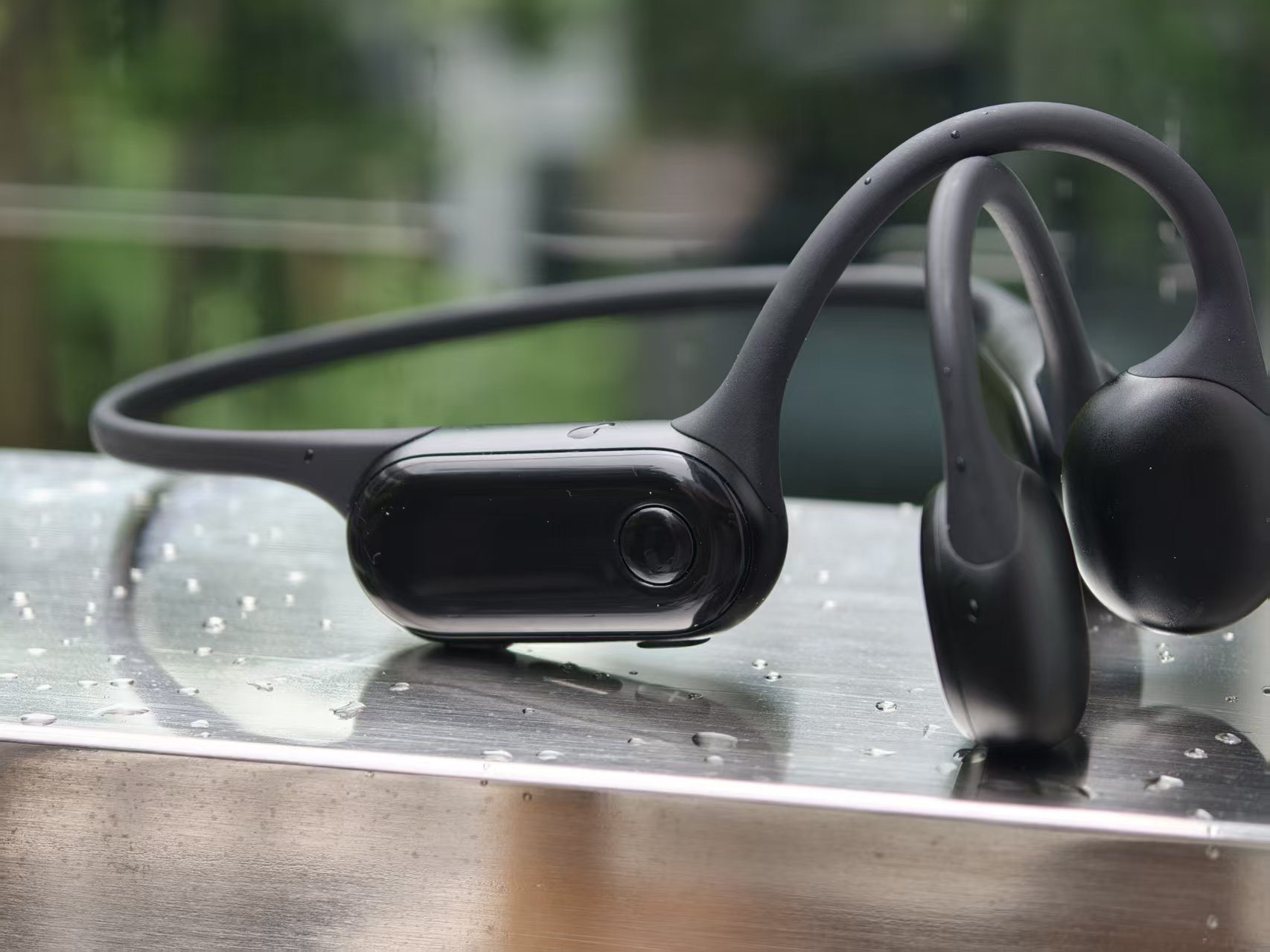
Image source: LeiTech
To understand this, we first need to break down the types of hearing impairments and the working mechanism of hearing aids.
As we all know, the human ear is structurally divided into three parts: the outer ear, middle ear and inner ear. Under normal hearing conditions, the auricle captures sound waves, which then vibrate the eardrum. This vibration activates the ossicular chain in the middle ear and transmits signals to the inner ear. Hair cells inside the cochlea convert acoustic signals into electrical signals, which are subsequently sent to the brain via the auditory nerve.
Damage to any link in this entire auditory pathway can lead to hearing loss. For instance, damage to inner ear hair cells or degeneration of the auditory nerve results in sensorineural hearing loss. Meanwhile, injuries to the eardrum or ossicles cause conductive hearing loss.
Simply put, here is how the Zuodian G4 operates: its microphones capture ambient sound; the built-in chip suppresses background noise and amplifies speech signals. The processed audio is then transmitted through bone conduction—bypassing the outer and middle ears entirely—to vibrate the jawbone and deliver sound straight to the cochlea of the inner ear.
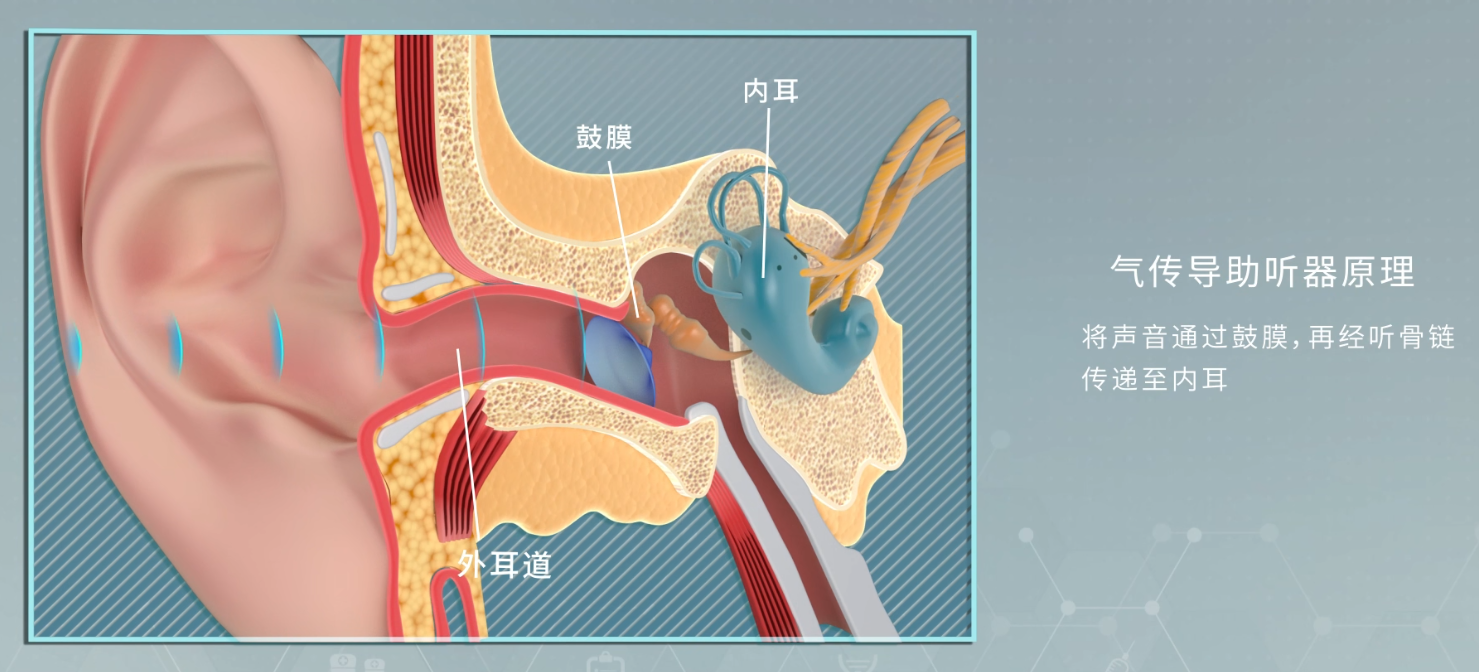
Image source: ZUO Dian
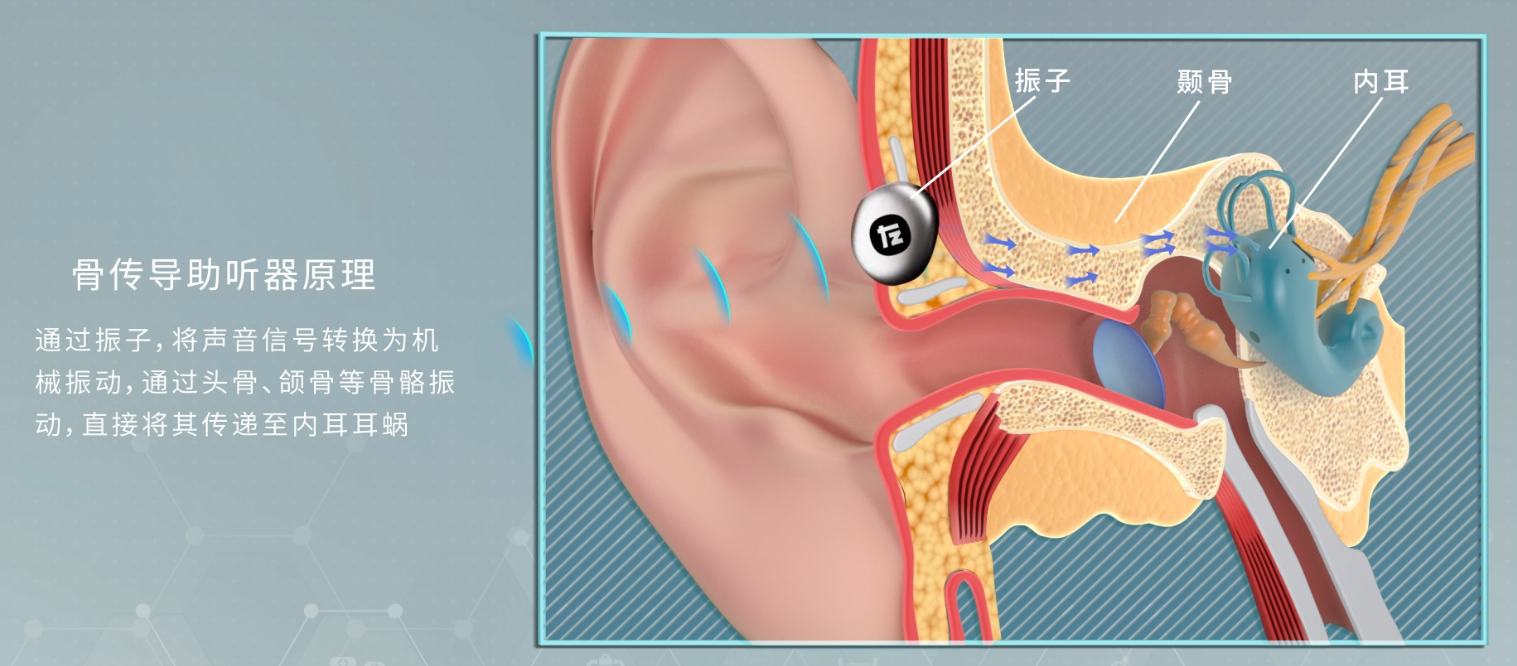
Image source: ZUO Dian
To draw an analogy: imagine the road connecting the raw material warehouse and production workshop has deteriorated from years of heavy traffic (representing conductive hearing loss). The Zuodian G4 essentially builds an overhead conveyor belt between the two locations. Even if the ground road is impassable, raw materials can still be delivered directly from the warehouse to the workshop.
This is not its only advantage. As a digital hearing aid, the Zuodian G4 is capable of audio signal processing and noise reduction beyond basic sound pickup and transmission. Therefore, in addition to conductive hearing loss (where sound cannot travel through the ear normally), the device also works for sensorineural hearing loss and mixed hearing loss.
Crisper Audio, Superior Wearing Comfort
How is the real-world experience of the Zuodian G4? Since I do not have hearing loss, I simulated conductive hearing loss in the simplest way possible: I blocked both ear canals with 3M foam earplugs and relied solely on the Zuodian G4 to perceive sound.
The test results proved impressive. The Zuodian G4 accurately captured all sounds, whether it was speech from colleagues talking face-to-face or distant keyboard tapping. Moreover, after picking up sound, the Zuodian G4 processes audio signals simultaneously. Soft sounds such as keyboard clicks or faint voices from distant colleagues receive targeted gain amplification, making them far more audible.
Unlike older electronic hearing aids that simply amplify every sound indiscriminately, the Zuodian G4 avoids over-amplifying loud noises.
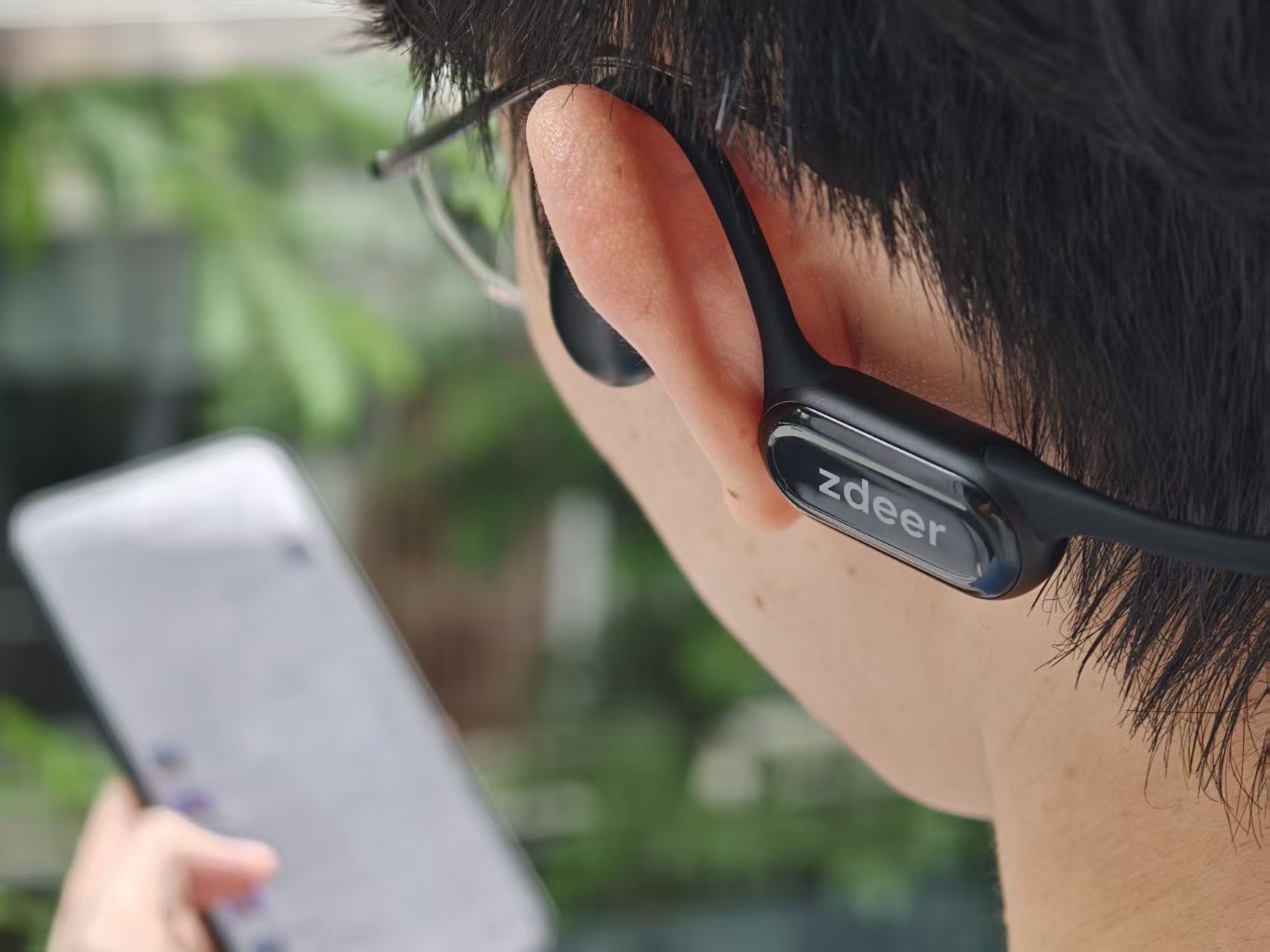
Image source: LeiTech
In terms of sound quality, the Zuodian G4 delivers impressive vocal reproduction. Even under bone conduction mode, it faithfully preserves the timbre of human voices. I also paired the Zuodian G4 with my phone to play music, and the audio quality turned out surprisingly good.
Notably, the Zuodian G4 comes with multiple built-in noise reduction presets, which filter out ambient background noise while amplifying target sounds. That said, given its positioning as a hearing aid, I believe Zuodian made this design choice to retain as much environmental audio information as possible. After all, sealed noise-canceling headphones and open-ear bone conduction hearing aids are two entirely distinct product categories, so discrepancies in their signal processing algorithms are to be expected.
The Zuodian G4 does not feature directional sound localization. All captured audio is played simultaneously through both sides of the device. This design benefits users with single-ear hearing loss by helping them better perceive surrounding sounds. I have learned that certain variants of the G4 already offer decent stereo performance. It would be ideal if future iterations further optimize stereo rendering, which would greatly elevate the overall user experience.
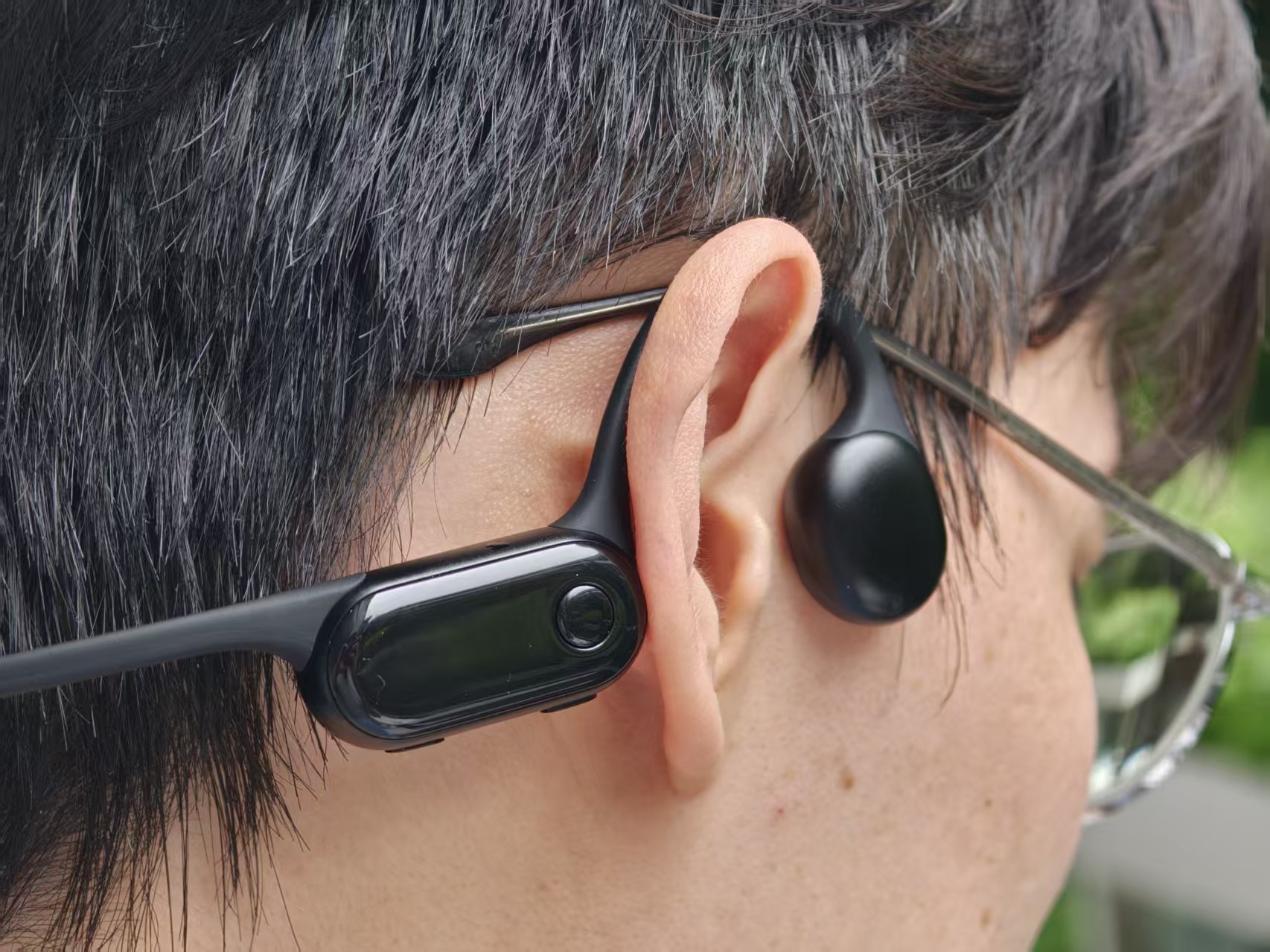
Image source: LeiTech
Lastly, I invited a friend living with sensorineural hearing loss to test the Zuodian G4. According to him, the device’s hybrid design of bone conduction headset and open-ear structure would not interfere with his residual hearing. Instead, it supplements and expands the range of sounds he can perceive, making it far more practical for his daily use.
A Great Hearing Aid Must Truly Understand Your Ears
My friend’s feedback brought an important point to light: for people with hearing impairments, a hearing aid is far more than a device that merely amplifies and plays sounds.
Every hearing-impaired user has unique auditory conditions. Some struggle to pick up high-frequency sounds; others find it hard to distinguish human voices. There are also those who communicate smoothly in quiet spaces but cannot isolate speech amid noisy surroundings such as subway stations and shopping malls.
Simply enabling users to hear sound is only the minimum standard for a hearing aid. A truly premium device must deliver personalized performance tailored to each individual’s hearing profile.
Within the Zuodian Voice app, an AI fitting specialist engages users through conversational interactions to assess their current hearing capacity. Based on the user’s specific pattern of hearing loss, the system fine-tunes sound amplification output on the device accordingly.
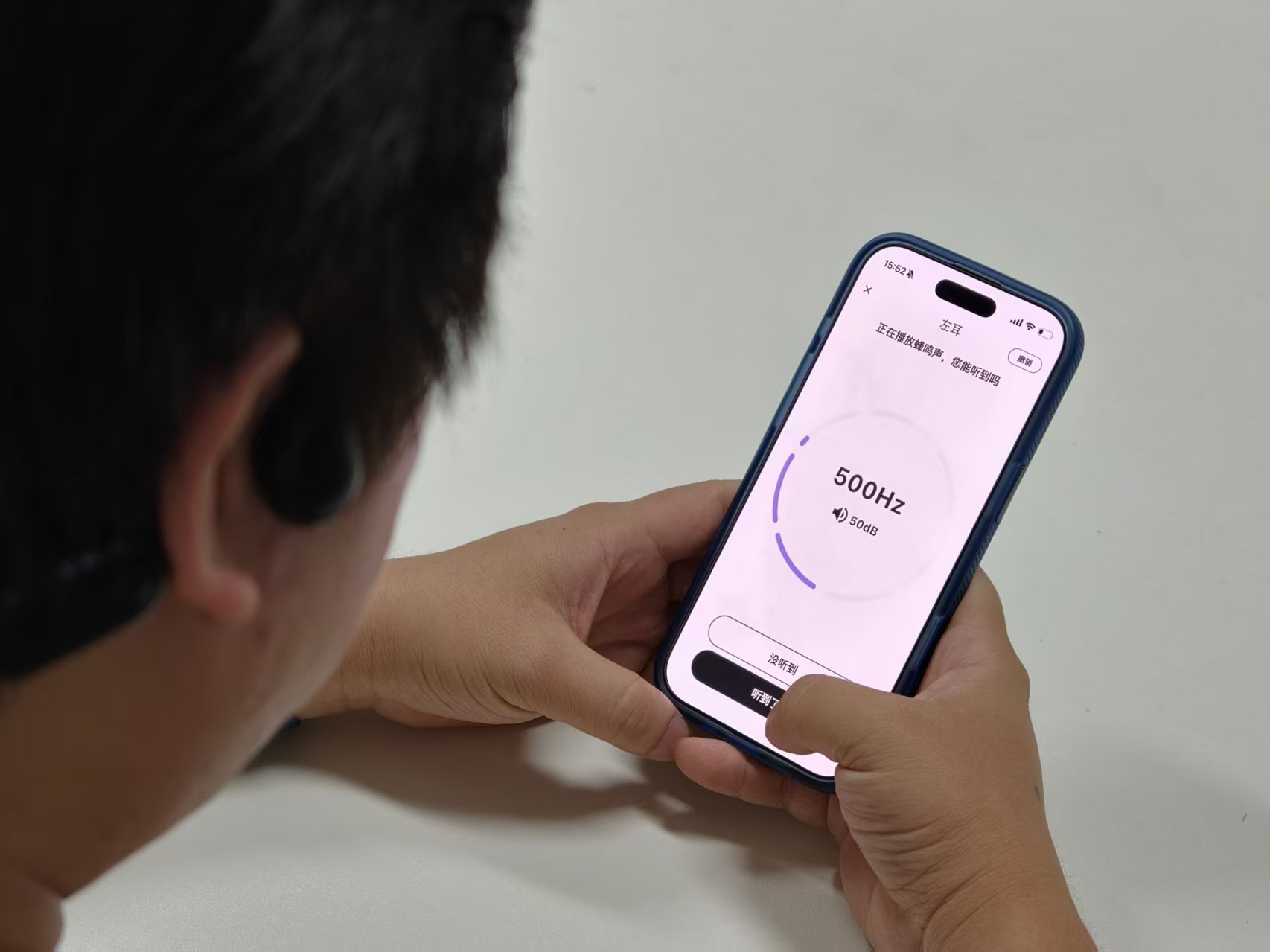
Image source: LeiTech
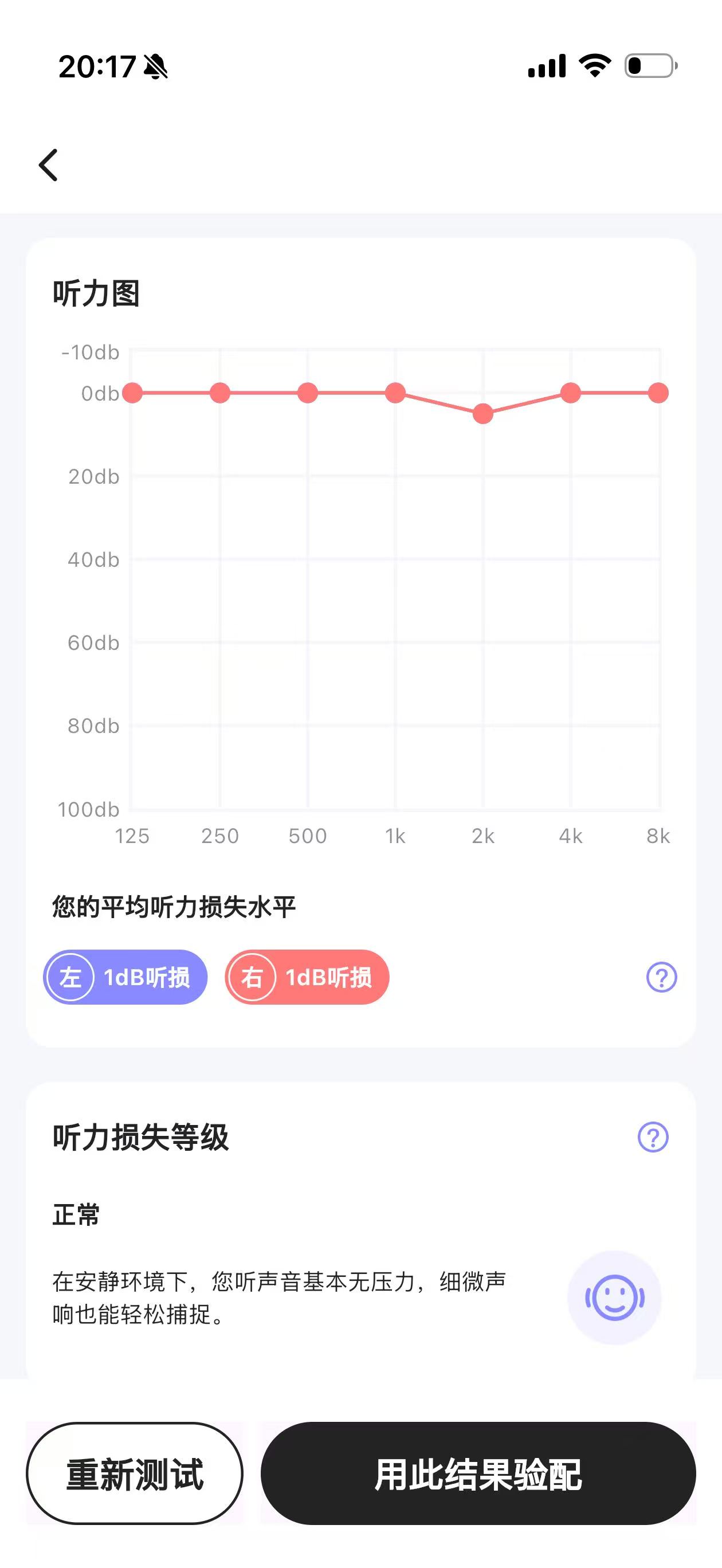
Image source: LeiTech
Admittedly, this AI fitting function cannot fully replace professional audiologists. Hearing loss is an extremely complex condition. In particular, users with severe hearing loss or sharply degraded speech discrimination ability still require thorough professional examinations and fine-tuning. Zuodian also offers remote one-on-one consultations with real audiologists.
Even so, the Zuodian Voice app successfully lowers the primary barrier to using hearing aids. Users do not have to rely solely on default audio profiles after bringing the device home.
From Leitech’s perspective, AI can do far more than simply adjust sound parameters in the hearing aid sector.
Current hearing aids are mainly designed to amplify audio and restore sounds users struggle to hear. Yet many sounds carry critical safety information for people with hearing impairments, such as fire alarms, police sirens, doorbells, and even the low-speed external warning tones of new energy vehicles.
If the hearing aid’s AI can recognize these alert sounds and send voice or beep reminders to users, its practical value will far exceed simple sound amplification.
A Great Starting Point for Caring for the Hearing-Impaired Community
Before sharing specific purchasing advice, we will evaluate the strengths and weaknesses of the Zuodian G4 following Leitech’s standard review template:
Strengths:
Outstanding hearing-aid performance
Free of acoustic feedback (Larsen Effect) during regular use
Long battery life
Supports AI hearing tests and personalized fitting
Weaknesses:
Noise reduction performance leaves room for improvement
No spatial audio hearing-aid function, making sound source localization impossible
Who Is This 1,800-yuan Bone Conduction Hearing Aid Suitable For? As a certified medical device, the Zuodian G4 only delivers optimal results for matching hearing conditions. If you suffer from moderate to severe sensorineural hearing loss, conductive hearing loss, or mixed hearing loss, the Zuodian G4 will effectively help you hear and distinguish surrounding sounds clearly.
Even if you have not received an official hearing loss diagnosis but feel your hearing has noticeably declined—note that cochlear hair cells naturally age and die irreversibly with age, even without other inducing factors—the Zuodian G4 can partially assist you in training your sound perception and speech discrimination skills.
However, the Zuodian G4 has limited efficacy for other types of hearing impairment.
Nevertheless, Leitech believes that the Zuodian G4 sets a positive precedent. More manufacturers will likely enter the AI hearing aid market in the future, developing AI-powered solutions to serve people with hearing loss.
At the end of the day, hearing aids remain a last-resort solution. To protect auditory health, prevention is always better than cure. Many people may not know this: the widely cited statistic that approximately 20 million people in China live with hearing loss originates from sampling data collected in 2006 (the Second National Sampling Survey of Persons with Disabilities), which only counted individuals holding official hearing disability certificates. In reality, as many as 70 million elderly people suffer from hearing loss requiring hearing aid intervention.
Over the past two decades, unhealthy listening habits have grown explosively. As of 2026, hearing loss is far more prevalent than most people realize. Therefore, do not wait until you can barely understand others’ speech to start taking your ear health seriously.
Avoid wearing headphones at high volumes for extended periods; refrain from battling loud ambient noise by cranking up audio volumes on subways and airplanes; and schedule regular hearing examinations. These simple daily habits sound trivial, yet they deliver far better outcomes than purchasing expensive hearing aids after hearing damage occurs.
Ultimately, it is never too early to protect your hearing.