
 雷科技
雷科技




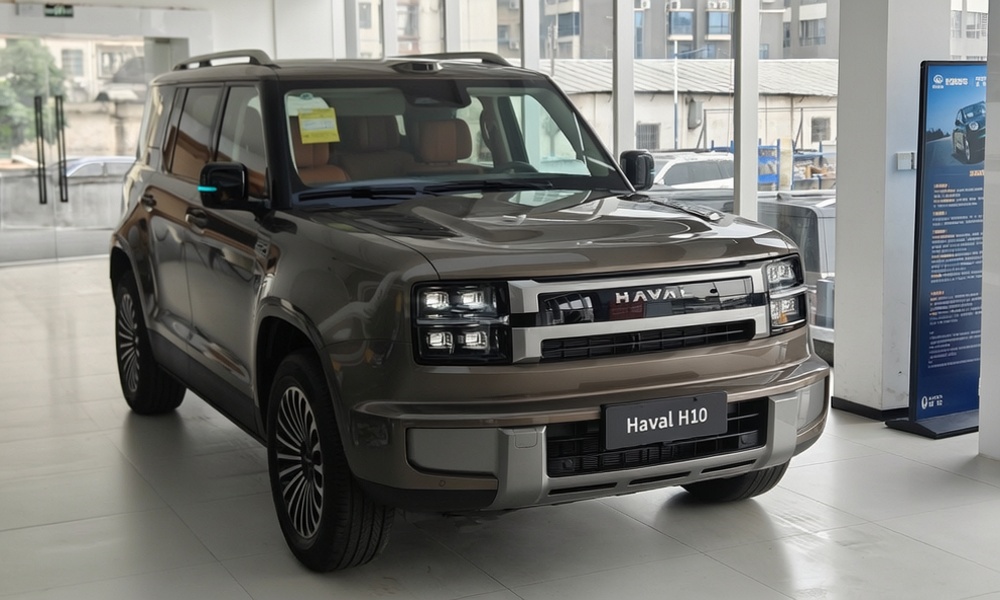

On July 19, Great Wall Motors (GWM) unveiled two new models in a single day: the all-new Tank 300 off-roader, and the focus of today’s coverage — the GWM H10, a light adventure SUV.
As the first boxy-styled model built on the Guiyuan S platform (GWM ONE S), the GWM H10 adopts an integrated ladder frame structure. It is an urban SUV with rugged off-road-inspired styling, sharing the same platform as the Wey V9X, and does not fall into the hardcore off-roader category.
So does the GWM H10 qualify as a solid affordable alternative to the Wey V9X? And can it gain an upper hand against the BYD Fangchengbao Titanium 7, the market leader in the light adventure SUV segment?
To answer these questions, the Dianchetong team visited a GWM dealership for an in-person hands-on experience of the H10 and spoke with fellow customers. We now have a clear picture of exactly who this vehicle is designed for.
Middle-aged buyers line up to view the car: GWM remains their top pick
The GWM H10 comes in five-seat and six-seat variants, with the six-seat version boasting a 161mm longer body. At the GWM showroom visited by Dianchetong (ID: dianchetong233), only the six-seat edition was on display.
Standing face to face with the GWM H10, I immediately grasped why more and more consumers are opting for adventure-styled SUVs. Its tough boxy silhouette, paired with a 5,299mm overall length, delivers a commanding presence that traditional SUVs simply cannot match. Coupled with auto-deployed running boards that extend automatically when the doors open, the vehicle could easily be mistaken for a 400,000–500,000 yuan model if the brand badge were covered up.
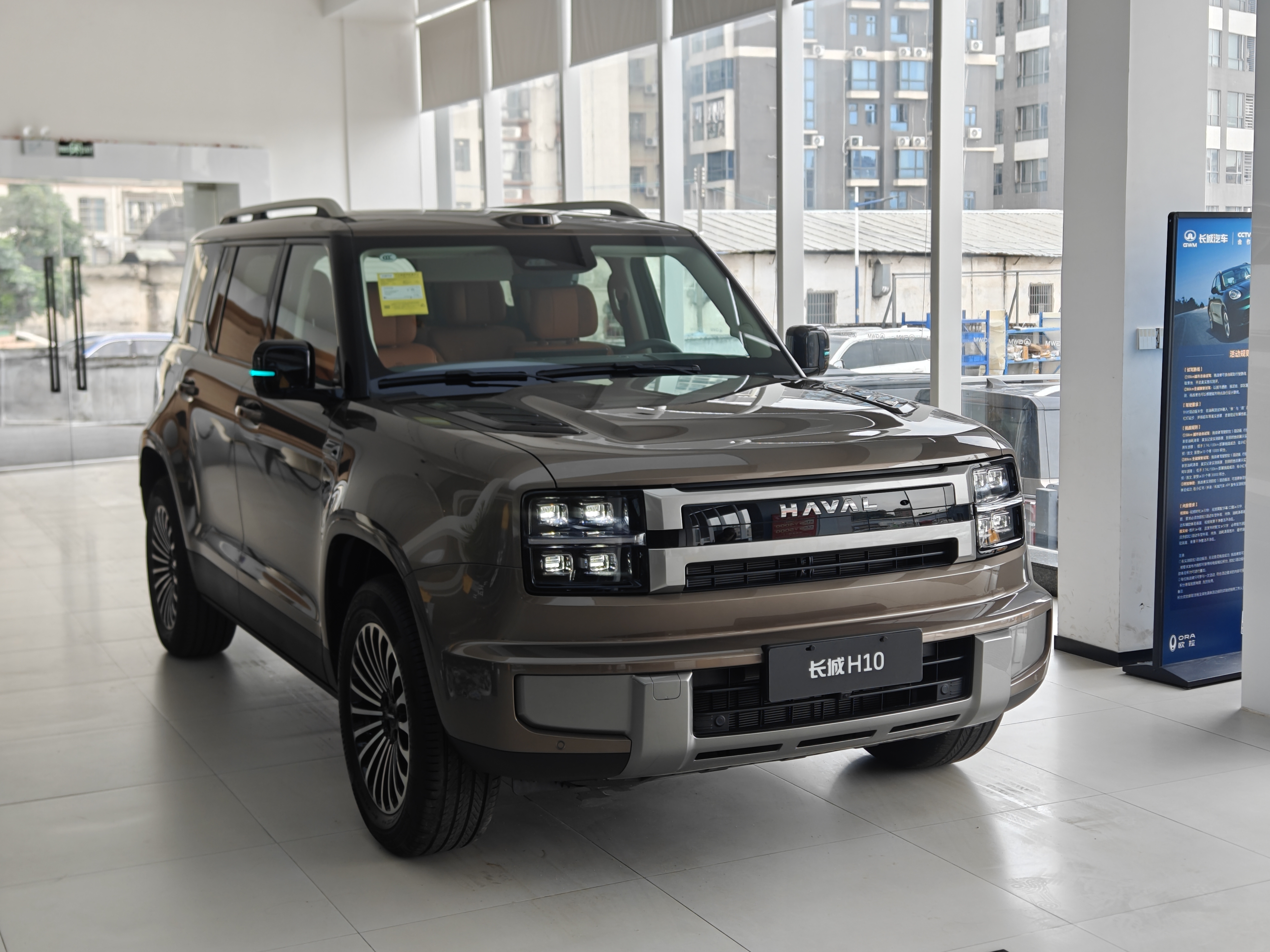
(Photo credit: Filmed by Dianchetong)
The GWM H10 features a column-mounted gear shifter. It comes with a Head-Up Display (HUD) system while retaining the instrument cluster. The cabin is finished with extensive soft-touch materials that feel supple and refined, and both the first and second-row seats (on high-spec trims) support massage functions — a rarity for products in the same price range.
Like most six-seat SUVs, when the first two rows of the GWM H10 are set to comfortable seating positions, the third row feels particularly cramped, and the trunk space is practically negligible. The good news is that the third-row seats can be folded flat, giving users the choice between a large cargo area and a full six-seat layout.
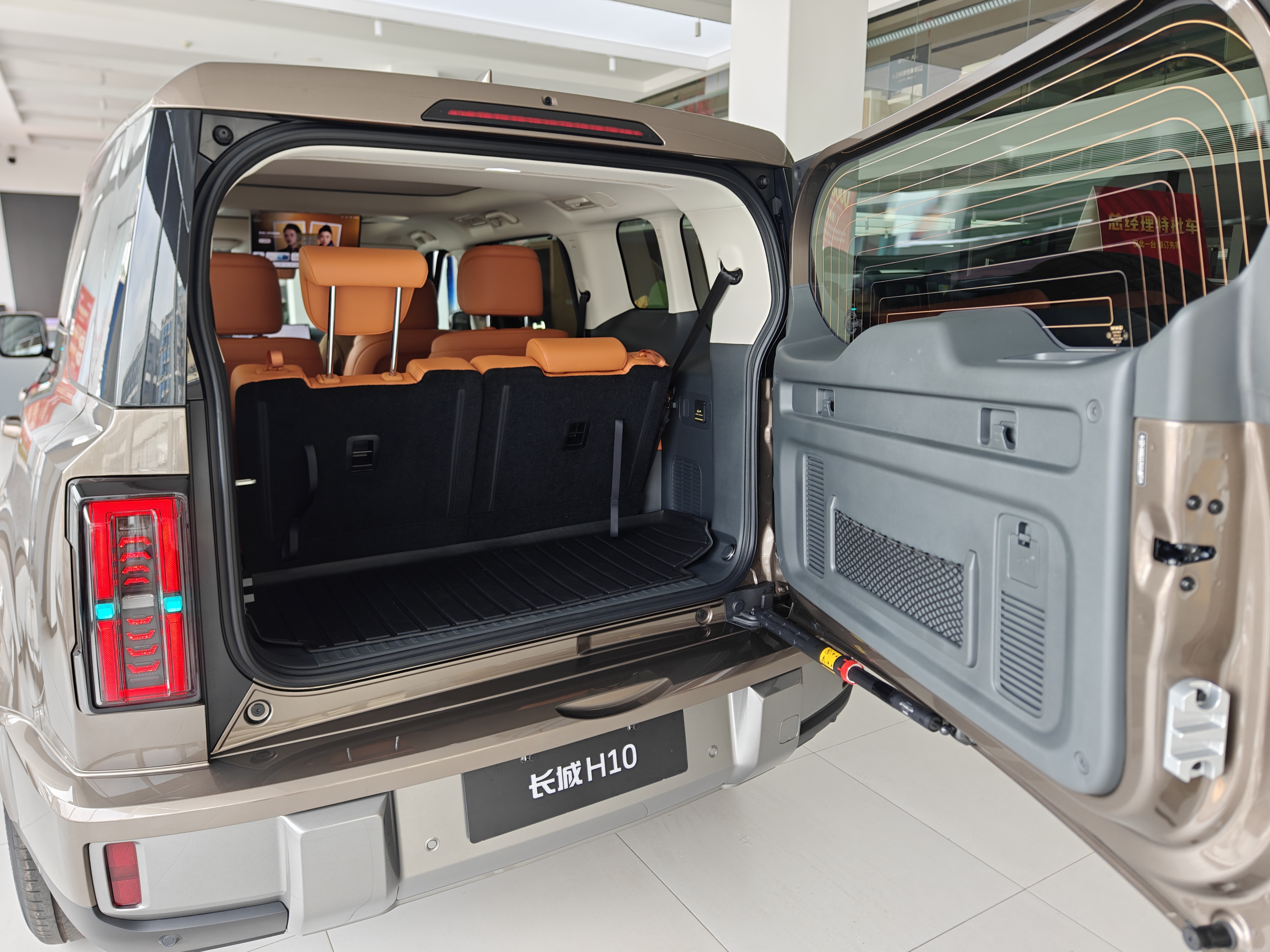
(Photo credit: Filmed by Dianchetong)
Its onboard Coffee OS 3 system delivers not only smooth interface animations but also a highly intelligent voice assistant. During our test, we issued a voice command containing three separate operations plus one follow-up conversational instruction, and the assistant recognized every command with pinpoint accuracy and executed them all as requested. The GWM H10 also comes with a 17.3-inch rear entertainment display for back-seat passengers, supporting movie playback and gaming.
Overall, the GWM H10 ranks among the top full-size SUVs that Dianchetong (ID: dianchetong233) has evaluated in person. If there is one shortcoming, it would be that it does not feature the 2.0T engine fitted to the all-new Tank 300. Given that the Tank 300 is a hardcore off-roader requiring stronger power output for extreme terrain, this powertrain difference is perfectly reasonable.
Our dealership visit took place on a Monday morning, a time when most people would normally be at work. Even so, the showroom drew a large number of visitors coming to view the GWM H10, mostly men in their 40s and 50s. Some arrived in groups of long-time acquaintances, and one father visited the store with his six- or seven-year-old son.
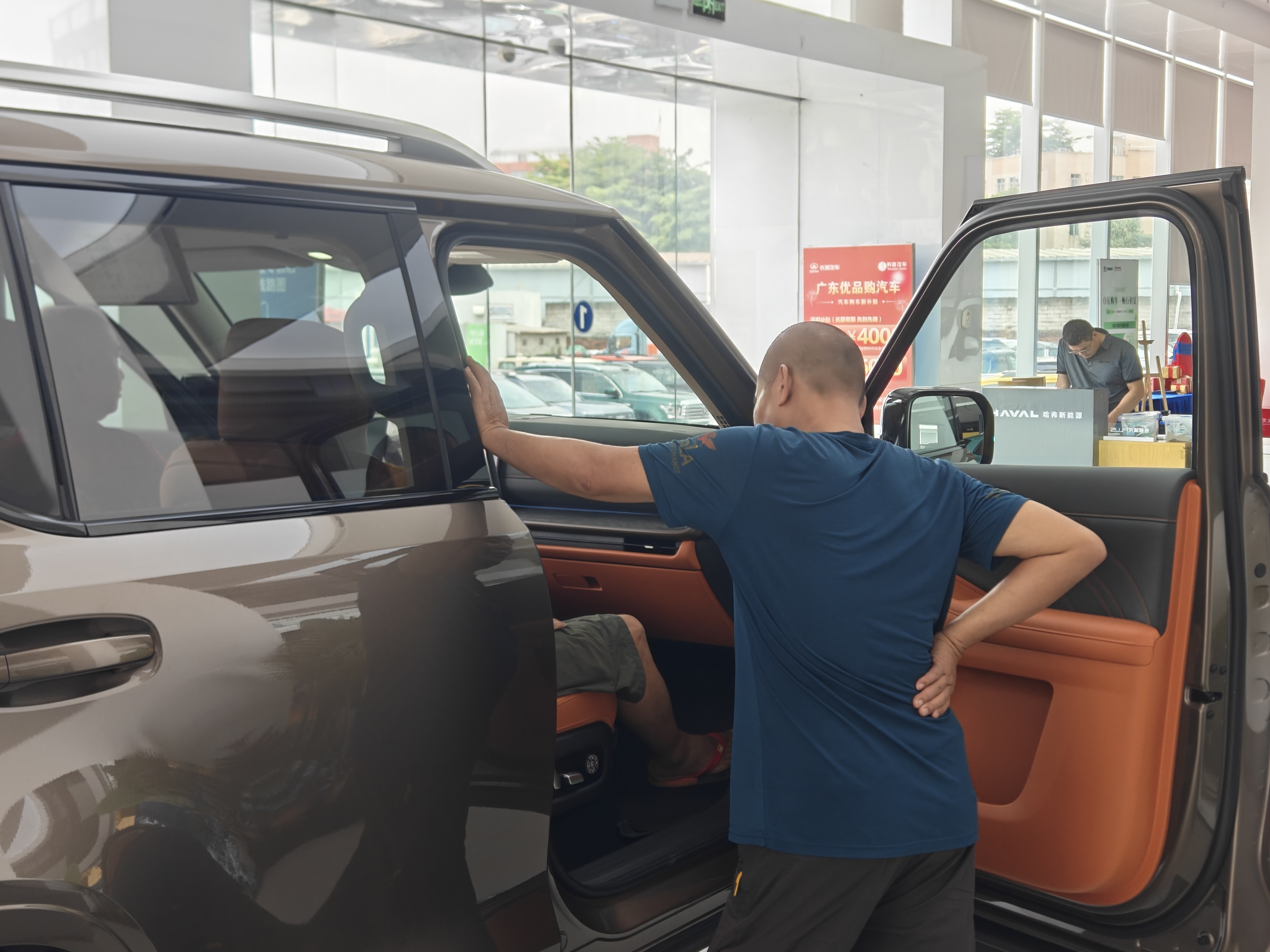
(Photo credit: Filmed by Dianchetong)
In the era of gasoline vehicles, when domestic automakers were overshadowed by joint-venture brands, Great Wall Motors (GWM) broke through against the odds. The Haval H6 claimed the top spot in SUV sales for nine consecutive years, driven by strong word of mouth and solid build quality.
Reliability and practicality have always been the hallmarks of GWM. The difference is that back when China’s economy was less developed, GWM’s sales came from high-quality, affordable models. Today, with Chinese consumers boasting far greater purchasing power, long-time GWM owners are willing to pay a premium for the higher-priced GWM H10.
A customer surnamed Wang told Dianchetong that he used to drive his Haval H6 to transport co-workers and construction materials. Years of hands-on use have given him full trust in GWM’s build quality. He is now looking to replace his car, and the launch of the GWM H10 came at just the right time. He came to check it out with a group of long-time friends, and they all love the vehicle’s boxy, rugged styling.
In the light adventure SUV era, GWM sets its sights on the Titanium 7
New energy and intelligent technologies have addressed the longstanding pain points of hardcore off-roaders — high fuel consumption, poor ride comfort and high ownership costs — turning what was once a niche market into one with mass appeal.
Data from the China Association of Automobile Manufacturers (CAAM) shows that China’s off-road vehicle market reached 223.5 billion yuan in 2025, growing by over 100% in the past five years. GWM remains the industry leader in the off-road segment, with the Tank 300 holding the number one sales position among off-road vehicles for six consecutive years.
However, automakers have also noticed that consumers caught up in work and daily life rarely have time to go off-roading in deserts or gobi terrain. What most people need is a "light adventure" vehicle with rugged off-road-inspired styling and high-power vehicle-to-load (V2L) capability, perfect for weekend camping trips and fishing excursions.
GWM is far from alone in this space. A steady stream of such models has hit the market in recent years from brands including BYD and Chery. Xiangjie Auto, a joint venture between Huawei and BAIC, is also set to launch its own light adventure SUV, the Xiangjie G9, in the second half of this year.
Positioned between urban SUVs and hardcore off-roaders, light adventure vehicles do not feature a body-on-frame chassis. They support light off-roading, boast lower fuel consumption than hardcore off-roaders, and deliver a more comfortable on-road ride.
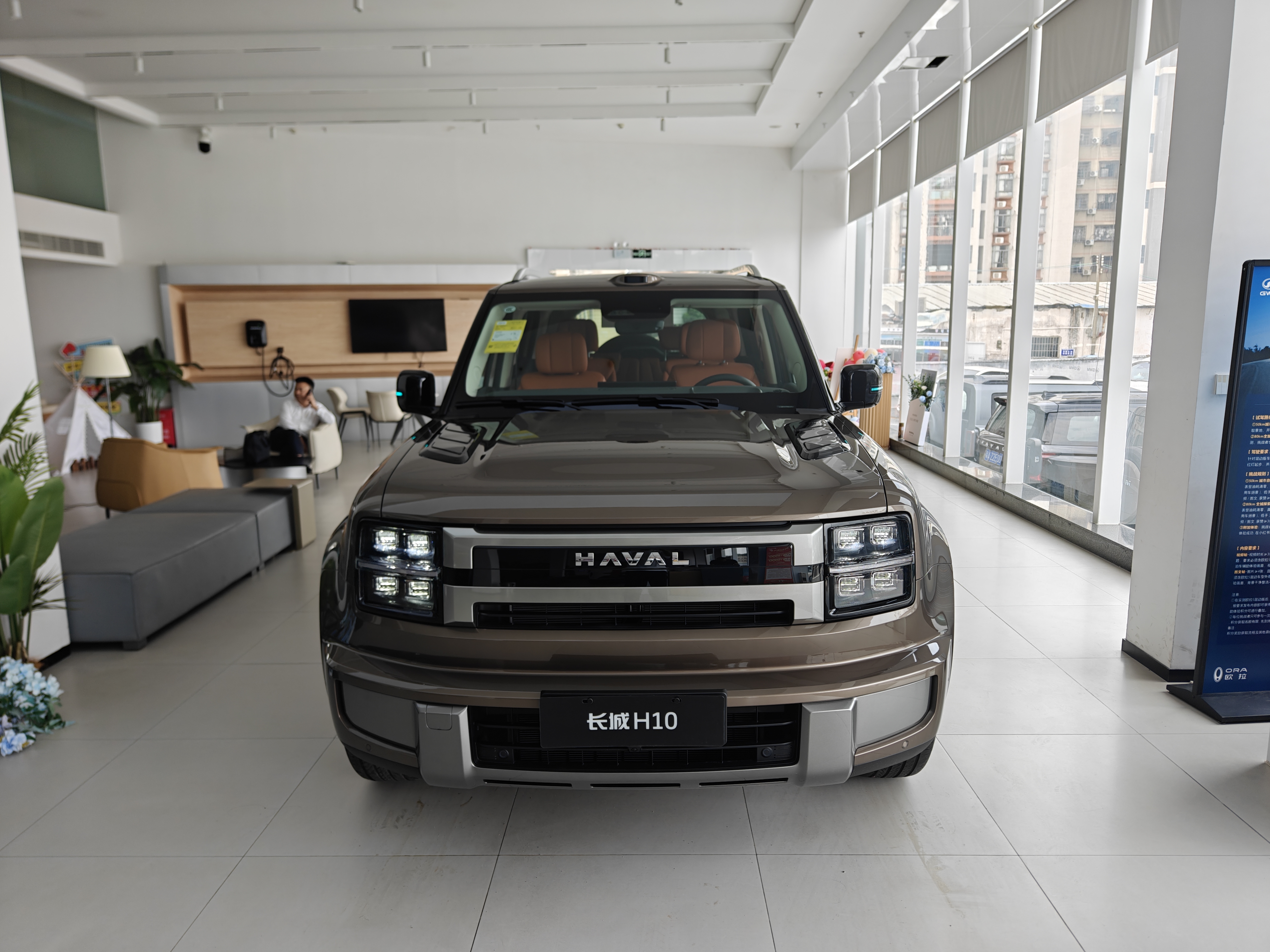
(Photo credit: Filmed by Dianchetong)
Undoubtedly, the BYD Fangchengbao Titanium 7 is the light adventure SUV with the strongest market presence and highest sales volume in China. As of July 20, its cumulative deliveries had exceeded 200,000 units. Fangchengbao officially marked the milestone via a Weibo post, hailing the model as the fastest boxy SUV to hit 200,000 units in sales.
Next to the Titanium 7, the GWM H10 is 300mm (139mm) longer in overall length with a 105mm longer wheelbase. It also offers an optional six-seat configuration, includes lidar as standard across all trims, and adds massage functionality for second-row seats on high-end variants. On every measurable front, the GWM H10 is no less competitive than the Fangchengbao Titanium 7.
In the view of Dianchetong (ID: dianchetong233), GWM’s simultaneous rollout of the all-new Tank 300 and the GWM H10 — completing its "hardcore off-roader + light adventure SUV" lineup in the 200,000-yuan price bracket — stands as a robust countermove against BYD.
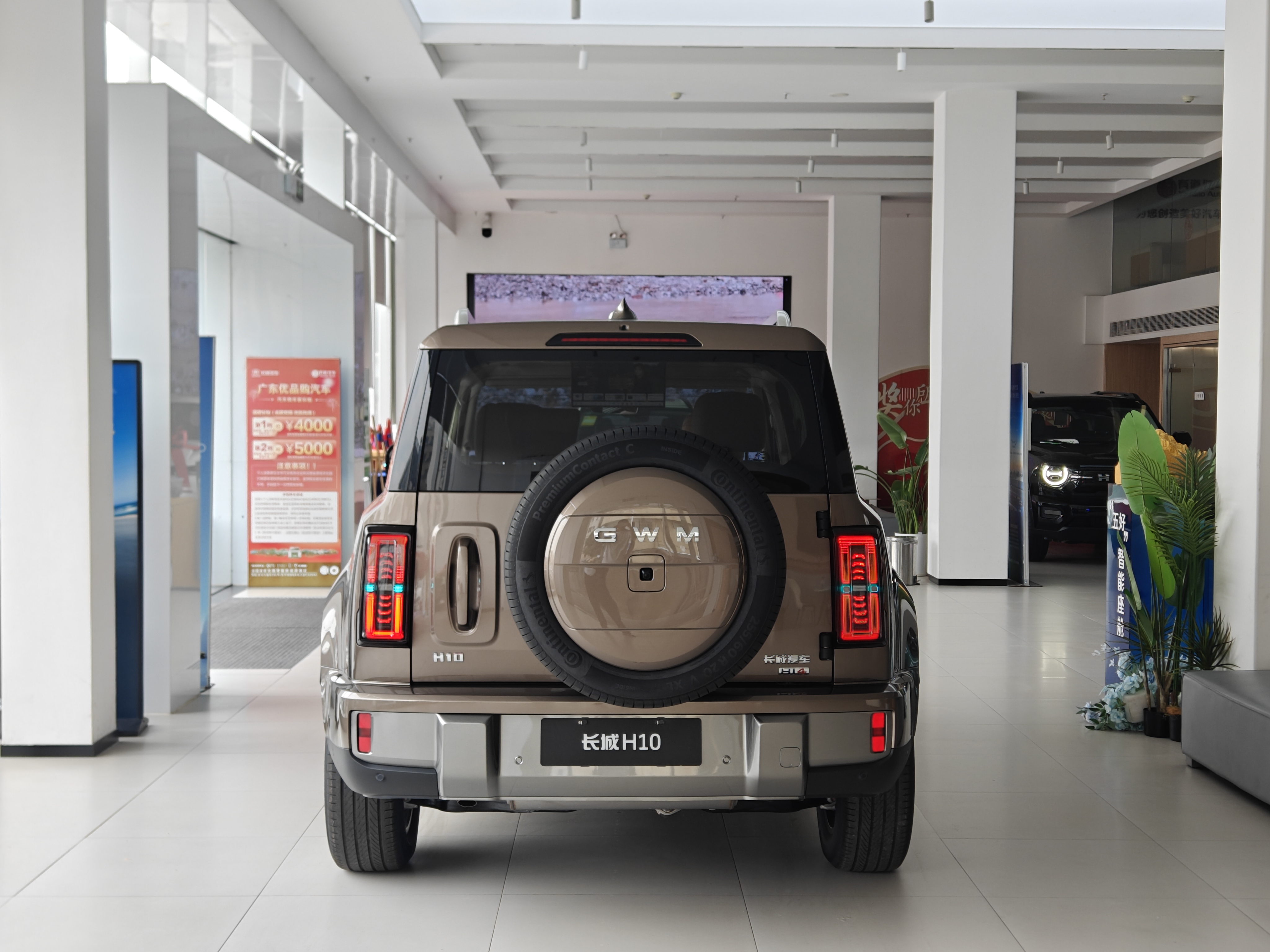
(Photograph source: Dianche Tong)
The all-new Tank 300 stays firmly positioned on the hardcore off-road track. Equipped with a body-on-frame chassis, Hi4-Z/T four-wheel-drive system and professional off-road hardware, it continues to lead the hardcore off-road segment. It caters to professional demands such as extreme cross-country driving and outdoor adventures, securing GWM’s fundamental foothold in professional off-road vehicles.
As the first boxy model built on the Guiyuan S Platform, the GWM H10 centers on urban commuting, family trips and light off-roading, targeting mainstream family buyers. Relying on the platform’s integrated ladder frame, it strikes a fine balance between on-road comfort and mild outdoor capability. Its long-wheelbase six-seat layout and standard lidar across all trims serve as core advantages differentiating it from rival Fangchengbao Titanium 7. The car fits perfectly the travel needs of big families with multiple children and long-distance camping, making it an ideal budget-friendly alternative to the Wey V9X.
The two models feature complementary positioning with no internal competition. The Tank 300 targets professional off-road enthusiasts, while the H10 focuses on family-oriented light adventure driving. Together they form a comprehensive product lineup covering everything from hardcore off-roading to daily family mobility. Competition in the light adventure SUV market has turned fierce. The Titanium 7 has amassed massive orders thanks to its early launch edge, yet GWM breaks through with long-standing brand reputation accumulated over years in the SUV industry.
GWM Brand Is the H10’s Biggest Competitive Edge
Some readers may notice the vehicle bears the name GWM H10 rather than Haval H10. This change stems from the rollout of GWM’s ONE GWM global strategy. Three sub-brands, Haval, Ora and GWM Poer, are consolidated under the unified GWM umbrella, sharing sales networks, marketing campaigns and after-sales services. For GWM, this strategy helps solidify brand value, unify corporate culture and cut expenses on marketing and dealership operations.
During Dianchetong’s (ID: dianchetong233) dealership visit, we spotted no Haval badging on the rear of the GWM H10. Only three traces of Haval branding remain: the HAVAL logo on the front fascia, the HAVAL emblem on wheel center caps, and the voice command wake word still set as “Hi, Haval”. It is clear that the GWM H10 has not yet fully parted ways with Haval branding.
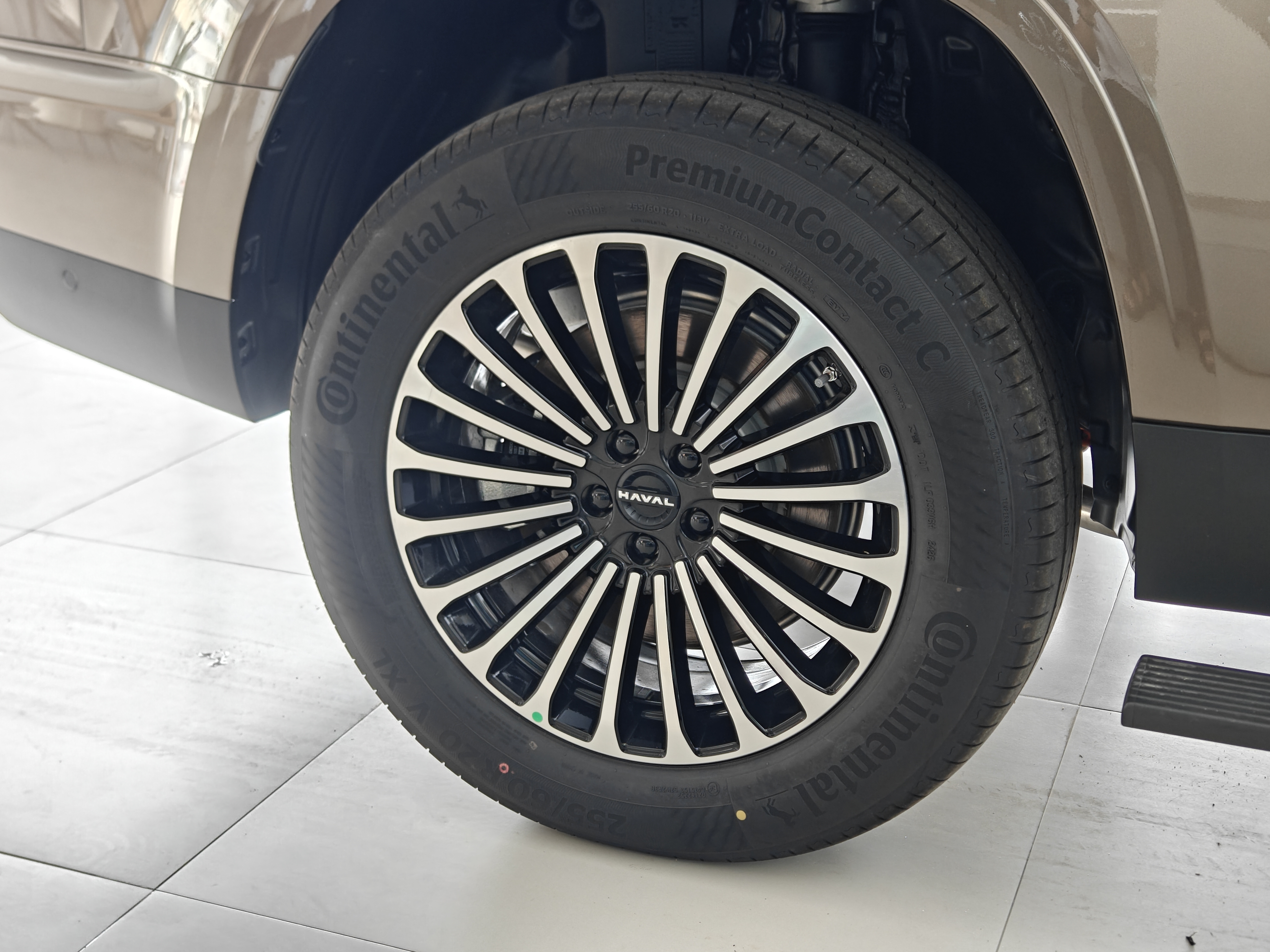
(Photo credit: Filmed by Dianchetong)
Judging from GWM’s overall layout, the core parent brand is tasked with covering markets ranging from entry-level to mid-to-high-end, while the premium segment and professional off-road segment are reserved for Wey and Tank respectively.
The genuine core strengths of the GWM H10 lie not in hardware add-ons such as the six-seat configuration and lidar, but in the parent brand value brought by the unified ONE GWM branding strategy. This is the fundamental confidence that allows it to compete head-on with the sales champion Fangchengbao Titanium 7. Dropping the Haval naming scheme and incorporating the model into GWM’s parent brand system is far more than a simple rebranding; it marks a pivotal step for GWM to elevate its brand positioning, consolidate resources and pursue global expansion.
In the past, the separate operation of Haval, Ora and GWM Poer led to scattered marketing efforts, internal channel conflicts and slow accumulation of brand equity. The current brand consolidation enables the H10 to leverage decades of public praise and reliable quality credibility built by the GWM parent brand. It accurately appeals to middle-aged consumers who prioritize practicality and dependability, creating distinct competitive advantages that set GWM apart from new energy startups and BYD.
Furthermore, the unified brand ecosystem achieves full integration across research and development, supply chains and after-sales service networks, significantly cutting vehicle manufacturing and operational costs while making car purchasing, maintenance and repairs more convenient and hassle-free for customers.
Internally, the GWM H10 and all-new Tank 300 form a product matrix covering light adventure SUVs and hardcore off-road vehicles, filling the market gap in the 200,000-yuan price bracket. Externally, the unified global GWM brand identity supports both domestic brand upgrading and overseas global expansion. Freed from the constraints of the Haval sub-brand label, the GWM H10 is no longer limited to an affordable family-car positioning. Instead, it spearheads GWM’s push for higher market positioning in mainstream segments, with brand empowerment delivering greater value than hardware-only competition.
The WAIC2026, themed “Intelligent Partners, Co-Creating the Future,” is currently underway!
The AI narrative has shifted—from stacking model parameters to deploying agent-driven productivity. Heterogeneous collaboration and photonic computing continue pushing computational limits upward; embodied intelligence accelerates real-world application, bringing physical AI to life as robots enter homes and factories.
The LeiTech WAIC reporting team has arrived in Shanghai to capture the annual pinnacle of AI industrialization—stay tuned!