 雷科技
雷科技





The 9th World Artificial Intelligence Conference (WAIC) officially opened at the Shanghai Expo Center on July 17. As an annual grand event for the AI industry, this year’s conference still gathered domestic and international large model enterprises, AI application developers, hardware manufacturers and robotics firms. Dianchetong (dianchetong233), a media outlet under LeiTech (ID: leitech), dispatched a reporting team to Shanghai for on-site coverage.
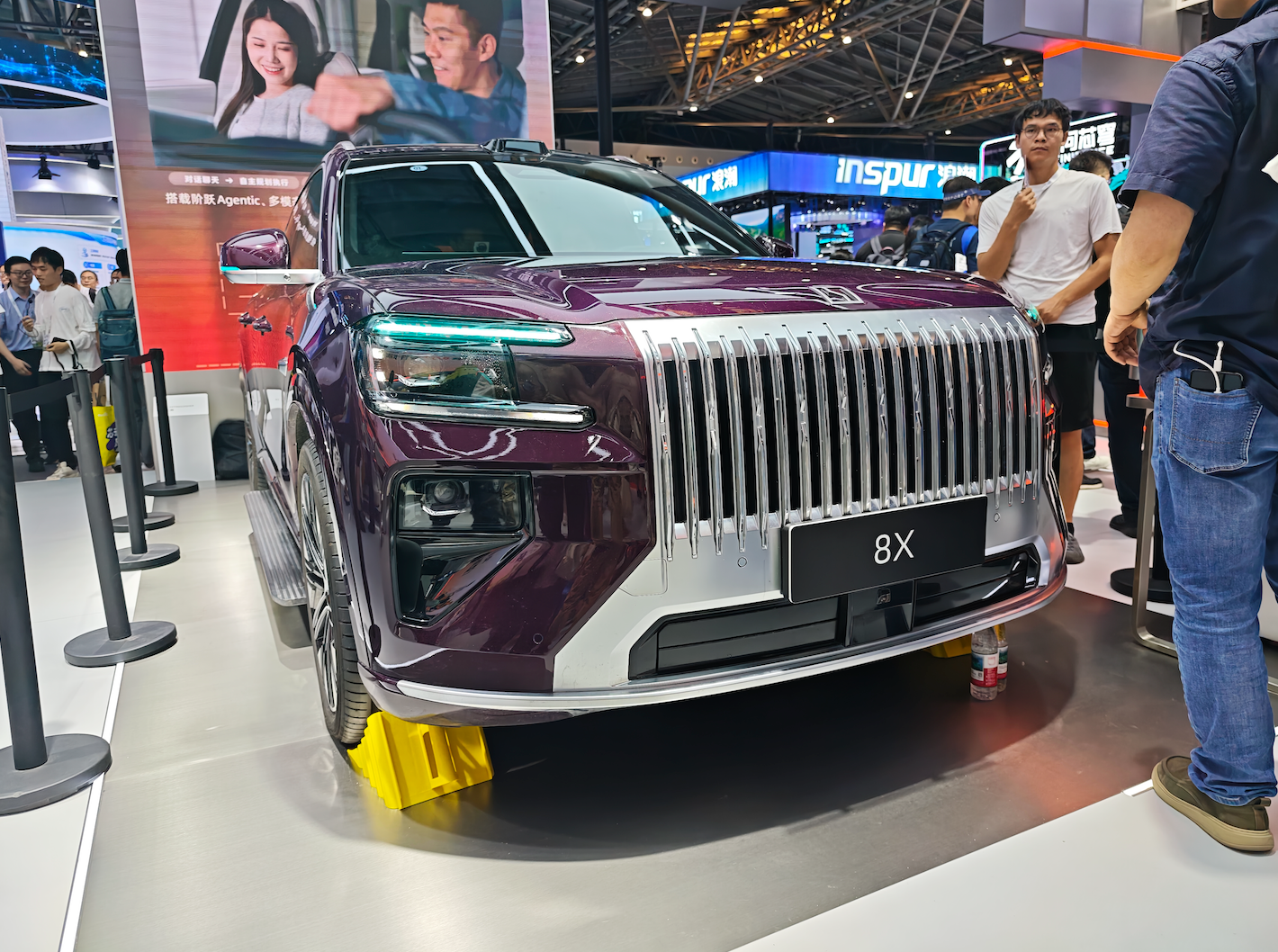
Since the exhibition has relatively limited relevance to automakers, participating automotive enterprises are mostly suppliers of intelligent driving solutions. Geely Auto, a leading domestic car brand, did not set up an independent exhibition booth. Instead, a ZEEKR 8X display vehicle was showcased at the booth of its partner StepStar.
(Image source: DiancheTong)
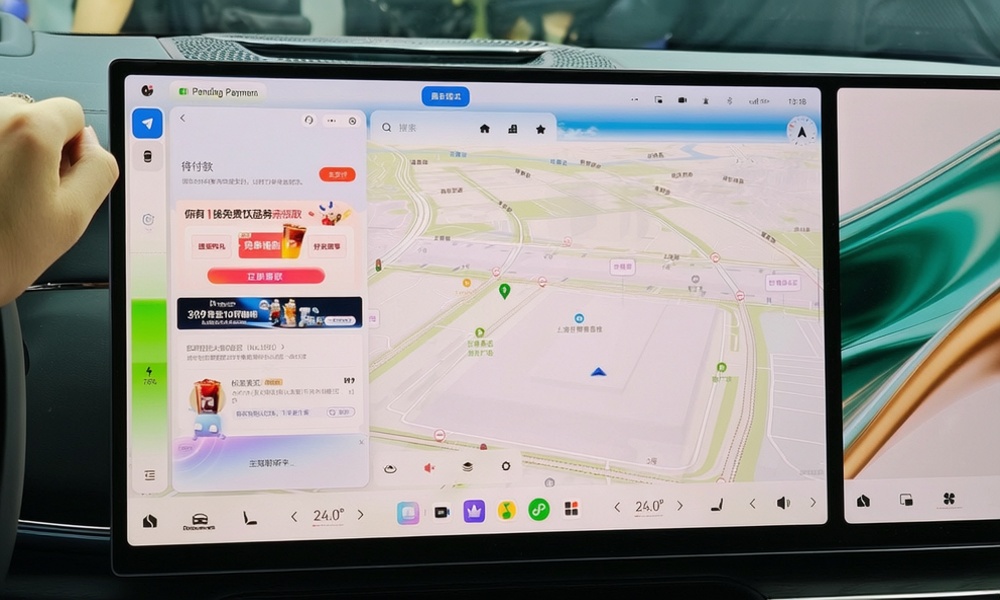
The biggest highlight of this vehicle is the Super Eva intelligent agent co-developed by Geely and StepStar. In the Agent plus Lobster era, cars are required to do more than merely understand user commands and adjust onboard hardware and software; they also need to proactively complete tasks.
Built on StepStar’s newly released Step layered end-cloud collaborative large model matrix, Super Eva boasts stronger comprehension and execution capabilities than conventional large models. Supported by robust computing power of Step Edge on-device chips, Eva can learn and adapt to user habits. It can activate driver assistance functions and connect with full-scenario ecosystems to enable operations such as restaurant reservations, coffee orders and movie ticket purchases.
At WAIC, an exhibition centered on AI technologies, Geely chose to appear as an ecosystem partner, which itself represents a strategic posture. Rather than chasing visitor traffic via an independent vehicle booth, Geely focuses on automotive intelligent agents, the core competitive edge of future automobiles.
With Super Eva equipped on ZEEKR 8X, Geely signals to the whole industry that in the age of AI-native vehicles, the nerve center of automotive intelligence has shifted from cabin chips to thinking, actionable intelligent agents.
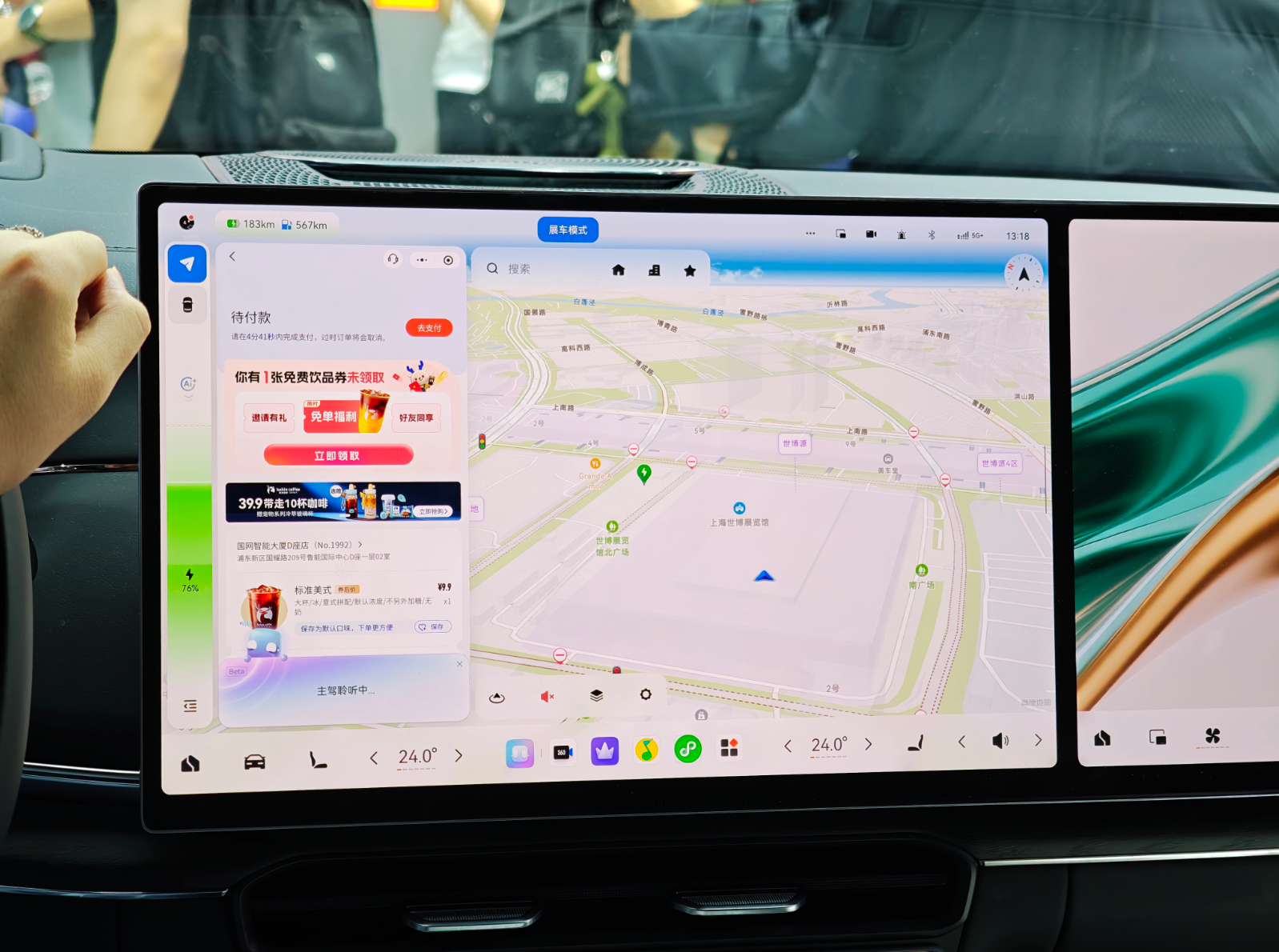
(Image source: DiancheTong)
The Super Eva intelligent agent showcased this time is no longer an early-stage concept but a mature solution verified for mass production. Built upon StepStar’s Step 3.5 Flash and Step Edge on-device models, paired with Geely’s WAM World Action Model, it forms a complete closed loop of "thinking-planning-execution-feedback".
Eva can independently break down tasks, plan routes, select stores, activate intelligent driving and finish parking without requiring repeated user confirmation throughout the whole process. This long-chain, highly reliable autonomous execution capability marks its core difference from traditional voice assistants. It is no longer merely an obedient tool, but a proactive partner capable of solving problems on its own initiative.
What merits extra attention is its underlying logic of cabin-driving integration. Deeply integrated with Qianli Technology’s G-ASD intelligent driving system, Super Eva enables the paradigm of "voice commands equal vehicle control, thinking equal driving actions". Users can activate advanced intelligent driving features directly via conversation, and the vehicle automatically carries out functions including car following, lane changing and obstacle avoidance according to vocal intentions.
This seamless connection between AI decision-making and physical actuation signals that in-vehicle AI has officially advanced from virtual interaction to a new phase of physical AI.
For Geely, the debut of Super Eva is more than just a technical showcase; it constitutes a pivotal move in its full-domain AI strategy. By collaborating with partners such as StepStar and Qianli Technology, Geely is rapidly establishing full-stack capabilities covering models, complete vehicles and intelligent driving, delivering a unified intelligent agent foundation for its brands including Galaxy, Lynk & Co and ZEEKR. Amid the wave of AI reshaping the automotive industry, Geely is evolving from a conventional automaker into a trailblazer that defines the smart mobility ecosystem.
The WAIC2026, themed “Intelligent Partners, Co-Creating the Future,” is now underway!
The AI narrative has shifted—from stacking model parameters toward tangible Agent-driven productivity. Heterogeneous collaboration and photonic computing continue to push computational ceilings higher. Embodied intelligence accelerates real-world deployment: robots are entering homes and factories, turning physical AI into reality.
The LeiTech WAIC reporting team has arrived in Shanghai to capture this year’s pinnacle moment of AI industrialization—stay tuned!