 雷科技
雷科技





The 9th World Artificial Intelligence Conference (WAIC) officially kicked off at the Shanghai Expo Center on July 17. As an annual grand event for the AI industry, this year’s conference brought together domestic and international large model enterprises, AI application developers, hardware manufacturers and robotics companies. Leikeji AGI (leikejiagi), the AI-focused new media under Leitech (ID: leitech), dispatched a reporting team to Shanghai for on-site coverage.
Zhihu took part in the exhibition in an in-depth manner this time, with booths set up at both the Pudong and Xuhui exhibition halls. Meanwhile, it hosted the 2nd offline Tech Club Forum themed “How Much Longer Will It Take to Cover the Last Mile of AI”. Scholars, content creators and general developers were invited to discuss thoroughly various practical conflicts in AI implementation. Leitech was also invited to attend the forum.
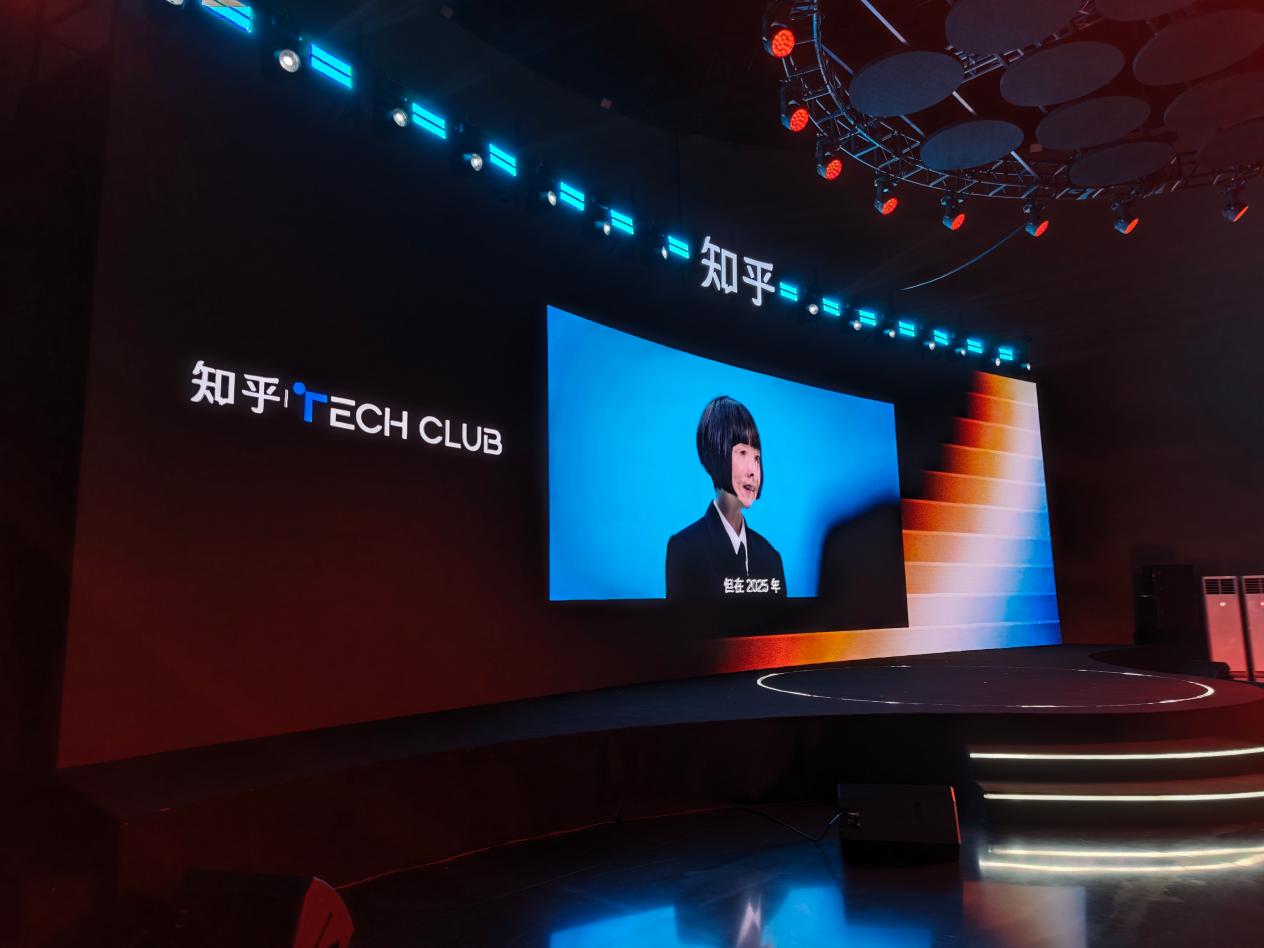
Image source: LeiTech
No empty rhetoric, real AI struggles in all sectors
Throughout the forum, speakers from all walks of life drew on their personal experiences to lay bare the genuine bottlenecks holding back AI implementation.
Professor Li Xinke from City University of Hong Kong cited experiments to illustrate that even when fed massive volumes of data, large language models struggle to adapt to ever-changing real-world scenarios. Dynamic real-scene generation and autonomous environmental adaptation remain tough weaknesses that AI has yet to overcome. Yi Peng, a hardware developer, shared an obvious trend: fewer users rely solely on mobile phone screens for AI access, as large-screen interaction gains popularity. While AI helps look up information and handle repetitive tasks, machines cannot replace humans when it comes to decision-making and in-depth thinking.
Science fiction writer Chen Qiufan addressed the hotly debated topic of AI creation. Nowadays, anyone can generate content with AI, yet resistance to AI creation stems fundamentally from the failure to recognize creators’ labor value and a lack of trust between humans and artificial intelligence. The final step of AI adoption essentially lies in redefining reasonable boundaries between humans and machines.
Eighteen-year-old high school student developer Ma Kai, known online as Qingjiang, develops AI applications while preparing for the college entrance examination. He noted that AI drastically lowers the barrier for beginners to get started. Nevertheless, polishing a complete product demands aesthetics, trade-offs and judgment — human cognitive abilities that AI cannot provide. Another developer, Haiming Dev, talked about solo entrepreneurship. AI tools enable low-cost trial and error, yet all operational burdens and tough choices fall entirely on the individual. These tools ease development work but add to humans’ decision-making stress.
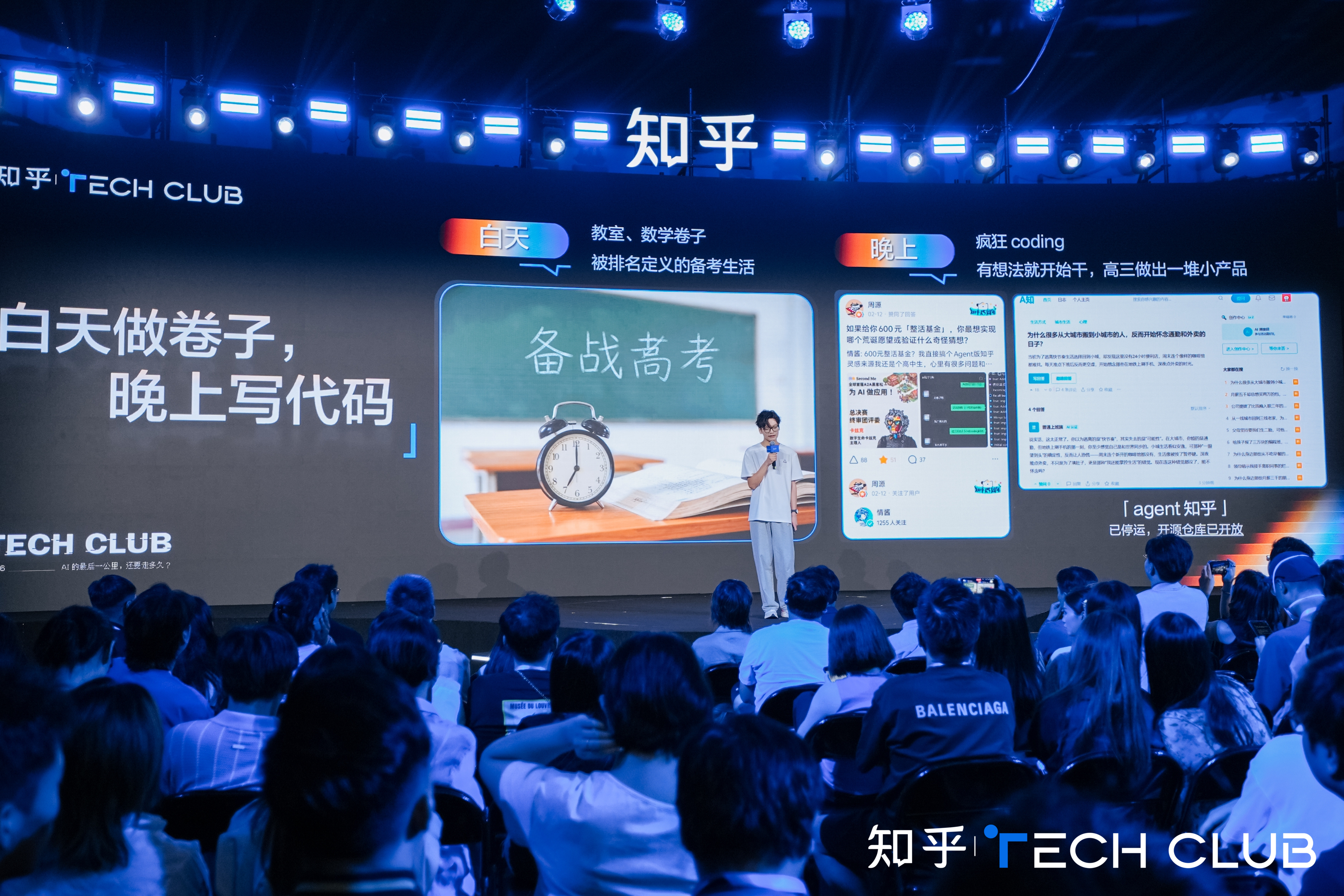
The psychological perspective offers another line of thinking. Jian Lili, founder of Jiandanxinli, stated that the core of psychological counseling lies in an inclusive and accepting bond between people. AI never forgets any details, yet this "flawless memory" cannot compare to the warm imperfection of human counselors. Emotional healing cannot be achieved by machines. Liu Aiqi, a Zhihu creator, brought up a worrying trend: more than 60 percent of students use AI to finish homework. AI safety cannot rely merely on voluntary corporate regulation; a comprehensive proactive protection system must be established.
A lively debate contest was also held at the forum. Twelve veteran Zhihu contributors were split into two teams, debating two relatable daily topics: "Should professionals focus on in-depth expertise or expand interdisciplinary capabilities in the workplace?" and "In the AI era, is identifying problems more important than verifying answers?" Views clashed fiercely on site.
Everyone’s a creator: Zhihu presents its full community AI ecosystem results
Zhihu set up exhibitions in two exhibition halls this time with entirely different focuses, leading to markedly different visiting experiences.
The booth at the Pudong Expo Hall centers on the theme "Ordinary people can build AI", named the AI Builder Booth. It features interactive activities including a creator map and customized name badges. Coupled with its IP character Liukanshan, the booth drew numerous visitors for check-ins. Zhihu also unveiled its new function AI Kanshan on site, which is being rolled out gradually on its mobile app to upgrade intelligent interaction within the community.
In addition, Zhihu assembled a visiting group consisting of 30 veteran creators from diverse fields. They toured various booths and broke down all kinds of AI products in plain language. An "AI Academic Bar" was also set up for young developers to communicate freely, discussing how to make good use of AI and develop unique creative thinking.
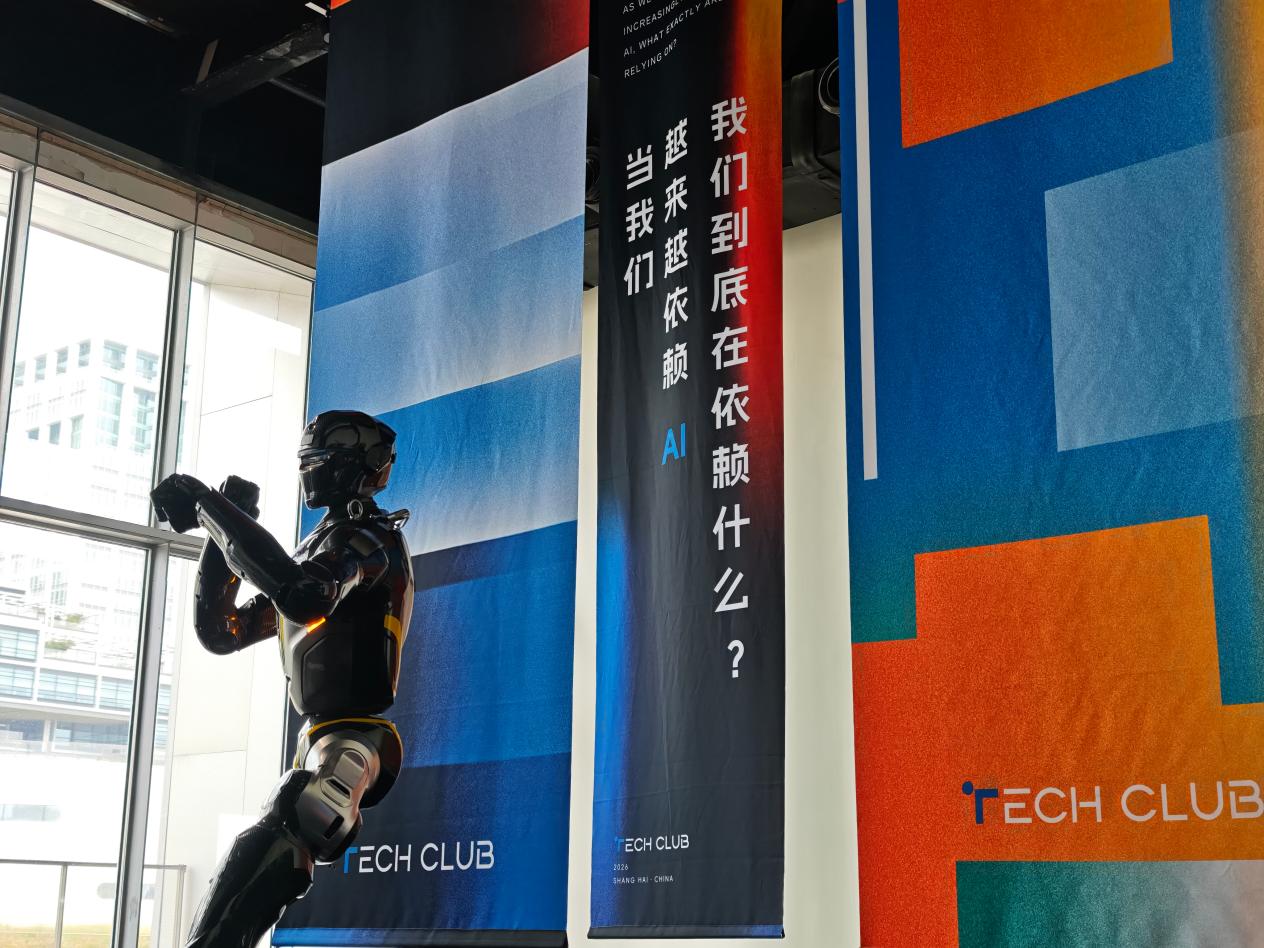
Image source: LeiTech
The exhibition area at West Bund Xuhui Hall serves as an "AI Implementation Quality Inspection Station", showcasing various lightweight applications developed by ordinary developers on the Zhihu platform. Highlights include Cyber Liukanshan, an e-paper desktop digital pet, Colore, an AI-powered outfit recommendation tool, and a check-in mini-program designed to ease emotional internal friction, alongside an array of other daily-oriented gadgets on full display.
Besides these, Zhihu’s self-developed data training tool SoTALab and SmallWOD, a social platform tailored for entrepreneurs, were exhibited simultaneously. Partner brands such as Nubia also brought supporting AI hardware. Altogether, the exhibits fully demonstrate Zhihu’s complete AI ecosystem spanning underlying data development all the way to end-user applications.
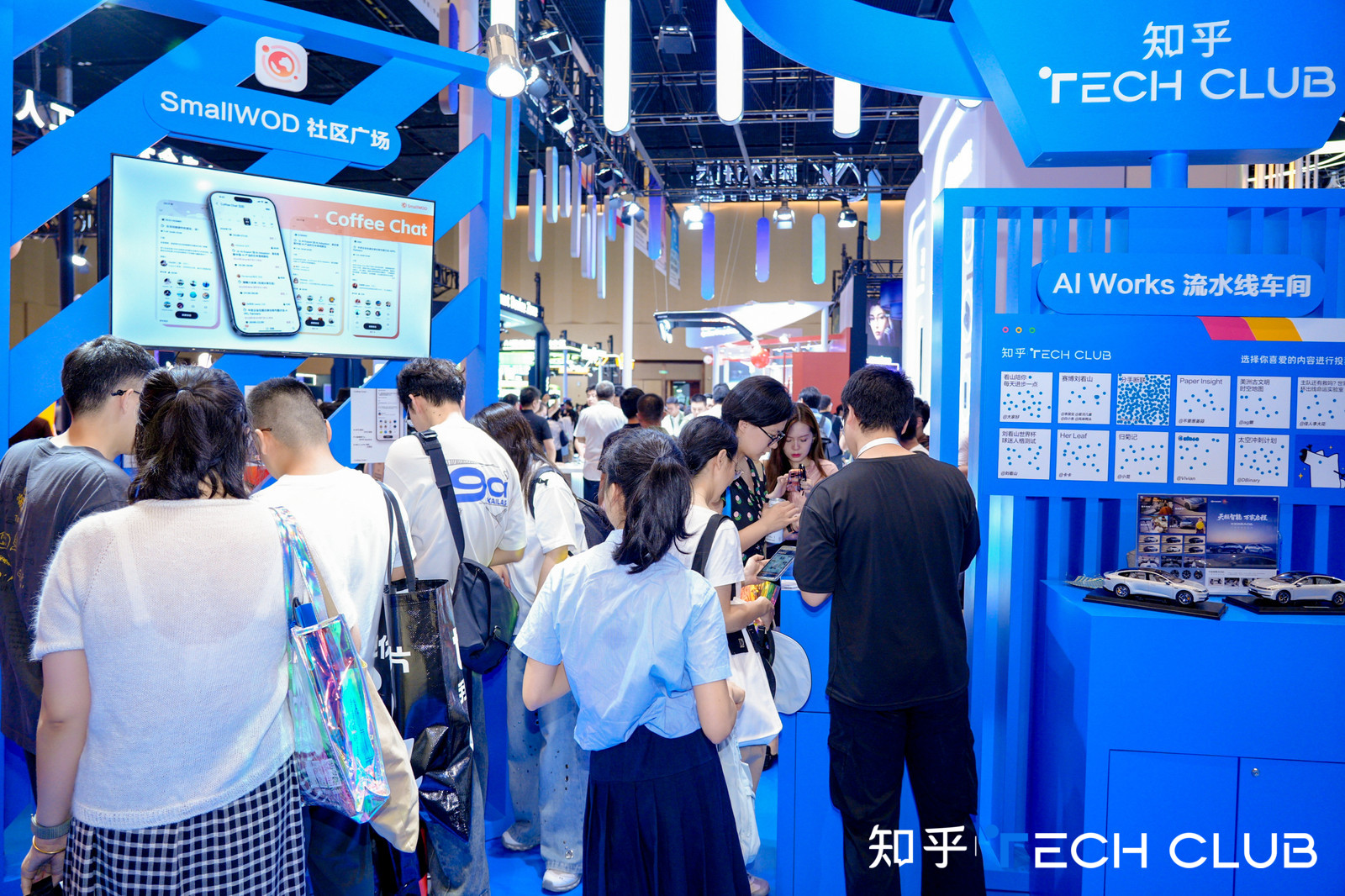
Image source: Zhihu
Throughout this year, Zhihu has been refining its underlying tools for developers and launched an exclusive open data platform. Drawing on over a decade of accumulated professional Q&A content, the platform consolidates diverse authoritative information to supply developers with standardized, reliable training corpus. It addresses common struggles of independent developers: insufficient data and lack of exposure channels after project completion, forming a full workflow covering data acquisition, product development and public showcase.
Building on this platform, Zhihu hosted its first hackathon, attracting more than 200 development teams that rolled out over 100 innovative AI projects. Meanwhile, the AI Works project square went online to offer ordinary developers channels to display and promote their creations. Free from reliance on major tech companies, individual creators are able to turn their AI concepts into tangible products.
A gathering place for ordinary people to discuss and practice AI
Zhihu currently boasts more than 20 million AI enthusiasts and industry practitioners, with over 50 million AI-related discussions accumulated on the platform whose total views stand at nearly 100 billion. Industry veterans, students and regular office workers alike can share their genuine experiences of AI usage and development here.
From daily online exchanges and in-depth offline forum dialogues to tangible product displays at exhibitions, Zhihu has consistently centered on one core question: how AI can be truly integrated into real life. The platform holds the firm belief that AI is not a tool meant to replace humans. Instead, it helps people cut down repetitive work so we can devote more energy to thinking, aesthetics and original creation.
Going forward, Zhihu will keep optimizing supporting tools for developers and building venues for industry communication. Its goal is to pull AI out of exhibition halls and labs, bring it into people’s daily lives, and ultimately complete the last mile of AI implementation.
The WAIC2026, themed “Intelligent Partners, Co-Creating the Future,” is underway!
The AI narrative is shifting—from stacking model parameters toward deploying agent-based productivity tools; heterogeneous computing and photonic computing continuously push computational limits; embodied intelligence accelerates real-world applications, bringing physical AI to life as robots enter homes and factories.
The LeiTech WAIC reporting team has arrived in Shanghai to capture this year’s pinnacle moment of AI industrialization—stay tuned!