 雷科技
雷科技





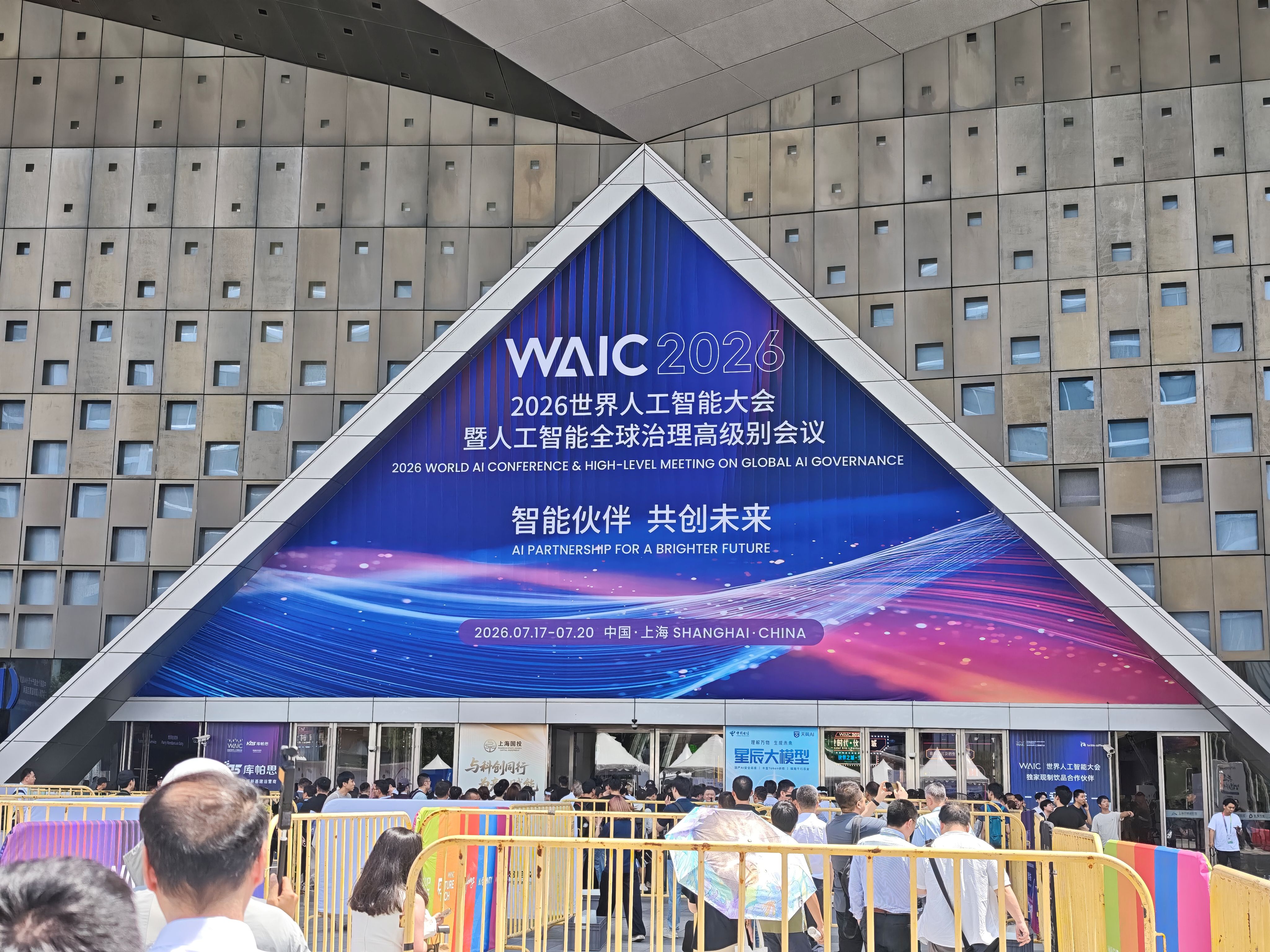
Beneath the bright sunshine of Shanghai, the World Artificial Intelligence Conference 2026 (WAIC 2026) has entered its bustling second day.
This year’s event spans four venues across three key locations—the Expo Exhibition Zone, Zhangjiang and West Bund—attracting more than 1,100 exhibitors showcasing an extensive lineup of new hardware products and cutting-edge technologies. Leitech has dispatched a reporting team led by senior editor Chongjia to deliver frontline, on-the-ground coverage.
(Image source: LeiTech)
Across the exhibition floor, robots stole the spotlight: attendees thronged three layers deep to watch robots walk, practice martial arts and serve coffee. Even so, our reporting team found themselves lingering over several unassuming-looking smartphones.
nubia has integrated the Doubao Mobile Assistant into its new NaviX Ultra handset; StepFirst Technology brought its STEPX Neo to WAIC for the first time; Honor showcased its Robot Phone, which can autonomously swivel its camera, track human faces and follow users for video shooting. Outside the exhibition halls, OPPO Breeno has connected with Alipay’s Abao AI assistant, while rumors circulate that WeChat is collaborating with multiple phone brands on comparable integrations.
Watching AI assistants run tasks autonomously on mobile screens, it dawned on me: smartphone vendors are no longer content to treat AI as a mere auxiliary tool.
They aim to position AI Agents as the core driving force of next-generation smartphones.
AI Agents Emerge as the Defining Trend for AI Smartphones
Over the past two years, AI-powered smartphones have essentially followed a "smartphone plus add-on AI" model.
Features remain siloed: photo albums handle image retouching, voice recorders generate meeting summaries, and note-taking apps manage content creation, with strictly divided functions. The downside is that standalone AI apps such as Doubao and Qwen can easily replicate these capabilities. The copywriting assistants brands spend half a year developing often end up being outperformed by third-party applications downloaded by users.
More critically, these features have failed to reshape fundamental smartphone usage habits. AI can chat casually or draft travel itineraries, but users still must manually complete tedious work like booking tickets, reserving hotels and filling out forms.
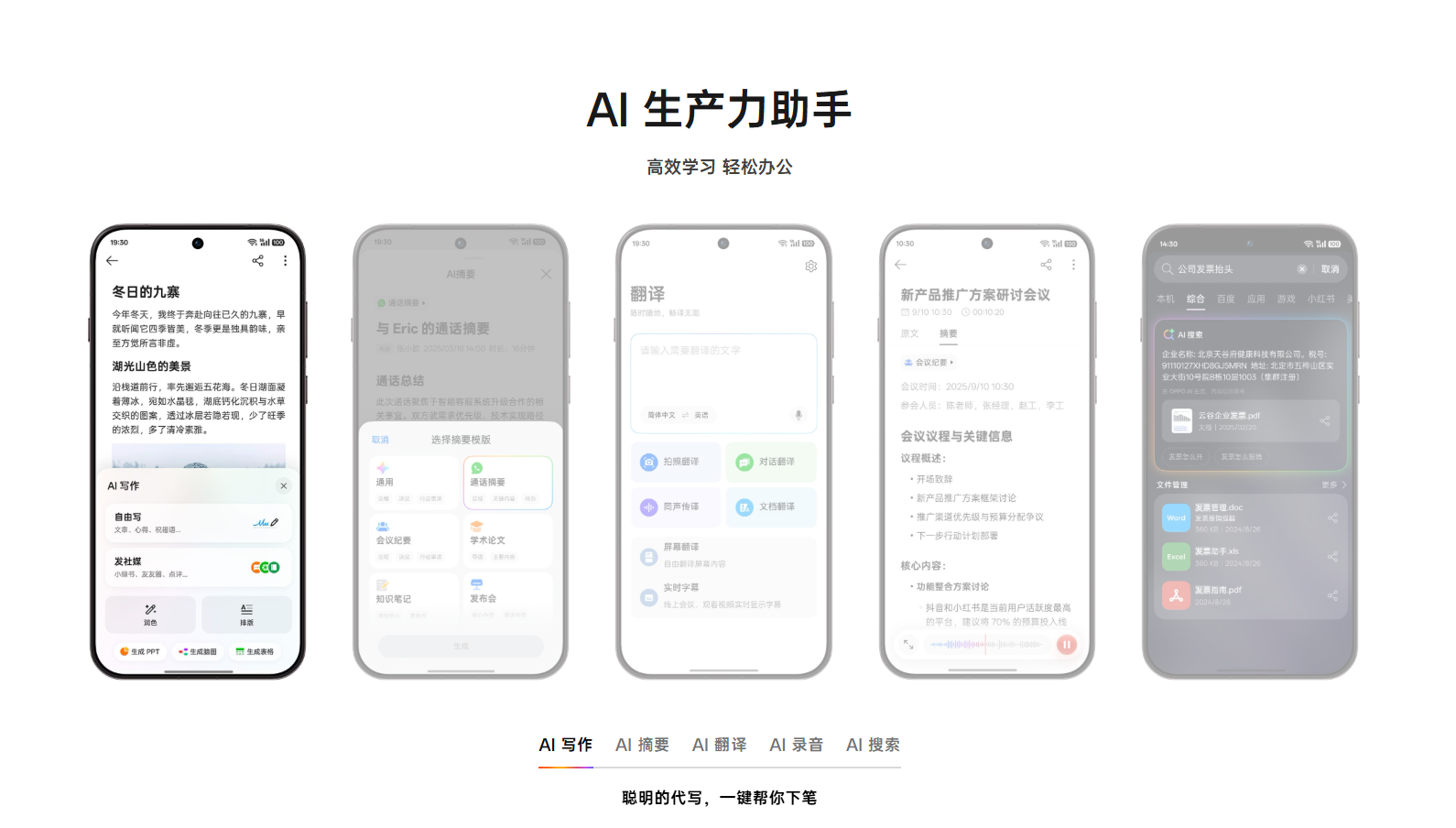
(Image source: OPPO)
Manufacturers have long hoped AI could automate these chores, yet early constraints held back progress: on-device models lacked stable task planning and tool-calling capabilities, and sending requests containing private user data to cloud servers raised severe security risks. As a result, brands had to put full automation on hold.
Today, seven major on-device generative AI services for smartphones have completed official filing: Apple Intelligence, Huawei Celia, OPPO AndesGPT, vivo BlueHeart, Xiaomi HyperOS AI, Samsung Galaxy AI, and the nubia customized large model built around Doubao. On-device mobile AI has transitioned from conference-room concepts to compliant, commercial-ready technology.
With regulatory approval secured, brands are now competing fiercely on Agent functionality.
This shift is epitomized by the nubia NaviX Ultra (the second-generation Doubao phone), jointly developed by nubia and Doubao and marketed as the world’s first Agent-driven smartphone.
Unlike its predecessor, the experimental M153, the new NaviX Ultra adopts a minimalist design language, available in four rear panel hues: black, pink, silver and blue, all branded with a lowercase nubia logo. A dedicated orange physical AI shortcut key sits on the right edge. All color variants except the blue model feature body-matched frames and camera modules, resulting in a markedly more polished aesthetic.
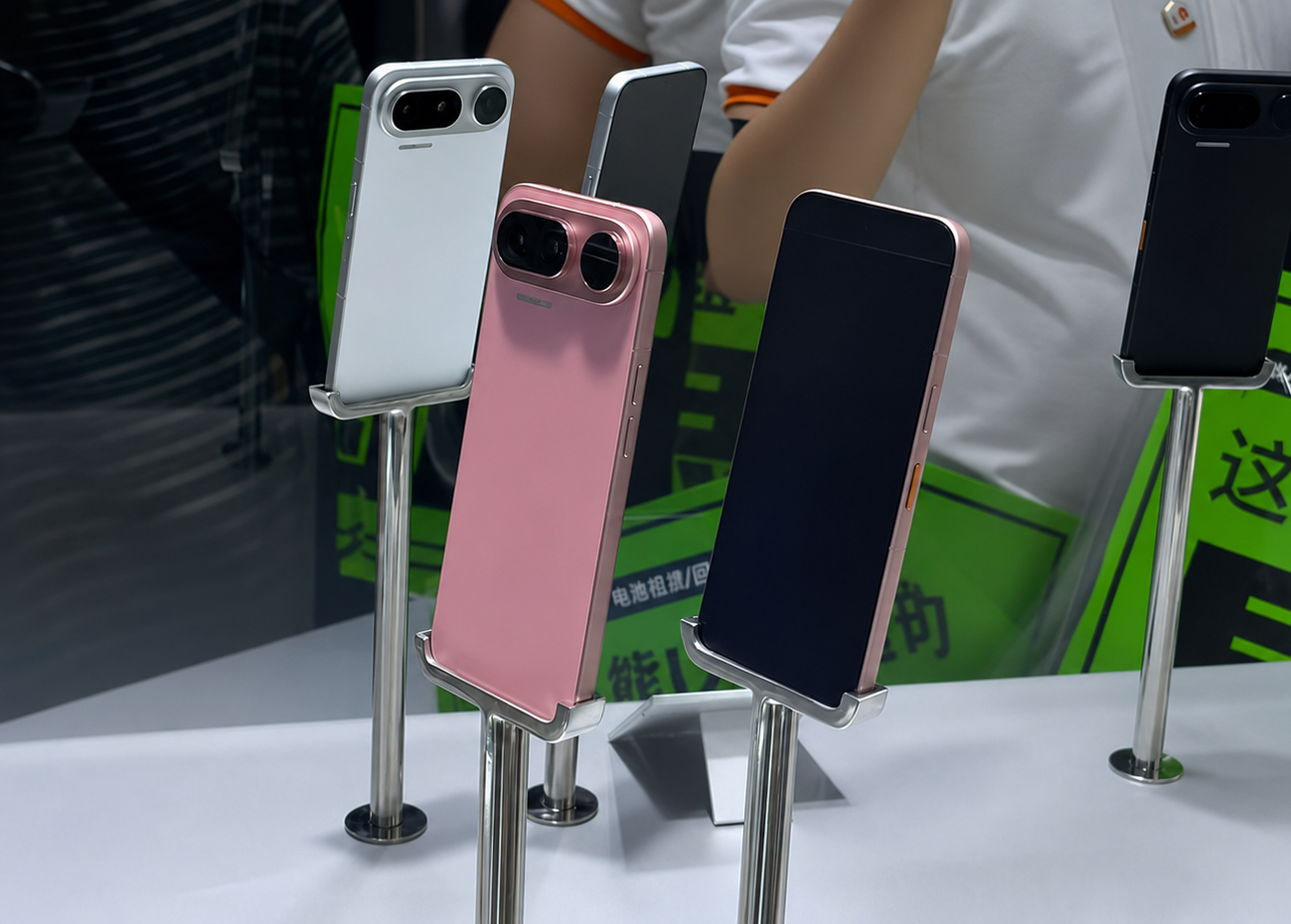
(Image source: LeiTech)
Its core selling point is predictably the Doubao Mobile Assistant.
The nubia M153 technical preview launched last year already demonstrated how an Agent could analyze screen content, simulate taps and execute cross-app operations. However, the M153 functioned primarily as an engineering proof-of-concept, with no advance teasers or official launch event; its forward-thinking design even sparked widespread online debate.
This year, DouBao and Nubia are finally commercializing this capability, shifting focus from “Can AI operate the phone?” to “Can it reliably and consistently complete tasks on behalf of users over time?”
As Ni Fei, President of nubia, noted: rather than stacking more AI features, this new Agent smartphone prioritizes proactive task fulfillment aligned with user needs. It reduces repetitive app-switching and automates many manual phone operations.
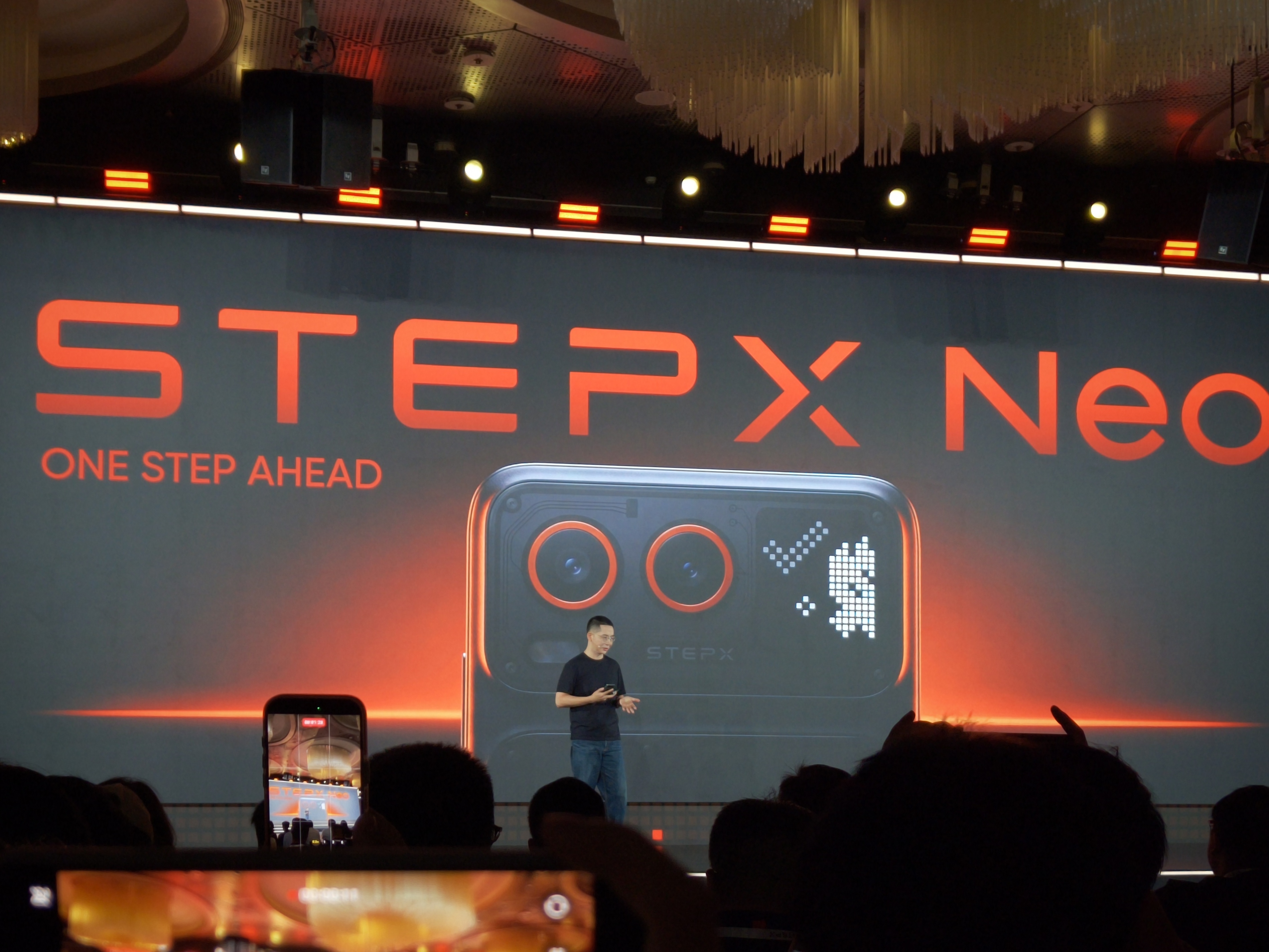
StepFirst Technology’s STEPX Neo follows an identical development philosophy.
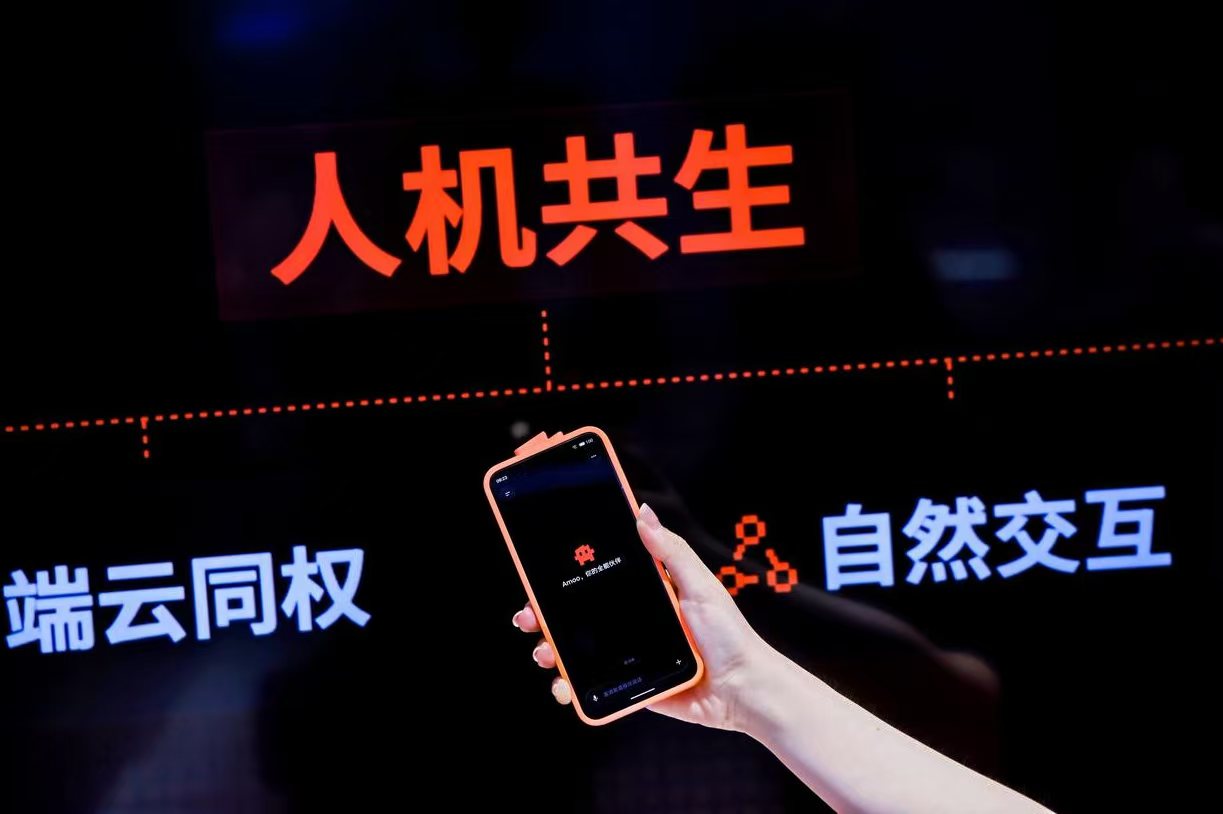
(Image source: StepNexus)
Unlike conventional smartphones, this device centers its entire interaction experience around Amoo, a personal AI Agent. Amoo handles all requests spanning native system functions (photo searching, calendar scheduling, travel planning) and third-party services (Meituan, Ctrip, Alipay).
Users do not need to categorize requests as office, travel or lifestyle tasks. They only need to state their end goal, and Amoo coordinates and assigns appropriate tools autonomously.
This explains why mobile brands are racing to advance on-device models.
Agents run persistently in the background, continuously parsing screen content, device status and personal user data. Routing every single action to the cloud would introduce crippling lag. Running lightweight tasks locally and deferring complex computations to remote servers accelerates response times while preventing repeated transfers of users’ photos, calendars and personal files across external servers.
That said, reliable task execution is far harder to achieve than basic functionality.
Pulling off a dozen sequential steps flawlessly in a demo is manageable; the true test lies in consistent performance amid real-world interruptions: pop-up windows, network fluctuations and last-minute user request changes. These are the critical benchmarks all Agent smartphones must meet to deliver practical value.
Smartphones Evolve to Perceive the Physical World Proactively
Traditional mobile assistants suffer a fundamental limitation: they remain idle unless explicitly summoned.
Even if your phone’s GPS detects you arriving at an airport with your flight information saved in the calendar, the assistant will likely stay dormant in your pocket, adopting a hands-off approach.
Legacy mobile AI relies exclusively on text, voice commands and screen visuals, requiring explicit user input to trigger actions. For AI to deliver proactive services, smartphones need enhanced environmental awareness, leveraging cameras, location sensors, microphones and motion hardware to serve as the Agent’s eyes and ears.
At WAIC 2026, AI smartphones have broken past screen-bound perception, gaining the capacity to actively identify user scenarios.
Honor’s showcased Robot Phone perfectly embodies this evolution.
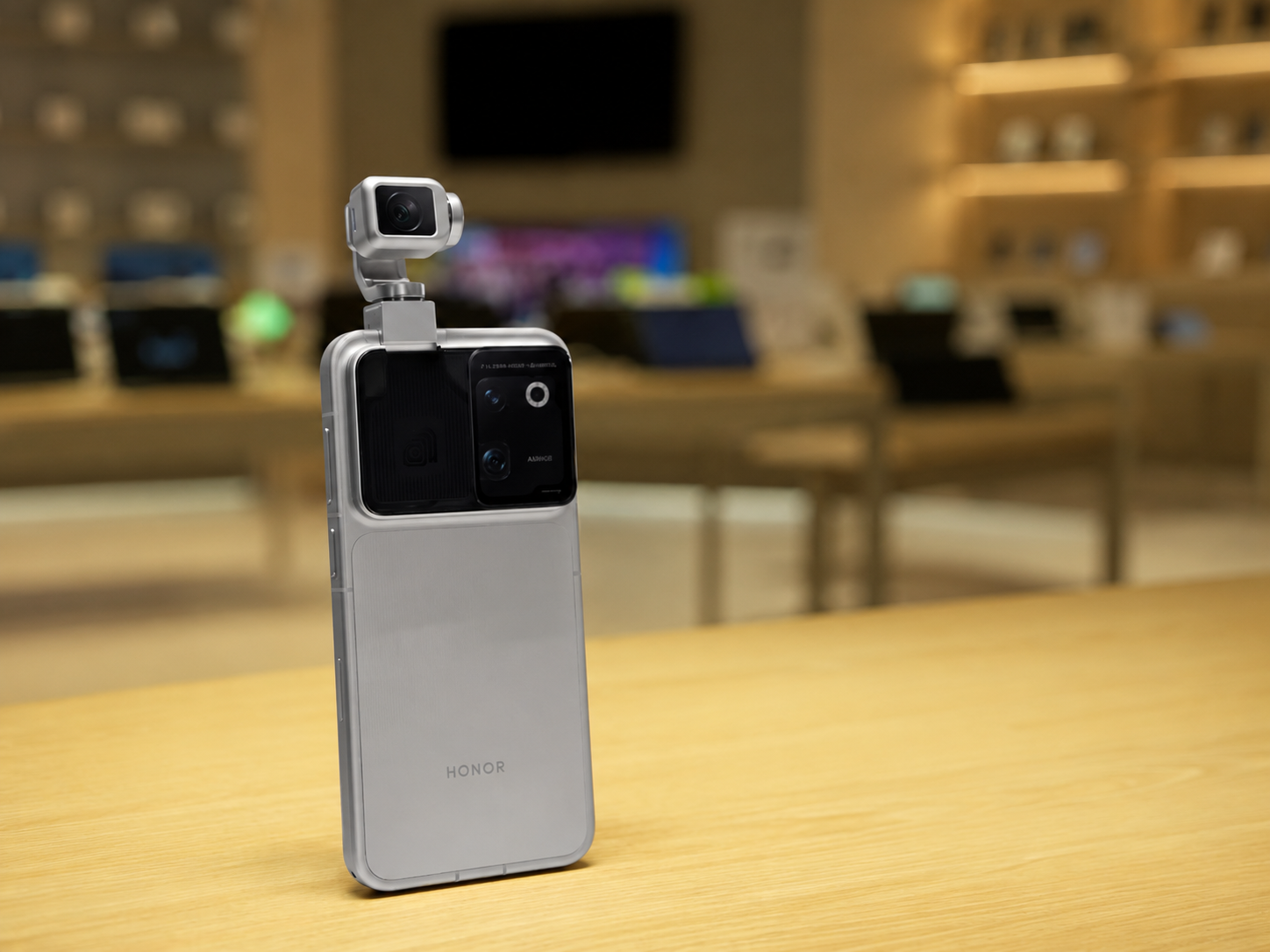
(Image source: LeiTech)
The Honor Robot Phone is equipped with the 5th-generation Snapdragon 8 Elite chip, a 6.3–6.4-inch 1.5K flat screen with equal bezels, and 120W fast charging. It comes in two colorways: Moonlight Gray and Star Trail Silver. The camera system consists of a 20MP F1.6 4-axis gimbal main camera, a 50MP ultra-wide lens, and a 20MP periscope telephoto camera.
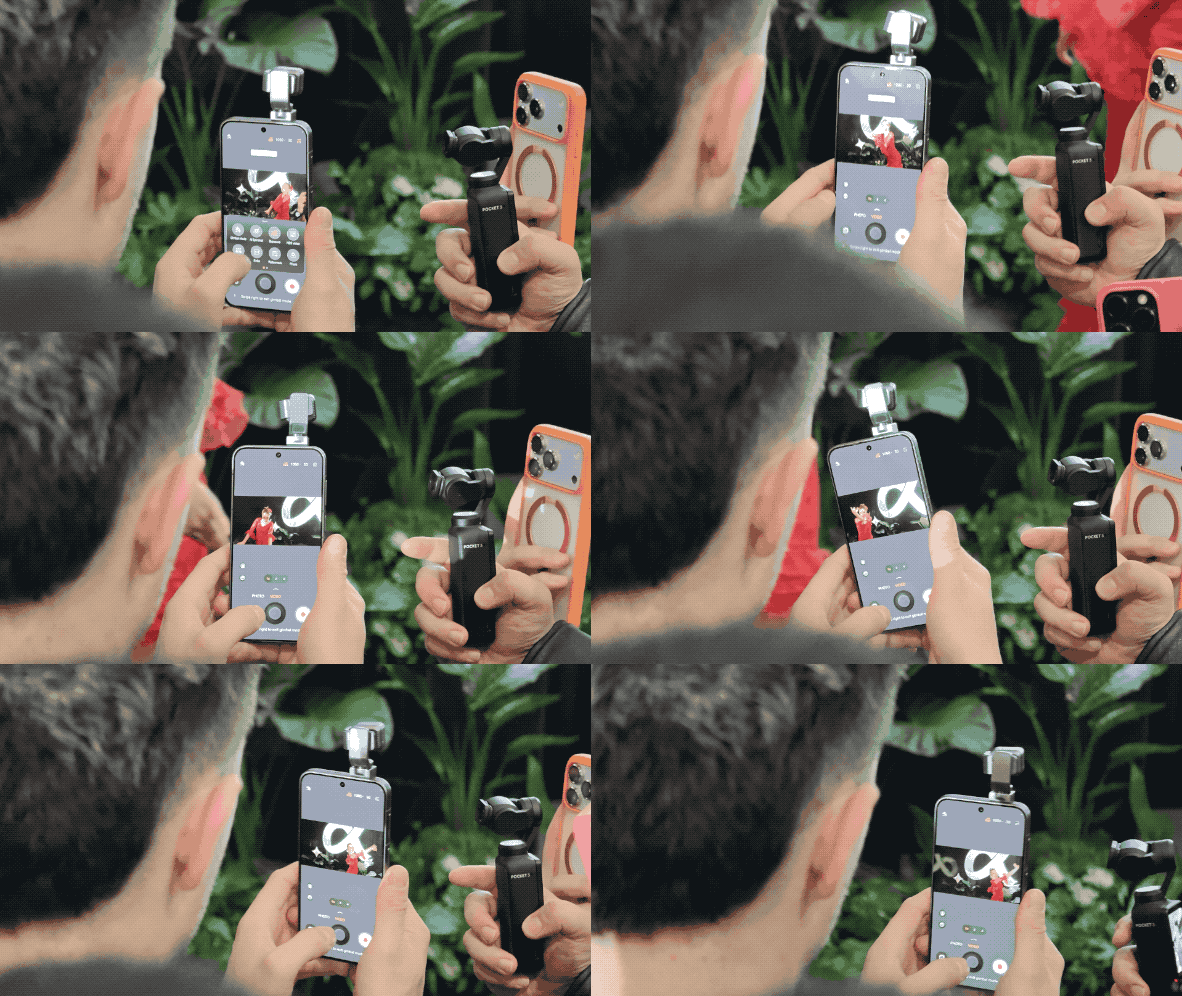
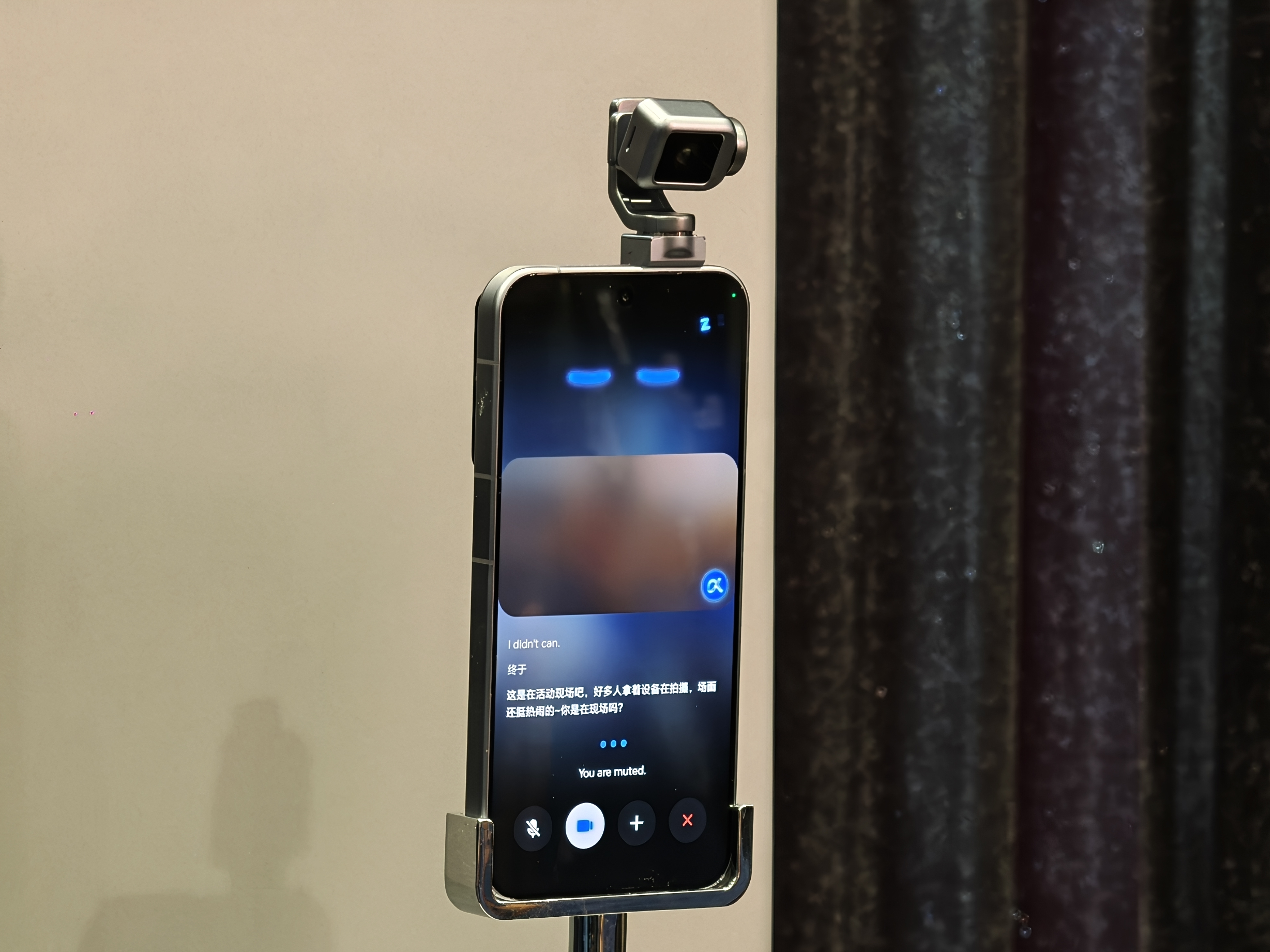
Its standout innovation is its extendable dual-axis mechanical gimbal camera, a one-of-a-kind design across the mobile industry.
Conventional smartphone cameras are fixed in position, forcing users to adjust framing and subject positioning manually. The Robot Phone’s retractable gimbal lens can physically pivot autonomously, lock onto human subjects and adjust angles dynamically without disrupting tracking stability.
(Image source: LeiTech)
This hardware enables automated follow-shot recording and flexible composition adjustment. More importantly, it grants the phone active environmental observation capabilities.
During desktop video calls, the camera pans to track your movement across the room. For action footage, the embedded gimbal delivers stabilized follow shots akin to a compact gimbal camera built into the handset.
When the lens swivels toward the user and reacts to physical movements, the phone gains an uncanny sense of physical presence. Put vividly, it no longer feels like an inert slab of glass resting on a desk; users can easily get the impression the device is alive and conscious.
(Image source: LeiTech)
Honor plans to roll out full Agent capabilities including environmental perception, decision-making and task execution for the Robot Phone. Leveraging its active sensing hardware, the device will autonomously determine optimal timing for actions based on user habits and emotional cues.
The phone is open for preorders across all sales channels and scheduled for an official release this August.
The industry has clearly aligned around proactive intelligence, shifting from passive command response to active real-world comprehension.
Still, proactive assistance walks a fine line between thoughtful alerting and intrusive overreach.
Timely boarding reminders constitute considerate service; unauthorized flight rebooking amounts to overbearing control. Automated follow shooting reads as intelligent convenience, yet round-the-clock user monitoring would trigger widespread user frustration. Clear rules governing camera activation, permissible data storage, and permanent opt-out controls will grow more critical than gimbal mobility itself.
Mobile Operating Systems Become the New Bottleneck
With Agent development universal across the industry, the next pivotal question centers on enabling stable Agent task execution.
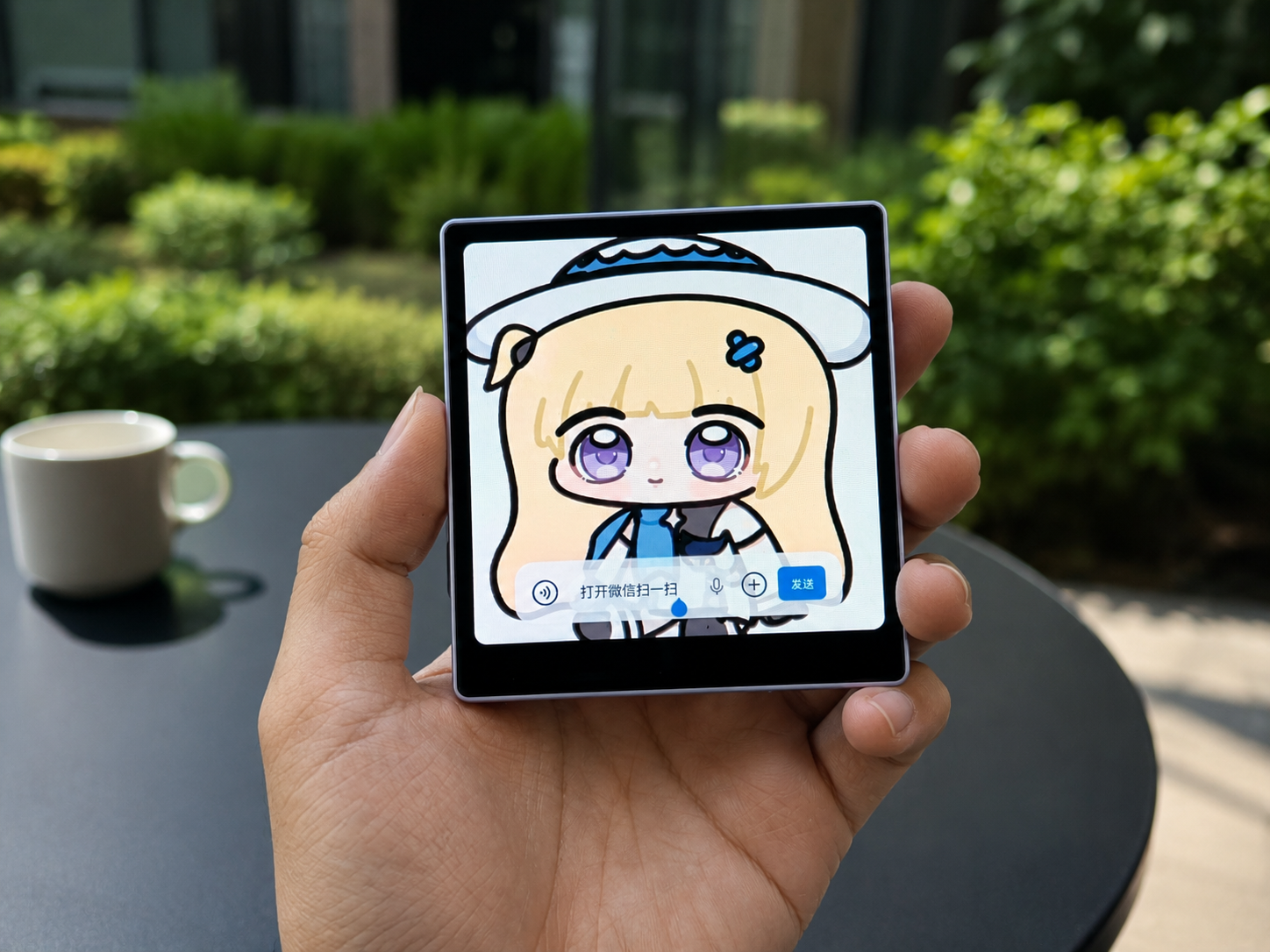
The most prevalent current approach is GUI automation: AI analyzes screen content via screenshots, identifies interactive buttons through visual recognition, and mimics human taps, swipes and text input.
The Doubao mobile ecosystem rose to fame precisely due to this GUI-based workflow; the Coolpad Square phone previously tested followed the identical logic.
(Image source: LeiTech)
Advantages: Universal compatibility. The AI can theoretically operate any app accessible to human users, even legacy software that has not received updates for years.
Drawbacks: Fragile reliability. Button layout changes can completely disorient the Agent; unexpected pop-ups derail task flows; splash ads and privacy consent prompts frequently turn sophisticated AI into error-prone automation.
This GUI method also raises profound cybersecurity concerns, sparking industry-wide debates over user data privacy.
Against this backdrop, WAIC 2026 unveiled an upgraded technical roadmap: GUI Agents continue supporting unoptimized third-party apps, while payment, social media and lifestyle services connect cross-Agent via standardized A2A and MCP interfaces for streamlined collaboration.
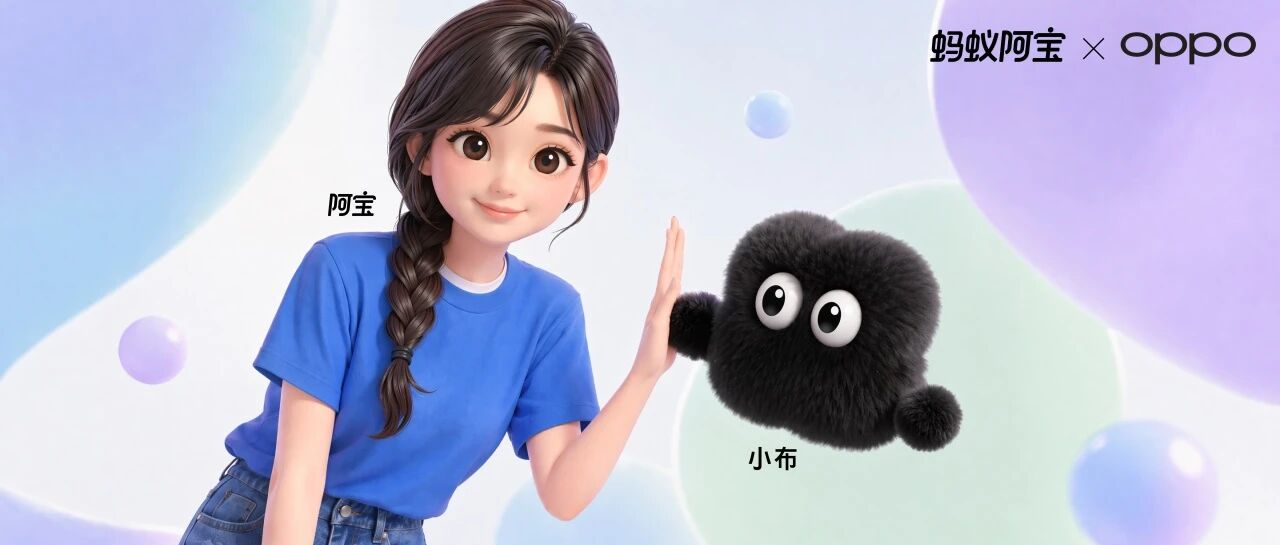
OPPO Breeno and Alipay Abao form a prime example of this interoperability.
(Image source: Alibaba)
When users ask Breeno to book tickets, order food, pay bills or access municipal services, Breeno handles scenario recognition, intent parsing and task dispatching. Abao executes nearly 200 built-in Alipay services to complete requests. Account credentials, user preferences and payment data remain isolated within each platform’s secure trusted systems.
Likewise, WeChat is partnering with multiple smartphone OEMs on matching integration. When mobile assistants receive requests to send messages or place WeChat calls, structured tasks are relayed to WeChat’s internal Xiaowei Agent for native execution, eliminating risky GUI scraping of chat interfaces.
In my assessment, only when high-frequency sensitive tasks run securely on A2A/MCP standards and GUI automation fills gaps for unadapted apps can Agents move beyond staged demos to function reliably amid messy daily real-world conditions.
Managing GUI automation, on-device/cloud hybrid models, third-party Agents, user memory storage and system permissions simultaneously proves too cumbersome for traditional mobile assistants running atop stock Android.
This need drove StepFirst Technology to develop Step AOS, an operating system natively built for AI Agents.
(Image source: LeiTech)
In previous press briefings and interviews, Leitech summarized three core bottlenecks plaguing conventional Agents: disjointed memory across separate apps, insufficient single-model capacity for complex decision-making, and restricted access preventing third-party apps from invoking system-level resources and external services.
Step AOS resolves these fragmentation issues via foundational system redesign.
At the kernel level, Step AOS elevates Agents to near-user-level system privileges, enabling unified scheduling of CPU, GPU and NPU hardware. It establishes cross-app, cross-device semantic memory pools, breaks down system functions such as communications and file management into modular atomic services callable by Agents, and grants targeted permissions for seamless cross-app task orchestration.
Per StepFirst’s design vision, users no longer need to spell out rigid instructions such as “open XX navigation app.” Simply stating a destination and personal preferences allows the Agent OS to map out the full workflow independently.
(Image source: StepNexus)
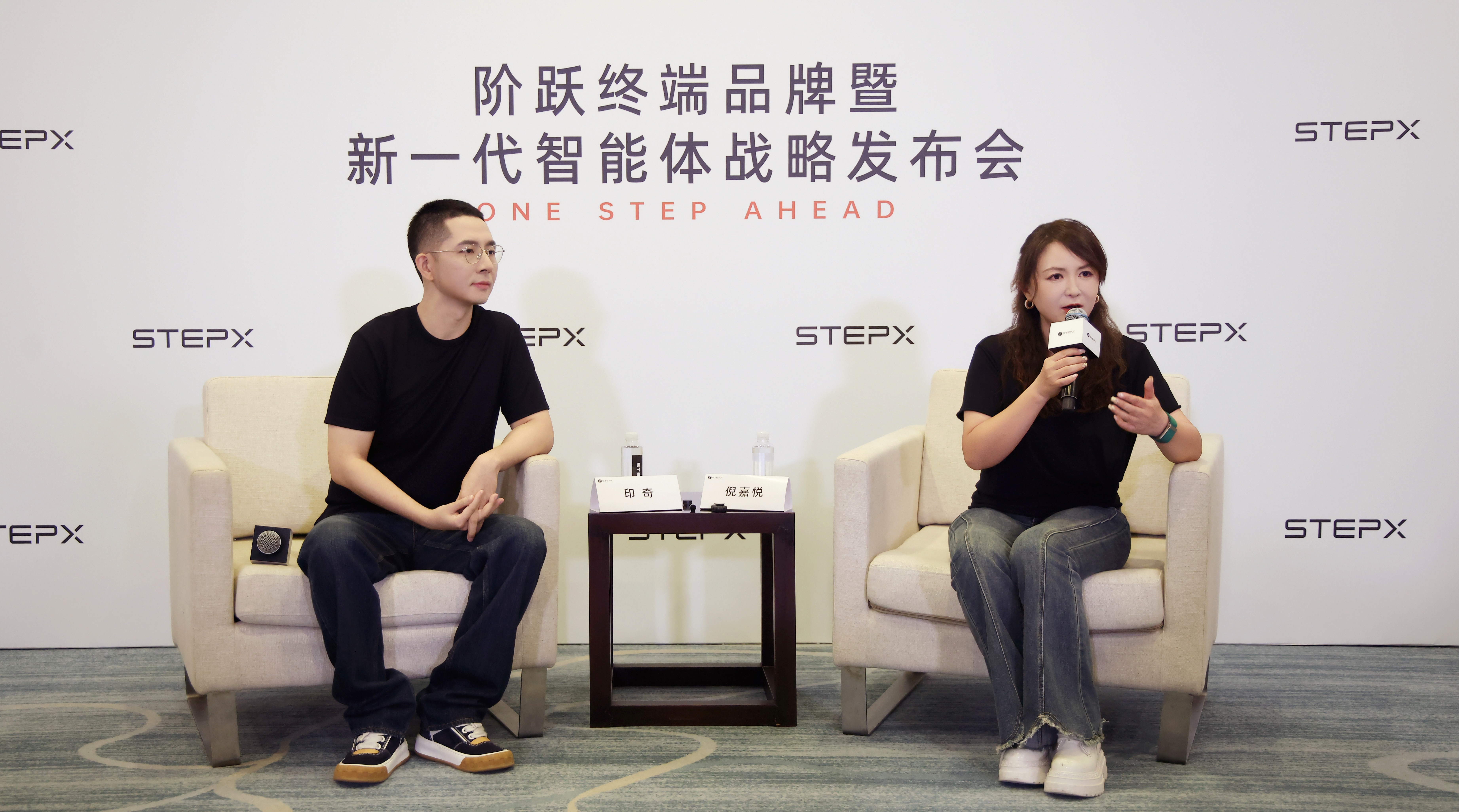
Yin Qi, Chairman of StepFirst, encapsulated this paradigm shift as a transition from process-oriented interaction to outcome-oriented interaction.
Mirroring this industry trend, Honor officially upgraded MagicOS to Agentic OS at the forum—the world’s first partner-focused multimodal Agent operating system powered by a next-gen Magic large model matrix co-developed with Alibaba. Xiaomi has also publicly confirmed plans to evolve its upcoming operating system into an Agent-native OS.
Today’s mobile ecosystem features a delicate balance of power: smartphone brands control hardware and operating systems; internet platforms own payment, social and lifestyle services; large model developers deliver comprehension, memory and planning capabilities.
Whichever player best deciphers user intent and unlocks cross-service interoperability will secure entry as the primary user gateway of the next mobile era.
Smartphones Embrace a Fundamental Paradigm Shift
Two days of exhibition coverage yielded countless industry insights.
The global smartphone market faces mounting headwinds. IDC statistics indicate China’s domestic smartphone shipments declined 4.3% year-on-year in Q2 2026, with a 4.2% drop across the first six months. Globally, IDC forecasts annual shipments will slide 13.9% in 2026, marking the steepest yearly decline on record.
Slumping sales stem not only from stagnant product innovation but also rising memory and component costs. High-capacity storage now constitutes a major cost burden; some flagship configurations add $100–150 solely for storage hardware. OEMs are forced to raise prices, cut hardware specs or phase out mid-range models, discouraging consumers from upgrading devices.
(Image source: LeiTech)
The mobile industry desperately needs a new growth narrative, and AI Agents have stepped into this role.
At WAIC this year, smartphone brands no longer compete by tallying isolated AI features. Some build Agents to automate daily chores; others integrate motorized cameras for active environmental perception; a handful rebuild entire OS scheduling architectures to coordinate models, applications and cloud services.
Where consumers once focused on what smartphones can do, the critical question has shifted to what smartphones can autonomously accomplish for users.
In this new competitive landscape, brands that build stable, error-resistant Agents paired with rigorous privacy and permission governance will gain a lasting competitive edge.
The WAIC 2026 theme—“Intelligent Partners, Co-Creating the Future”—is unfolding with tremendous momentum!
The AI narrative has shifted from stacking model parameters to delivering tangible Agent-driven productivity. Heterogeneous computing and photonic computing continue pushing computational ceilings upward. Embodied intelligence accelerates real-world applications—robots entering homes and factories, making physical AI a reality.
LeiTech’s WAIC exhibition team has arrived in Shanghai, covering the annual pinnacle of AI industrialization in real time—stay tuned!