 雷科技
雷科技





Hitting Annual Sales Target May Be Little More Than Wishful Thinking.
Halfway through 2026, major automakers have reached the mid-year performance review season. As a top player in China’s new energy vehicle sector, HUAWEI AITO delivered roughly 240,000 vehicles from January to June this year, marking an 18.6% year-on-year increase.
Amid an industry downturn where many new energy brands reported falling sales, AITO’s sustained growth seems relatively encouraging at first glance.
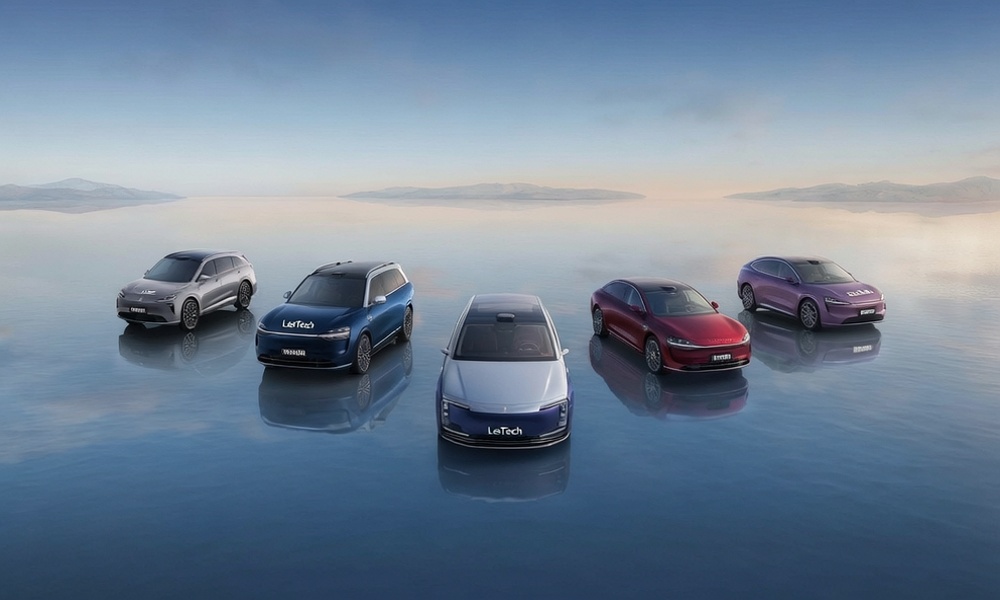
However, AITO encompasses five sub-brands: AITO Wenjie, AITO Zhijie, AITO Xiangjie, AITO Zunjie and AITO Shangjie, with an annual sales target of 1 million units. Against this backdrop, sweeping strategic adjustments are clearly necessary.
Over 50,000 Units Delivered in June; Wenjie Remains the Main Sales Driver
AITO delivered 50,624 vehicles in June 2026, including 30,199 new units from Wenjie and more than 10,000 units from Shangjie. Excluding Zunjie, a premium marque with high price tags that cannot generate large shipment volumes, Zhijie and Xiangjie each delivered an average of only around 5,000 units.
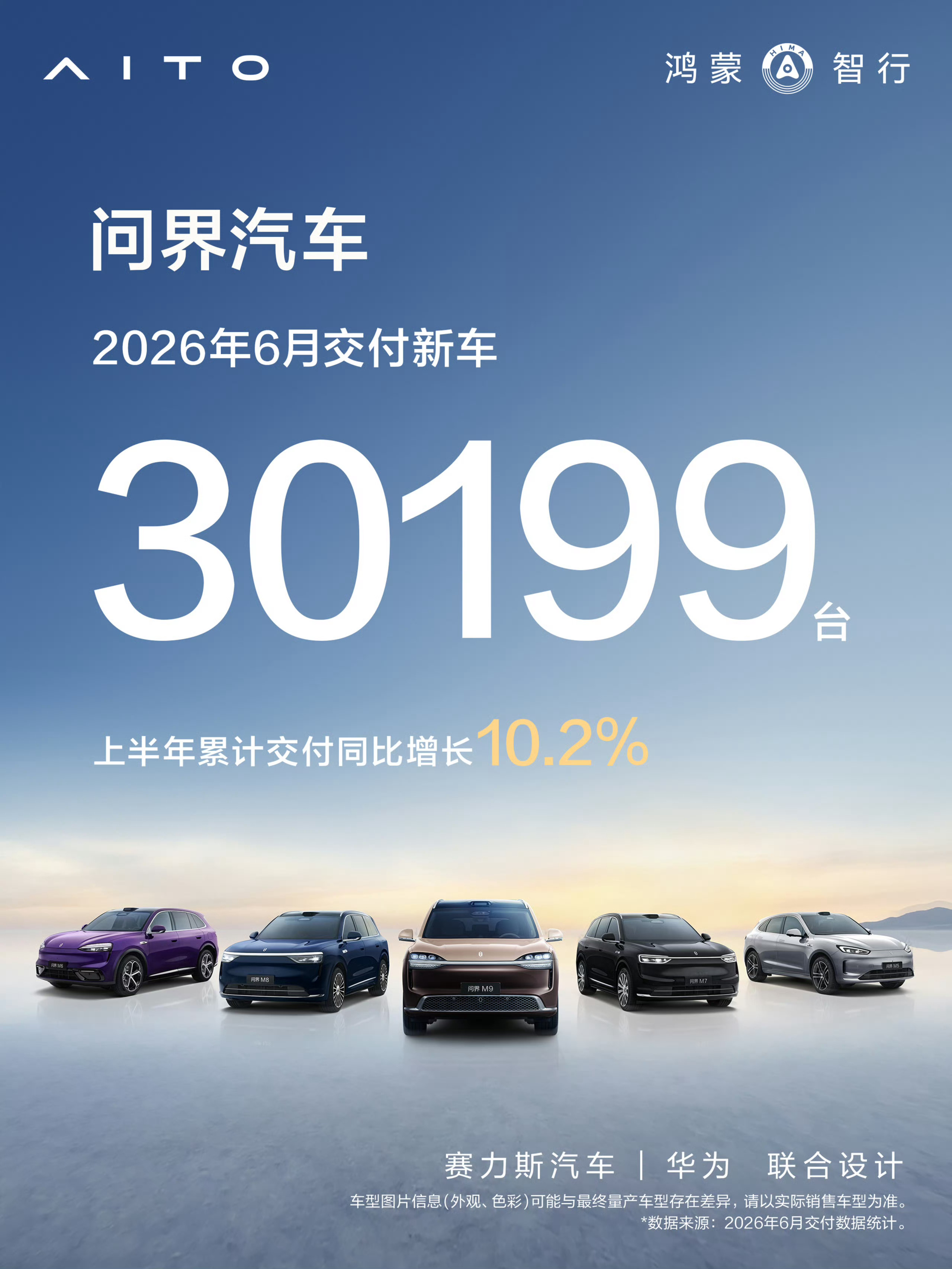
(Photograph source: Harmony Intelligent Mobility Alliance)
After years of expansion, AITO has assembled its five-brand lineup, yet Wenjie still shoulders nearly all sales responsibilities. Dianchetong (ID: dianchetong233) even speculates that AITO could achieve higher overall sales if it phased out the other four brands and focused resources on enriching Wenjie’s product portfolio.
Among the five lines, Wenjie is the oldest and receives the strongest backing from Huawei, making it the irreplaceable sales backbone of AITO. Zunjie has ranked first in sales for luxury sedans priced between 700,000 and 1 million yuan for nine consecutive months, but its ultra-premium positioning means it can never drive mass sales for AITO.
Of the remaining three brands, Zhijie is the most regrettable case. Its debut model, the S7, launched when Wenjie was booming and Huawei’s automotive influence peaked. Developed jointly with major automaker Chery, Zhijie S7 was widely expected to be an instant hit.
Unfortunately, production bottlenecks derailed its momentum and eroded consumer trust, with many online users calling for Chery to exit the Zhijie partnership. A topic titled Why Do Most Netizens Hope Chery Pulls Out of Zhijie? has trended on Zhihu.
Xiangjie dominates its niche market of executive sedans, yet its growth is capped by fierce competition from established luxury brands including Mercedes-Benz, BMW and Audi, limited product diversity and insufficient dealership coverage. Further expansion of its vehicle lineup is required.
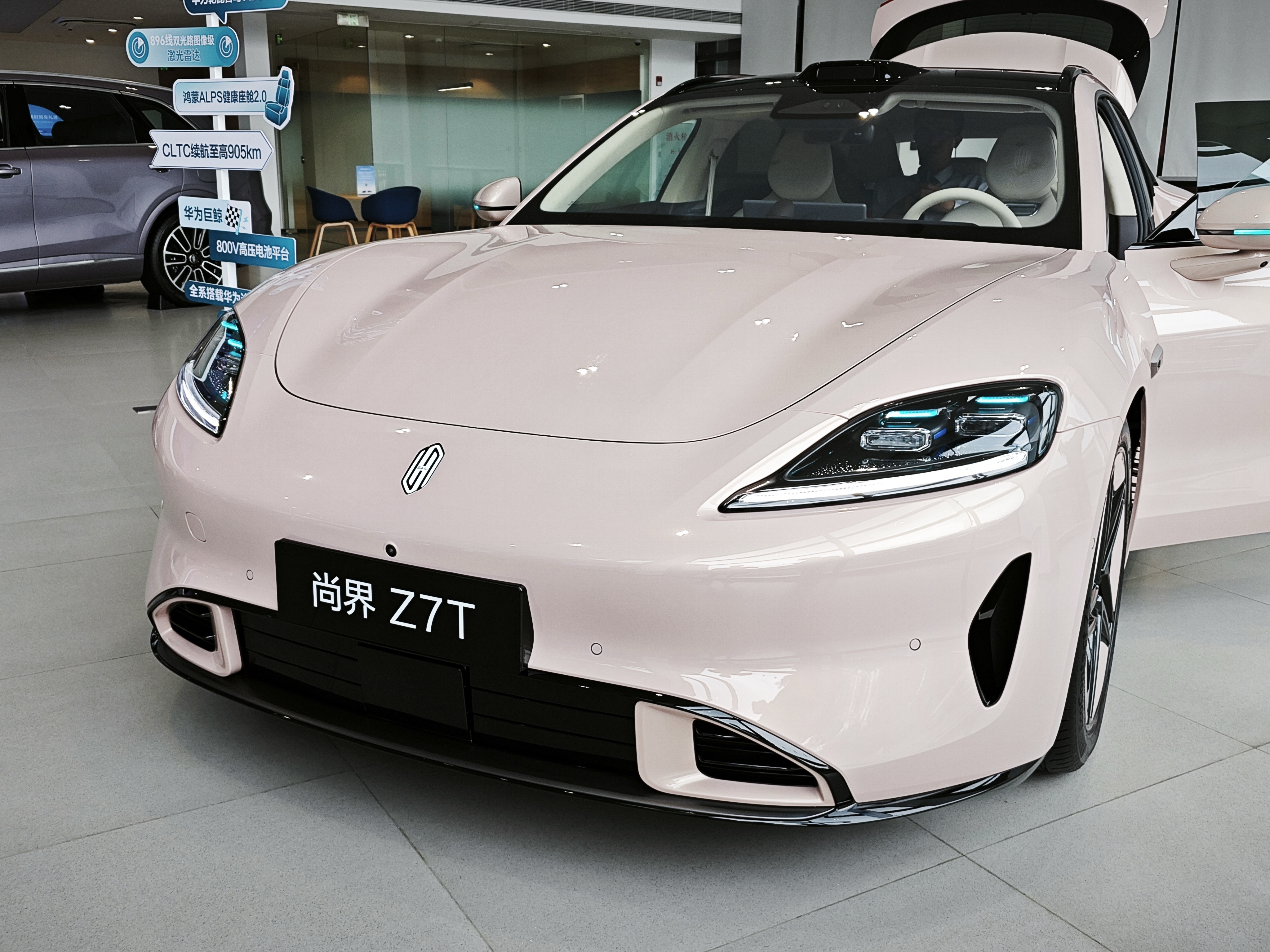
Shangjie is the second AITO brand to record monthly sales above 10,000 units, owing largely to its affordability. While Wenjie, Zhijie, Xiangjie and Zunjie target higher price brackets, Shangjie focuses on lower-tier markets. Models such as the H5 and Z7 offer more approachable pricing while retaining Huawei’s brand advantages, advanced intelligent driving and smart cabin technology.
(Photograph source: Dianche Tong)
Dianchetong believes Shangjie holds massive untapped sales potential. The Shangjie H5 is AITO’s only model with an official guide price under 200,000 yuan. Bolstered by the Huawei ecosystem, brand recognition and intelligent driving capabilities, it once topped monthly sales above 5,000 units. Nevertheless, sales slid below 2,000 units in June due to its 400V high-voltage platform, soft chassis and inconsistent build quality.
A full upgrade to the 800V platform, paired with chassis refinement and improved craftsmanship, could restore its sales momentum and push monthly volumes toward 10,000 units.
Running one automotive brand is challenging enough, let alone five under the AITO umbrella. Huawei and its partners must design vehicles to match market demand while preventing internal brand cannibalization. Deliberate decision-making inevitably slows product rollouts.
All five brands currently suffer from narrow product ranges and small target consumer groups. Compounding these issues, China’s auto market contracted in the first half of the year, with total vehicle output reaching 14.993 million units and total sales hitting 15.017 million units, down 4% and 4.1% year-on-year respectively. Against this backdrop, AITO’s year-on-year sales growth is testament to its competitiveness.
For AITO’s five sub-brands, the top priority is maximizing sales during the peak selling season in the second half of the year.
1-Million Annual Sales Target Is Unrealistic, But Ambition Drives Progress
AITO delivered 589,107 vehicles in 2025, ranking among China’s top new-energy car startups. When setting 2026 targets, most emerging automakers adjusted their growth forecasts downward to a realistic range of 20% to 40% amid shifting market conditions.
AITO set an ambitious annual sales goal of 1 million units, implying roughly 70% year-on-year growth, which is virtually unachievable. Even with positive year-on-year sales growth, AITO only fulfilled 24% of its annual target in the first six months, proving the full-year milestone is little more than wishful thinking.
Ambition fuels progress. While hitting 1 million deliveries this year is highly unlikely, striving toward the goal remains worthwhile.
Faced with intensifying competition, AITO’s core strategy centers on expanding its product lineup to accommodate diverse consumer needs.
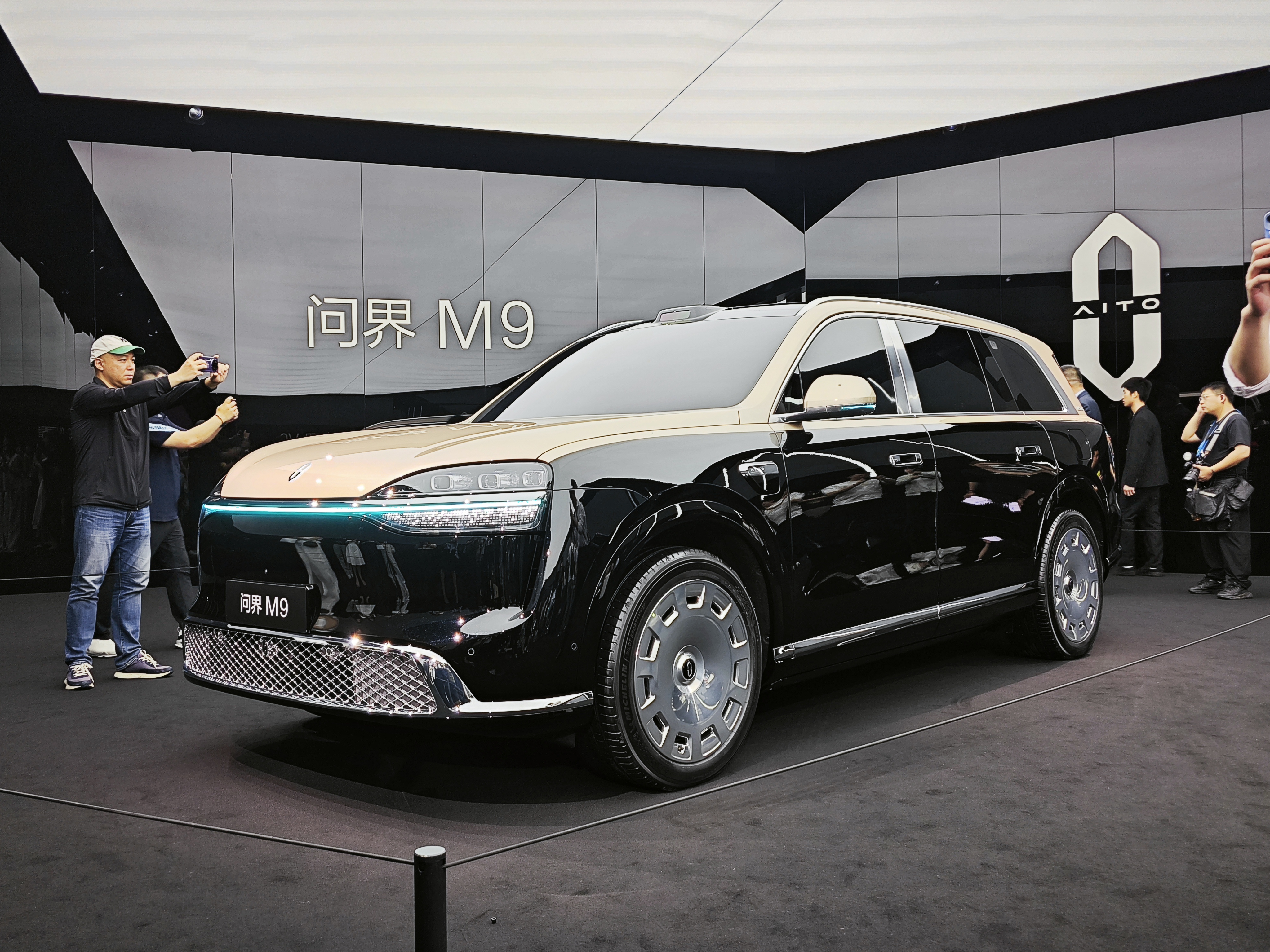
Wenjie, AITO’s pillar brand, boasts a comprehensive lineup. Alongside updated existing models, it launched two new vehicles in 2026: the sportier M6 targeting young buyers and the M9 Ultimate Imperial Extended Edition, positioned above the standard M9 to capture higher-end demand.
(Photograph source: Dianche Tong)
Beyond the S7 and R7, Zhijie has several new vehicles in the pipeline, including the large luxury MPV Zhijie V9 which has already gone on sale. After former senior Ferrari exterior chief designer Werner Gruber joined Zhijie, his first project, the RX, filed paperwork with China’s Ministry of Industry and Information Technology in June and is scheduled for an autumn launch. Competing against the Xiaomi YU7, it further strengthens Zhijie’s sporty, youthful identity.
Few details have been released for the Zhijie R9, but its naming indicates it is a large coupe SUV serving as an upgraded successor to the R7, expected to debut by the end of 2026.
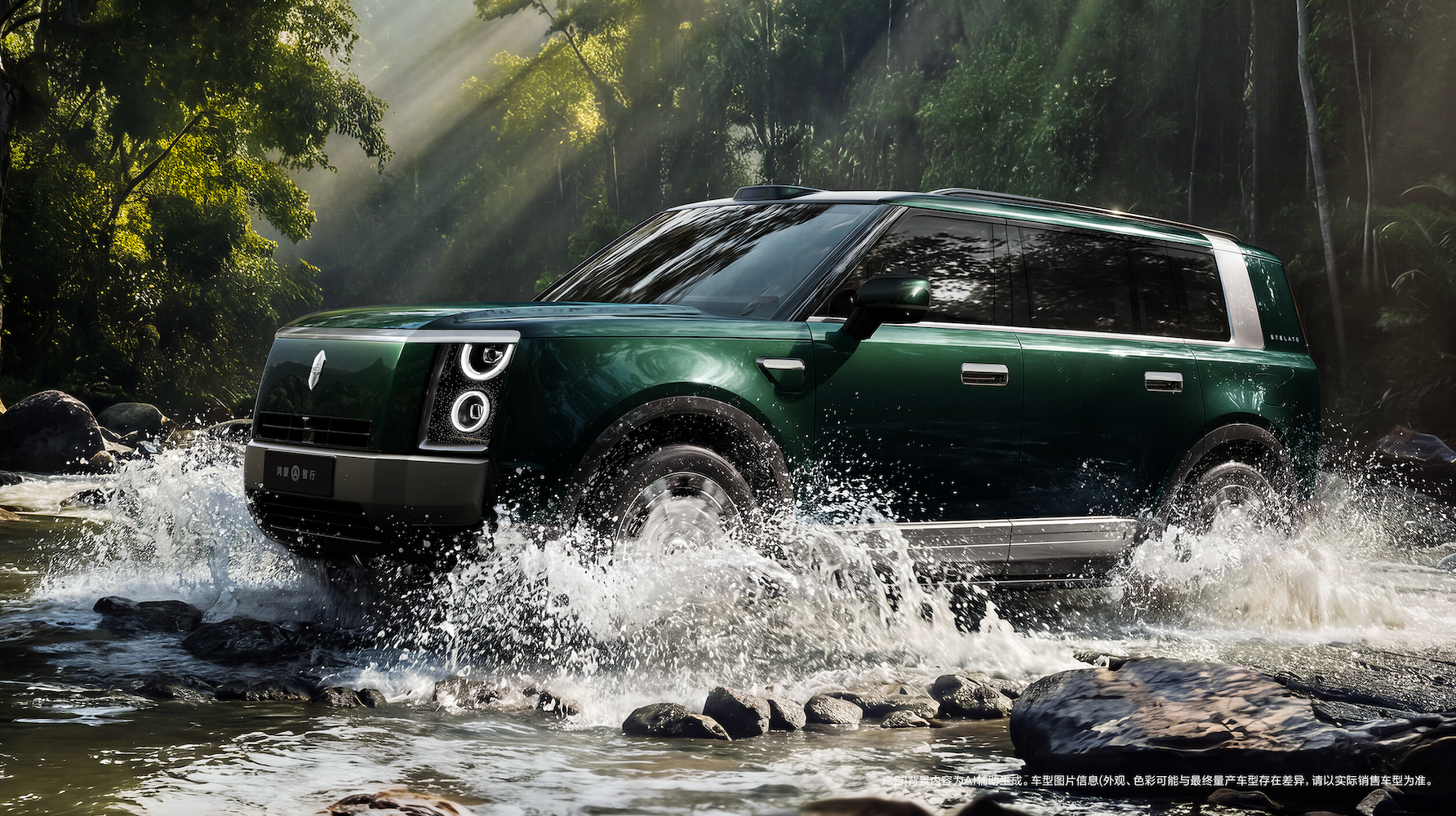
Xiangjie will launch two new vehicles this year: the off-road G9 and the MPV V8. The Xiangjie V8 sits below the Zhijie V9 in pricing and positioning. The G9 is pivotal for lifting Xiangjie’s sales; it adopts a unibody construction rather than the body-on-frame design typical of hardcore off-road vehicles, resulting in compromised performance on extreme terrain compared with traditional off-road models.
(Photograph source: Harmony Intelligent Mobility Alliance)
The unibody structure delivers superior energy efficiency and daily ride comfort. Huawei’s strategy differentiates Xiangjie from conventional hardcore off-road vehicles, meeting moderate off-road requirements while prioritizing everyday usability.
Zunjie continues expanding its million-yuan premium segment. Its currently available models include the Zunjie S800 Grand Design/Ultra, with two MPVs — the Zunjie V680 and V800 — upcoming to compete directly with Maybach. A new luxury SUV priced at approximately 1.2 million yuan, stretching nearly 5.5 meters in length, was recently leaked and is projected to launch late this year or early next year.
Complementing the H5 and Z7 families, Shangjie is readying the H7, an SUV sized similarly to the Z7 with an anticipated starting price of around 230,000 yuan. Given the Z7’s strong market performance, Dianchetong holds high expectations for the Shangjie H7.
Alongside new vehicle development, Huawei persists in technological innovation and ecosystem expansion, advancing Blue Whale batteries, Turen chassis, Qiankun ADS intelligent driving and HarmonyOS smart cockpits. Partnering with distributors, AITO plans to operate more than 2,459 sales outlets and 1,459 service centers nationwide by the end of 2026, covering over 94% of Chinese cities and granting access to more than 2 million public charging piles.
Current progress makes hitting 1 million annual sales all but impossible. With only 24% target completion in H1, combined with weak overall automotive demand and persistent customer diversion by rivals, the flood of new second-half models cannot fill the massive volume gap.
The simultaneous launch of new products across all five brands cannot double sales in the short term, yet the full buildout of products, dealership networks and technology is far from futile. Although AITO will miss its 2026 sales objective, it has finalized complete pricing and category coverage across five brands, clarified differentiated positioning to reduce internal competition, and matured its manufacturing, service and technical systems. These foundations cultivate a large user base and robust dealer network to support steady sales growth in 2027.
The Auto Industry Rewards Long-Term Commitment, Not Quick Profits
China’s auto market contracted broadly in 2026, with cutthroat stock competition defining the new energy sector. Most emerging automakers failed to meet their half-year sales targets.
Major brands including Leapmotor, NIO, Li Auto and XPeng all recorded half-year target fulfillment rates below 42%. While Leapmotor led all brands in first-half sales volume, it only completed 35.6% of its million-unit annual goal. Li Auto even suffered year-on-year sales declines, highlighting widespread misalignment between optimistic early-year growth targets and soft market demand.
Unlike Xiaomi and Li Auto, which operate single-brand strategies, AITO’s five-brand ecosystem inherently faces scattered resources and uneven brand development. Clear challenges persist: Wenjie bears excessive sales pressure, Zhijie missed market opportunities due to production constraints, Xiangjie lacks product variety, and Shangjie suffers platform limitations. Even so, full price-tier coverage delivers long-term competitive advantages.
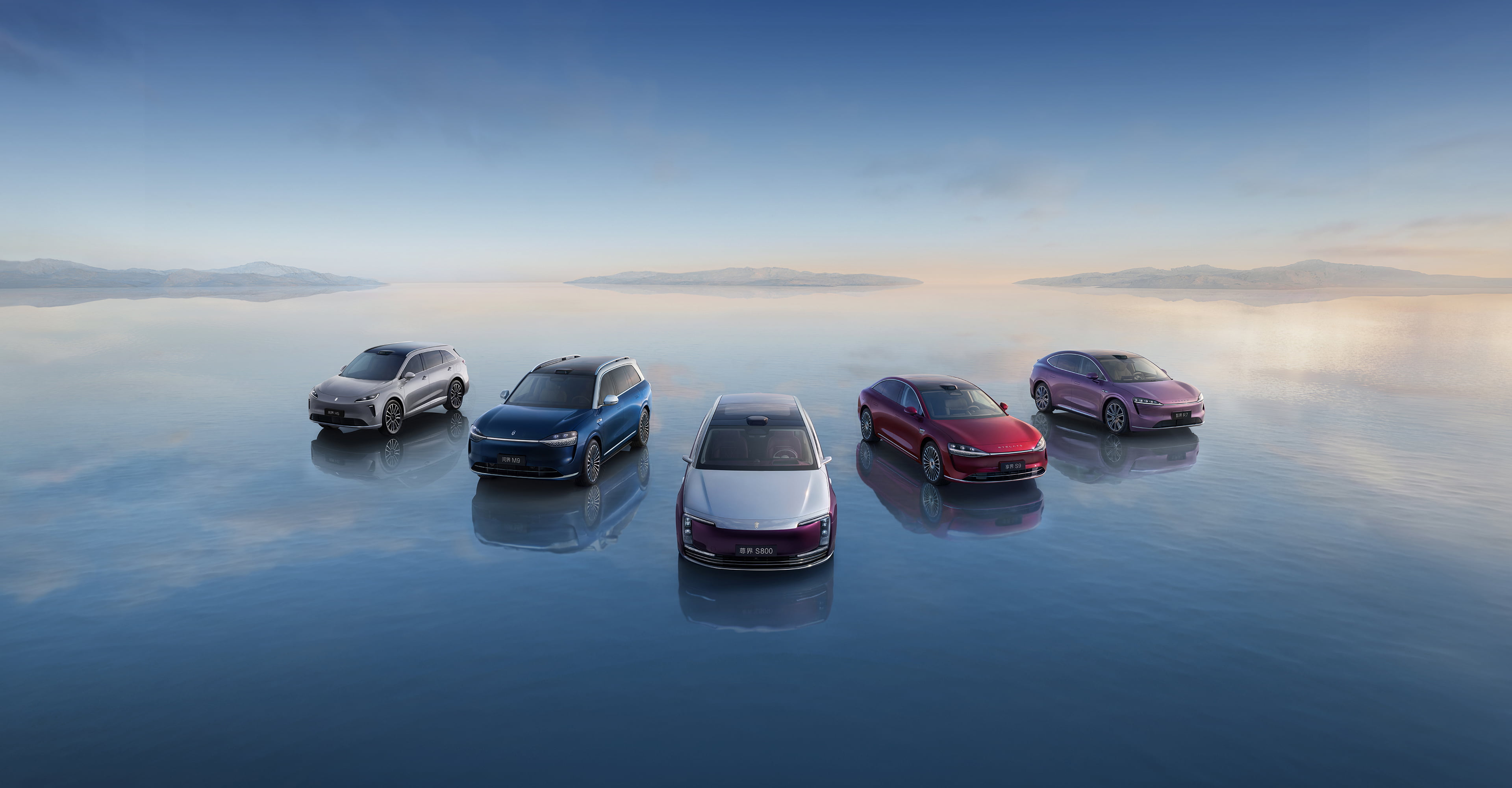
Most rival startups focus on narrow price brackets with obvious product gaps, whereas AITO spans the entire market from 150,000-yuan mainstream vehicles to million-yuan ultra-luxury models. Shangjie caters to cost-sensitive lower-tier buyers, Wenjie anchors high-end family mobility, and Zunjie conquers the ultra-premium space. Distinct positioning creates a robust moat of comprehensive product offerings.
(Photograph source: Harmony Intelligent Mobility Alliance)
Multi-brand fragmentation drags down short-term annual sales gains, yet investments in products, channels and technology are strategically valuable. Amid widespread industry pressure where most brands chase quick sales volume, AITO prioritizes long-term ecosystem development, filling product gaps across niches and defining clear roles for each brand. It builds stable manufacturing, service and user infrastructure to enable synchronized volume growth across all five lines in 2027, delivering stronger long-term growth potential than competitors with limited product lines.
The WAIC 2026, themed “Intelligent Partners, Co-Creating the Future,” is underway!
The AI narrative is evolving—from stacking model parameters to deploying agent-based productivity solutions; heterogeneous computing and photonic computing continue raising the ceiling of computational performance; embodied intelligence is accelerating real-world applications, bringing physical AI to life as robots enter homes and factories.
The LeiTech WAIC reporting team has arrived in Shanghai to capture the annual pinnacle of AI industrialization—stay tuned!