
 雷科技
雷科技





Though I rarely take selfies myself, I believe selfie-taking is undeniably troublesome. When using the rear camera for selfies, photo quality is guaranteed, yet framing the shot becomes extremely difficult. While the front camera makes framing convenient, it delivers noticeably inferior image quality.
To tackle this long-standing selfie pain point, numerous brands have come up with creative solutions throughout smartphone evolution. For instance, the Xiaomi 17 Pro Max features an additional rear display installed right behind the phone camera module.
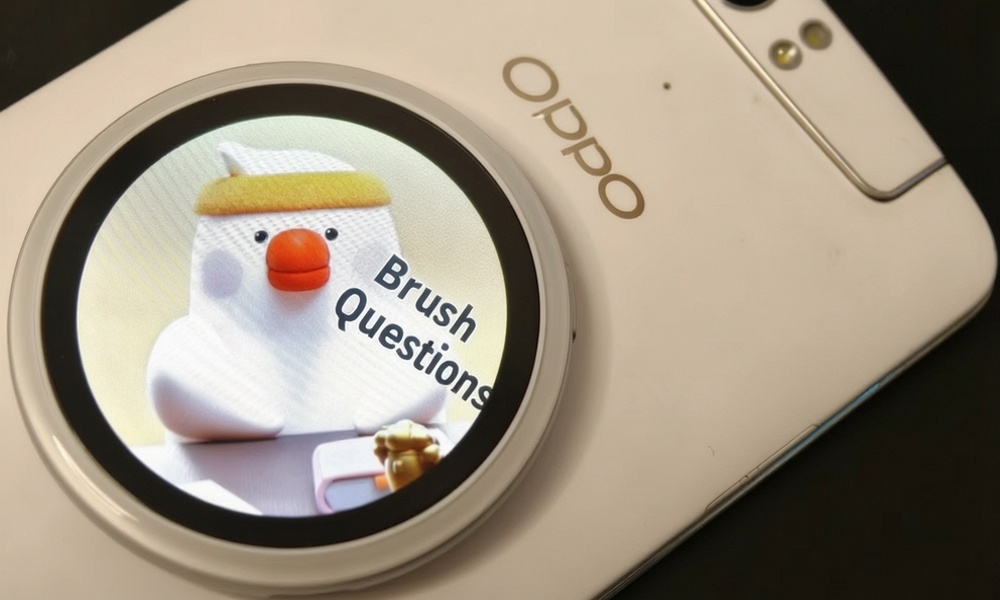
OPPO recently unveiled another ingenious solution for selfie enthusiasts: the OPPO Bubble magnetic selfie screen (official name: OPPO Bubble Mag E-Badge / Bubble Trendy Selfie Screen). LeiTech got hold of this gadget and put it through an extended hands-on trial.
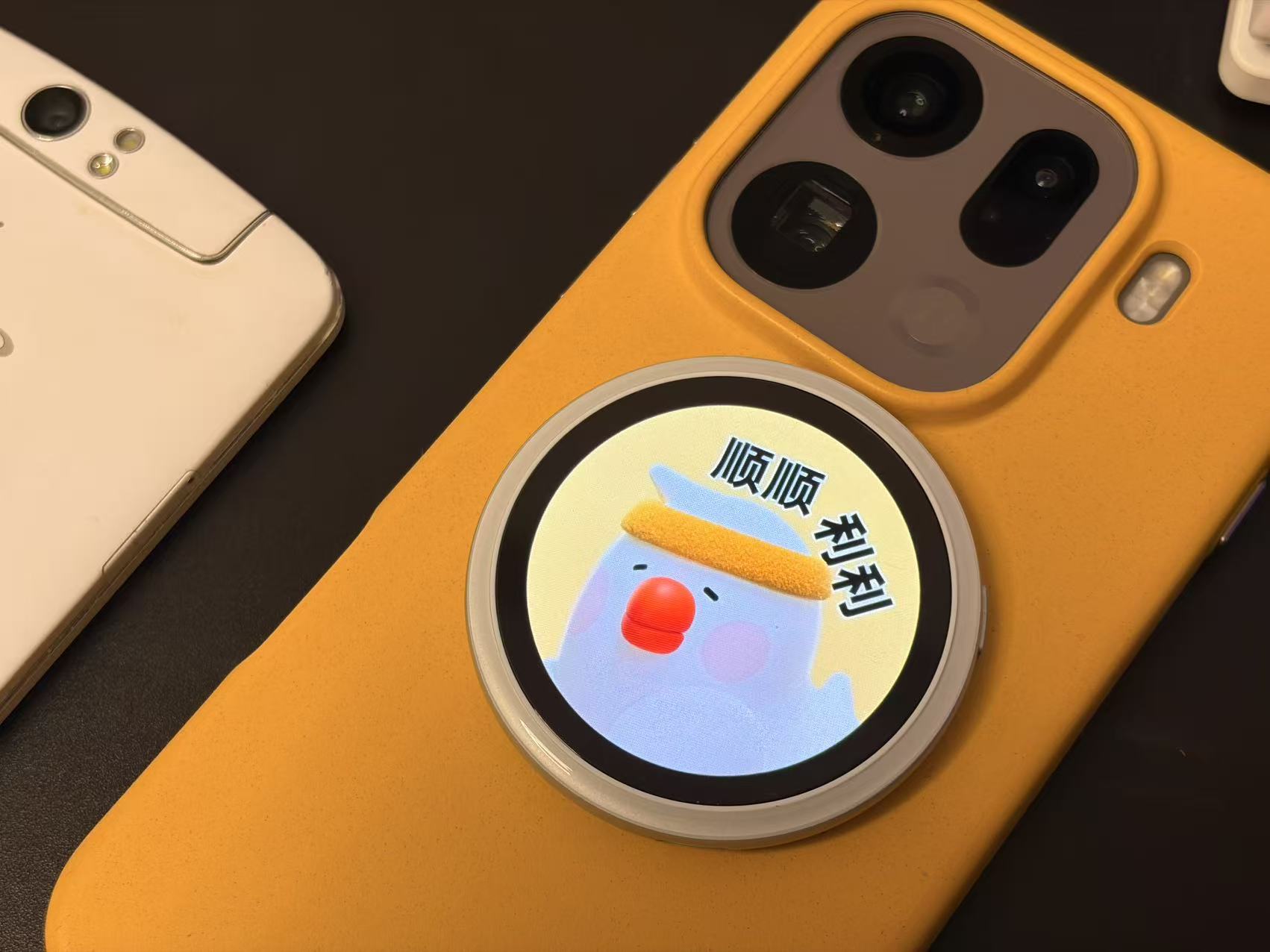
Image source: LeiTech
At first, I thought it was merely a simple selfie-assisting hardware device. After testing it out, however, I believe OPPO harbors far grander expectations for the OPPO Bubble than positioning it solely as a selfie screen.
Adding an Extra Screen for the Rear Camera
Let us start with its hardware design. The OPPO Bubble boasts a relatively straightforward design. Fundamentally, it is an external small touchscreen that magnetically attaches to the back of a smartphone. A power button sits on the side of the device to wake up the OPPO Bubble; long-pressing this button powers it off to save battery life. A USB-C port for charging is located on the bottom edge.
Despite its minimalist overall design, the OPPO Bubble left a favorable first impression on me. It weighs only 27.5 grams, roughly equivalent to a regular smart bracelet, and measures merely 7 millimeters thick. By comparison, the picture-only electronic badge I received at an event previously is thicker than the OPPO Bubble.
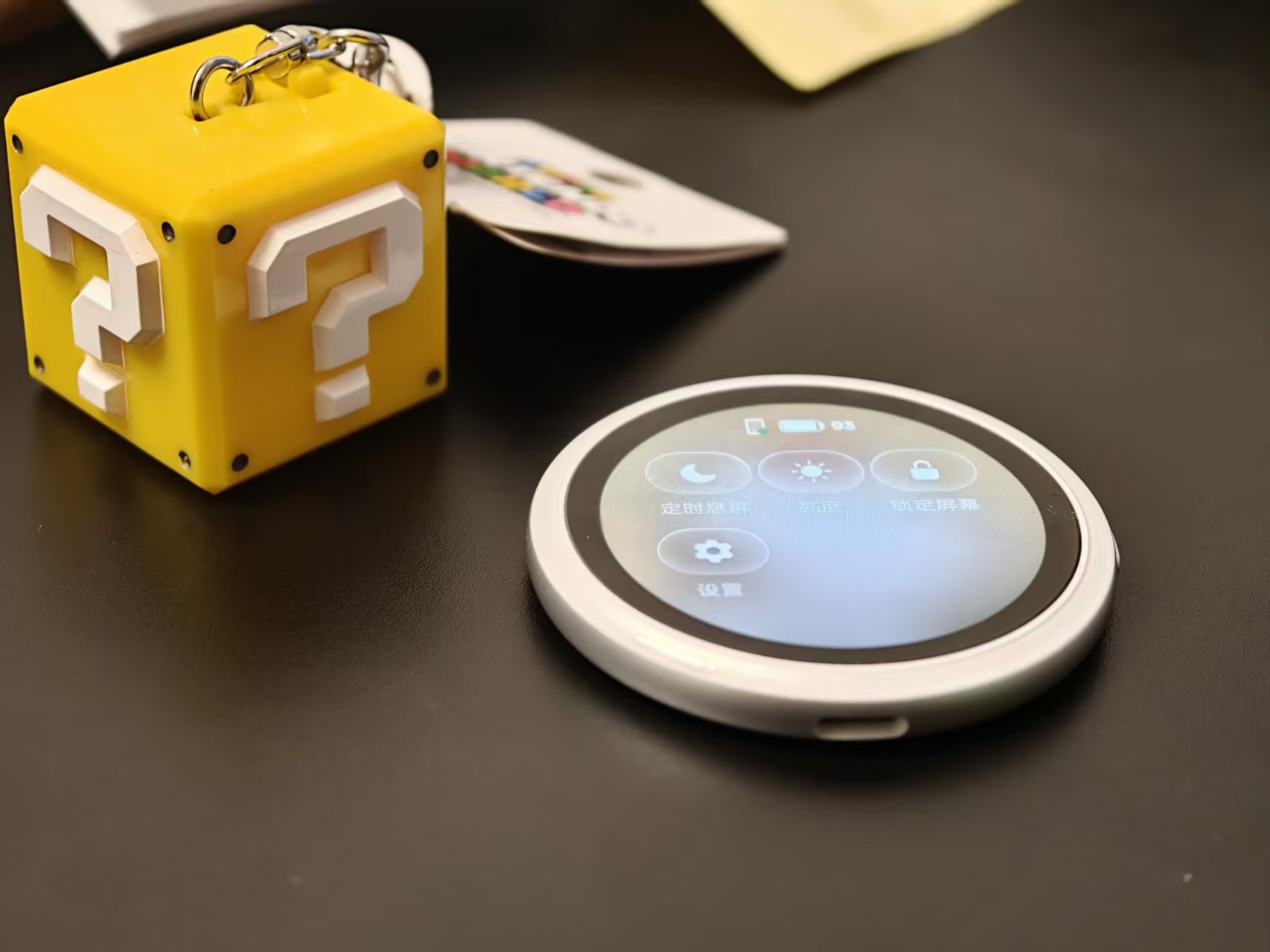
Image source: LeiTech
After powering on, the OPPO Bubble automatically pops up a pairing window on nearby OPPO phones. No manual network configuration or account login is required throughout the process; users only need to tap Next to start using it.
Swipe upward from the bottom of the OPPO Bubble (the same gesture used to return to the home screen on full-screen smartphones) to launch the camera of the paired OPPO phone directly. The 1.73-inch small screen of the OPPO Bubble displays the central area of the phone’s viewfinder.
It is worth noting that the OPPO Bubble only shows the middle segment of the viewfinder. This works perfectly fine for solo selfies. Nevertheless, when taking group photos, people who are not positioned in the center frame may fail to see their own faces on the OPPO Bubble screen.
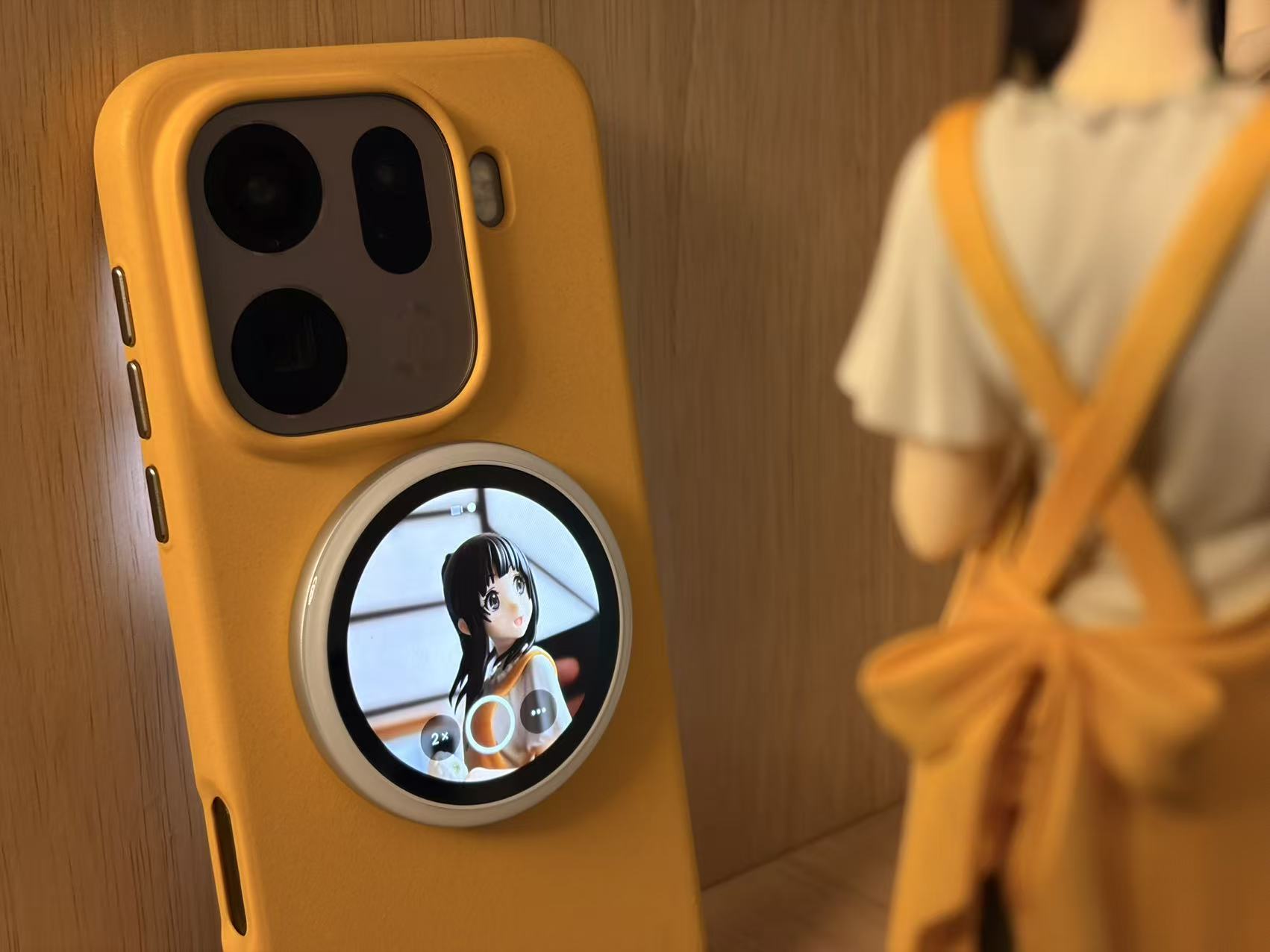
Image source: LeiTech
In addition, with the current firmware version, the camera must be launched via OPPO Bubble to enable framing assistance. If the camera is opened directly on the phone, or third-party camera applications are used, the footage cannot be mirrored to OPPO Bubble. Moreover, OPPO Bubble only supports basic framing and shooting. Users cannot tap the touchscreen to adjust focus points or exposure compensation, resulting in limited functionality.
I also ran a straightforward test on screen latency. Calculations show the video lag stands at roughly 150 milliseconds. Such performance is adequate for regular selfies and group shots. That said, if you hope to capture extremely precise moments, shooting Live Photo directly on the mobile phone is recommended.
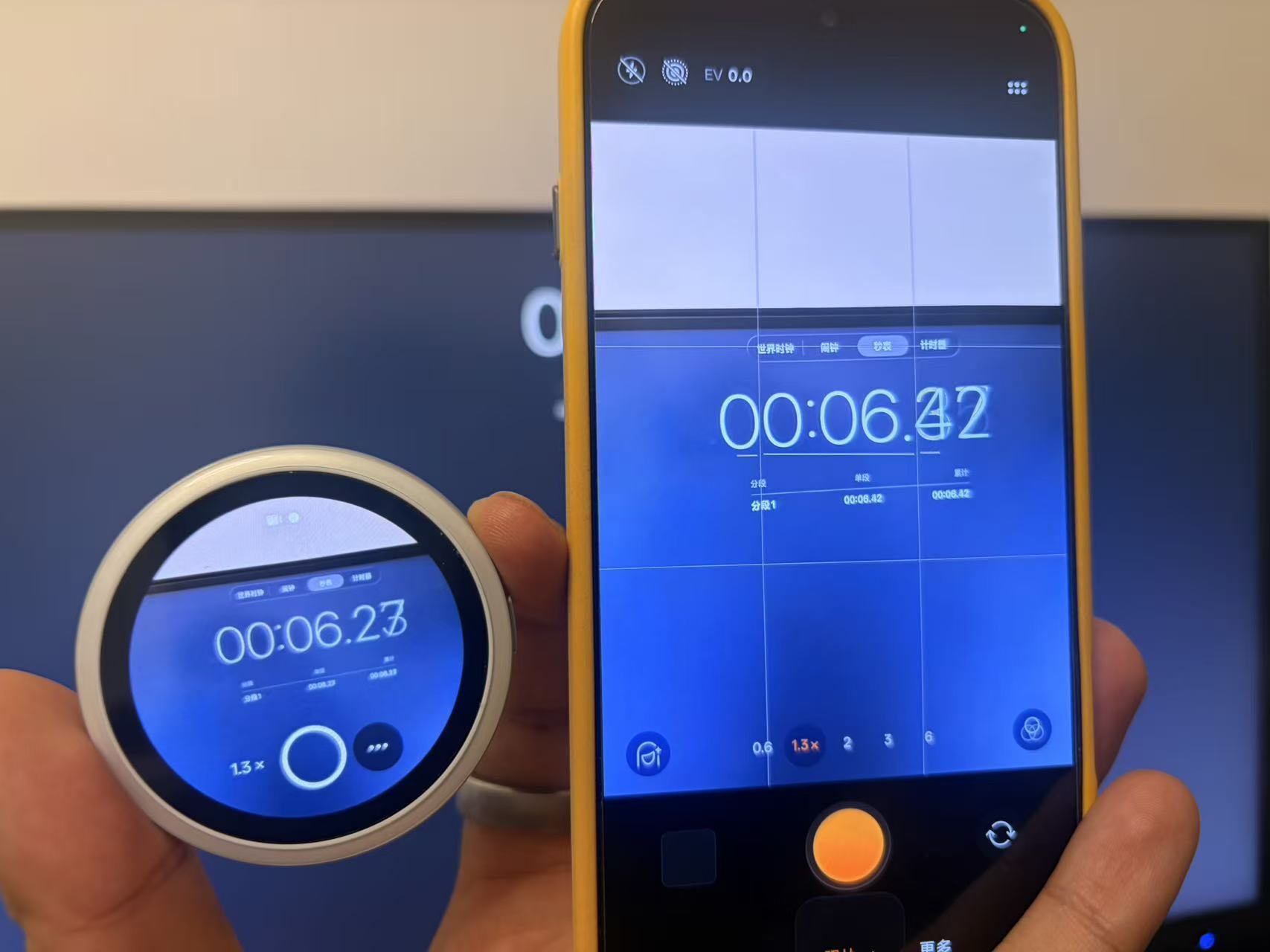
Image source: LeiTech
Interestingly, beyond photography, the OPPO Bubble works excellently as a digital accessory. OPPO has designed multiple cute cartoon pets for the device, and users can attach it to bags with a dedicated fastener to use it as a bag ornament.
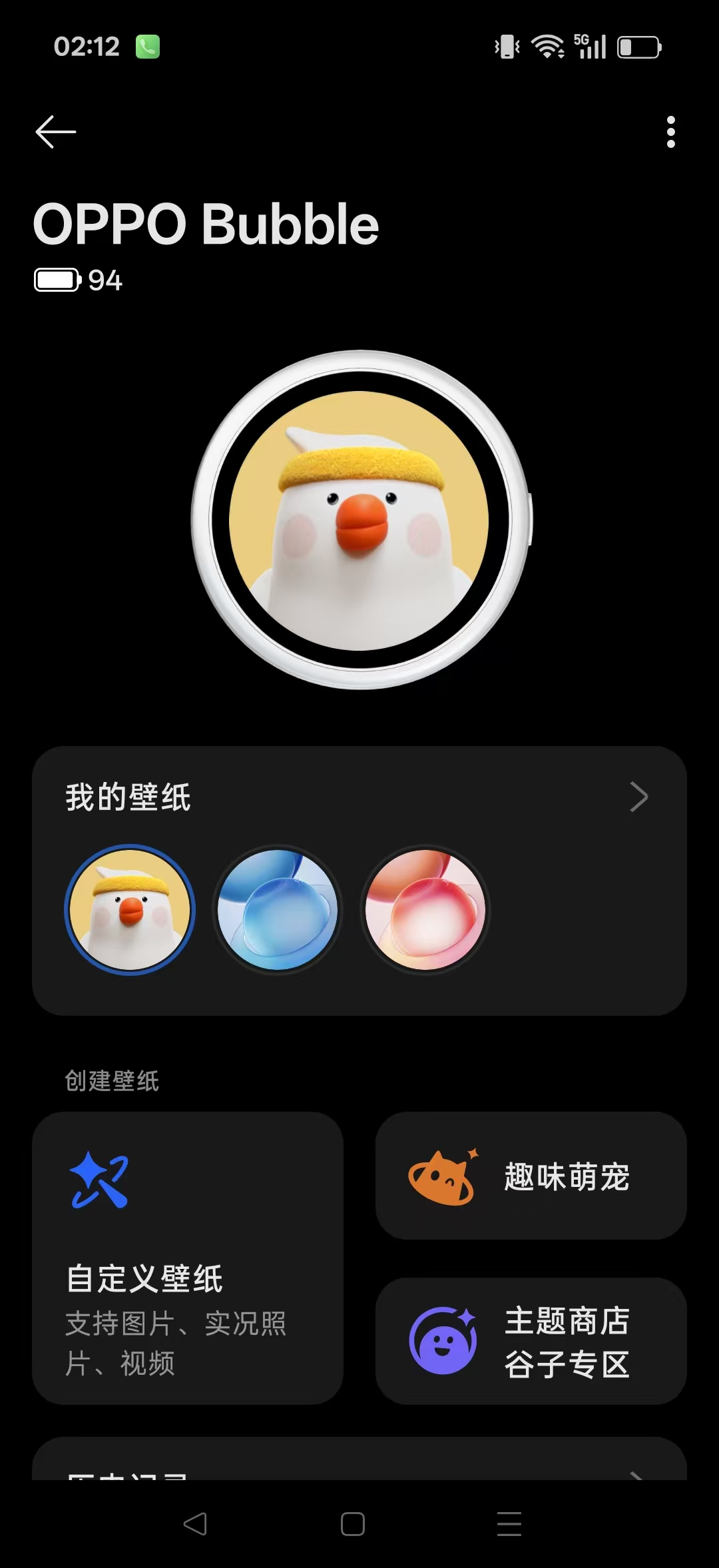
Image source: LeiTech
Naturally, users can also upload favorite images via the app and turn the OPPO Bubble into an electronic badge. While the OPPO Bubble still has room for functional improvement in shooting capabilities, it delivers strong emotional value.
OPPO Keeps Delivering Fresh Ideas for Selfies
Earlier when introducing the OPPO Bubble, I mentioned it marked yet another creative brainstorm from OPPO. The word "yet another" is used because LeiTech regards OPPO as one of the brands devoting the most attention to selfie technology.
In the early fledgling era of smartphones, some manufacturers added tiny mirrors next to rear cameras, helping users roughly position their faces while taking selfies. This low-cost design fit smartphone hardware back then yet only helped with shooting orientation, failing to assist with framing and composition. Restricted by the technology of that era, front cameras produced exceptionally poor image quality. Front-facing 0.3-megapixel sensors were comparable in image performance to the Cangye C3M1 I tested a few days ago.
It was against this backdrop that the OPPO N1 (not the later OPPO Find N) debuted.
Boasting a rotating camera module, the OPPO N1 allowed users to swivel the rear camera to the front of the phone and take selfies with the high-quality rear lens viewed on the main screen.
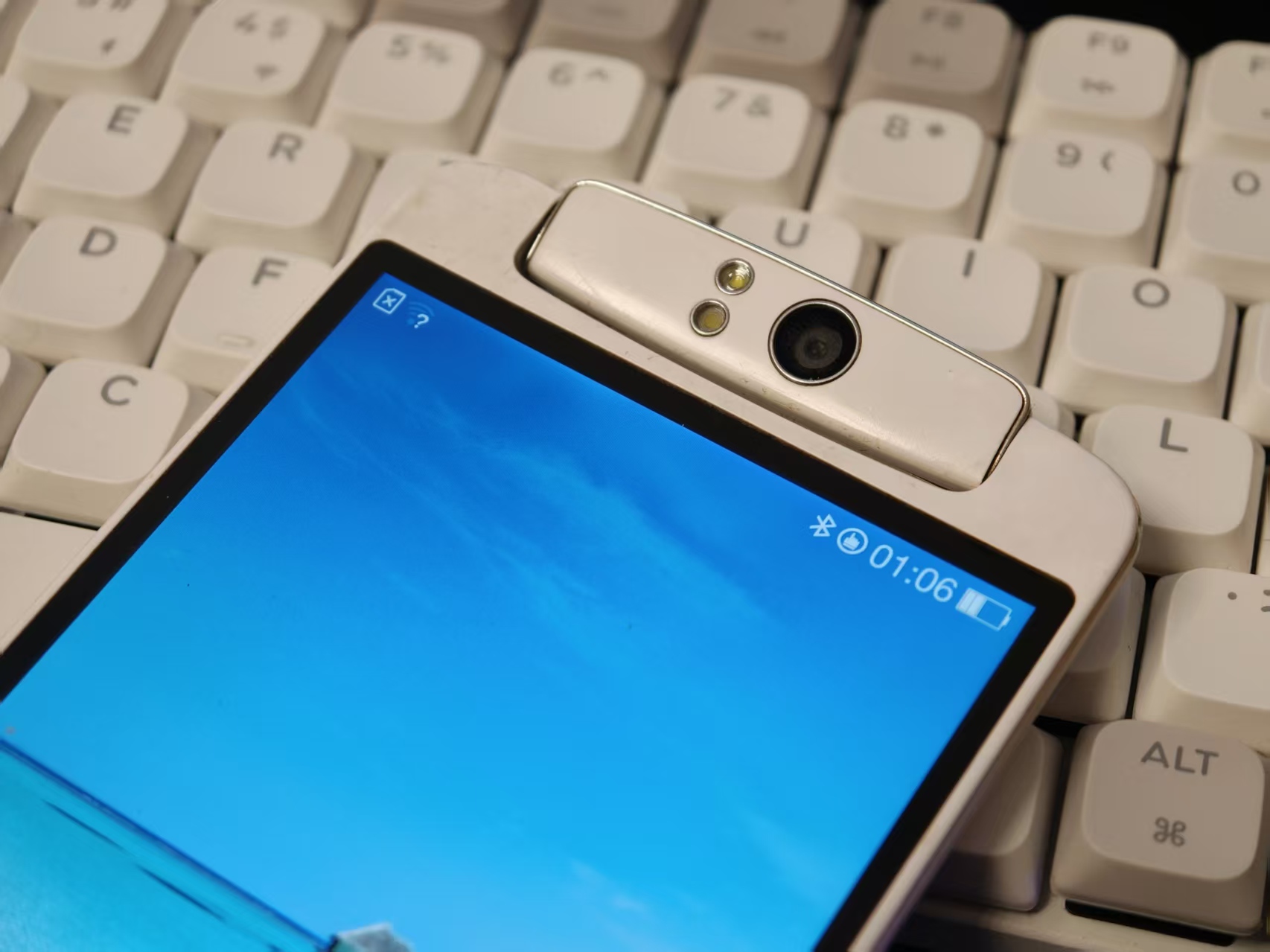
Image source: LeiTech
Judged by today’s standards, the rear camera of the OPPO N1 delivers primitive image quality. Yet back in its day, this design was a stroke of genius. It genuinely lifted the ceiling of smartphone selfie quality to match that of rear cameras.
When smartphones entered the full-screen era, OPPO rolled out the pop-up-camera Find X and a dual-screen prototype of the Find X. Though these two phones were originally engineered to boost screen-to-body ratios, they incidentally broke through the selfie limits of their time with clever design ideas.
From the OPPO N1 all the way to the OPPO Bubble, OPPO has never ceased its pursuit of better selfie experiences.
This Tiny Screen Is Natively Built for the AI Era
As usual, before offering purchasing advice, we follow LeiTech’s review template to sort out the strengths and weaknesses of the OPPO Bubble.
Advantages:
1. Compact and lightweight build;
2. High screen brightness with good visibility outdoors;
3. Magnetic attachment design for effortless use.
Disadvantages:
1. Very limited camera adjustment options;
2. No wireless charging support; cannot receive power via phone reverse charging;
3. Noticeable thick bezels around the display;
4. Restricted functionality, usable only for selfie framing and decoration.
Undeniably, the OPPO Bubble solves the hassle of framing shots when taking selfies with rear cameras. Nevertheless, after weeks of real-world use, I believe the OPPO Bubble is capable of far more than merely acting as a selfie display.
To cite a simple example: the device works as a rear-camera viewfinder for photography. When worn as a bag charm, it can handle notification alerts normally undertaken by smartwatches and fitness bands. If the next-generation OPPO Bubble adds a microphone and sensors, users will even be able to wake Breeno directly on the gadget. People can interact with the AI Agent via the OPPO Bubble without needing to take out their mobile phones at all.
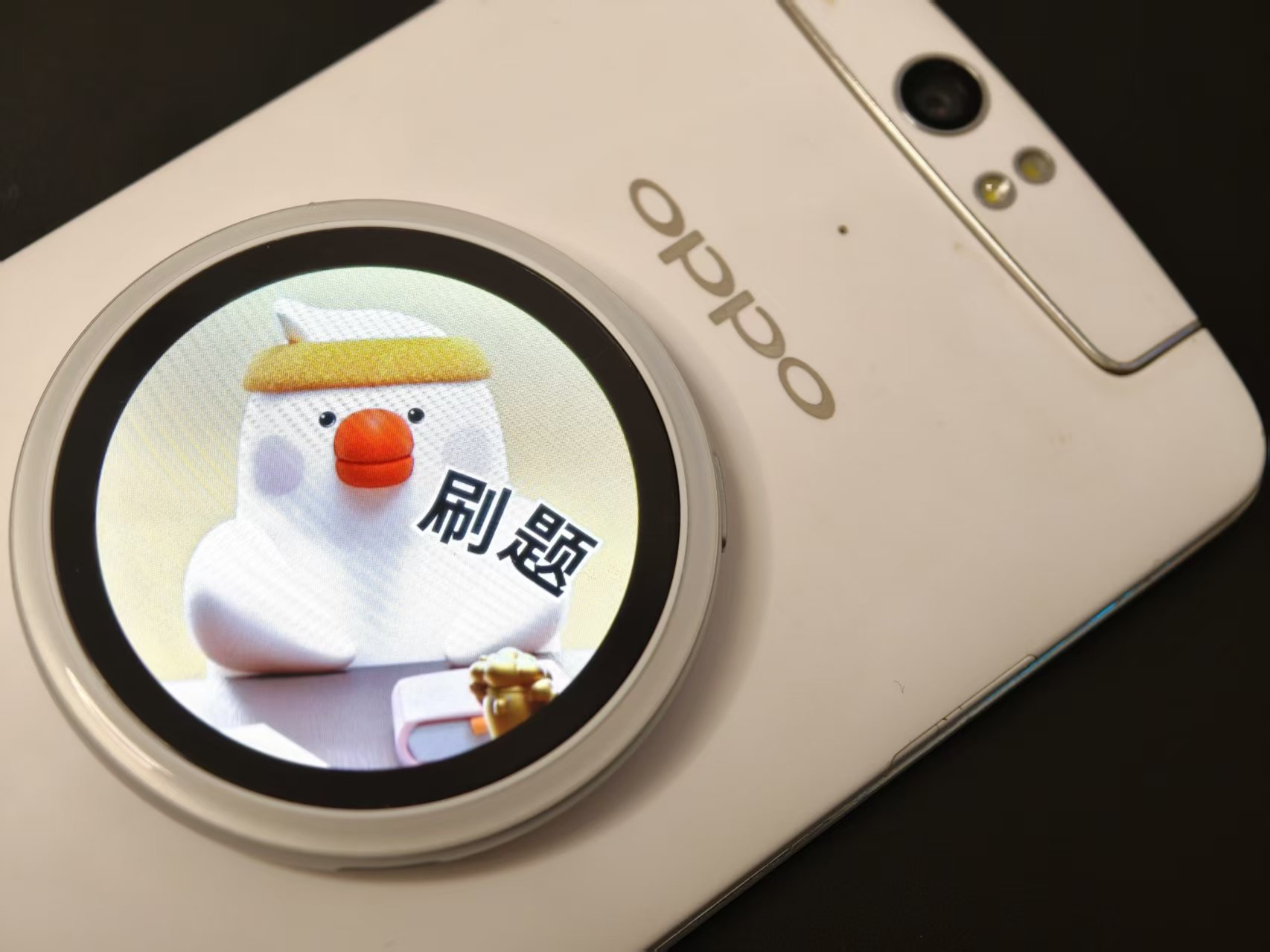
Image source: LeiTech
It is no exaggeration to say that the current version of OPPO Bubble already takes shape as embryonic AI hardware. With minor upgrades and refinements, it stands a solid chance to unlock broader development opportunities riding the trend of AI Agent.
Unfortunately, concepts such as a digital pocket watch or AI companion have not yet been realized on OPPO Bubble. Based on my hands-on experience so far, the product targets a very narrow user group. If you frequently take large numbers of selfies and find the image quality of your phone’s front camera unsatisfying, OPPO Bubble enables much easier framing with the rear camera.
That said, if you pursue superior photographic quality, a semi-professional mirrorless camera equipped with a flip-out screen may serve as a more suitable option.
The WAIC2026, themed “Smart Partners, Co-Creating the Future,” is currently underway!
The AI narrative has shifted—from stacking model parameters toward tangible Agent-driven productivity; heterogeneous computing and photonic computing continue pushing computational ceilings; embodied intelligence accelerates real-world deployment, bringing robots into homes and factories—making physical AI a reality.
The LeiTech WAIC reporting team has arrived in Shanghai to cover AI’s annual industrialization milestone—stay tuned!