 雷科技
雷科技




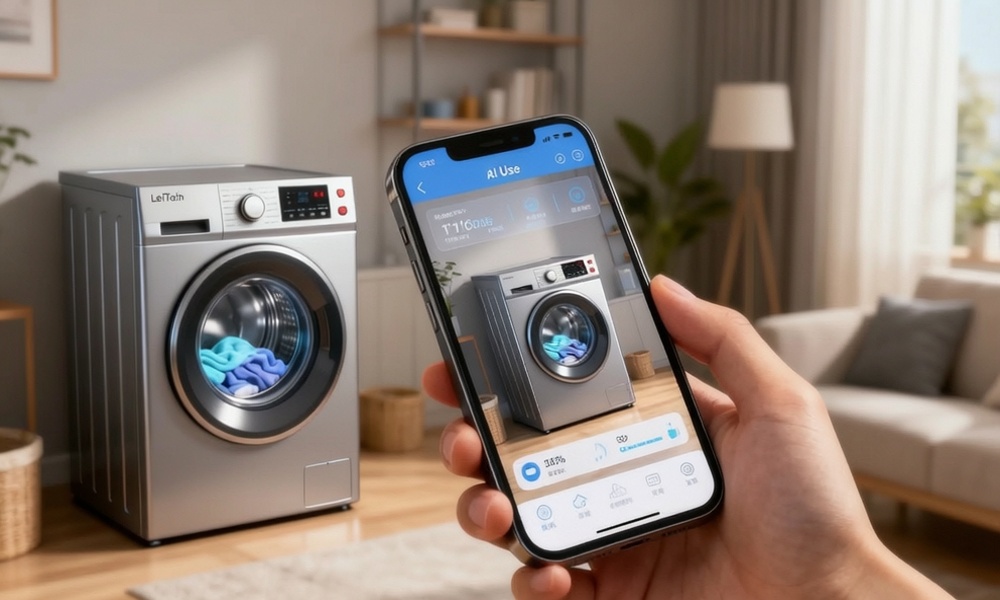

In May 2026, Samsung rolled out a major OTA upgrade to users of its Bespoke AI Refrigerators sold in the US market. The update integrates Google Gemini large language model, boosting food ingredient recognition capacity from 37 types to more than 2,000. Its voice assistant supports multi-turn natural conversations and can even automatically recommend recipes based on ingredients stored inside the fridge.
However, this upgrade is only available for 2024–2025 models. If you bought a Bespoke refrigerator in 2023, it bears the same AI label and belongs to the identical product line, yet you will never receive this update simply because it was released one year earlier.
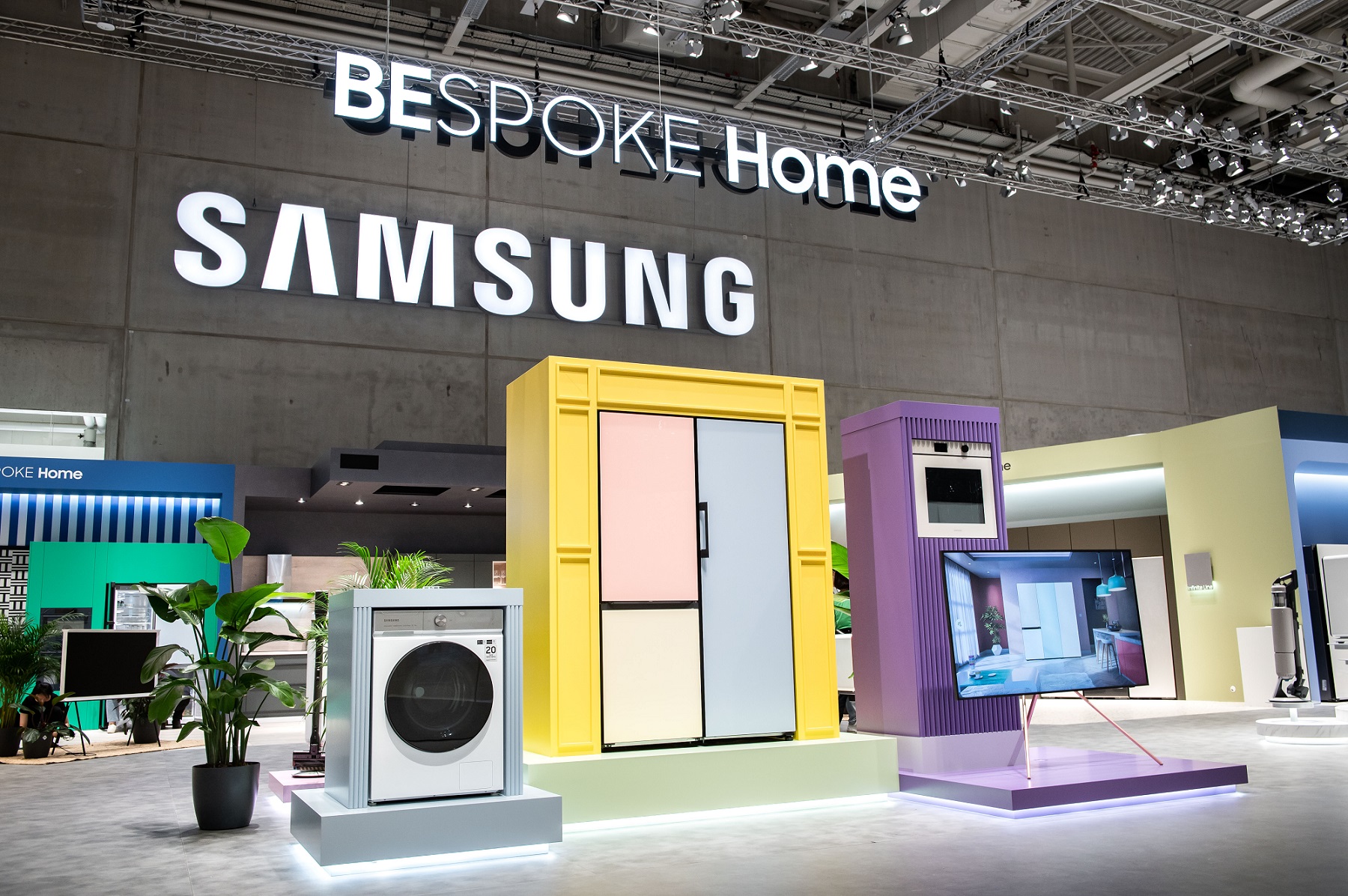
Image source: Samsung Nesrooms official website
Ironically, Jeong Seung Moon, Vice President of Samsung’s Digital Appliances Division, once stated: “The value of home appliances should not be fixed at the moment of purchase but should continuously evolve alongside surrounding technological advancements.” Yet in practice, Samsung only delivers such continuous evolution to models released within the past year.
It would be unfair to single out Samsung as a negative example. Leitech (ID: leitech) has observed that this issue plagues the entire AI home appliance industry: appliances are warranted for a decade, yet their smart functionality may only remain viable for one year.
AI iterates on a monthly basis, and large language models launch major updates every six months. The smart features embedded in home appliances have an extremely short effective lifespan. The critical question is: who ultimately decides how long this validity period lasts?
AI Updates Monthly—Do AI Appliances Become Obsolete the Moment They Launch?
It is market consensus that refrigerators have a design lifespan of 10 to 15 years, while air conditioners are expected to last at least eight years. Consumers naturally assume home appliances are built for long-term use.
Nevertheless, AI evolves far faster than the replacement cycle of household appliances.
Back in 2023, selling points for AI smart TVs included voice search for videos and basic Q&A functionality. Most could not process vague verbal commands, let alone cross-device interconnection.
By 2025, televisions from Hisense and Changhong had integrated the DeepSeek large model, supporting multi-turn natural dialogue. They generate personalized recommendations based on users’ viewing history and enable one-command linkage with air conditioners and curtains. Even with identical screen panel sizes, their AI capabilities are separated by at least two generations.
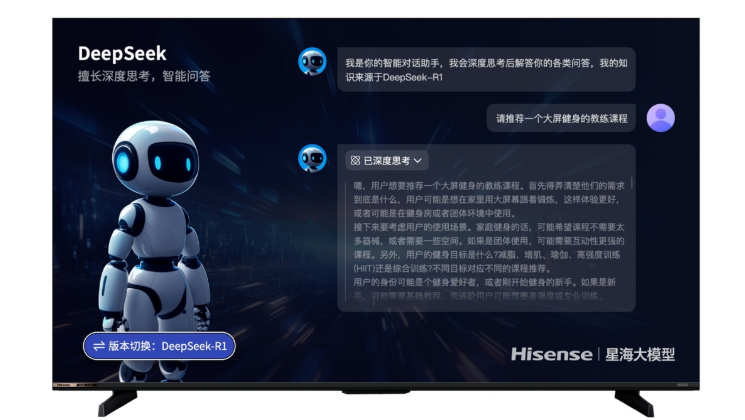
Image source: Hisense Vision
Air conditioners follow the same pattern. The smart features of GREE’s Calm King series in 2023 amounted to little more than Wi-Fi mobile connectivity, remote power control and basic temperature regulation. Functions accessible via the APP offered no meaningful difference from the physical remote control.
In 2025, GREE released the AI Calm King series equipped with a built-in AI energy-saving chip. No manual activation of power-saving modes is required; the unit learns user habits automatically after startup and grows increasingly efficient with use. It delivers targeted cool air flow avoiding human bodies and distributes warm air close to the ground. Despite nearly unchanged hardware parameters for this 1.5-horsepower wall-mounted unit, older models can never access these new intelligent features.
The mobile phone industry spent more than a decade transitioning from feature phones to smartphones, whereas regular home appliances only took two years to evolve into smart variants.
The vast majority of AI home appliances lack architectural support for sustained OTA upgrades, suffer from insufficient reserved chip computing power, or have sensor specifications incompatible with new algorithms. Of course, manufacturers’ willingness also plays a decisive role.
A 2023 smart refrigerator cannot run local inference for 2025 large models, much like an iPhone 6 cannot handle iOS 18. While users replace mobile phones every two years, few people are willing to swap out their refrigerators so frequently.
IDC forecasts China’s smart home device shipments will exceed 300 million units in 2026. Among these 300 million devices, how many will receive decent AI upgrades three years after production? Even manufacturers themselves likely have no clear answer.
The Industry Spoke Unchecked for Years—New National Standards Arrive Late
For years, manufacturers alone defined what constituted a smart home appliance with no unified rules.
In January 2026, China National Radio’s flagship news program China Voice released an investigation report titled An Inquiry into the “Pseudo-Smart” Phenomenon of Smart Home Appliances. Song Xiangqing, Vice President of the China Commercial Economics Society, summarized the industry’s flaws in three phrases: gimmick-driven functionality, fragmented user experience, and hollow technological foundations.
“Manufacturers package basic Wi-Fi plus App functions as smart technology; cross-brand devices struggle to interconnect; algorithm learning capacity remains weak.” This description accurately applies to over 80% of smart home appliances sold on the market.
Barriers to entering the AI home appliance sector remain low, resulting in wildly inconsistent product quality across brands. Without uniform industry standards, each company sets its own definition of “smart”.
In other words, today’s AI home appliance market operates like an unrefereed competition. Brands arbitrarily label their products as L-level smart devices. Consumers pay premium prices for smart features only to receive what amounts to a Wi-Fi remote control with a screen.
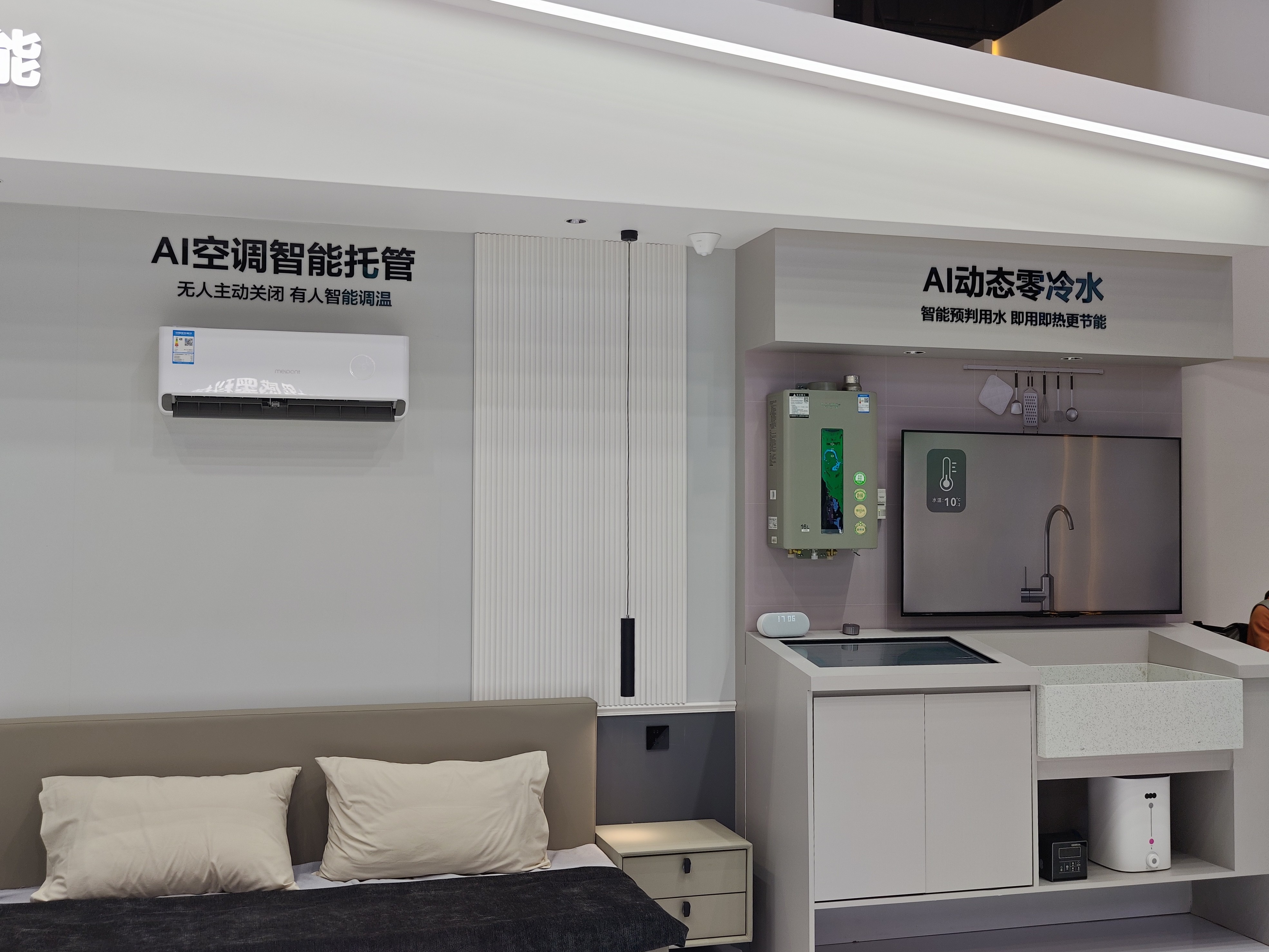
Image source: LeiTech production
Even more outrageous is that some manufacturers actively terminate software services for older hardware, turning once-smart appliances into dumb devices overnight.
In March 2026, a system update for Dali Smart Desk Lamps bricked massive numbers of units with black screens. The brand refused after-sales service, claiming the lamps had been purchased through unofficial channels. Owners of Kandu steam ovens faced worse treatment: the manufacturer permanently disabled internet connectivity remotely via server shutdown and OTA updates. The smart steam oven purchased for 5,599 yuan lost its core selling point entirely overnight.
Most consumers remain unaware of these risks. Research from Consumer Reports (US) shows 43% of shoppers had no idea their smart appliances would eventually lose software support on their last purchase, and merely 35% understood this possibility.
Ironically, 70% of survey respondents believed discontinued software maintenance would not interfere with regular daily use, completely unaware they owned dormant “zombie devices” at home.
While basic hardware functions still operate normally on these zombie appliances, cyber threats targeting IoT malware surge annually. Smart devices cut off from official updates are equivalent to internet-connected personal computers without firewalls, vulnerable to hacking and exploitation at any time.
Thankfully, the rollout of new national standards is expected to improve this situation.
In November 2025, China’s State Administration for Market Regulation approved and published two national standards: “Technical Requirements and Evaluation Methods for Intelligent Household Appliances” and “Application Scenarios for Intelligent Household Appliances,” both taking effect on May 1, 2026. These new standards define five intelligence tiers—from L1 (Basic Intelligence) to L5 (Advanced Intelligence).
L1 relies on linear control governed by fixed pre-programmed rules locked in at the factory. L2 enables dynamic adjustment capability, while L3 and above support multi-sensor parameter fusion. Generative AI capabilities first emerge starting at L4. Cross-referencing this grading system reveals most appliances marketed as AI home appliances at premium prices over recent years fall squarely between L1 and L2.
Three Core Metrics to Bear in Mind When Purchasing AI Home Appliances
The new national standards have only recently taken effect, and industrial reshuffling has just begun. Consumers need updated evaluation criteria when buying AI home appliances at this juncture.
Much like purchasing new energy vehicles, invisible embedded hardware reserves have become critical purchasing considerations.
In the past, buyers evaluated home appliances based on compressors, motors, display panels and energy efficiency—hardware parameters fixed permanently at manufacturing for the product’s decade-long service life. Today, the long-term value of an AI home appliance hinges on three factors: surplus chip computing headroom, forward-looking sensor specifications, and the number of years the brand commits to OTA upgrades.
If a refrigerator still uses mid-to-low-end 2023 chips, runs custom proprietary small-scale models, and publishes no official timeline for software support, it qualifies as an “AI futures product”, obsolete the moment it leaves the warehouse.
Conditions will improve under the new national standards. The L1–L5 grading system finally equips consumers with a measurable benchmark to judge genuine smart value. In an interview with China National Radio, Song Xiangqing emphasized enterprises must deliver continuous OTA upgrades, the core spirit of the new regulations: smart home appliances are not one-time transactions; manufacturers bear the obligation to sustain evolving intelligent performance throughout the product service life.
However, these updated national standards remain recommended rather than mandatory, leading to massive inconsistencies in real-world implementation.
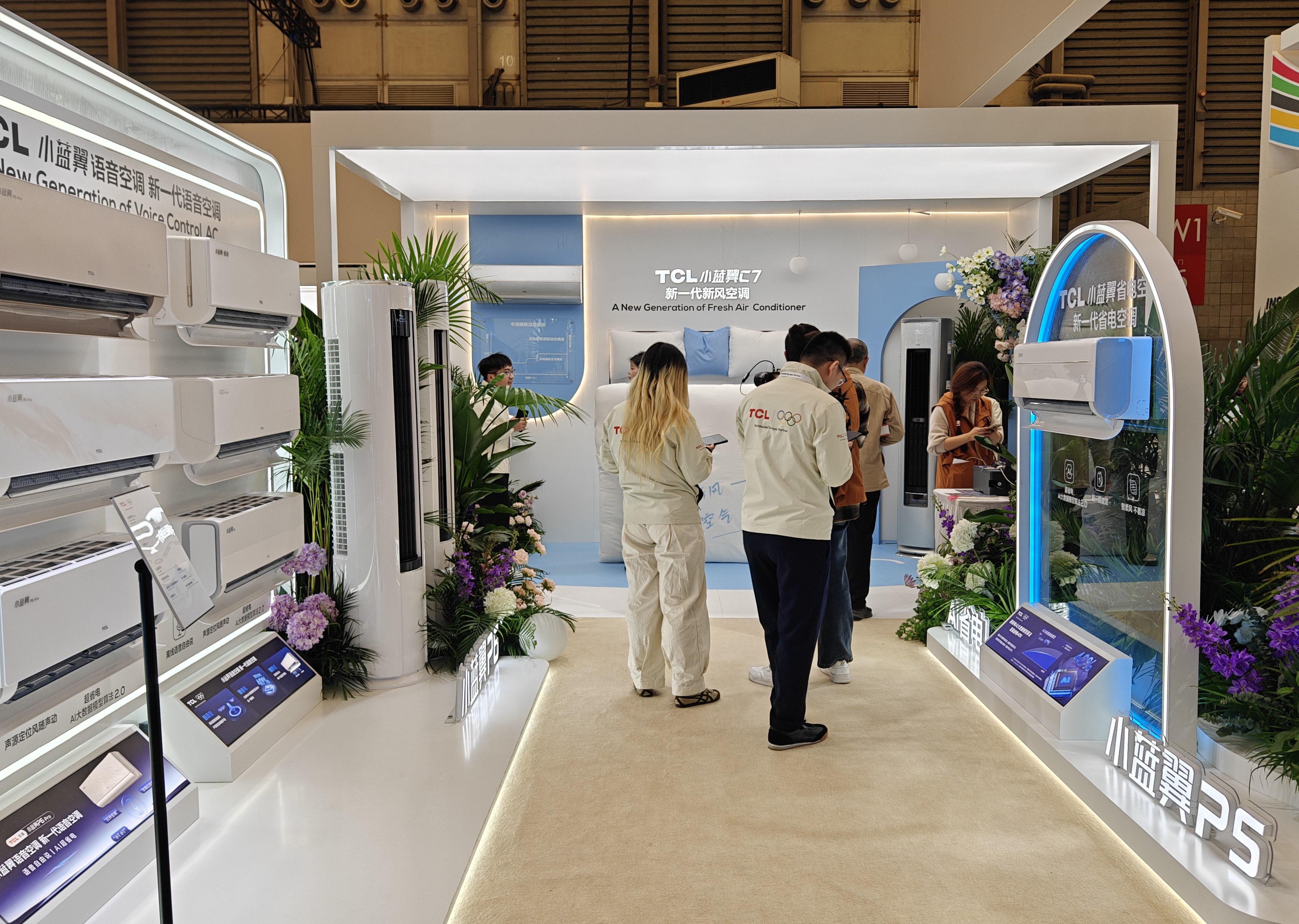
Image source: LeiTech production
Accordingly, Leitech (ID: leitech) compiled three key questions customers should ask sales representatives directly before buying:
What is this device’s intelligence tier? If it’s rated L1 or L2, its “smartness” peaks at launch—don’t expect significant future upgrades.
How many years of OTA support does the manufacturer commit to? Vague answers—or platitudes like “we’ll continually optimize”—effectively signal “sell-and-abandon.”
Will core functions remain operational offline? This is the baseline. No matter how advanced its AI, a refrigerator must still cool—and an air conditioner must still blow air. Intelligence must not be conflated with cloud dependency; honoring this distinction represents the manufacturer’s most fundamental respect toward consumers.
Ultimately, the expiration of AI functionality reflects a deeper contradiction: one product governed by two divergent timelines—AI evolving monthly, appliances replaced every decade.
Before the new national standards, the industry widely packaged basic Wi-Fi+App connectivity as advanced pseudo-intelligence, charging heavy premiums far exceeding hardware costs. Full implementation of the standards creates a clear dividing line going forward: brands with reserved chip capacity, formal OTA commitments and on-device AI will extend smart service lifespans nearly matching hardware durability. Brands reliant only on superficial labeling will gradually lose market share under transparent L1-L5 grading.
It is unreasonable to demand consumer acceptance when an appliance’s compressor remains functional yet its AI capability expires prematurely. Manufacturers must prioritize long-term continuous upgrades. A refrigerator built to last ten years deserves smart computing power designed to match that full decade of service life.
WAIC2026—under the theme “Smart Partners, Co-Creating the Future”—is now underway!
The AI narrative has shifted from stacking model parameters toward tangible Agent-driven productivity; heterogeneous collaboration and photonic computing continue pushing computational limits upward; embodied intelligence accelerates real-world deployment—robots entering homes and factories make physical AI a reality.
The LeiTech WAIC exhibition team has arrived in Shanghai to capture the annual pinnacle of AI industrialization—stay tuned!