
 雷科技
雷科技





I (Leitech, ID: leitech) have a slightly quirky hobby: browsing Xianyu in my spare time. It’s not that I’m obsessed with scoring great bargains; the platform itself is endlessly fascinating. You never know what you’ll scroll across next—a flagship Android phone from a decade ago, an engineering prototype even brand insiders might fail to recognize, or some bizarre gadget that makes you marvel at how intricate global supply chains can be.
Recently, I stumbled upon an absurdly weird compact smartphone.
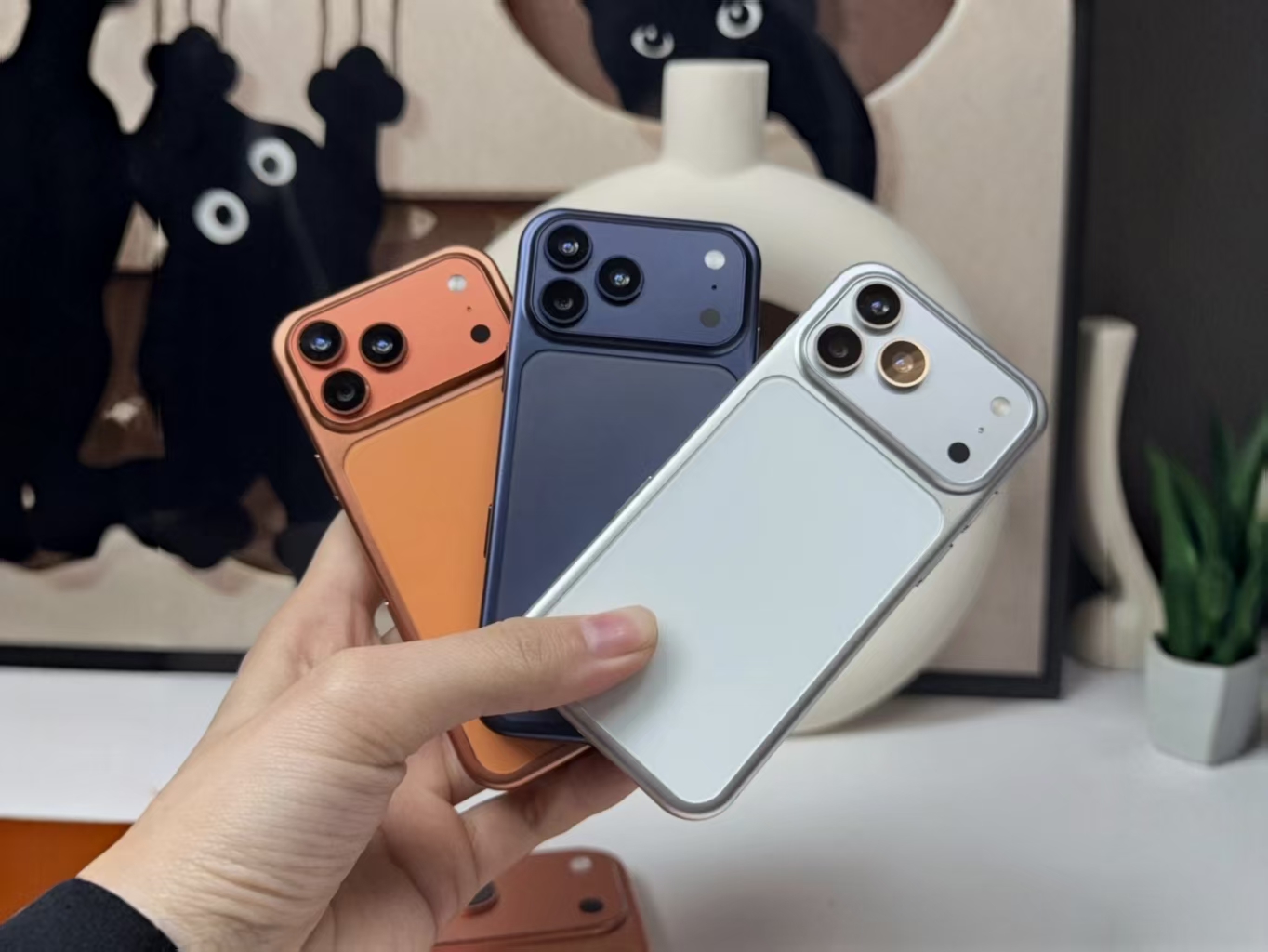
(Image source: Xianyu)
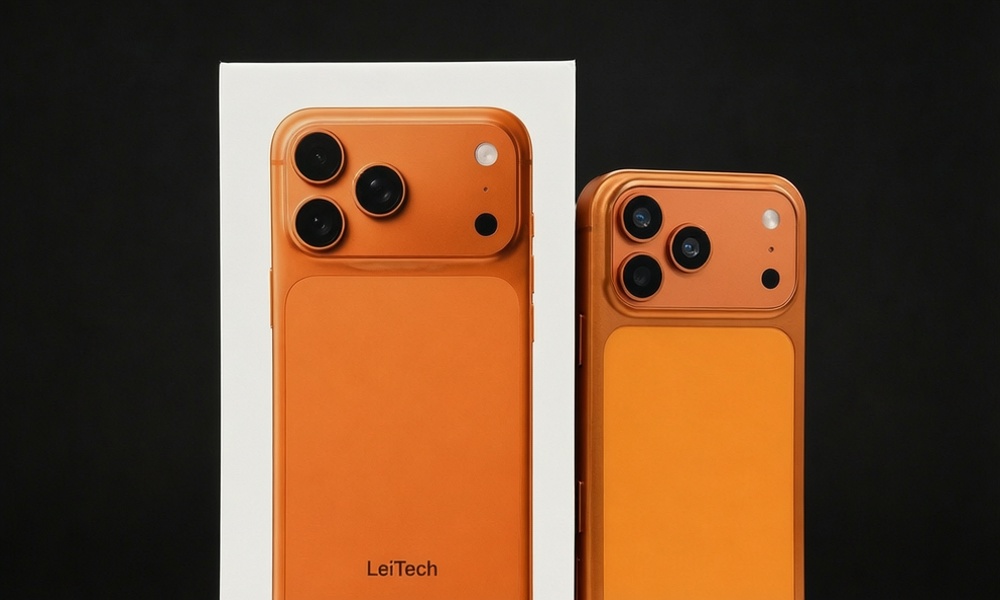
Dubbed the IP17 Pro Mini, it looks like a shrunken iPhone 17 Pro, boasting a tri-tone metallic shell and a 4.5-inch small screen. The listing advertises ample RAM, generous storage, and an AI-powered smart system, priced as low as 299 yuan. It’s obvious at first glance that there’s more than meets the eye.
Apple has discontinued its mini lineup, yet counterfeit phones have fulfilled the wishlist of small-screen enthusiasts?
Curiosity got the better of Leitech, so we purchased one for testing. Today we’ll break down this Huaqiangbei knockoff iPhone, revealing whether it is a hidden gem for small-screen lovers or nothing more than electronic junk.
Uncanny Exterior Replication—Would Apple Be Impressed?
When I first unboxed the IP17 Pro Mini, I had to admit it had decent superficial appeal.
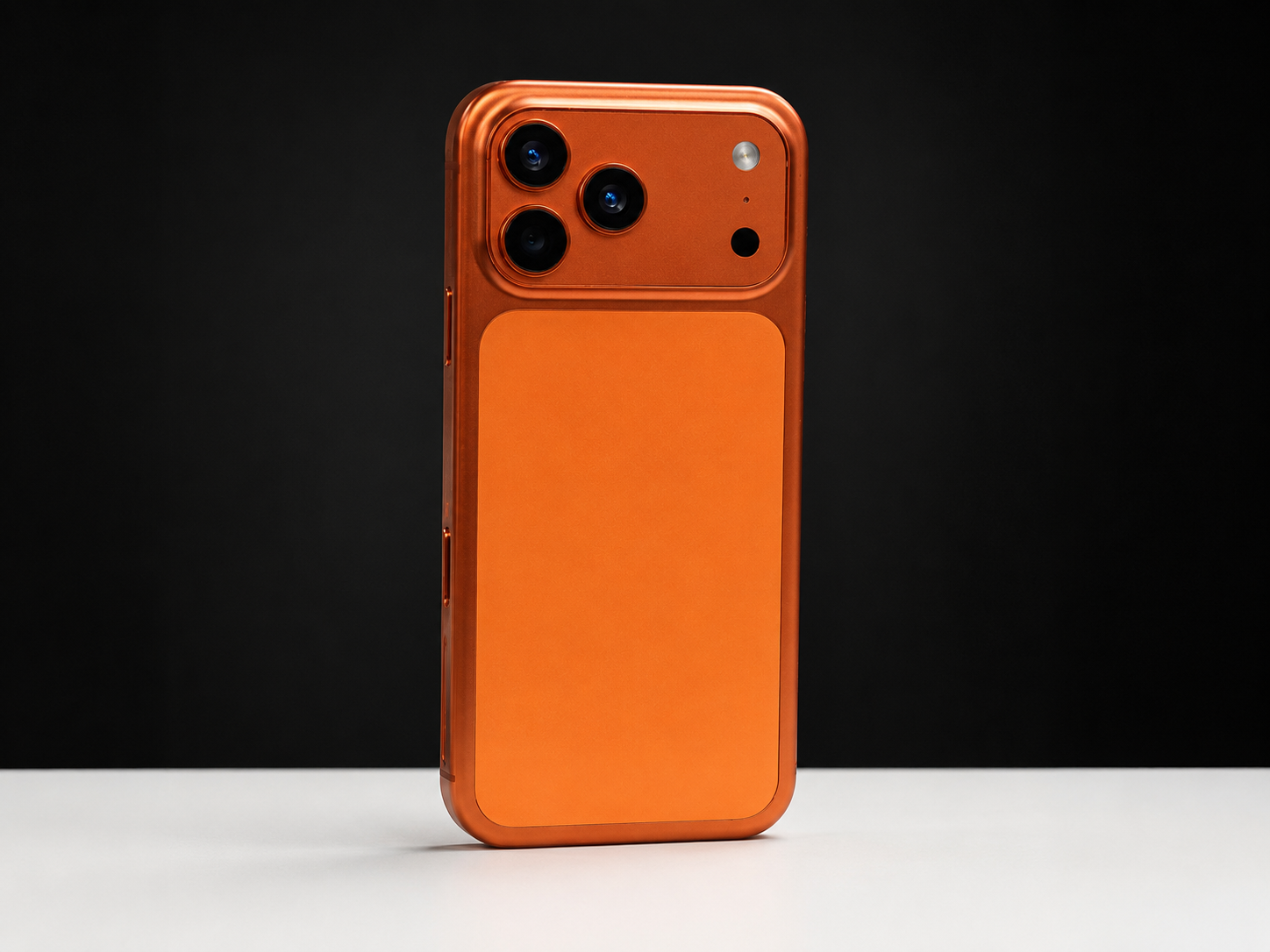
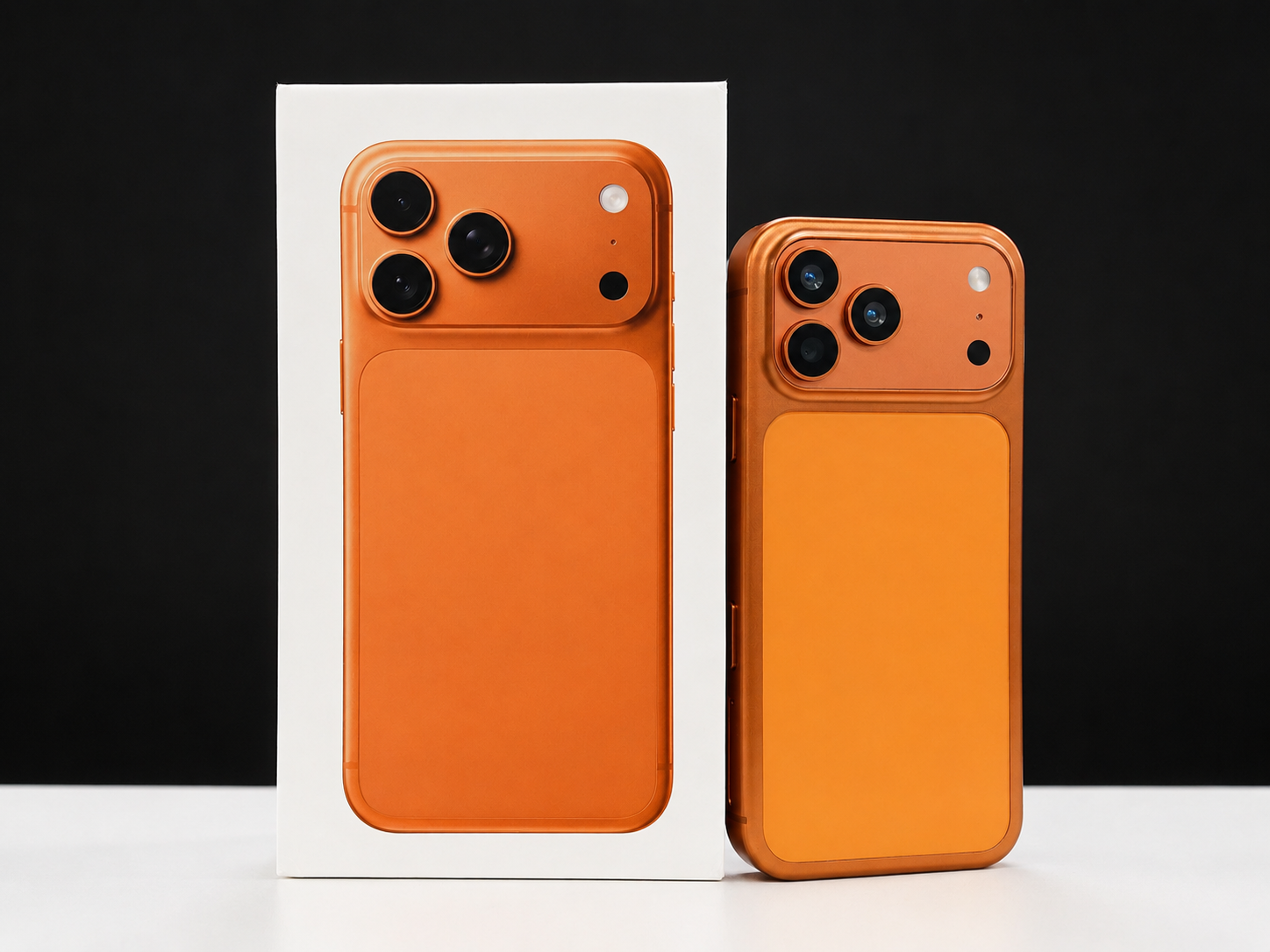
Apple’s signature orange was its flagship color last year, and this copycat phone mimics that orange metallic finish of the iPhone 17 Pro painstakingly. The rear features a large camera bump, even replicating the two-tone spliced material design of Apple’s flagship.
(Image source: LeiTech)
At a quick glance, it bears a solid 70% resemblance to the genuine iPhone 17 Pro.
Moreover, it is remarkably tiny. Held in hand, the 4.5-inch chassis feels far more comfortable than today’s bulky 6.7-inch or 6.9-inch smartphones, striking an instant chord with small-screen fans.
Unfortunately, all favorable first impressions vanish upon closer inspection.
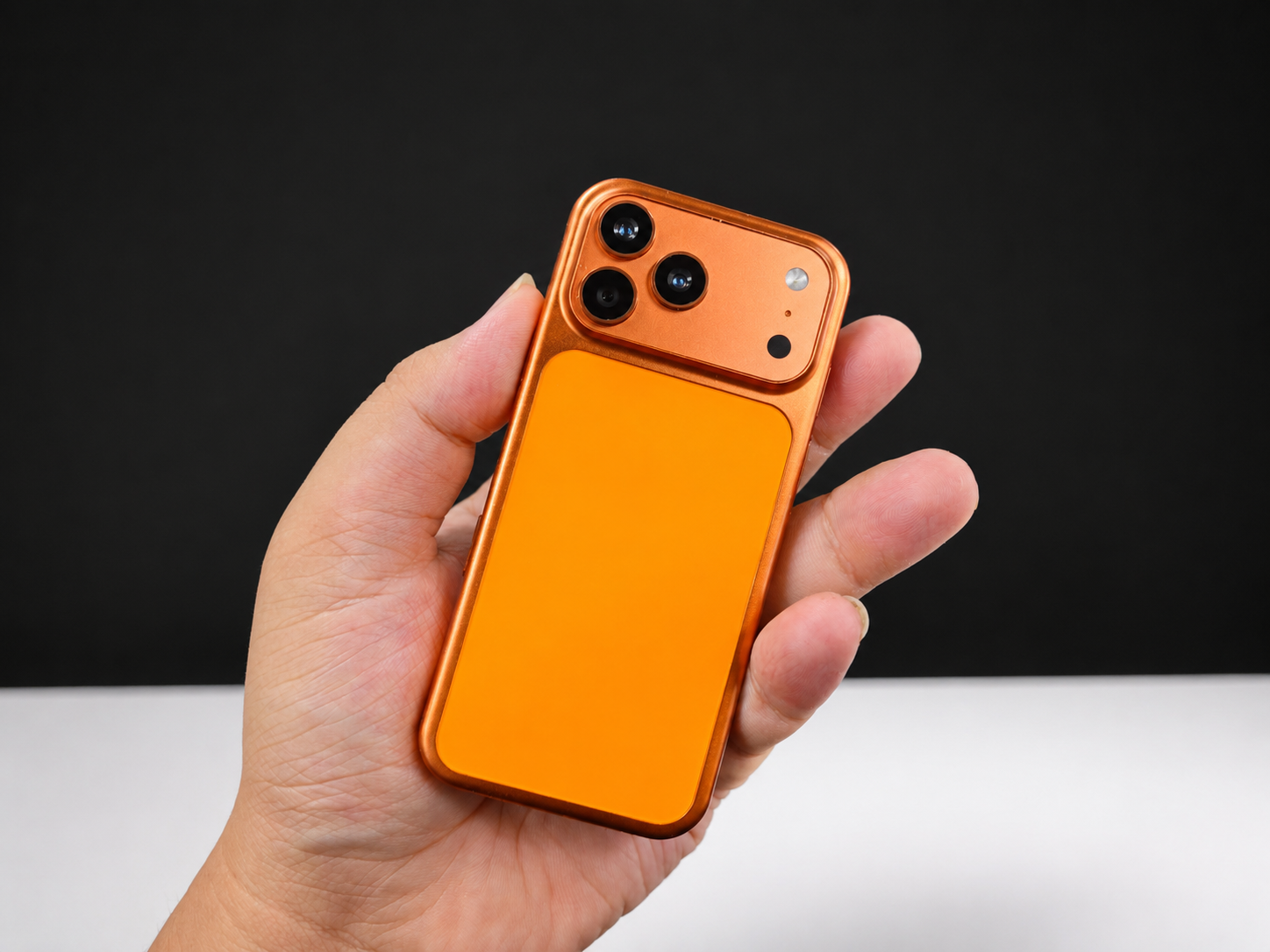
(Image source: LeiTech)
Up close, shoddy corner-cutting details are everywhere.
The metal frame is cobbled together from mismatched metal pieces. The front display bezels are ridiculously thick—wide enough to park an aircraft carrier. Once the LCD panel lights up, its washed-out, cool-toned visuals and dim brightness instantly transport users back to budget Android backup phones from ten years ago.
The most jarring flaw is the single front camera.
A lone selfie lens is not inherently unacceptable, but to mimic Apple’s layout, the phone forces a fake Dynamic Island onto its single front camera. Worse still, this faux Dynamic Island cannot be disabled in settings, eating up precious screen real estate unnecessarily.

(Image source: LeiTech)
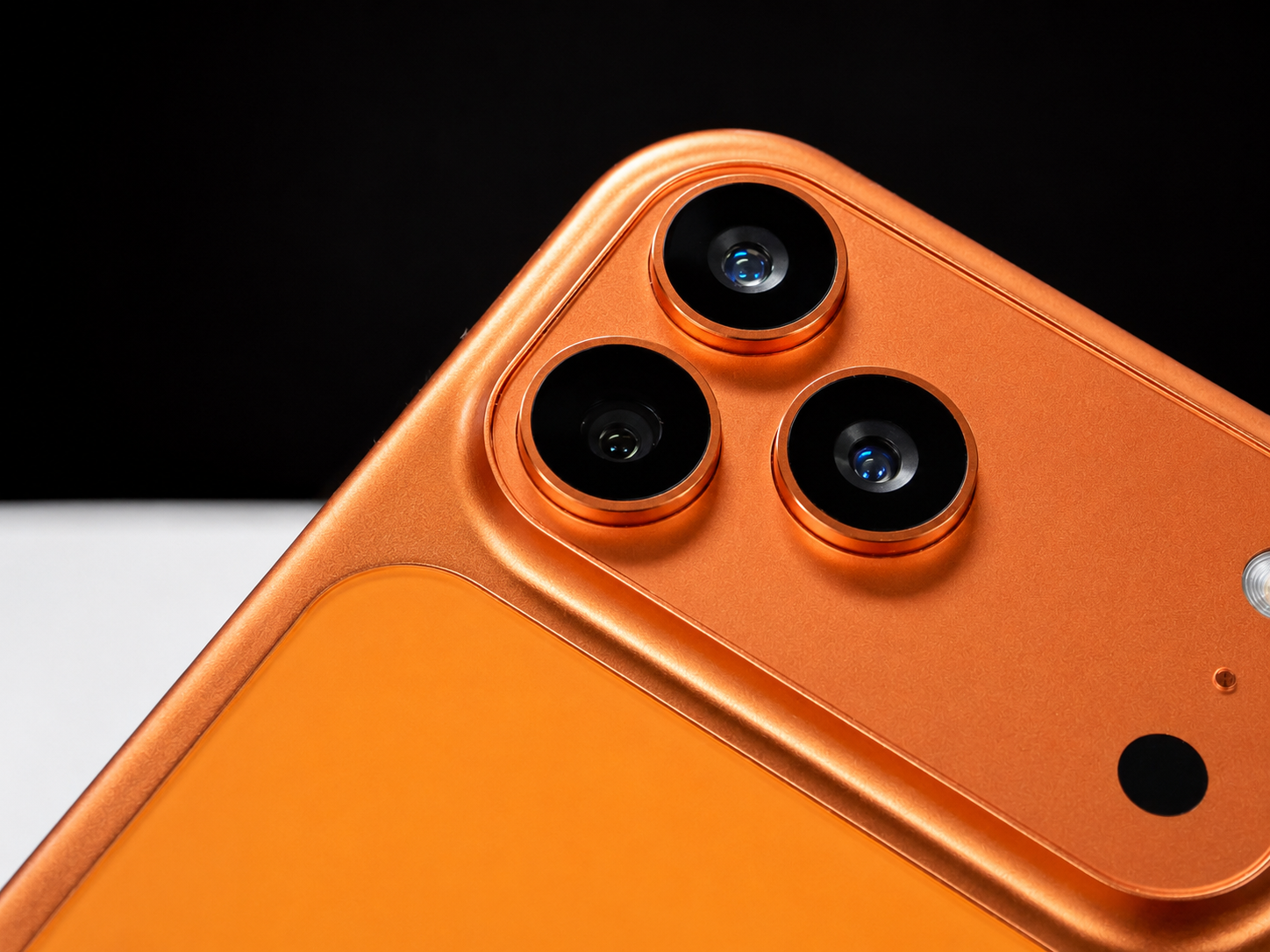
The rear design is even more comical. Its triple-camera module looks imposing at first glance, yet angling the phone toward light reveals only one functional image sensor; the other two lenses are hollow cosmetic fillers purely for visual flair. It is clearly a 1-genuine + 2-fake camera setup.
Oddly enough, this outdated design evokes nostalgic vibes.
(Image source: LeiTech)
This tactic was rampant among old-school counterfeit phones: manufacturers drilled as many camera cutouts as possible and added oversized decorative lens rings for show. Even in 2026, this age-old trick persists. With a few extra fake holes, it could easily follow the old knockoff trope of "nine cameras converging as one".
Its biggest selling point is undoubtedly its compact screen.
Major mainstream brands have largely abandoned small-size phones, constrained by cramped internal space limiting battery capacity, plus troublesome app adaptation hurdles. After Apple axed its iPhone mini series, legitimate smartphone options for small-screen fans have become extremely scarce. The emergence of this device proves there remains niche demand for pocket-sized handsets.
Regrettably, shoddy workmanship paired with a relatively thick body eliminates any premium tactile feel; it serves merely as an amusing novelty for small-screen devotees.
Truth Unveiled on Boot: Falsified Specs, Unexpected AI Features
The exterior can fool casual onlookers, but booting up the system lays bare all its flaws.
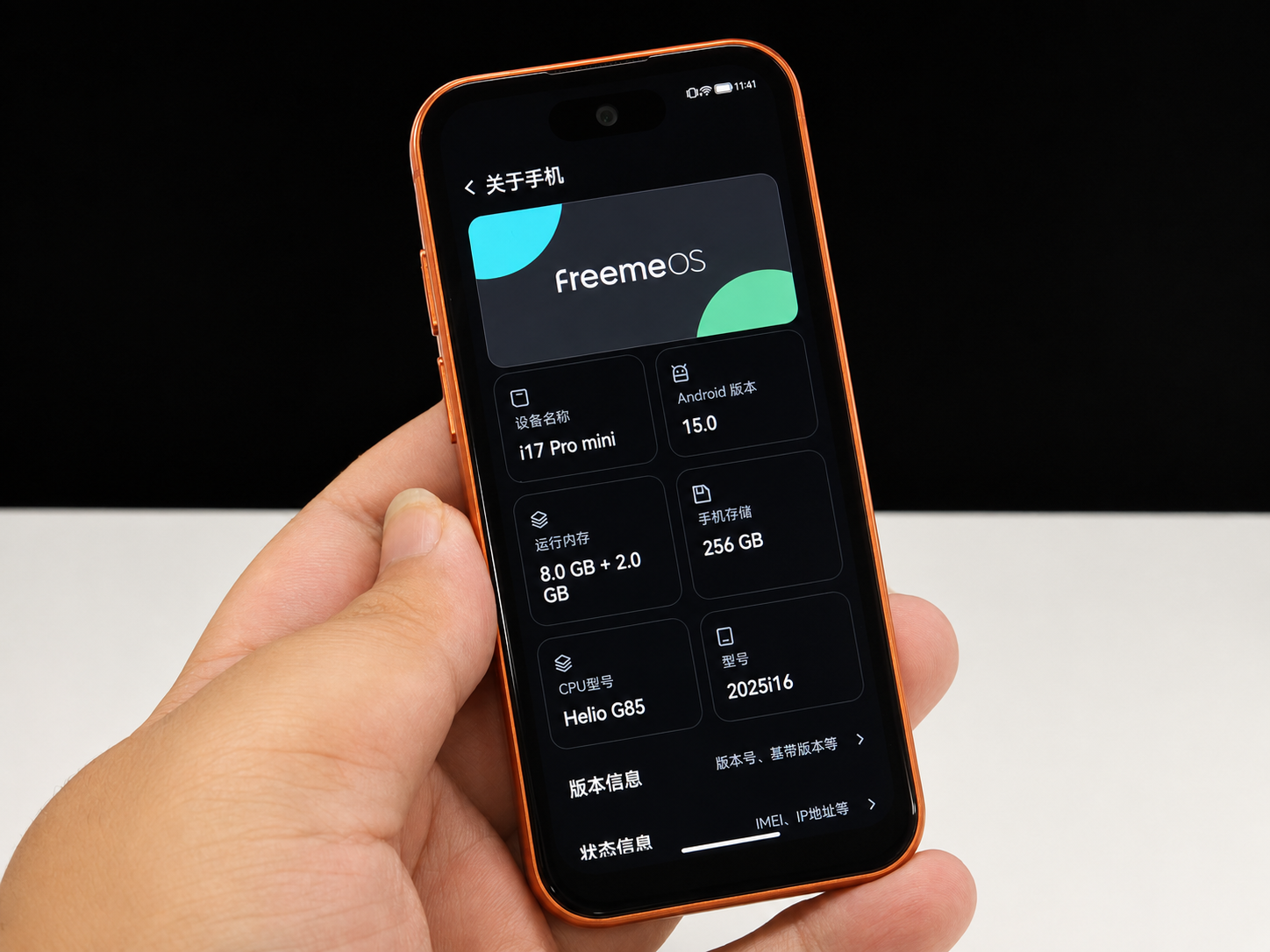
The IP17 Pro Mini runs FreemeOS by Zhoyi Technology—you read that right, the same Zhoyi behind Zhoyi Tong. This is their core domain.
Built atop customized Android, the OS copies iOS aesthetics wholesale, with Apple-style icons, layouts, and Control Center panels. Nevertheless, its iOS imitation feels cheap, akin to the tacky iOS skins installed at roadside phone repair stalls in county towns.
(Image source: LeiTech)
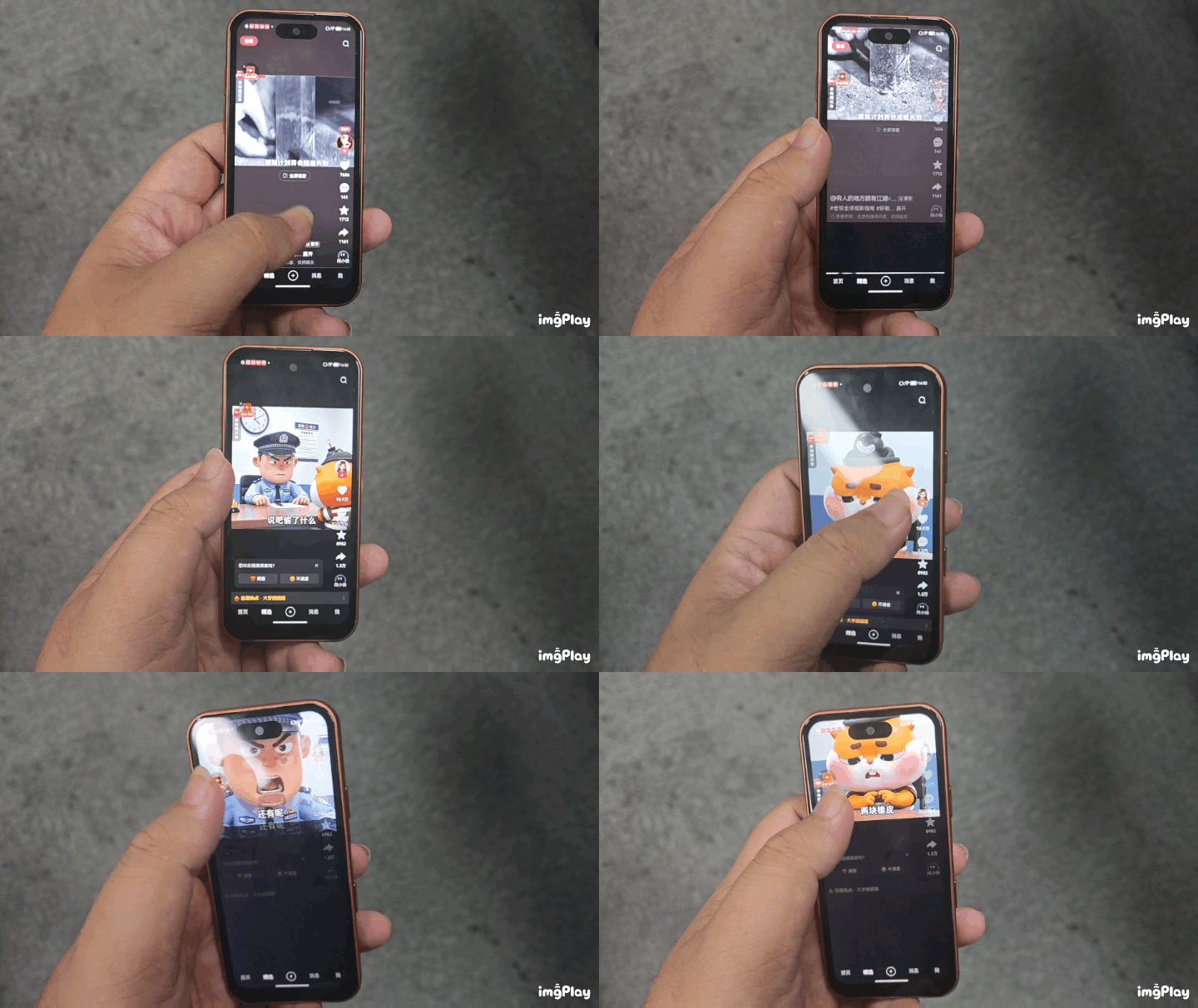
Basic animations exist but lack fluidity, and touch response feels laggy and unresponsive.
Swiping home screens, opening Settings, and switching apps do register inputs; performance is usable and even marginally better than anticipated.
The phone’s advertised hardware specifications, however, are rife with deception.
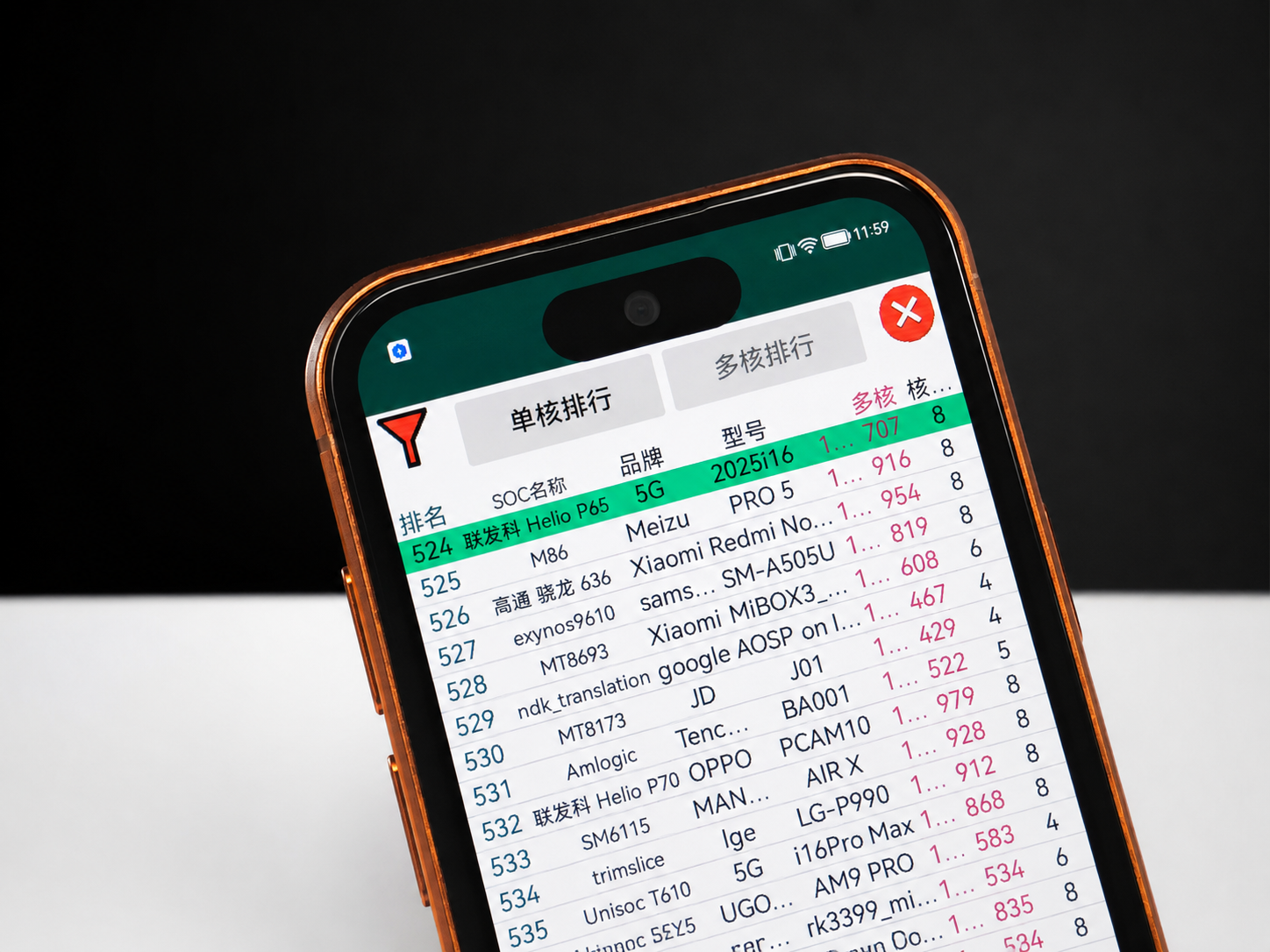
The seller’s listing markets a MediaTek Helio G85 chipset paired with 8GB RAM + 256GB storage. While these specs are nothing spectacular, the newly launched Redmi 17C carries identical hardware at nearly double the price, seemingly making this counterfeit a steal.
(Image source: LeiTech)
Its overall performance is comparable to the Snapdragon 636 released nine years ago.
That said, it suffices for ultra-light daily tasks: making calls, retrieving verification codes, scanning QR codes, running WeChat in the background, and occasional short-video browsing.
It only supports 4G networks, yet domestic cellular coverage remains reliable; I encountered no signal issues throughout testing. With background process limits enabled in Developer Options and few apps kept running simultaneously, it meets the minimum requirements of a secondary backup phone.
It cannot handle regular heavy smartphone usage, however.
Average users run resource-intensive apps constantly: WeChat, Alipay, Douyin, and Bilibili all demand persistent background activity. Pushing this IP17 Pro Mini to run all these apps concurrently is equivalent to forcing an elementary school student to complete an adult marathon—admirable effort, terrible results.
Real-world testing confirms stuttering becomes severe once three apps (including Kuaishou) are opened consecutively.
(Image source: LeiTech)
Gaming? Don’t bother.
The tiny 4.5-inch display paired with low-end hardware makes mobile gaming a punishing experience. The cramped screen causes frequent accidental taps, and the weak chipset cannot render complex game visuals smoothly.
Honor of Kings barely runs at High graphics settings with 60fps enabled, yet mis-taps plague gameplay constantly.
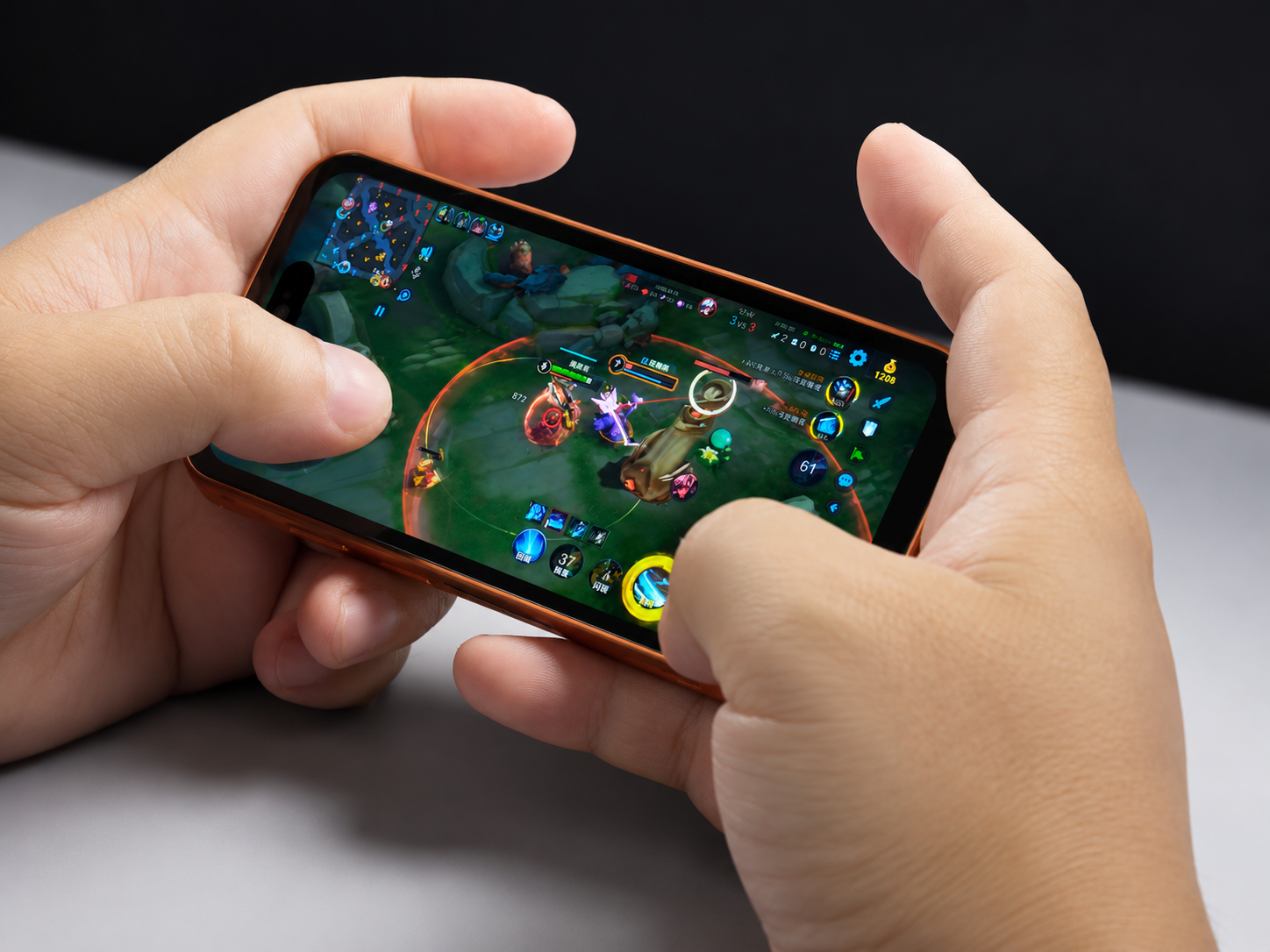
(Image source: LeiTech)
The battery is labeled 5000mAh officially, but real capacity clocks in at just 2300mAh. Standby power drain is rapid, rarely lasting a full day. Gaming depletes power drastically: half an hour of Honor of Kings consumes 22% battery, with maximum gaming endurance capped at two and a half hours.
Charging relies on the classic 5V1A charger, requiring roughly two hours for a full recharge.
Camera performance is limited. The functional rear camera works adequately for daytime QR code scans and shipping label photos.
Night photography, portrait mode, telephoto, and ultra-wide shooting are entirely beyond its capabilities. Even dusk scenes with high contrast expose its sensor limitations.
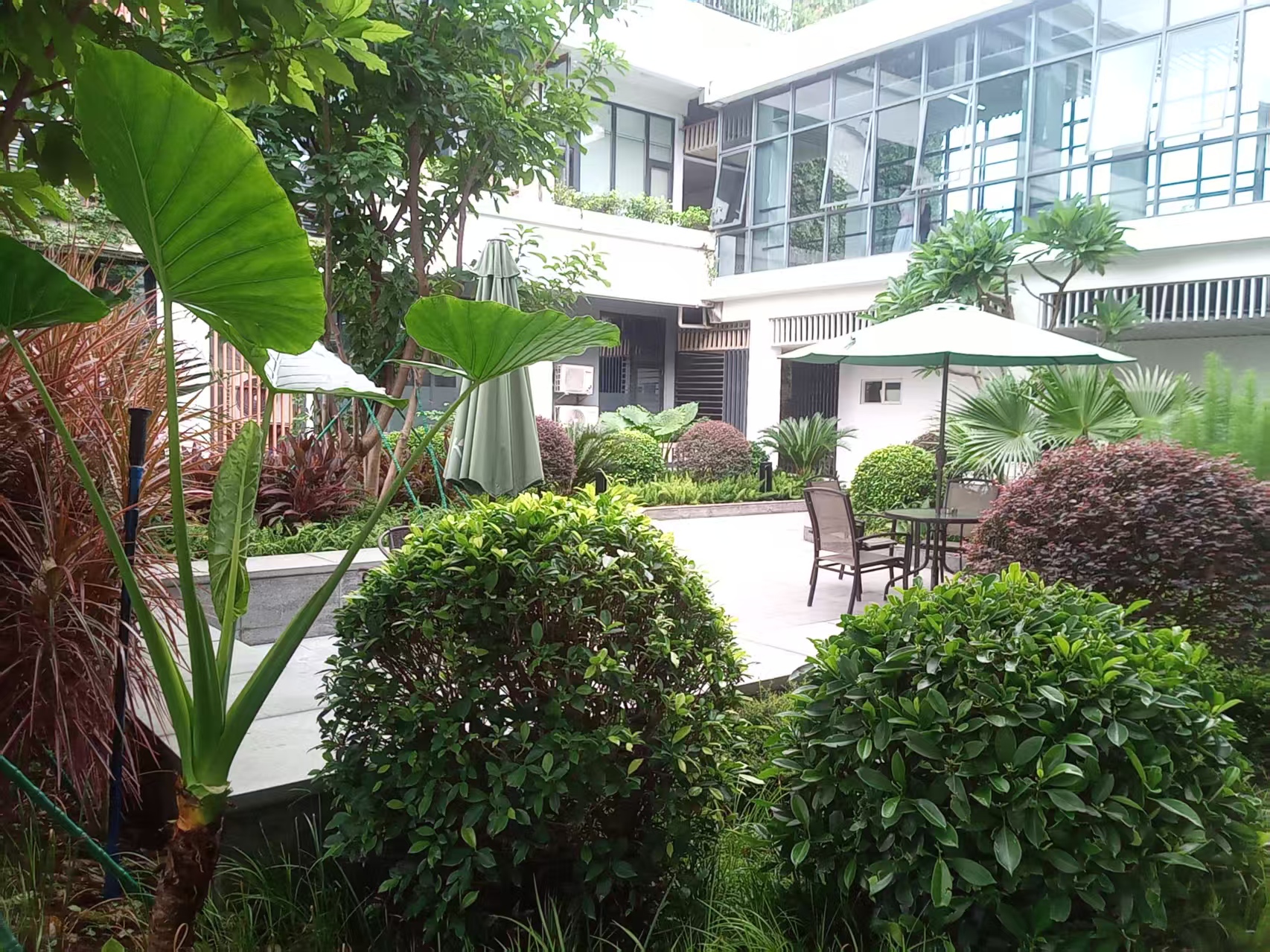
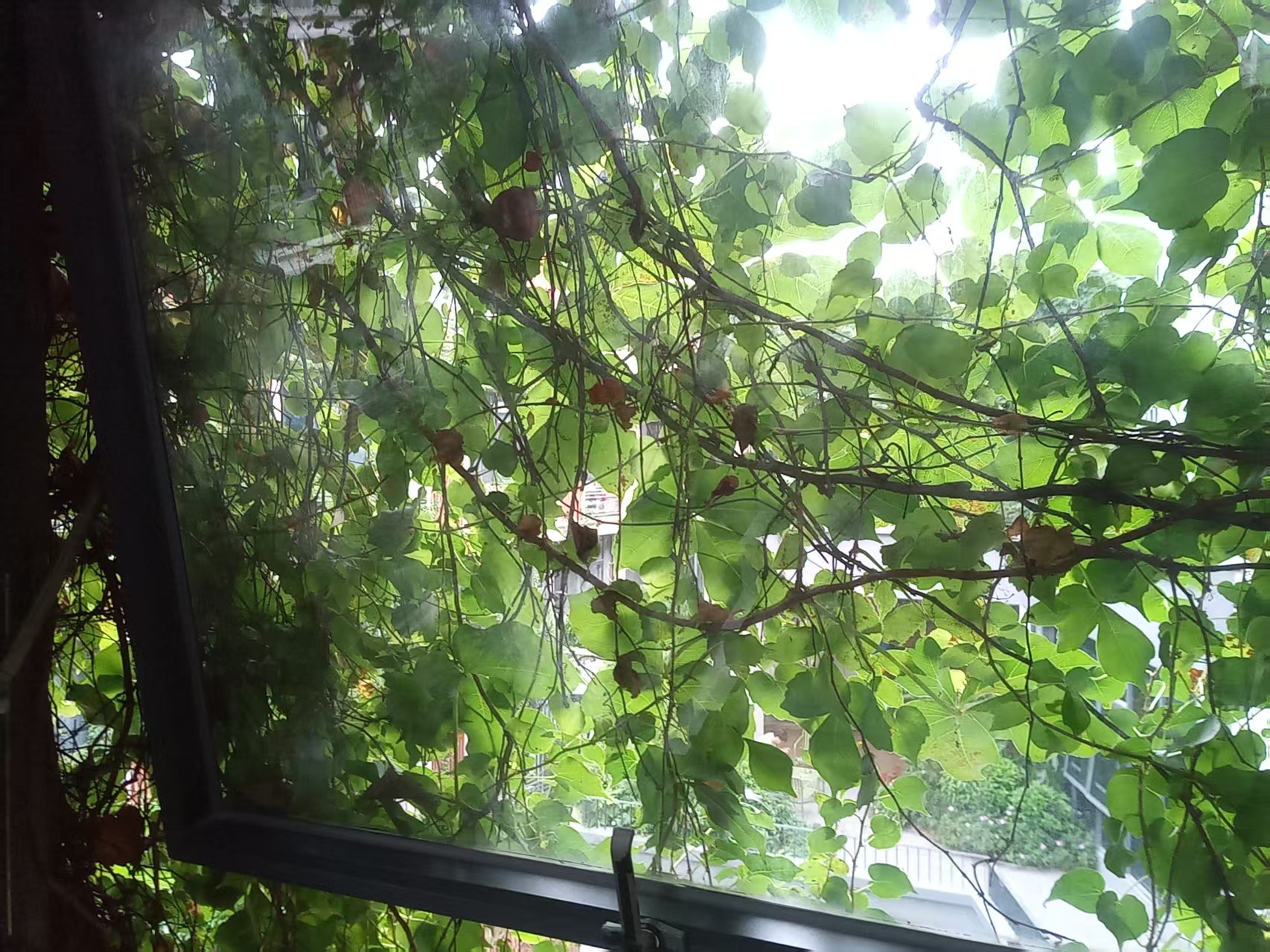

(Image source: LeiTech)
Most surprisingly, counterfeit phones now market AI functionality.
This IP17 Pro Mini includes an AI assistant matching features on flagship devices: AI chat, AI search, multi-purpose agents, plus text and image generation built on the Qwen large language model, delivering acceptable AI functionality.
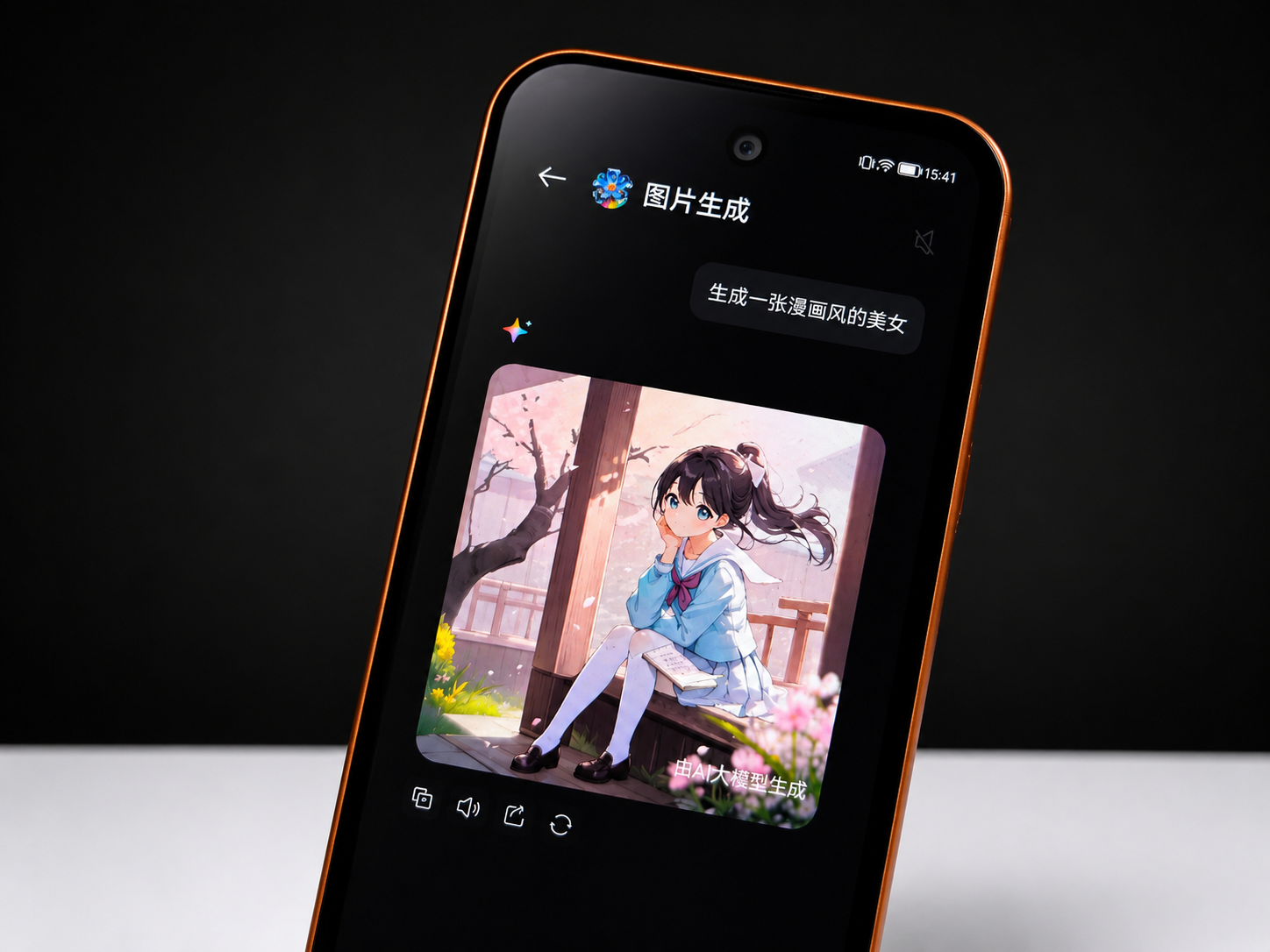
(Image source: LeiTech)
As for Agent capabilities… No one can reasonably expect robust Agent performance from a Helio P65 chip.
Fun for a Moment—The Ceiling of Knockoff Tech?
After testing the IP17 Pro Mini, my biggest takeaway is how sophisticated modern counterfeit phones have grown.
Knockoffs used to copy Apple, Samsung, and every major brand indiscriminately. Today, they cash in on small-screen nostalgia, metallic build trends, and even AI marketing hype.
Label them outdated, and their ability to chase consumer trends outpaces many legitimate brands; label them advanced, and running WeChat evokes the laggy experience of the decade-old Redmi 5.
Ultimately, this device exists purely for novelty value.
(Image source: LeiTech)
Treat it as quirky electronic junk, and it offers entertainment; treat it as a daily driver, and frustration is inevitable. Its attractive exterior lures buyers, hands-on testing grounds users’ expectations, fake specs create amusing gimmicks, and tacked-on AI proves counterfeit manufacturers are scrambling to follow mainstream tech trends.
Is it worth buying? Purchase it for fun only; never rely on it for daily use.
It delivers novelty value if you spend a small sum to satisfy curiosity and witness just how absurd mini iPhone knockoffs can get. If you seek a stable backup phone or hope it fulfills your small-screen dream, steer clear entirely.
The desire for a small-size smartphone is precious—do not waste it on shoddy counterfeit devices.
WAIC 2026—under the theme “Intelligent Partners, Co-Creating the Future”—has officially opened today!
AI development has shifted from stacking model parameters toward tangible Agent-driven productivity. Heterogeneous collaboration and photonic computing continue pushing computational ceilings upward. Embodied intelligence accelerates real-world deployment—robots entering homes and factories are turning physical AI into reality.
The LeiTech WAIC exhibition team has arrived in Shanghai, covering the annual pinnacle of AI industrialization—stay tuned!