
 雷科技
雷科技





Buying a Car Entails Surprisingly Huge Risks?
The recent collapse of IM Motors dealerships across multiple cities including Kunming and Zhuhai has gone viral online. Numerous consumers reported abnormal business operations at local stores after they completed payments. Customers could neither take delivery of their vehicles nor obtain refunds. While IM Motors promised to cover related losses for buyers, it has failed to roll out concrete solutions so far, sending nothing more than reassuring text messages.
In an interview with Next-Gen Auto Research, a column under Sina Finance, IM Motors stated that the incident involves a massive total fund amount and coordination with multiple institutions, so overall progress requires time. The company is accelerating handling procedures and will actively follow up on customers’ reasonable demands.
Serial Dealer Failures: Are Dealers Also Victims?
Car dealership failures are not uncommon. In January 2024, Guangdong Yongao Investment Group Co., Ltd., which operated more than 80 retail outlets, collapsed. Its covered brands included AITO, AION, Lotus, Lynk & Co and more.
In April 2025, Shandong’s largest dealer group Shandong Qiancheng Holding Co., Ltd. went bankrupt; over 20 stores were vacated, most of which mainly sold BYD vehicles.
The latest IM Motors dealer crisis mirrors past incidents. What truly merits in-depth analysis is why dealers keep collapsing and how consumers can avoid such risks.
Frankly speaking, dealers would never opt for one-off fraud if regular operations remained viable. Frequent dealership collapses stem from helplessness amid massive operating losses.
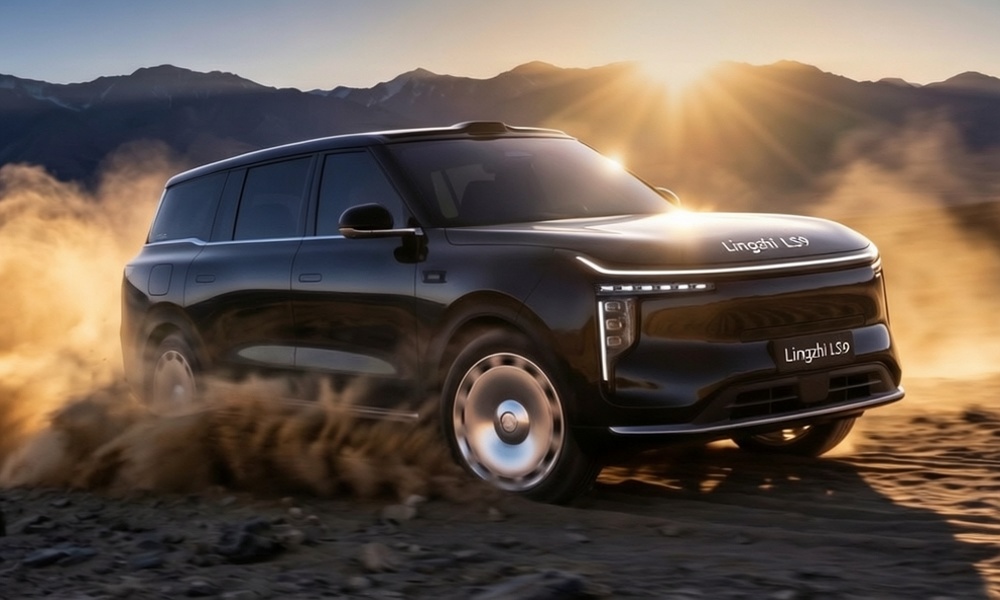
(Photograph source: IM Motors)
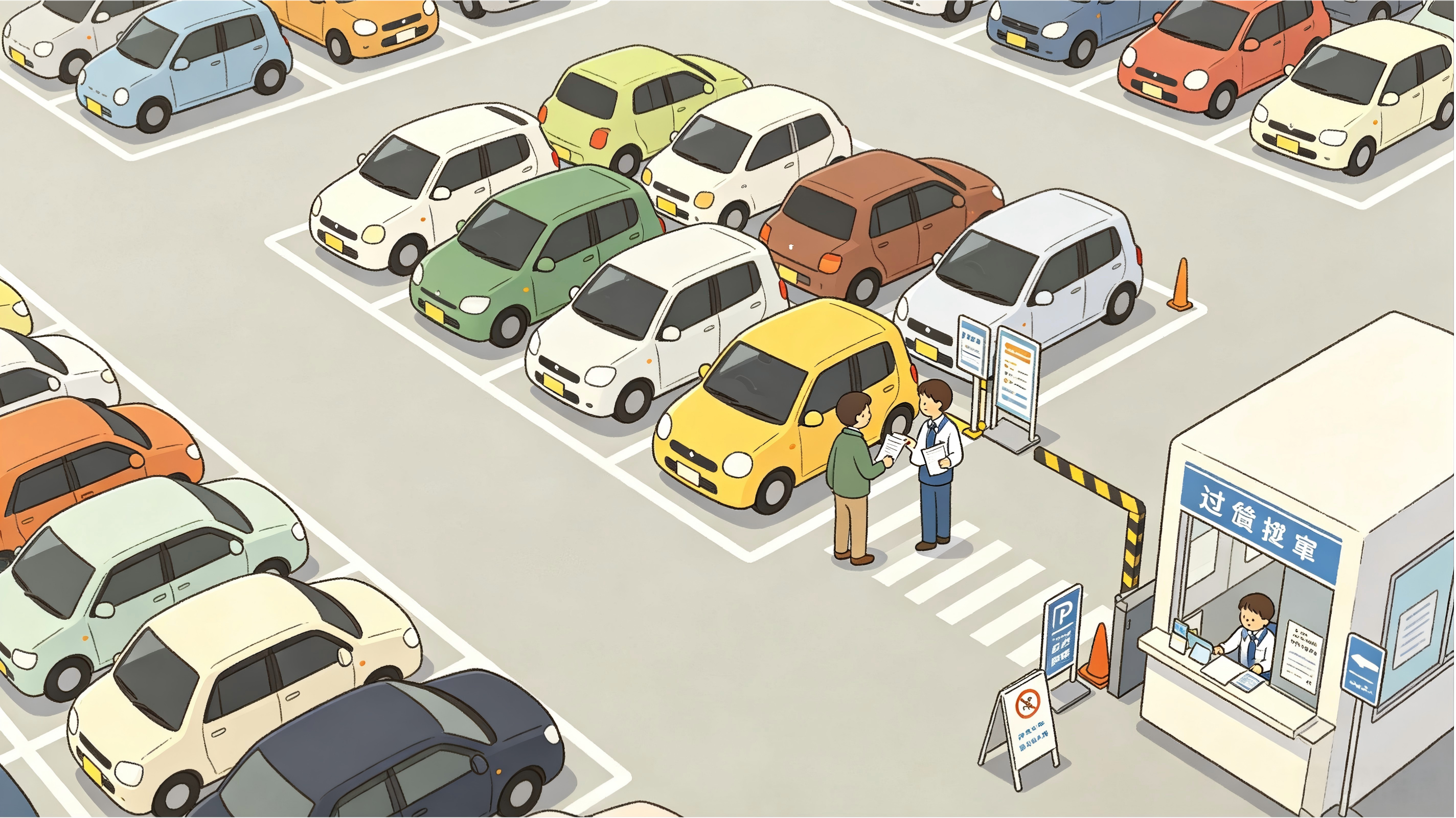
Amid incessant price wars, dealers have to squeeze profit margins and slash prices to attract customers. Data from the 2025 National Survey on the Survival Status of Automobile Dealers shows that 81.9% of dealers faced price inversion in 2025. Among them, 51.5% saw inversion margins exceeding 15%, and 55.7% operated at a loss.
More critically, automakers force dealers to stockpile inventory via bundled sales to transfer operational pressure. For instance, dealers must purchase a certain number of slow-selling models alongside popular ones. This continuously inflates dealers’ inventory burdens and capital pressure.
The China Automobile Dealers Association (CADA) pointed out in its report that China’s auto dealer inventory warning index stood at 57.2% in June 2026, indicating oversupply in the end market. It has never been easy for dealers to make money from automaker partnerships.
(Photograph source: Doubao AI generated)
Previously, automakers imposed heavy pressure on suppliers with long payment cycles and hidden tricky terms, pushing many suppliers to the brink of capital chain rupture; some small suppliers even went bankrupt. After these issues escalated, the Regulation on Ensuring Payments to Small and Medium-Sized Enterprises was fully enforced. Major mainstream automakers pledged to shorten payment cycles to 60 days.
Suppliers sit upstream in the automotive industrial chain, while dealers occupy the downstream segment. Counterintuitively, upstream suppliers hold greater negotiating power yet face heavier coercion from vehicle manufacturers.
Under the direct sales model, automakers maintain full control over capital, vehicles and vehicle certificates for manageable risks. Under the authorized dealership model, dealers dominate vehicle ownership, capital flows and certificate management with insufficient oversight from carmakers. Once dealers suffer capital breakdowns, severe risks such as misappropriation of car payments and collateralization of vehicle certificates easily emerge, leaving consumers and automakers to bear the losses.
Dianchetong (ID: dianchetong233) believes consumers rarely succeed safeguarding rights through legal channels against dealers. Shifting public attention toward automakers and leveraging public opinion yields much better results. For this reason, automakers invariably bear public blame whenever dealership failures occur.
Consumers Need More Than Just a Safety Net—They Need a Healthy Ecosystem
When Yongao Group collapsed, AITO immediately stepped forward to guarantee full compensation for paying customers, demonstrating the accountability expected of premium brands. IM Motors also promised compensation amid its dealer crisis, yet consumers demand not just post-event remediation, but a reliable environment for car purchases.
From Dianchetong’s perspective, automakers’ after-the-fact compensation is far from sufficient. Such remedies only resolve urgent individual cases and fail to curb recurring industry-wide risks. Rooting out dealership failures requires joint efforts from automakers, the whole industry and consumers to rebuild a sales ecosystem featuring controllable risks, shared benefits and win-win coexistence.
On the product side, car brands should streamline SKUs and focus on hit models. This cuts manufacturers’ stocking costs while easing dealers’ inventory complexity and capital occupation.
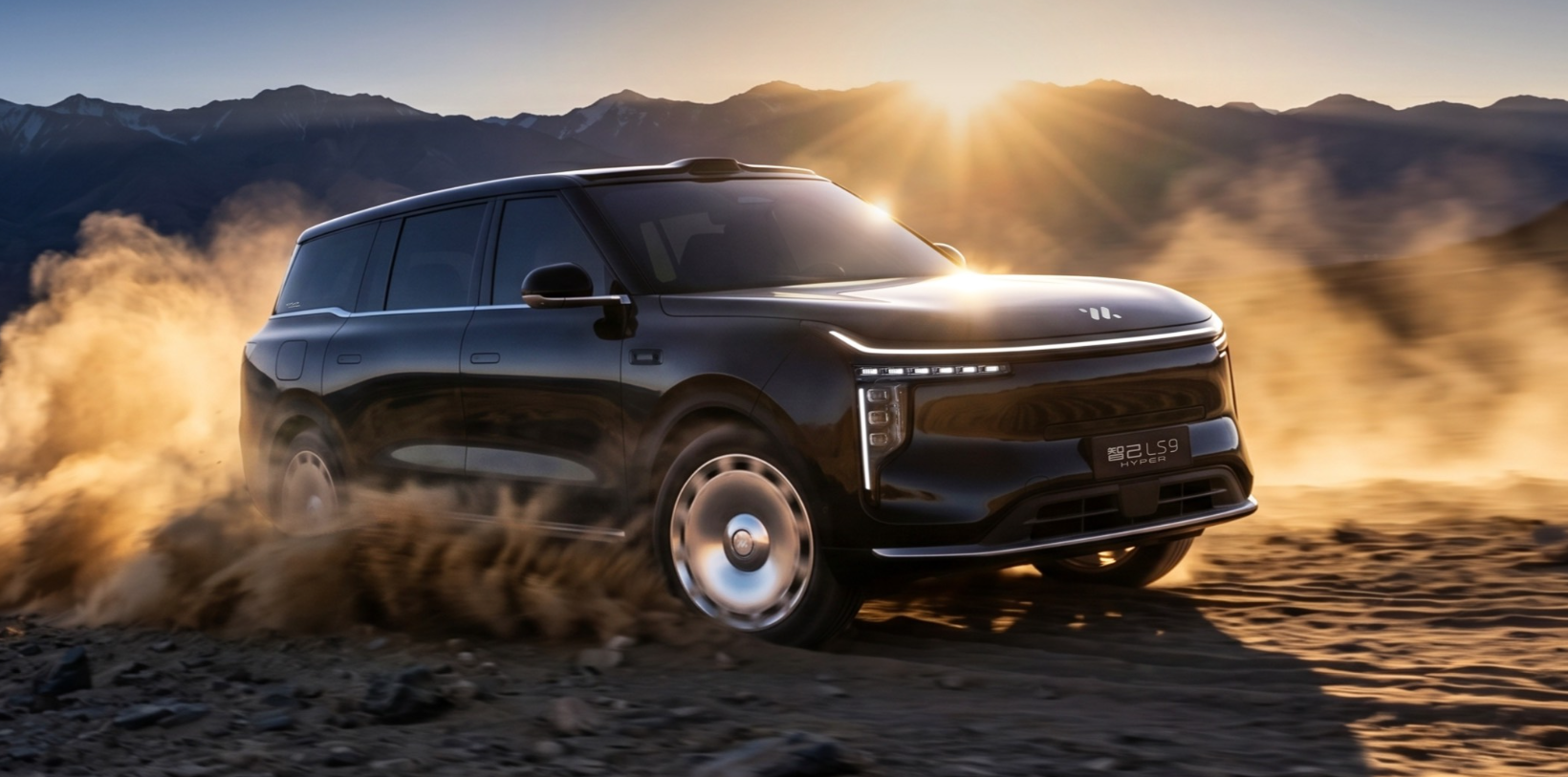
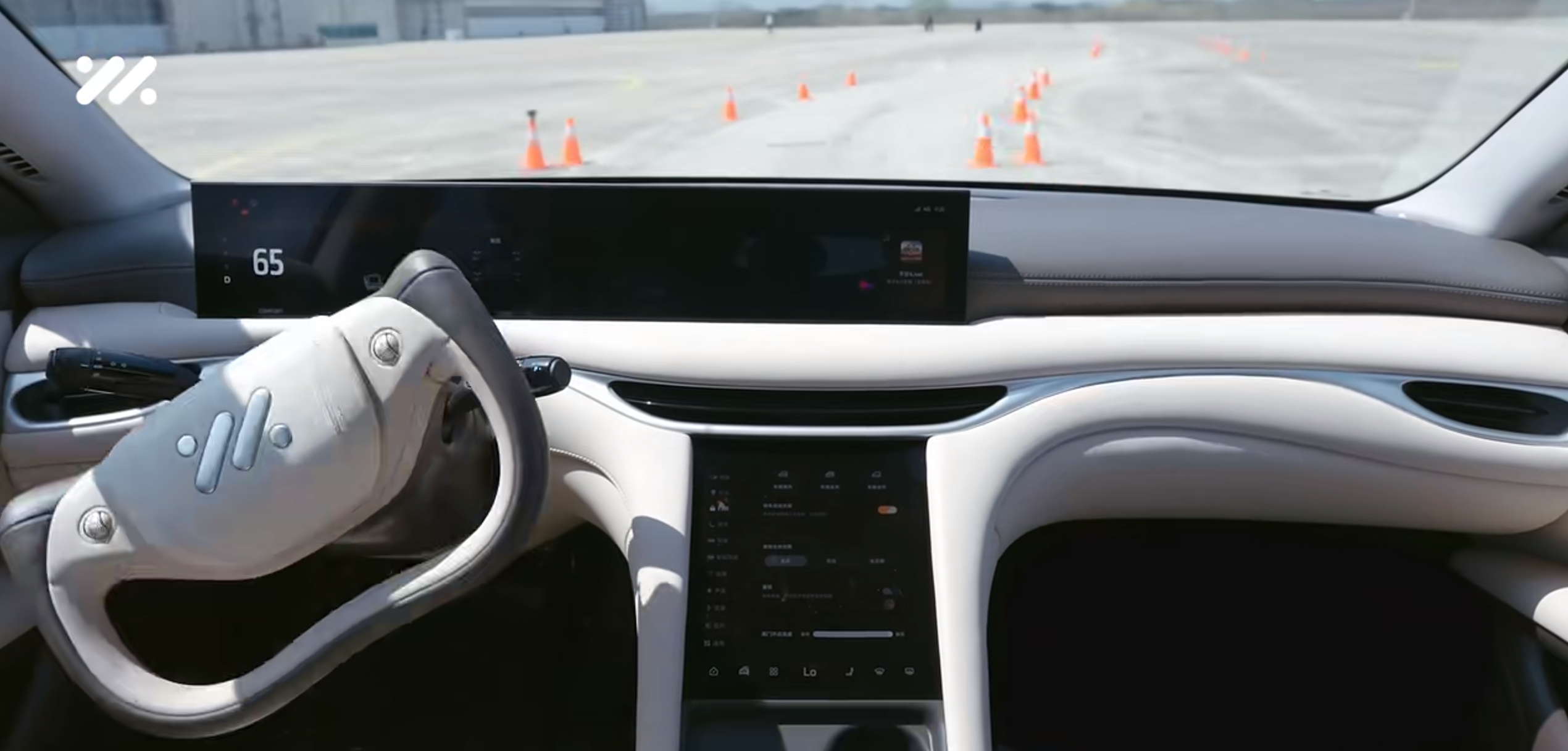
(Photograph source: IM Motors)
Automakers also need to build a multi-dimensional evaluation system for dealers covering financial strength, credit records, management capability and industry experience, rejecting highly leveraged entities. Meanwhile, a dynamic exit mechanism must be implemented: dealers with sustained losses, excess inventory, abnormal capital flows or compliance violations shall undergo rectification or termination immediately to prevent risk accumulation.
The agency sales model serves as an effective solution to dealer failures. Under this model, dealers only handle vehicle display and sales, while manufacturers retain ownership of vehicles, funds and certificates, fundamentally eliminating misappropriation and collateral risks. Automakers should strengthen direct user connections through official apps/websites for ordering, factory direct delivery and nationwide unified aftersales service to reduce reliance on individual dealers.
Relevant authorities and vehicle enterprises can jointly formulate unified industry standards governing dealer capital supervision, certificate administration and order performance, clarifying the division of rights and liabilities between automakers and retailers. A national credit archive system for auto dealers should be established to publicly document bankruptcies, breaches of trust and violations for inquiries by manufacturers and consumers, forming a restraint mechanism where dishonesty incurs widespread penalties.
Nonetheless, all models carry pros and cons. SKU streamlining may narrow the range of vehicle price brackets covered; the agency model removes dealers’ ability to help manufacturers boost sales and share pressure, shifting heavier financial burdens to car brands. Drawing unified industry standards sounds simple, yet aligning interests across countless automakers and dealers proves challenging, with supervision posing another major hurdle.
(Photograph source: Doubao AI generated)
Continuous dealer absconding incidents represent the concentrated fallout of long-term imbalance across the entire gasoline and new energy vehicle distribution system, rather than the fault of any single automaker or store.
Upstream suppliers enjoy policy protection limiting payment cycles, while downstream dealers remain in a vulnerable position lacking robust supervision. Carmakers transfer production and sales pressure via forced inventory stocking and bundled allocation yet neglect regular oversight of store funds and certificates, with zero risk buffer mechanisms. Ultimately, ordinary consumers with no bargaining power foot the bill.
Manufacturers’ compensation commitments amount to passive remedial action that only covers tangible financial losses. No reimbursement exists for consumers’ time and energy spent on rights defense, making such fixes superficial rather than fundamental.
Post-hoc compensation marks the minimum accountability requirement for automakers, yet it cannot serve as a long-term solution. Vehicle enterprises must abandon the short-sighted strategy of boosting sales via inventory pressure and adopt long-term win-win logic: streamlining SKUs, canceling mandatory stocking policies, optimizing rebate mechanisms and tightening risk control. The industry needs to transition from disorderly competition to standardized governance, elevating the status of direct-sale stores, balancing risks for authorized dealers and fostering a sound ecosystem.
Unfortunately, neither automakers nor dealers appear eager to embrace new operating models.
Money Is the Blind Spot for Carmakers and Dealers
In the early growth stage of the new energy vehicle sector, brands including NIO, Li Auto, Xpeng, Leapmotor and Avatr adopted the direct sales model. Today, most new-energy startups have abandoned pure direct sales for a hybrid direct-sale-plus-dealership model, phasing out inefficient self-operated stores.
Three key reasons account for this shift. First, pure direct sales slow nationwide store expansion and create inconvenience for customer test drives. Second, direct sales lack dealer support to absorb excess inventory and drive sales volume. Third, standalone stores incur exorbitant operating costs, imposing heavy financial strain on automakers.
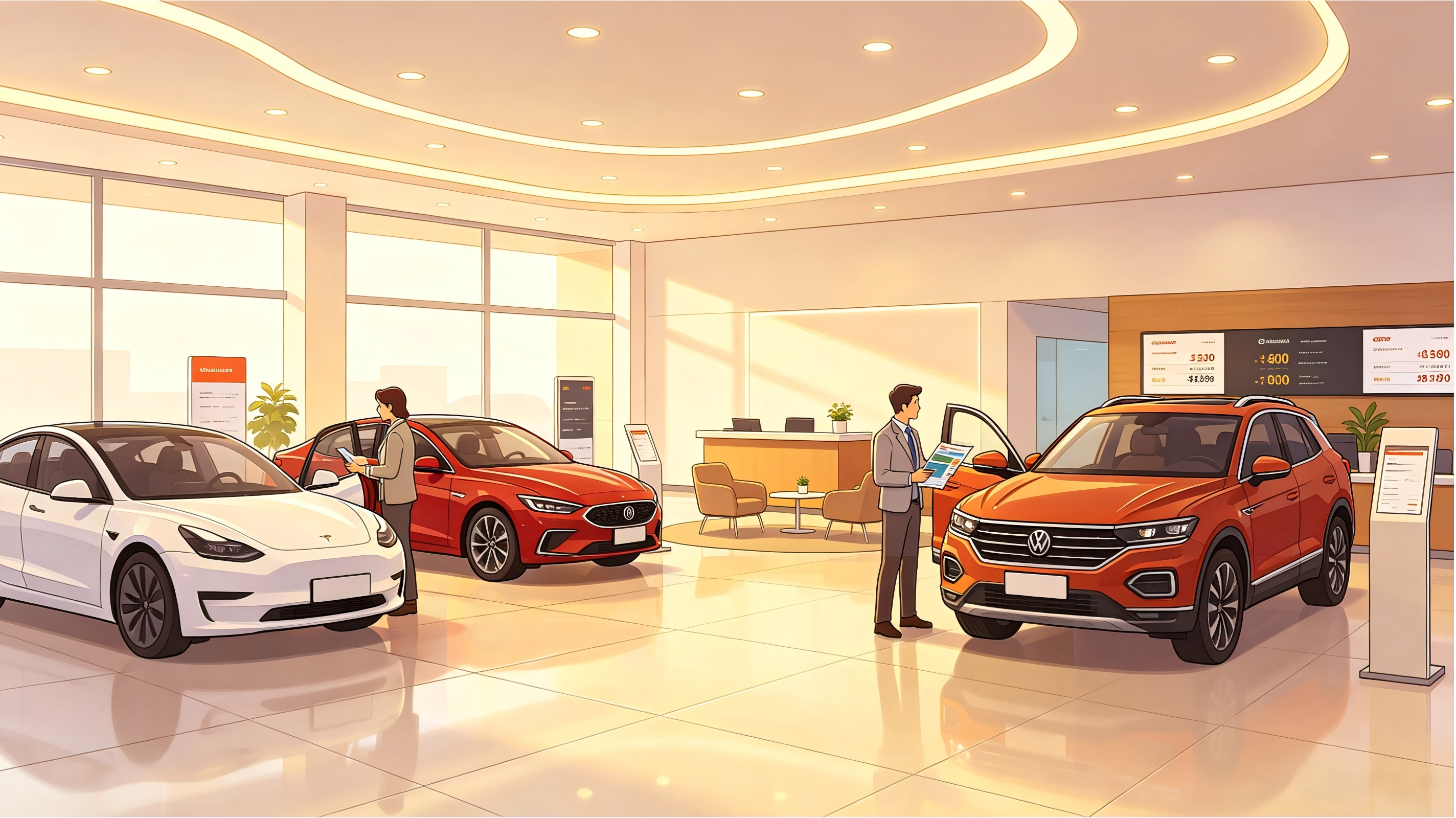
(Photograph source: Doubao AI generated)
New energy startups turned to dealerships to leverage dealers’ capital, retail networks and local resources, easing expansion pressure and accelerating market coverage. However, this does not entitle automakers to shift all risks onto third parties.
Dealer failures stem from mismatched channel expansion speed and risk management capacity, fragile capital chains and oversimplified profit models. Pursuing cost cuts and sales spikes, carmakers switched from full direct sales to hybrid distribution, passing inventory pressure and financial risks down the supply chain. Coupled with industry-wide price inversion and dealer losses from relentless price wars, illegal practices such as payment embezzlement and certificate collateralization have proliferated.
Current manufacturer compensation only recoups consumers’ direct monetary losses without offsetting time and energy spent on complaints, treating symptoms instead of causes. Complete resolution cannot rely on passive remediation. Carmakers must discard short-term mandatory stocking tactics, improve dealer risk control and capital supervision frameworks, and roll out more stable agency models. The industry also needs refined regulatory standards. Only by building a win-win ecosystem binding automakers, dealers and consumers can repeated channel failures be eliminated.
The WAIC 2026, themed “Intelligent Partners, Co-Creating the Future,” opened grandly today!
The AI narrative has evolved—from stacking model parameters to deploying agent-based productivity solutions; heterogeneous collaboration and photonic computing continue raising computational ceilings; embodied intelligence accelerates real-world applications, bringing robots into homes and factories—and turning physical AI into reality.
The LeiTech WAIC Exhibition Team has arrived in Shanghai, capturing the annual pinnacle of AI industrialization in real time—stay tuned!