 雷科技
雷科技




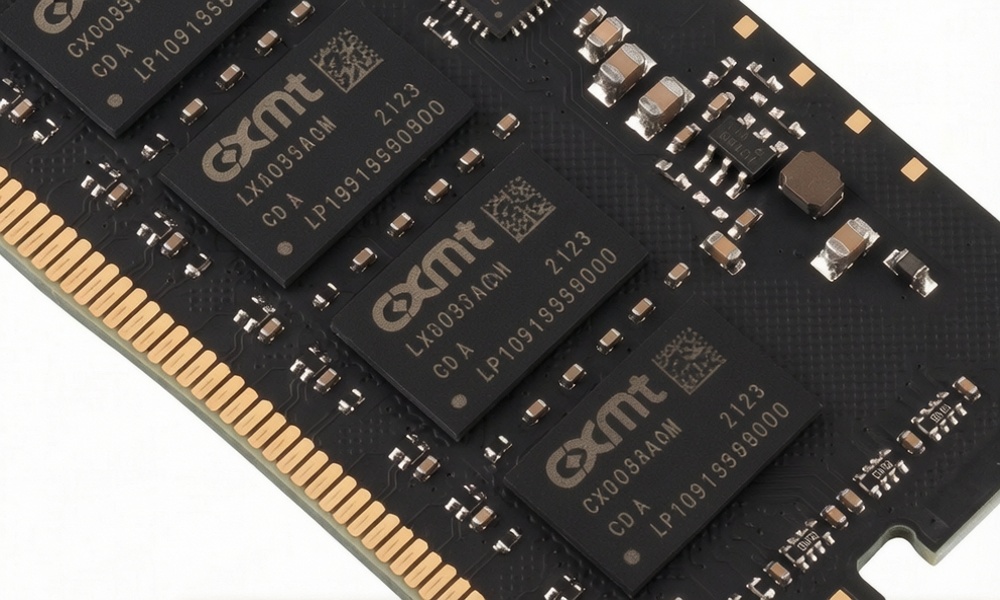

On July 16, ChangXin Memory Technologies (CXMT, also known as Changxin Technology) opened subscription for its IPO on the STAR Market. Priced at an offering price of 8.66 yuan per share, the company plans to raise 29.5 billion yuan. It marks the largest A-share IPO of 2026 and the second-biggest fundraising deal in STAR Market history. Even before its official listing scheduled for July 27, the DRAM memory manufacturer has secured an implied valuation of nearly 600 billion yuan.
Many readers may be unfamiliar with the name CXMT, but if you have built a PC or bought domestically branded RAM sticks over the past one or two years, chances are high that you have used memory dies produced by the firm. Riding the momentum of CXMT’s IPO, Leitech (ID: leitech) maps out the complete landscape of China’s domestic memory industry.
“Memory Chips” Aren’t All the Same
Most people lump all storage semiconductors together, yet memory is divided into three completely independent categories, each differing vastly in technical routes, market competition and localization progress.
DRAM (Dynamic Random-Access Memory) refers to the running memory inside smartphones and PCs. Data is erased once power is cut off, but it delivers ultra-fast read/write speeds and ultra-low latency. How smoothly you multitask on devices and how quickly games load largely hinge on DRAM performance.
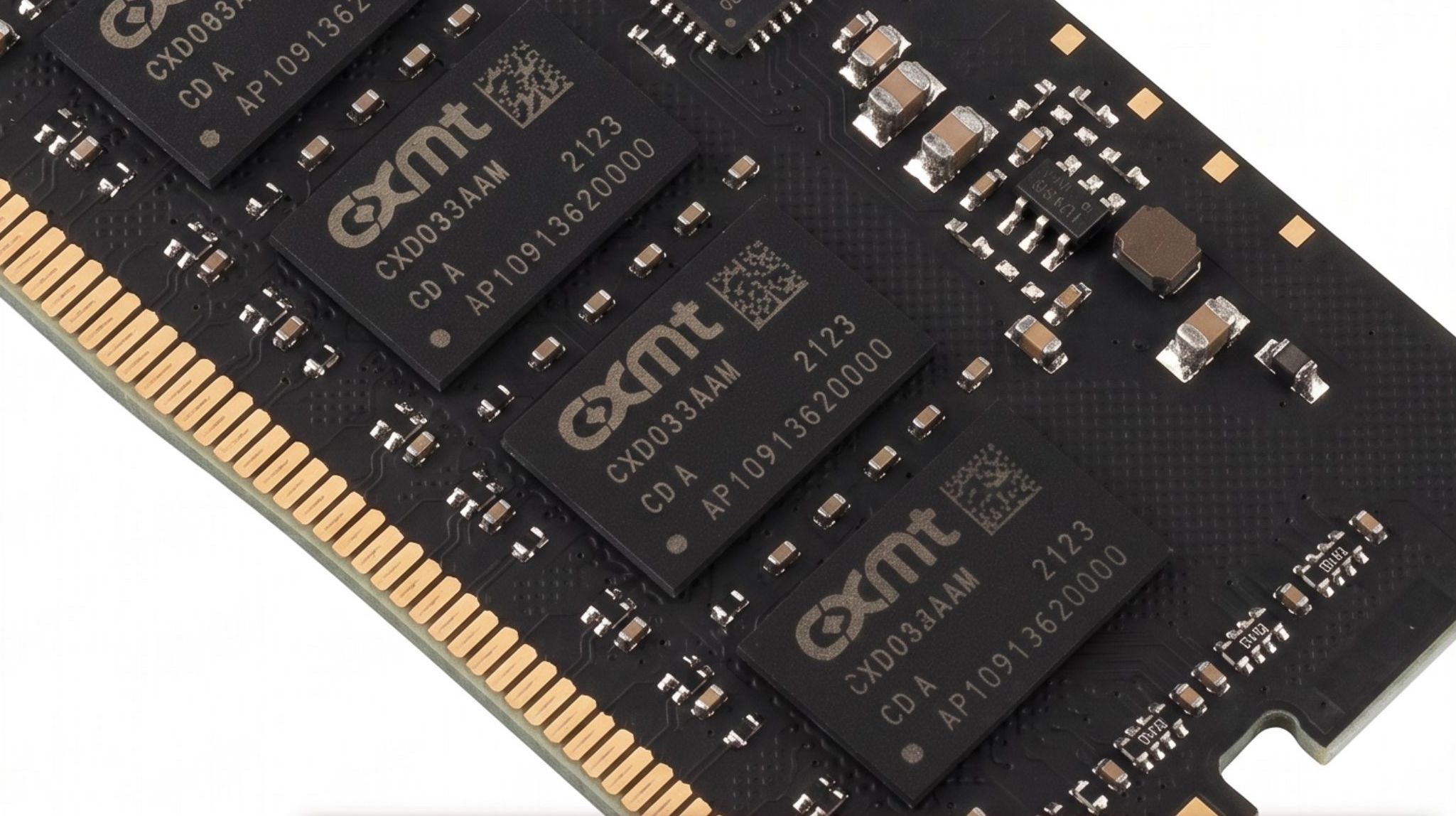
(Image source: Wccftech: CXMT memory dies)
This segment boasts the largest global market size paired with the steepest technical barriers. For decades, the sector has been monopolized by three overseas giants — Samsung, SK Hynix and Micron, which together account for more than 90% of global market share. CXMT specializes in DRAM development and manufacturing.
HBM (High Bandwidth Memory), fiercely chased by AI players, is essentially a specialized variant of DRAM. HBM production has diverted capacity originally allocated for conventional memory dies at Samsung, SK Hynix and Micron, directly fueling the ongoing global surge in memory pricing.
NAND Flash is the flash memory deployed in solid-state drives (SSDs) and smartphone built-in storage. Data remains intact after power loss; it supports large storage capacities with low per-unit costs. The 256GB/512GB storage on your phone and the SSD inside your laptop all rely on NAND Flash.
This market is also dominated by international heavyweights including Samsung, SK Hynix, Micron and Western Digital. Yangtze Memory Technologies (YMTC) is China’s domestic counterpart for NAND development.
NOR Flash—small-capacity code storage, largely invisible to end users. It offers fast read speeds but limited scalability and higher cost—primarily used to store device bootloaders, firmware, and control programs. Examples include smartphone boot firmware, Bluetooth earbud firmware, and automotive electronic control software—many of which rely on NOR Flash.
The NOR market has smaller overall volume, yet China’s localization progress is the most advanced here. GigaDevice ranks among the world’s top three NOR vendors.
Three Domestic IDM Leaders Form the Backbone of China’s Upstream Memory Industry
The most upstream and highest-barrier segment of the memory chain belongs to IDM (Integrated Device Manufacturer) fabs, firms that independently design, build fabrication plants and mass-produce chips. Only three major domestic players stand out in this tier: CXMT, YMTC and GigaDevice, dubbed the "Three Pillars of China’s Domestic Memory Upstream".
CXMT: China’s Sole DRAM Champion
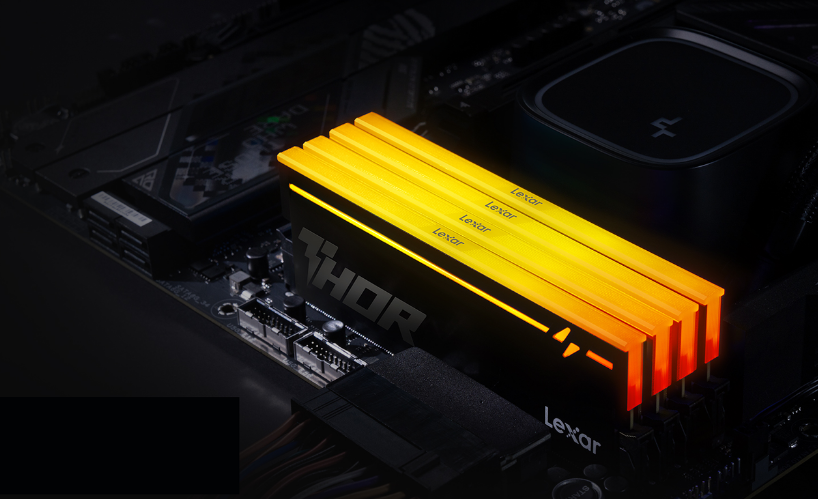
(Image source: Lexar: THOR DDR5 RAM with CXMT dies)
CXMT’s irreplaceable status cannot be overstated. It is China’s only domestic enterprise capable of mass-producing DRAM chips with self-built fabs, wafer tape-out and full-volume manufacturing capacity.
The firm operates three 12-inch wafer fabrication facilities in Hefei. Its 17nm DDR5 and LPDDR5 products have entered large-scale commercial shipment. In Q4 2025, CXMT captured 7.67% of the global DRAM market, ranking fourth worldwide and first in China. While the share percentage appears modest, this represents a landmark breakthrough for an industry that had admitted almost no new entrants over the previous 20 years.
Admittedly, CXMT still trails international leaders such as Samsung and SK Hynix by several process generations. Global rivals are advancing to 1α and 1β process nodes and hold exclusive control over HBM4 technology. Nevertheless, mass production of 17nm DDR5 means domestic DRAM has transitioned from a question of "availability" to "usable performance" for mainstream consumer and server applications.
CXMT turned profitable in 2025, with earnings continuing to climb in H1 2026 amid the upward memory business cycle. The 29.5 billion yuan raised via IPO will be almost entirely invested in expanding DDR5 and next-generation production capacity.
YMTC: China’s Anchor in NAND Flash
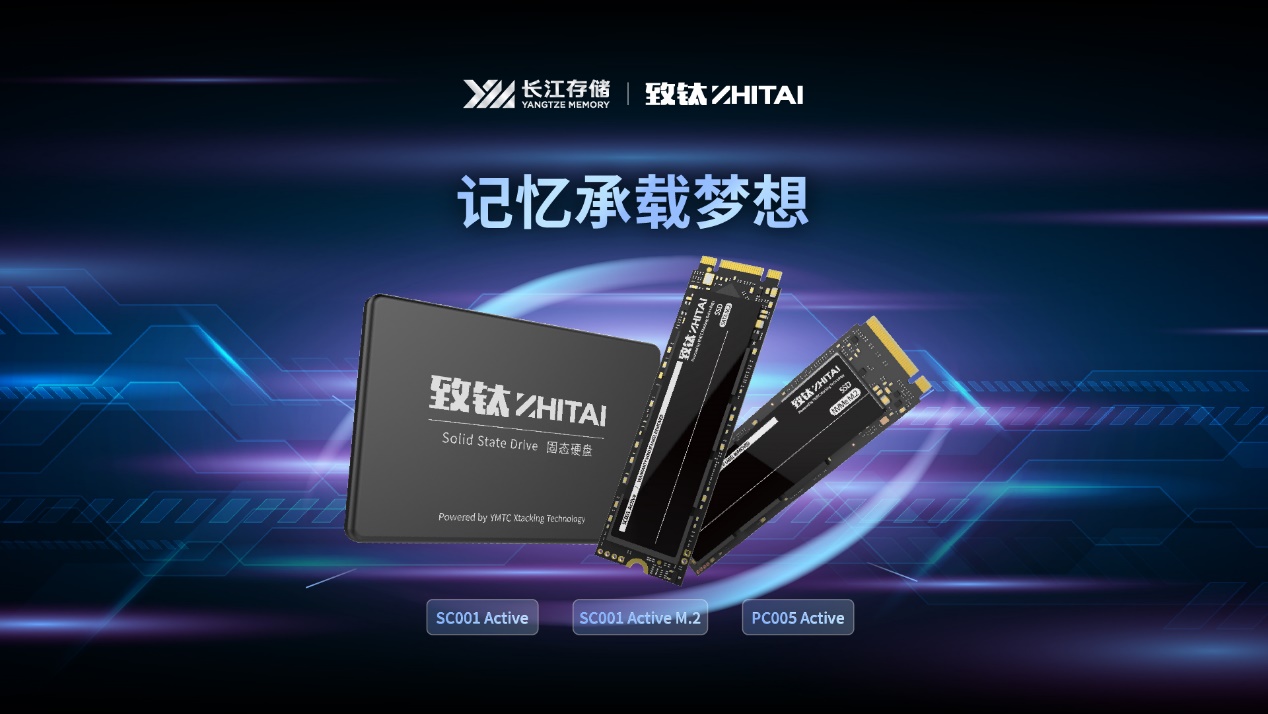
If CXMT is the sole domestic DRAM champion, YMTC is the cornerstone of China’s domestic NAND ecosystem.
YMTC’s core competitive advantage lies in its proprietary Xtacking® architecture. Breaking away from traditional stacking architectures adopted by Samsung and SK Hynix, Xtacking fabricates memory arrays and peripheral circuits on separate wafers before bonding them together, theoretically enabling higher storage density, faster speeds and lower power consumption. Its 232-layer 3D NAND chips are already mass-produced, landing YMTC in the global top tier of NAND technology.
Per UBS statistics, YMTC held approximately 11.8% of the global NAND market in 2025, ranking fourth globally. Notably, YMTC owns retail consumer brand ZETTA, which has grown into a top-tier domestic SSD vendor with around 15% domestic market share since its launch in 2020.
YMTC has completed IPO coaching filing with Hubei Provincial Securities Regulatory Bureau and is widely expected to be the next major memory firm to go public after CXMT. The upcoming IPOs of the two "memory twin giants" represent nearly the full strength of China’s domestic upstream memory industry.
GigaDevice: The Niche-Market Design Leader
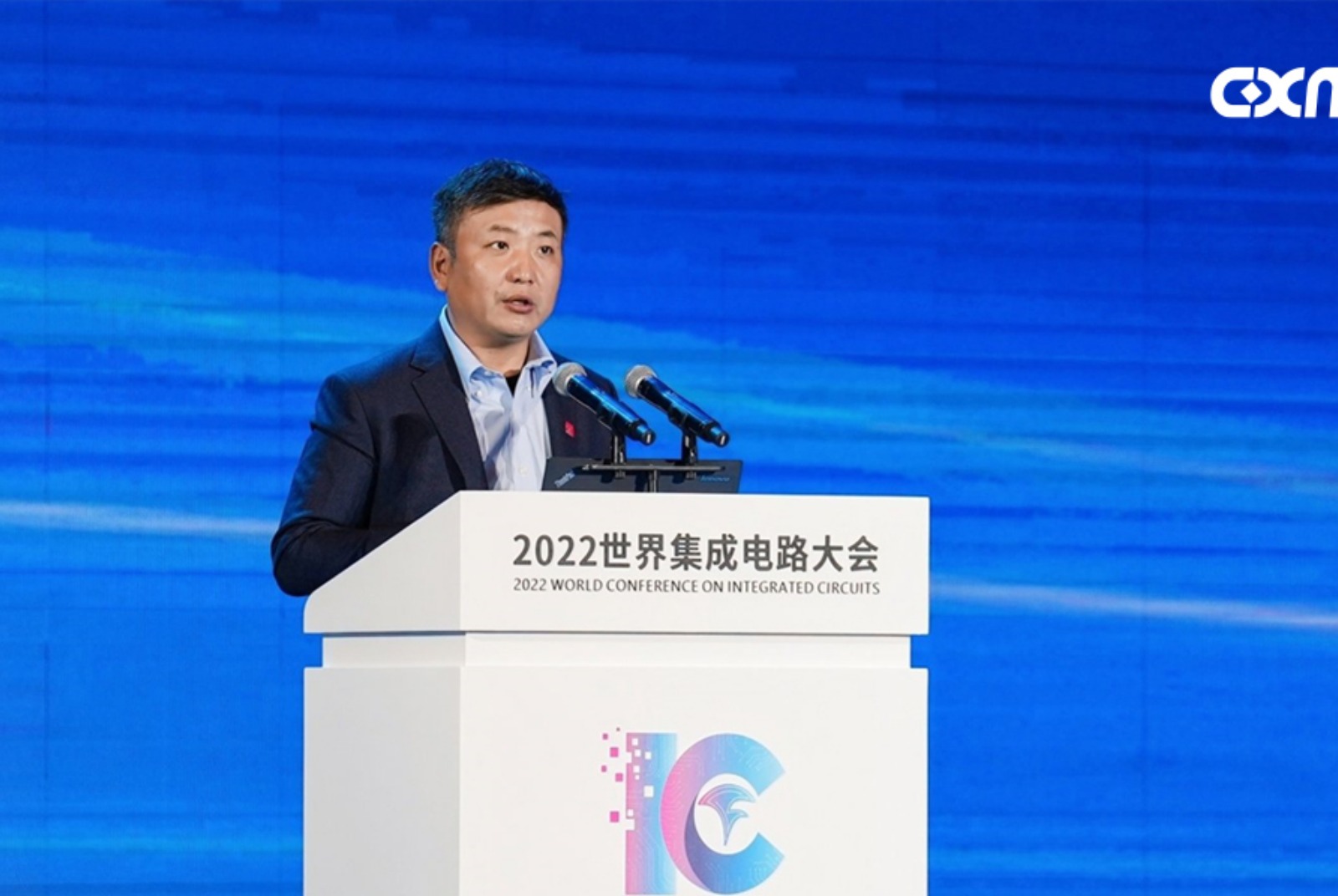
(Image source: CXMT official: Zhu Yiming, founder and chairman of both GigaDevice and CXMT)
Notably, GigaDevice and CXMT share the same founder and chairman, Zhu Yiming. The two companies operate in synergy: GigaDevice focuses on chip design, while CXMT handles manufacturing, and much of GigaDevice’s DRAM output is fabricated by CXMT.
Unlike the other two firms, GigaDevice functions purely as a fabless design house with no in-house fabs. Its core business centers on NOR Flash, commanding roughly 20% global market share to secure a top-three global ranking. While less strategically pivotal than CXMT and YMTC, GigaDevice also develops SLC NAND, niche DRAM and MCUs (microcontroller units). Its product portfolio targets niche verticals including automotive electronics, industrial control and IoT, scenarios with moderate capacity demand but strict requirements for reliability and stable supply.
Downstream Module Vendors Build China’s RAM & SSD Consumer Ecosystem
Many readers may wonder about retail brands like Kingston, Lexar and Netac — do they manufacture chips themselves? This calls for clarification on two easily confused roles in the memory chain: upstream fabs vs downstream module manufacturers.
In simple terms, IDMs (such as CXMT, Samsung, and Micron) produce silicon wafers; the individual chips cut from those wafers—those black square components on memory sticks and SSDs—are called “memory dies.” Module makers, meanwhile, purchase these dies, integrate them with controller chips, mount them onto PCBs, and perform packaging and testing—ultimately producing plug-and-play memory modules and SSDs.
To draw a rough analogy: IDMs raise pigs; module makers make sausages. Of course, some players—like YMTC and its ZhiTai brand—operate across both upstream and downstream.
Longsys boasts the largest revenue scale and most comprehensive product lineup among domestic memory module firms. It operates two major brands: Lexar targeting consumer markets and FORESEE for industrial-grade storage. As an internationally recognized consumer electronics brand, Lexar holds global brand awareness unmatched by most other domestic module players.
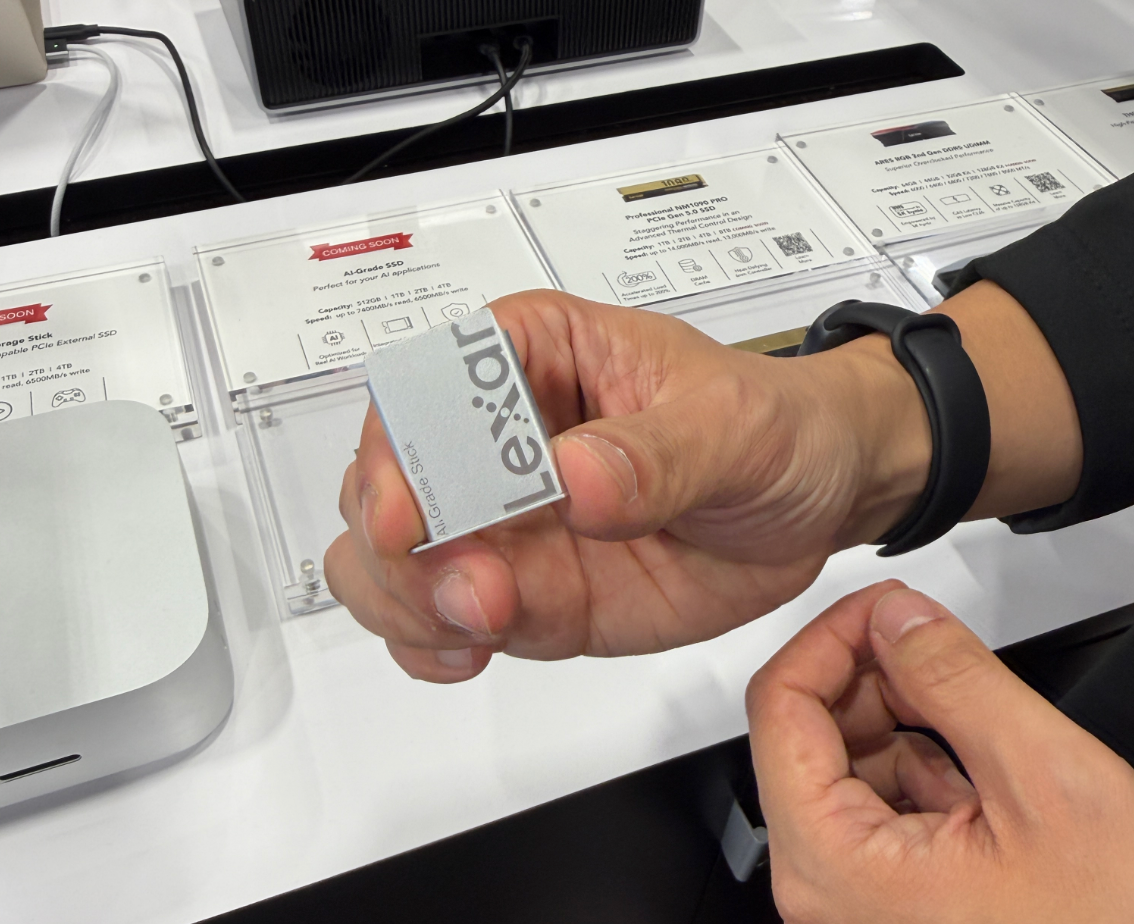
(Image source: Leitech on-site photography at CES 2026)
BIWIN excels in embedded memory and packaging & testing, with deep deployment across automotive and industrial-grade applications. It ships large volumes of embedded storage for phones and tablets. Whereas Longsys prioritizes consumer branding and globalization, BIWIN leans toward B2B industrial clients and vertical supply chain integration.
Both firms are moving upward along the supply chain, developing proprietary controllers and building in-house packaging factories to escape the identity of pure assemblers.
Netac is an established veteran and inventor of the USB flash drive with solid brand accumulation. Other domestic players including Demingli, Kimtigo and Jiahe Jinwei claim notable domestic market share in consumer SSD and RAM segments. All these brands source dies externally, with core competitiveness rooted in distribution channels, quality control and cost management.
Specialized enterprise-focused module makers such as BigPro focus exclusively on industrial SSDs with self-developed controllers, supplying cloud giants including ByteDance and Tencent. This niche carries higher technical barriers but higher customer concentration, adopting a small-but-high-value business model.
“Memory Companies” Are Not All the Same Business
Upstream fabs and downstream module manufacturers are both called memory companies, yet they operate fundamentally different business models with divergent barriers and profit structures.
Foundries operate capital-intensive, long-cycle, high-tech cyclical businesses.
A single 12-inch wafer fab demands tens of billions of yuan in investment, requiring three to five years from construction to mass production. Lags in technical iteration lead to falling behind global competitors. Once production matures, foundries command dominant pricing power, as upstream die costs drive overall memory market pricing. Upstream chipmakers earned massive profits amid the current memory price hike cycle.
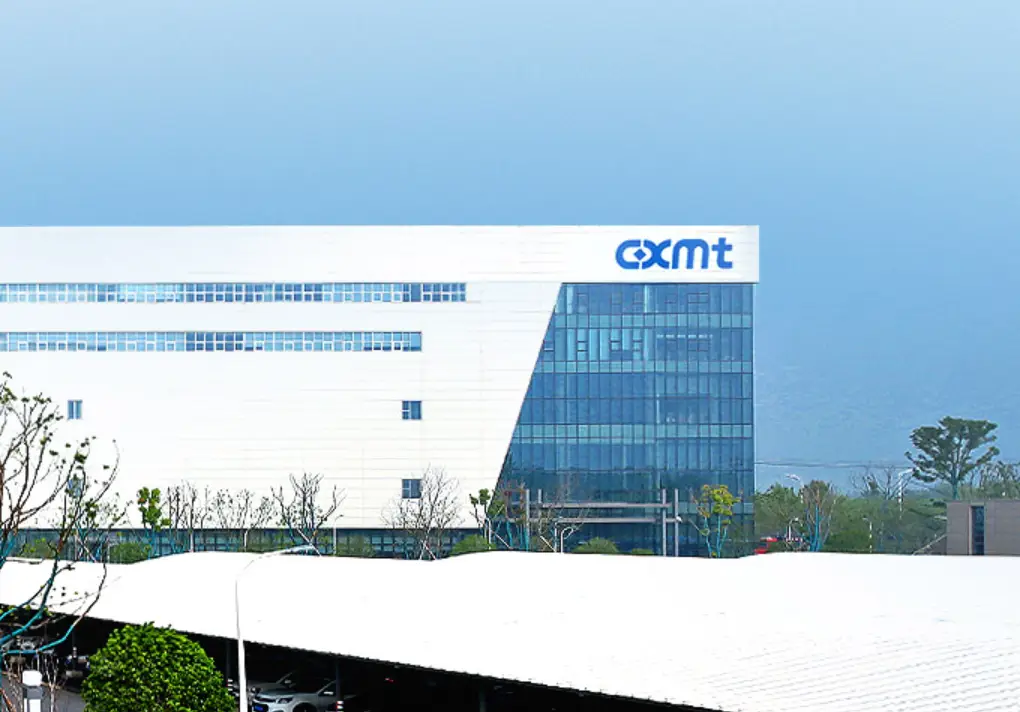
(Image source: CXMT official)
However, foundries suffer severely during industry downturns: chip prices plunge rapidly, with fabs losing money whether production lines run at full capacity or suspend output.
Module manufacturers run asset-light, fast-turnover businesses focused on branding and channels. They avoid massive fab investment by assembling purchased dies, resulting in much lower entry barriers. Correspondingly, gross profit margins are thinner, and earnings are highly vulnerable to fluctuations in upstream die costs.
This drives module vendors to pursue upward industrial integration: developing proprietary controllers, building packaging facilities and launching differentiated hardware solutions to escape low-margin assembly work and gain pricing autonomy.
Neither tier ranks inherently superior; they represent different supply chain divisions of labor. From the perspective of domestic substitution, breakthroughs at upstream foundries carry far greater strategic significance, as chip manufacturing is the core bottleneck subject to supply chain restrictions.
China’s Memory Industry Is Rising—The Journey Ahead Is Long, Yet Bright
CXMT’s IPO marks a milestone, albeit only one node in China’s memory development journey.
China’s domestic memory landscape can be summarized in three points: NOR Flash has secured stable global standing; NAND Flash is catching up rapidly; DRAM has only just gained market entry. We must remain objective: none of the three tracks have reached parity with international leaders, with wide gaps persisting in high-margin high-end segments such as HBM and enterprise-grade storage.
There is still a long way to go for full technological independence.
That said, China has achieved remarkable progress within merely a decade, evolving from near-total absence to targeted breakthroughs across all three memory categories. Upstream fabs CXMT and YMTC stand ready, supported by a maturing ecosystem of downstream module brands. This speed of industrial evolution speaks volumes.
The memory industry does not rely on breakout hit products for success; competitiveness hinges on production capacity, process iteration and resilience through business cycles. The capital raised from CXMT’s IPO essentially fuels new capacity expansion and technical upgrades for the next industry cycle.
For ordinary consumers, the most tangible benefit lies in an expanding selection of affordable domestic RAM and SSD options. Catching up with or surpassing Samsung, Micron and SK Hynix in performance and reliability remains a question waiting for time to answer.
For now, China has firmly secured its seat at the global memory industry table.