
 雷科技
雷科技




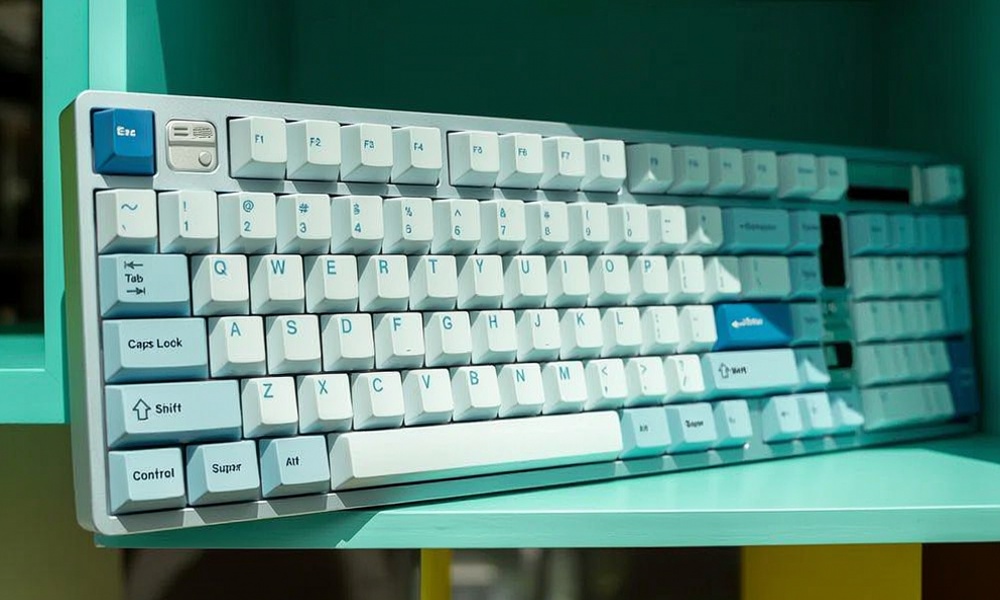

The pre-built mechanical keyboard market has become fiercely competitive over the past two years. I still remember when I first got into the keyboard community a few years ago. Back then, if you wanted a full CNC-machined aluminum "aluminum brick" keyboard packed with top-tier specs, your only option was custom keyboards priced at several thousand yuan.
Today, all-aluminum chassis keyboards have dropped to the several-hundred-yuan price bracket, and Gasket mount structures are ubiquitous. When it comes purely to materials and design, the gap between mass-produced pre-built keyboards and the high-end custom boards of yesteryear has shrunk dramatically. That said, disparities persist in core design elements—such as diverse interactive features and more refined craftsmanship.
Yet this final divide may vanish soon. Recently, Leitech (ID: leitech) received a new keyboard sample sent by QwertyKeys (referred to as QK): the QK100 MK2. The moment I unboxed it, something felt off—its build quality and typing feel bore an uncanny resemblance to premium custom keyboards. After double-checking that this is a mass-production model, a thought crossed my mind: Where does that leave custom keyboards moving forward?
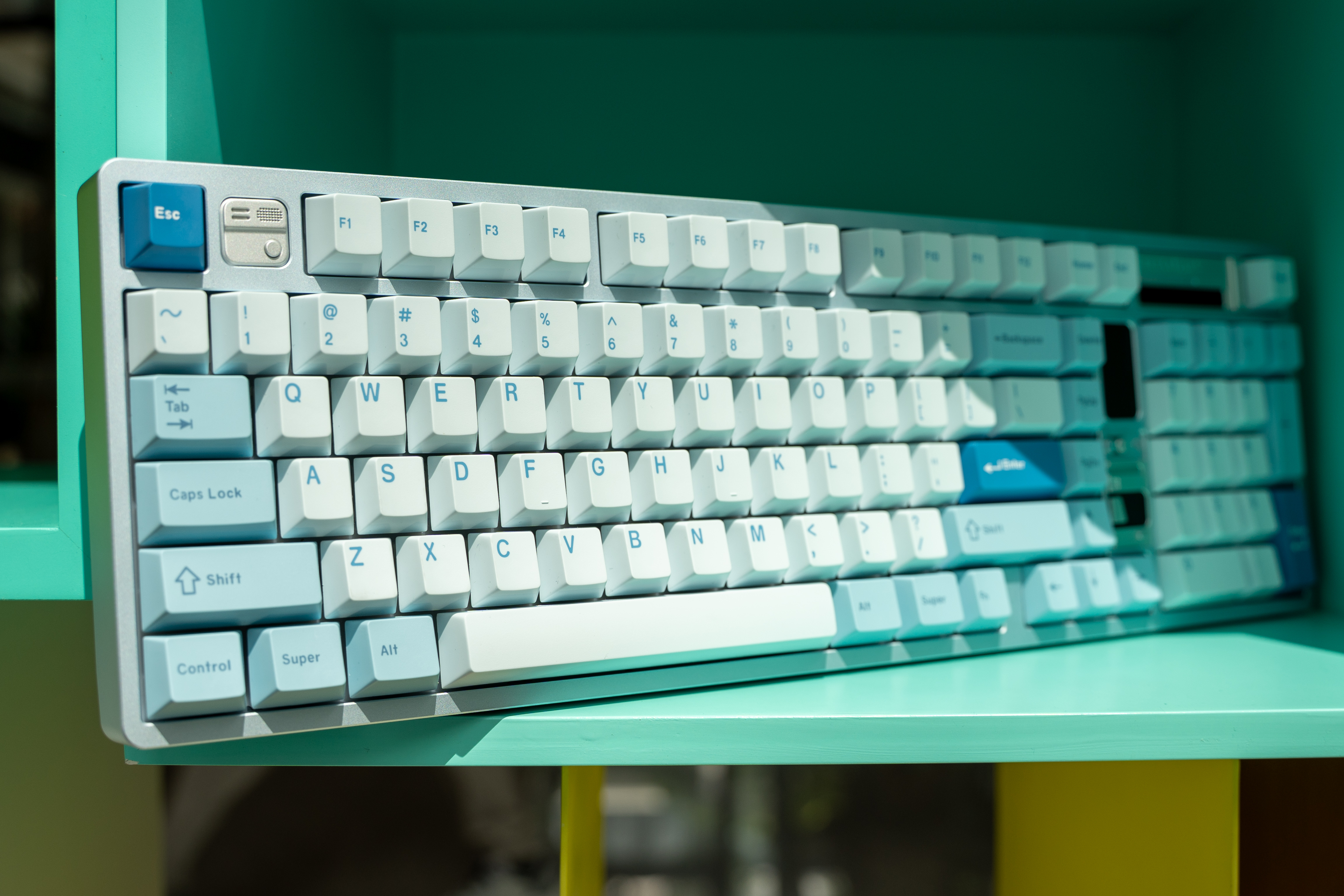
Image source: LeiTech
The two built-in screens on this keyboard are surprisingly practical
Back in 2023, QwertyKeys launched the original QK100. Boasting a compact 1800 layout, full aluminum chassis and an extensive selection of kit parts, it aimed to strike a balance between full-size keyboards and custom keyboard aesthetics.
Now three years later, the QK100 MK2 has arrived. After such a long gap between generations, the MK2 is clearly far more than a routine incremental upgrade. After a brief hands-on trial, I believe this new board represents QK’s fresh response to the demands of today’s keyboard enthusiasts: a premium pre-built keyboard ready to use straight out of the box.
Starting with its appearance, the QK100 MK2 features a compact 1800 layout, which you can think of as a condensed full-size layout. It retains the function row, arrow keys and a complete numeric keypad. Unlike many 98-key layout boards, it does not shrink the "0" key on the numpad down to a 1U size.
Furthermore, compared with standard 100-key layout keyboards, the QK100 MK2 leaves a gap between the arrow key cluster and the numeric keypad. This creates clearer separation between functional zones and avoids the accidental keystrokes common on ultra-compact layouts — this design choice is genuinely well thought out.
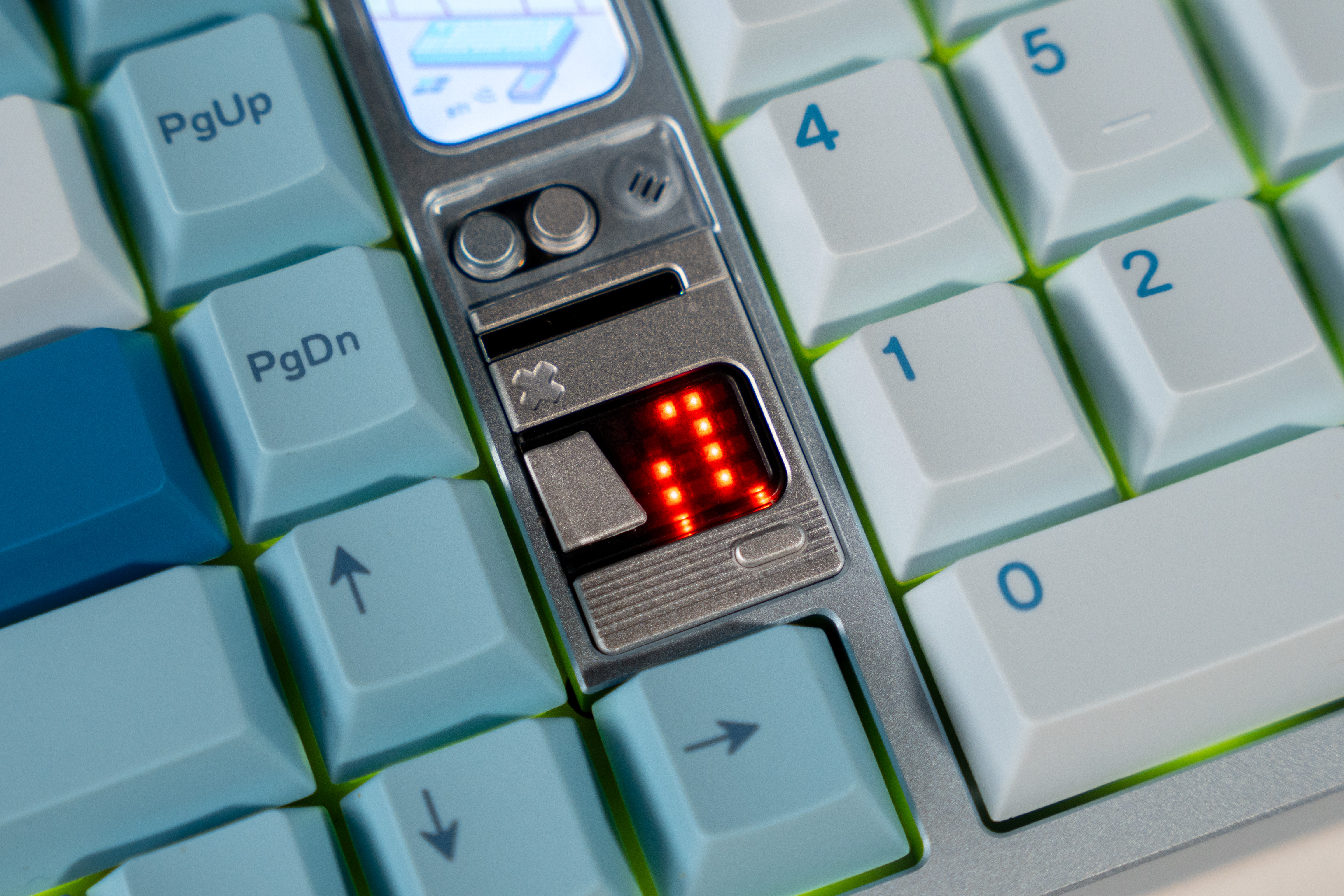
Image source: LeiTech
As for the chassis of the QK100 MK2, it naturally carries forward QK’s signature full-aluminum construction. Great thought has been put into its layered structure and curved contours. Paired with decorative elements such as the dot-matrix screen, the keyboard delivers a distinct retro-futuristic aesthetic that makes it instantly recognizable.
You’ve probably also noticed that the QK100 MK2 is equipped with a wealth of decorative modular components. In fact, the RGB LED light strip in the top-right corner supports multiple lighting modes, including solid static color, breathing fade, gradient shift, and sound-reactive rhythm mode. Beneath it lies an area that at first glance appears purely ornamental, yet it is actually a built-in touchpad. You can swipe and tap on it to adjust volume levels or mute audio entirely.
The display screen on the side of the numeric keypad boasts an extensive range of customizable functions. It can display the time, remaining battery percentage, and wireless connection status. Users can also upload custom GIFs, static images, and short videos to play on the screen, alongside preloaded animated effects. Additionally, it features a built-in interactive Bongo Cat animation that responds to every keystroke, plus simple typing mini-games for extra fun.
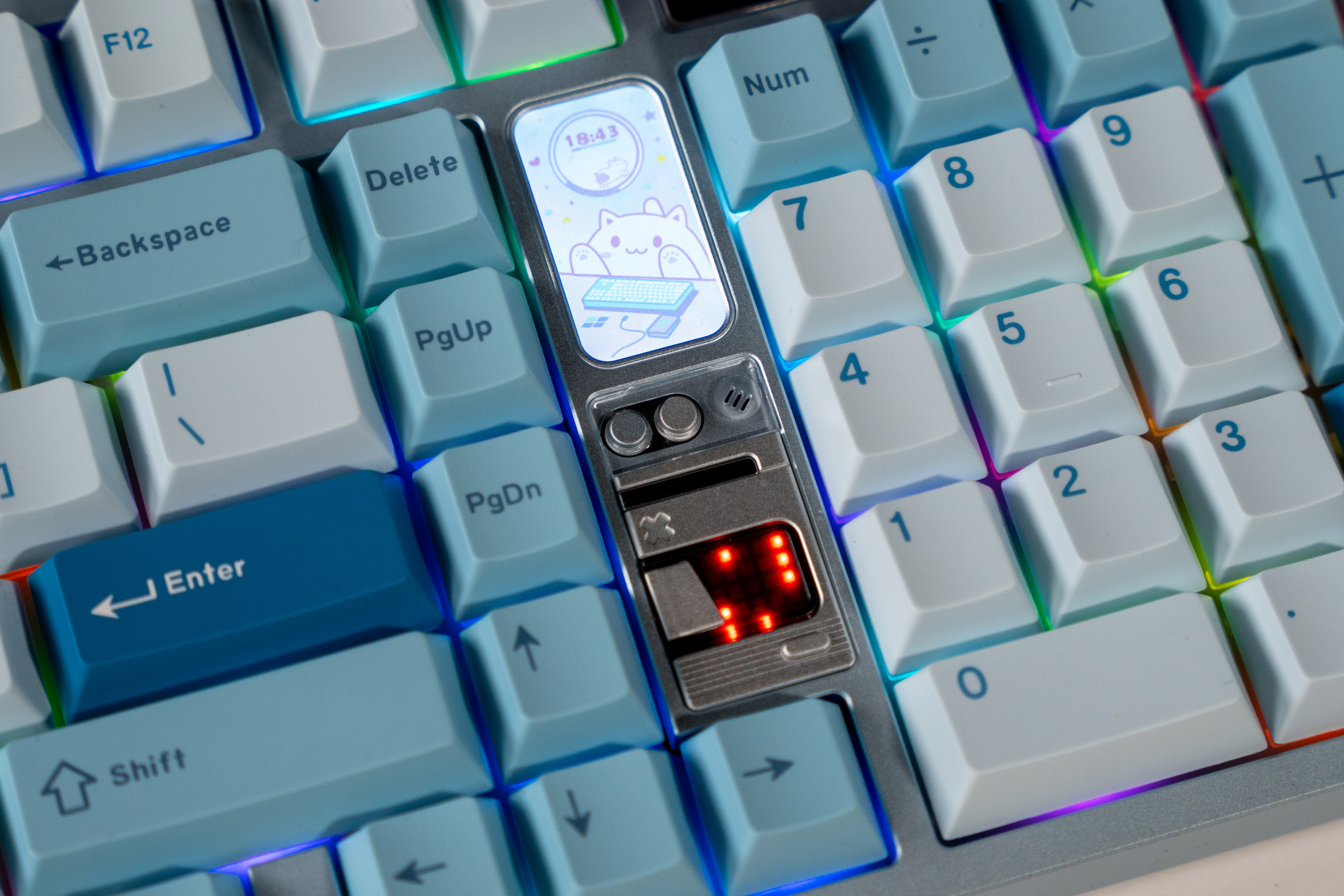
Image source: LeiTech
It is worth mentioning that QK added two physical keys right below the display screen, which let users instantly switch screen display modes and interactive functions. This is an extremely thoughtful design, saving users the trouble of opening the software driver every time they want to change display settings.
Beneath this main screen sits a dot-matrix display that also supports a wide array of display modes. My personal favorite is the terminal mode, which delivers a classic vintage tech vibe. The typing mode, on the other hand, shows the last key you pressed. Furthermore, this dot-matrix panel supports full RGB color customization. Compared to traditional monochrome green or red monochrome screens, it boasts drastically improved texture and playability.
These subtle details perfectly highlight what sets the QK100 MK2 apart from ordinary keyboards: nearly every decorative component you see features interactive functionality—there are no purely ornamental pieces whatsoever. For a keyboard built to excel at office work and multi-device connectivity, this practical design is far more valuable than adding dozens of extra lighting effects.
Ready-to-use out of the box with premium custom keyboard typing feel
Of course, a keyboard’s appearance only shapes your first impression; typing feel and acoustics are what truly define long-term usage experience.
The QK100 MK2 adopts a Gasket mount structure. The PCB board is secured inside the aluminum chassis via shock-absorbing gaskets, while multiple layers of sound-dampening foam are included to eliminate hollow cavity resonance, unwanted noise and chassis vibration.
Judging from the official exploded view diagram, the internal materials are generously layered. Six separate layers of sound and typing tuning foam fill the interior. QK will also sell alternative switch plate materials separately in the future, allowing users to customize their preferred typing feel and sound profile.
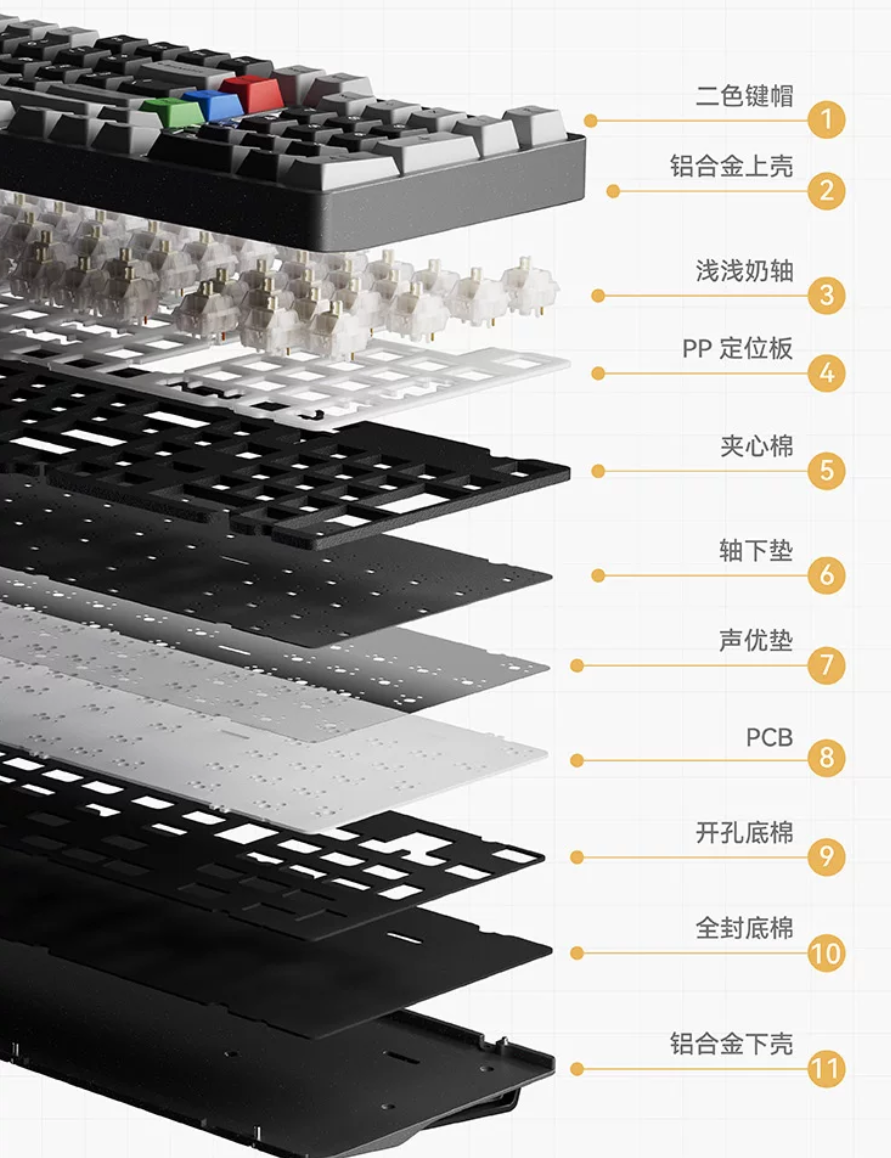
Image source: QK
Interestingly, the QK100 MK2 does not deliver an overly soft and bouncy typing feel. Its stock Qianqian Milk switches feature frosted translucent nylon housings, with an actuation force of approximately 36 gf and a total travel of around 3.6 mm. Overall, this linear switch variant leans light and exceptionally smooth.
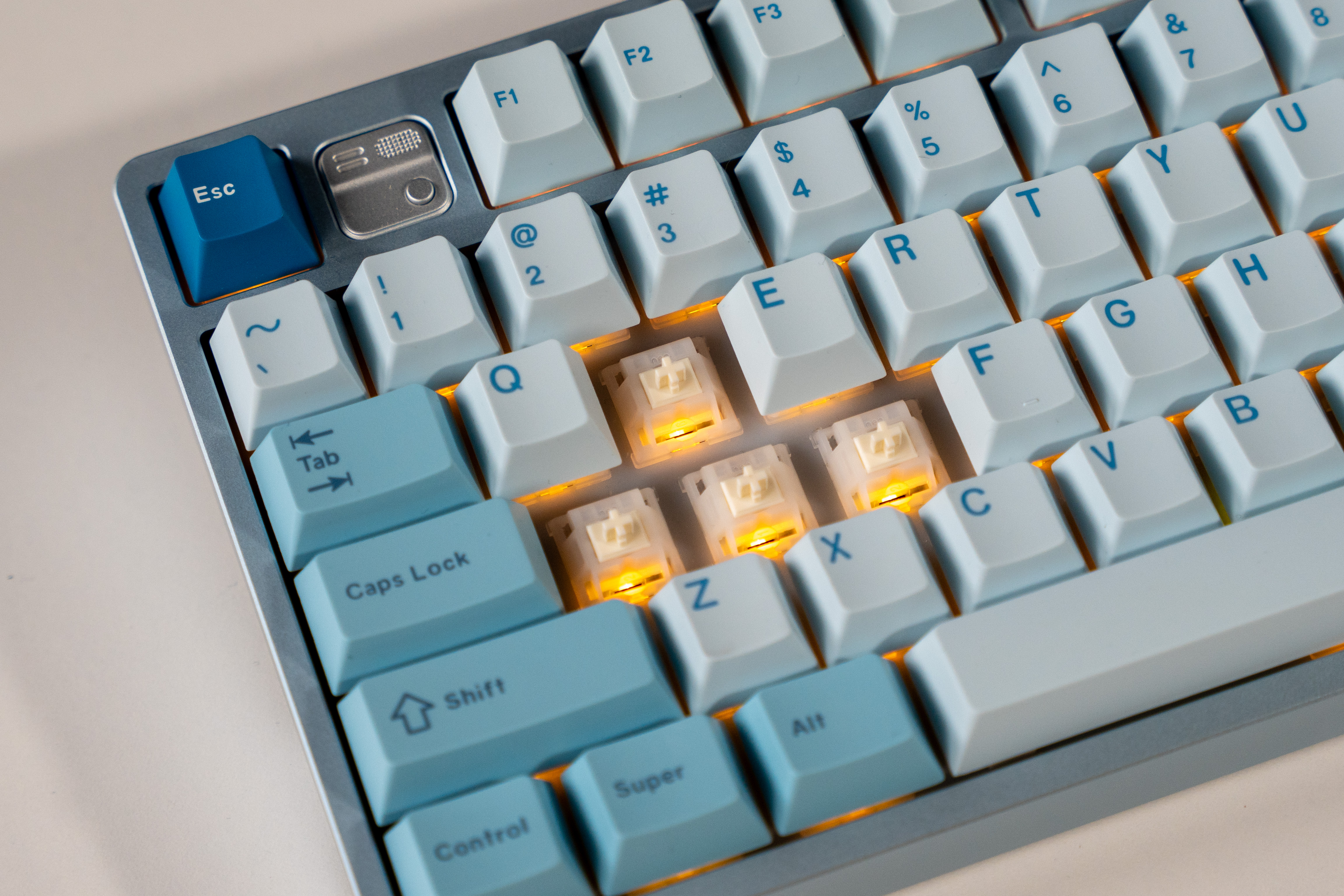
Image source: LeiTech
For office workers, lighter spring tension eases finger fatigue during long typing sessions. Meanwhile, the nylon housings deliver deeper, muted keystroke acoustics. In my opinion, this tone is far more office-friendly than the popular bright Mahjong sound favored by keyboard enthusiasts.
Furthermore, QK’s acoustic tuning is truly top-tier. The typing zone features highly concentrated, clean sound with barely any noticeable hollow cavity reverberation. Large keys including the spacebar, Enter, and Backspace maintain rich, consistent bass tones, free from the metallic stabilizer wire rattle commonly found on mass-market pre-built keyboards.
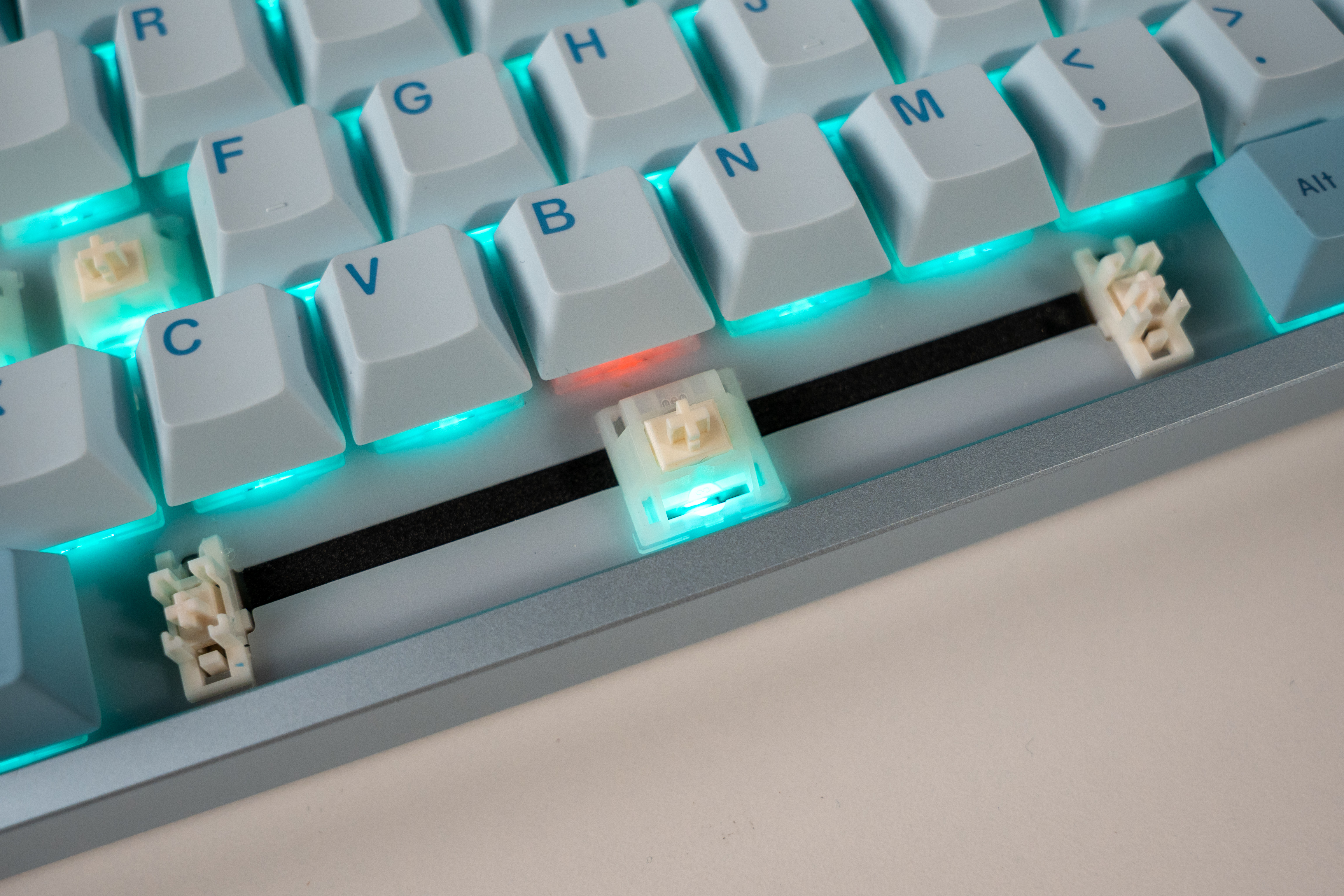
Image source: LeiTech
To be honest, its performance is practically on par with high-end custom mechanical keyboards. While QK does not offer an extensive range of customizable parts for users to mix and match, it delivers the premium custom keyboard experience straight out of the box, all while bringing the price point down to the thousand-yuan bracket.
That said, another core selling point of the QK100 MK2 lies in its keycaps. They are crafted via double-shot overmolding using Owlab’s exclusive molds. Constructed primarily from ABS with a small proportion of PBT blended in, these keycaps retain the smooth delicate texture and vibrant color saturation characteristic of ABS, while also boasting enhanced resistance to shine and oil buildup from long-term use.
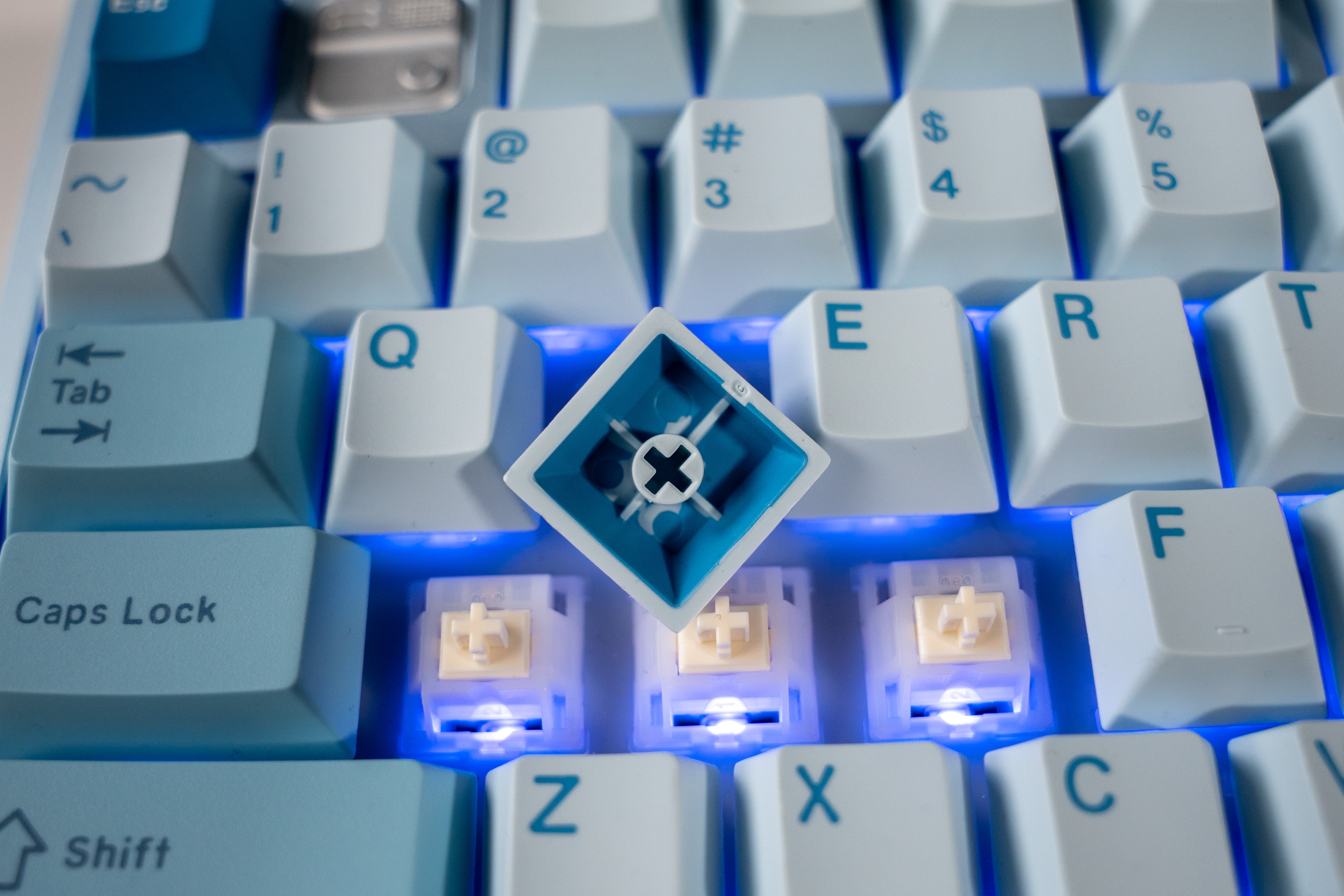
Image source: LeiTech
For those unfamiliar with the high-end custom keyboard market, you might think keycaps are nothing special and cannot possibly cost a fortune. In reality, keycaps made with identical craftsmanship and materials retail for over 1,000 yuan when sold separately in the custom keyboard scene. According to QK, the R&D investment solely for this set of keycaps exceeded one million yuan. Over seventy unique molds were trialed before achieving the optimal finish, striking a perfect balance in color uniformity, tactile smoothness, and gate burr control.
Put simply, the keycaps alone on the QK100 MK2 nearly justify its full price tag — and that is without factoring in its refined typing feel, expert acoustic tuning, and extensive customizable features.
QK Is Gradually Tearing Down the Barriers to High-End Custom Keyboards
After testing the QK100 MK2, my biggest takeaway is that QK is proactively lowering the entry barrier to custom mechanical keyboards.
In my opinion, the QK100 MK2 serves as a blueprint for premium custom boards: lightweight linear switches, Gasket mount construction, multi-layer sound dampening filling, double-shot overmolded keycaps, professionally tuned stabilizers and well-balanced acoustics. Users get more than 90% of the experience offered by high-end custom keyboards right out of the box.
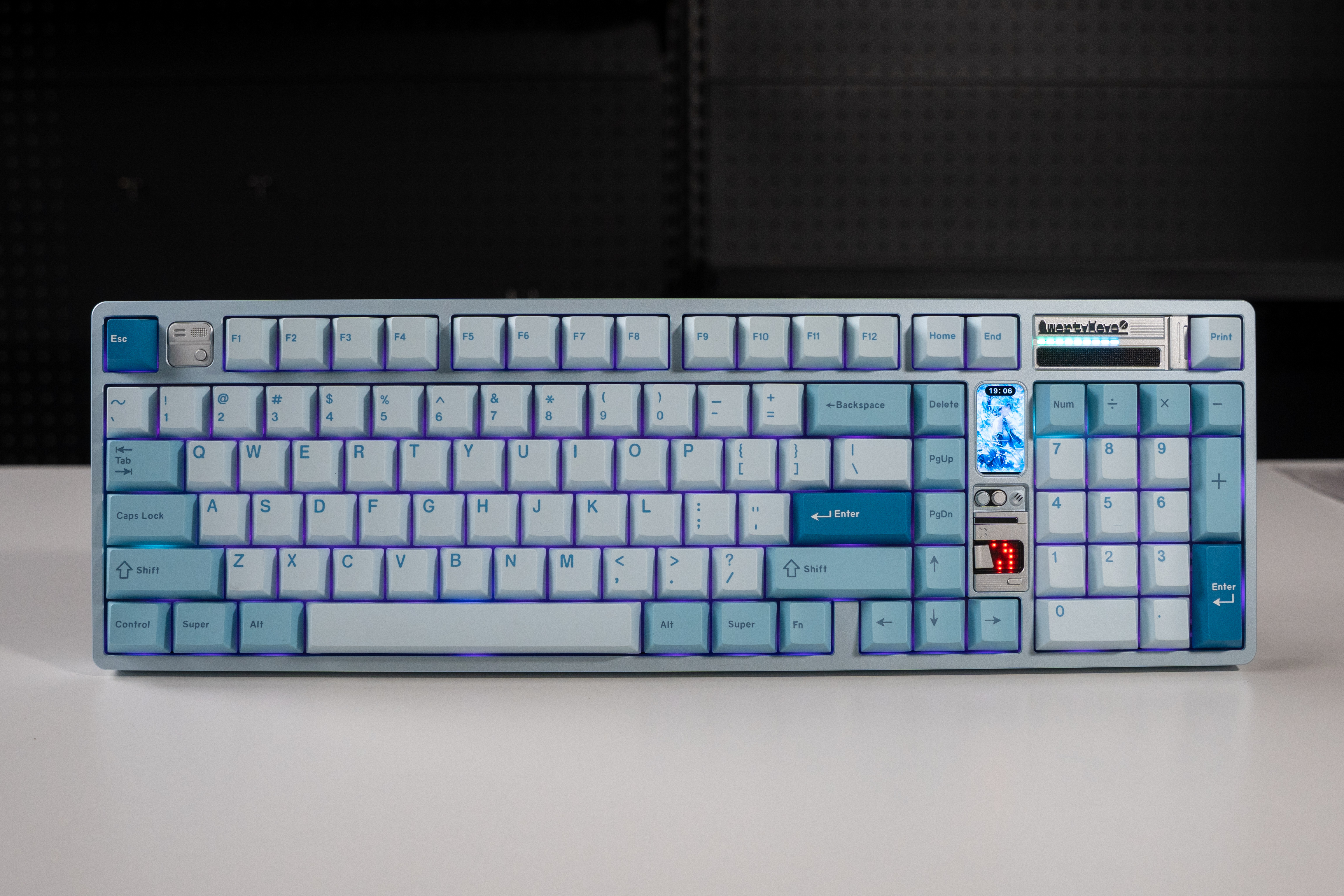
Image source: LeiTech
There are tradeoffs, however. To cut costs through mass production, compromises had to be made on customization flexibility. QK currently does not offer open custom configuration options, which can be frustrating for users with unique personalized demands. That said, QK plans to roll out a series of optional upgrade accessories later on to grant users more room for modification.
Viewed from another perspective, few premium mechanical keyboard brands on the market are still committed to full-size layouts these days. Most manufacturers lean toward compact layouts, as they help contain production costs and cater primarily to gaming enthusiasts. It is truly commendable that QK has kept office users like us in mind.
Priced at 1,499 yuan, this keyboard is by no means cheap. Nevertheless, when factoring in its industrial design, build craftsmanship and overall typing experience, I believe it delivers full value for money. While it may not qualify as a purist’s fully custom keyboard, it is arguably the most user-friendly premium board QwertyKeys has launched to date for mainstream consumers.
The WAIC 2026, themed “Intelligent Partners, Co-Creating the Future,” officially opened today!
The AI narrative has evolved—from stacking model parameters toward real-world Agent-driven productivity. Heterogeneous computing and photonic computing continue pushing computational limits upward. Embodied intelligence accelerates practical deployment: robots entering homes and factories are turning physical AI into reality.
The LeiTech WAIC reporting team has arrived in Shanghai, covering the annual pinnacle of AI industrialization—stay tuned!