 雷科技
雷科技




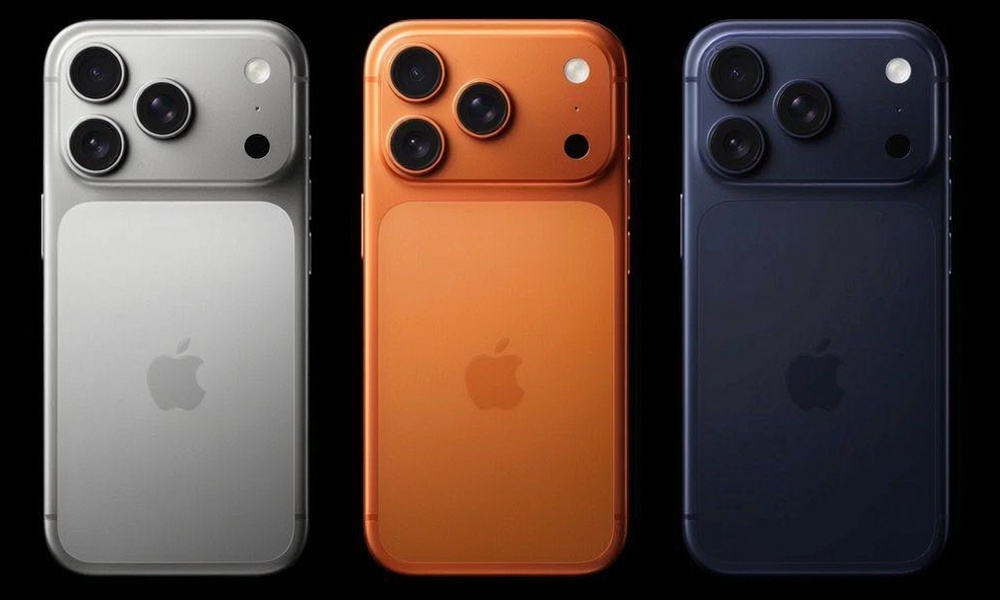

The drastic surge in storage prices has cast a shadow over the smartphone market. Recently, market research firms IDC and Omdia have successively released domestic smartphone shipment data for Q2 this year. Unsurprisingly, overall smartphone sales fell year-on-year, with most major brands registering substantial shipment declines.
Apple, however, stands out as an exception. Its sales have surged against the headwinds, expanding its market share. Together with Huawei, it is one of only two brands to achieve sales growth amid the downturn.
How did Apple pull this off? Leitech (ID: leitech) believes there is one key factor: iPhone prices have remained stable, and in some cases effectively fallen. Yet as a tech giant relentlessly pursuing high profit margins, Apple is not truly acting as a generous player amid the price hike wave. Most of Apple’s hardware products and services have seen price increases recently, while iPhone pricing remains untouched. Tim Cook appears to be executing a long-term strategy.
Surge in Sales Against Market Trend: Apple and Huawei Prevail in the High-End Segment
Let us first review the full sales figures released by IDC and Omdia. The top five rankings feature familiar brands: Huawei, Apple, OPPO, vivo and Xiaomi. Among these five, only Huawei and Apple posted sales growth against the trend. According to Omdia data, Huawei shipped 15.2 million units in Q2, capturing a 23% market share, representing a 25% year-on-year increase. Apple shipped 12.4 million units with a 19% market share, marking a 24% year-on-year rise.
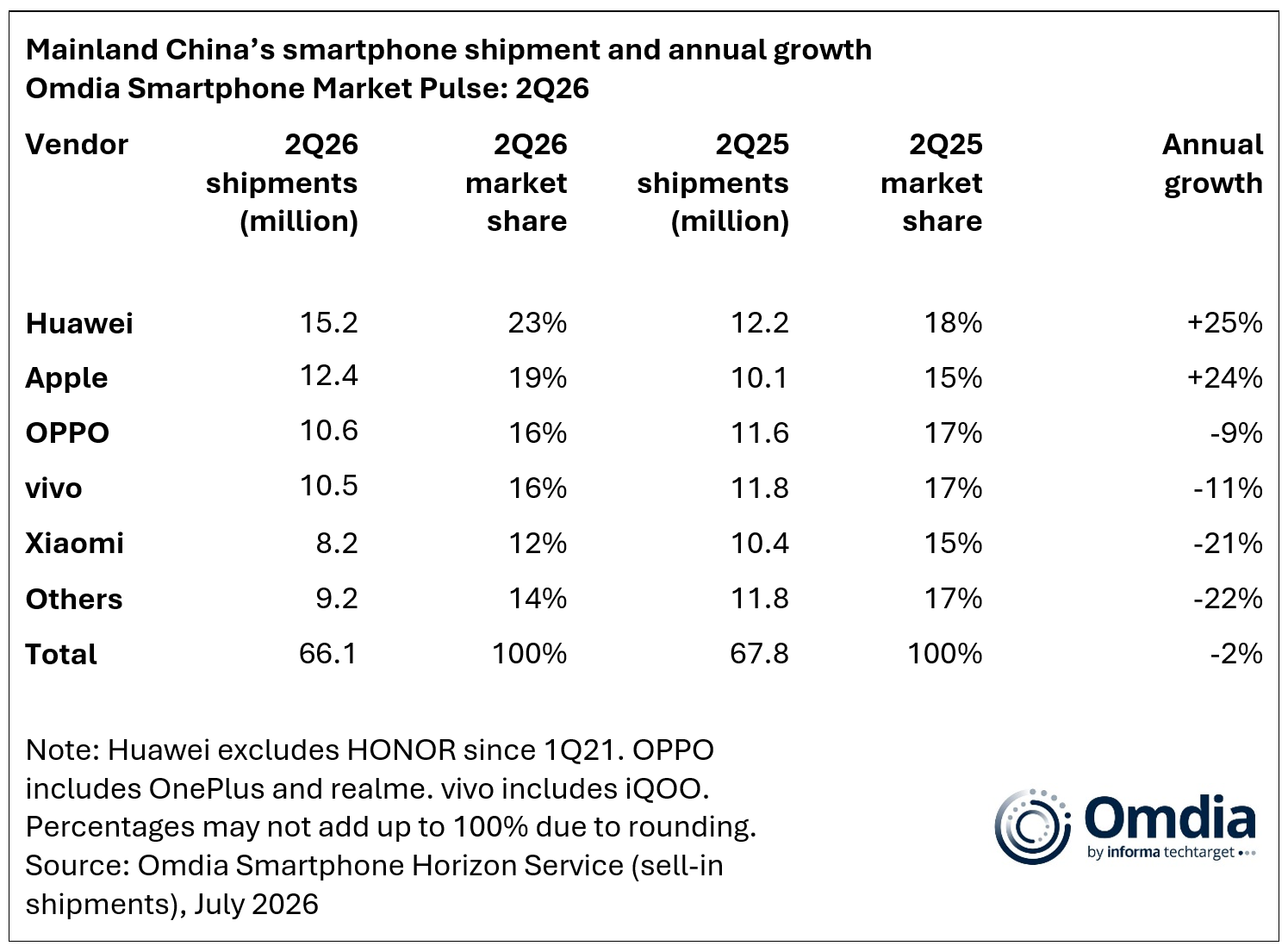
(Image source: Omdia)
The sales growth of Huawei and Apple indicates that they have secured victory in the high-end market. Since late last year, prices of DRAM and NAND storage components within the global supply chain have skyrocketed, exerting immense pressure on the mid-range and entry-level smartphone segments. Starting from March this year, Android brands have been forced to raise product prices one after another, or preserve profits by cutting hardware specifications in a covert manner. This move has directly dampened consumers’ willingness to upgrade their phones, resulting in a quieter 618 shopping festival compared with previous years.
In contrast, Huawei and Apple, which focus on the high-end market, have weathered the storm far better. Huawei claimed the top spot in China’s smartphone market in Q2 largely thanks to the full ramp-up of production for the Mate 80 series and the strong performance of the Pura 90 series. Huawei’s core strategy is clear: amid widespread industry cost hikes, maintain stable pricing and withstand the price surge relying on brand strength and the HarmonyOS ecosystem.
Apple, ranking second, follows a slightly different logic yet essentially holds high-end market share by keeping prices unchanged. Lacking strong sales from the iPhone Air lineup, Apple’s main volume drivers are the three models of the iPhone 17 series. Instead of following rivals in raising prices, these devices have seen discounts during promotional events such as the 618 shopping festival. Coupled with notable upgrades over the previous generation, the iPhone 17 series boasts both product and pricing advantages, sustaining robust competitiveness throughout Q2.
Furthermore, persistent market rumors of across-the-board smartphone price hikes in the second half of the year prompted numerous hesitant consumers to make purchases ahead of schedule. This advancement in consumer demand directly pushed Apple’s Q2 shipments to an all-time high.
Stable iPhone Hardware Prices Mask Tim Cook’s Careful Calculations
There are no miracles in business. The steady pricing of iPhones does not mean Apple is absorbing the full brunt of surging supply chain costs. Tim Cook has devised a shrewd plan: stabilize the iPhone, the foundation of its ecosystem, and recoup amplified profits through other revenue streams. The round of price increases in June was not the end; Apple’s next wave of hikes is imminent.
First, AppleCare+ prices have risen quietly. On July 15, Apple officially lifted AppleCare+ pricing for Mac and iPad devices. In the Chinese mainland market, AppleCare+ for the entry-level iPad and iPad mini 7 previously cost 549 yuan and has been quietly increased to 649 yuan, marking a nearly 20% price jump. AppleCare+ fees for other iPad models vary but have all gone up by 100 yuan.
For the Mac lineup, covering both desktops and notebooks, Air and Pro variants alike, AppleCare+ costs have increased by 150 yuan. With the exception of the already high-priced Mac Pro, official accident protection for all Apple computers now comes at a higher cost. Currently, AppleCare+ for three years on the most affordable Mac mini M4 costs 799 yuan.
Prior to this, Apple had systematically raised hardware prices for iPads, Macs, the Vision Pro headset, HomePod smart speakers and even its TV set-top boxes. Apple’s strategy is unambiguous: high-ticket non-core products drive profit margins, while the iPhone, its flagship offering, attracts new users and retains existing customers.
Second, Apple’s Back to School promotion has seen an unprecedented cutback this year, amounting to a disguised price increase.
Traditionally famous for offering free AirPods with Mac or iPad purchases, Apple’s Back to School campaign has long been regarded by students as the best purchasing opportunity of the year. However, the promotion launched on July 16 this year is far less generous. Notably, Apple announced price hikes for most of its hardware products at the end of June, making it hard to rule out the intention to curb demand ahead of the Back to School season.
This year’s Back to School promotion features an 849-yuan discount credit instead of free headphones. Customers opting for complimentary gifts can only claim a four-pack of AirTags at no extra charge. Those wanting headphones must pay a minimum additional 150 yuan for AirPods 4, while upgrading directly to AirPods Pro 3 requires an extra 1,050 yuan.

(Image source: Apple)
Meanwhile, popular entry-level products including the MacBook Neo and iPad mini 7 have been excluded from the promotion. In addition, official Apple rules prohibit combining national subsidies with this year’s Back to School educational offer. This set of measures has significantly diminished the appeal of the campaign.
Undeniably, Apple’s tactics are highly calculated. Its large iPhone installed base locks numerous high-net-worth users within the iOS ecosystem. Once users grow accustomed to cross-device integration across Apple’s product lineup, they become less sensitive to price increases for iPads, Macs, AppleCare+, and iCloud. Apple offsets profit pressure from stable iPhone pricing by raising prices on accessories and services.
On-Device AI Approval Secured; Chinese-market iPhones Fill Their Final Gap
After shoring up its core business with the new pricing strategy, Apple claimed its most important victory in China this year on July 15: official compliance for its artificial intelligence services. According to the latest filing information for seven mobile on-device generative AI services released by the Cyberspace Administration of China, Apple Intelligence, submitted by Apple Technology Development (Shanghai) Co., Ltd., has successfully obtained registration approval. This means that after two years of local negotiations and technical restructuring, generative AI services for China-market iPhones have secured official qualifications to operate legally in mainland China.
Previously, constraints around data compliance and computing infrastructure fueled widespread concerns that AI capabilities on Chinese iPhones would be stripped down, turning them into incomplete products. During Q2 market competition this year, domestic on-device AI systems such as Huawei Xiaoyi, Xiaomi Xiaoai, OPPO Xiaobu and vivo BlueHeart Large Model were deeply integrated into system frameworks, while Siri on China-market iPhones was frequently mocked by users as unintelligent.
Now Apple’s localized AI strategy has finally materialized. It has formed partnerships with Alibaba and Baidu to make up for the iPhone’s shortcomings in artificial intelligence. Under this collaboration, Alibaba’s Tongyi Qianwen large model will serve as a core AI engine embedded into Apple Intelligence, handling heavy AIGC workloads on China-market iPhones including long-text generation, complex context comprehension, email summarization and image generation. Meanwhile, Baidu, Apple’s other partner, leverages its dominant position in domestic search to power search functionality and enhance the Chinese version of Siri, enabling accurate recognition of local lifestyle service requests and nuanced conversational contexts.
This complementary localized partnership allows Apple to catch up in the shortest timeframe possible. With registration completed, the iPhone 18 Pro series scheduled for launch this autumn will finally arrive with full AI capabilities.
This leads to a critical question: Will the iPhone 18 series equipped with full-featured Apple Intelligence see a price hike?
Supply chain signals point to substantial upward pricing pressure. Continuous operation of on-device large AI models imposes higher memory requirements on smartphones. To run local large models smoothly, all iPhone 18 variants will need at least 8GB, or even 12GB of memory. With global storage chip prices remaining elevated, the resulting surge in component costs is substantial.
(Image source: X)
However, in the view of Leitech (ID: leitech), Apple will most likely adopt a more sophisticated pricing strategy. First of all, the standard iPhone 18, whose launch has been postponed to early next year, is expected to stick firmly to its starting price of 5,999 yuan. Naturally, Apple will cut costs elsewhere to make this possible. According to previous leaks, the iPhone 18 will feature a downgraded screen with inferior luminescent materials; its memory will be assembled from six 1.5GB chips to reach a total of 9GB.
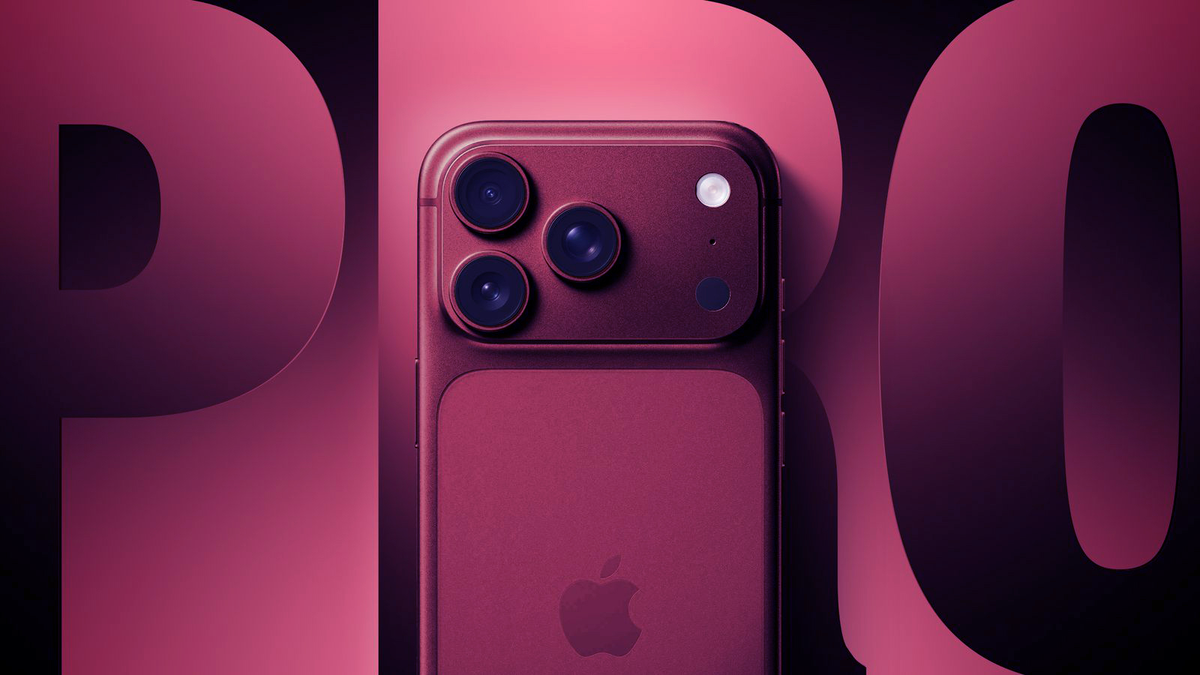
As for the iPhone 18 Pro series, it represents Apple’s primary volume driver this year and cannot afford underperformance. Therefore, we believe Apple is unlikely to raise its prices outright. Instead, it will sustain high profit margins through more covert methods. For instance, Apple may bring back the 128GB storage variant to artificially preserve an unchanged entry price. It could also reserve advanced AI features exclusively for the Pro lineup, convincing high-end customers to spend more willingly via an "AI premium".
Overall, Apple’s pricing strategy in 2026 has been full of twists and turns. For much of Q1 and Q2, Apple absorbed rising storage costs. Compared with its competitors, its hardware gained stronger market appeal. The iPhone delivered solid sales results in the first two quarters, outperforming most rivals.
Even so, Apple eventually succumbed to cost pressure, implementing substantial price hikes for products and services outside the iPhone — laying bare its core pursuit of profit maximization. With AI capabilities from Alibaba and Baidu officially integrated into China-market iPhones, Apple has completed its final preparations for the high-end competition in the second half of the year. Apple still maintains strong control over its supply chain, and its ecosystem moat continues to enable the tech giant to capture commercial gains.
Nevertheless, with a full-scale counterattack by domestic brands and the rollout of AI agent smartphones in the second half of the year, the smartphone industry battle over pricing and AI leadership has only just begun. Whether Apple can break through once again remains to be seen.