
 雷科技
雷科技




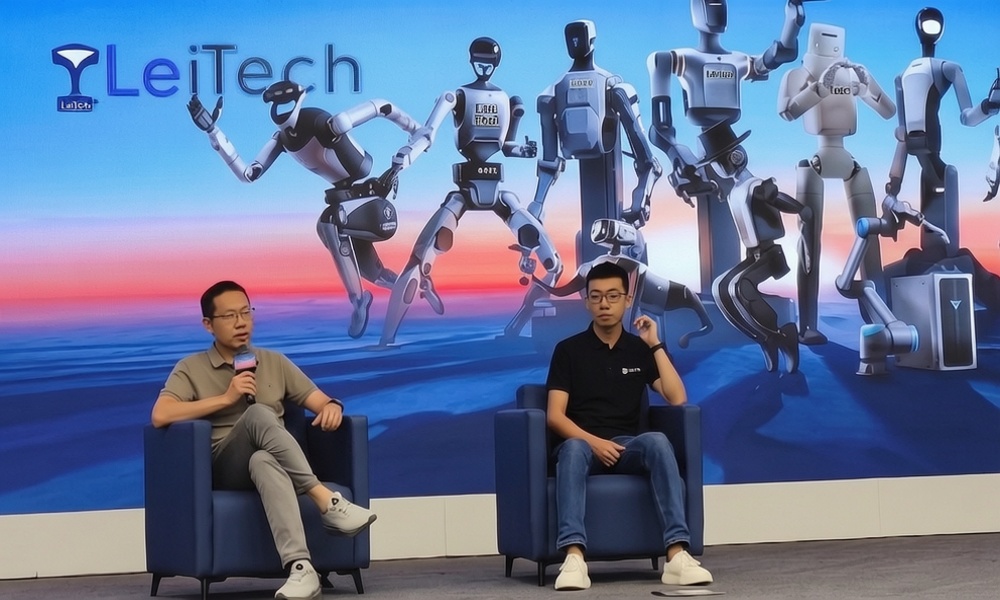


2026 is widely recognized as the inaugural year for mass production of embodied intelligent robots.
If the industry’s primary focus over the past two years was showcasing fancy technologies and flashy demos, the tide has turned this year. The sector’s core concerns now revolve around three critical questions: Can robots operate nonstop for 24 hours in factories? Can production costs be driven down? Is large-scale product delivery achievable?
On July 15, ahead of the World Artificial Intelligence Conference (WAIC), Leitech’s WAIC reporting team has arrived onsite to deliver exclusive first-hand coverage. At a pre-event media briefing, Wang Cong, CEO of Digua Robot, and Hu Chunxu, Vice President of Developer Ecosystem at Digua Robot, held exchanges with media outlets including Leitech (ID: leitech) covering key topics such as current mass-production pain points and computing power demands for embodied intelligence.
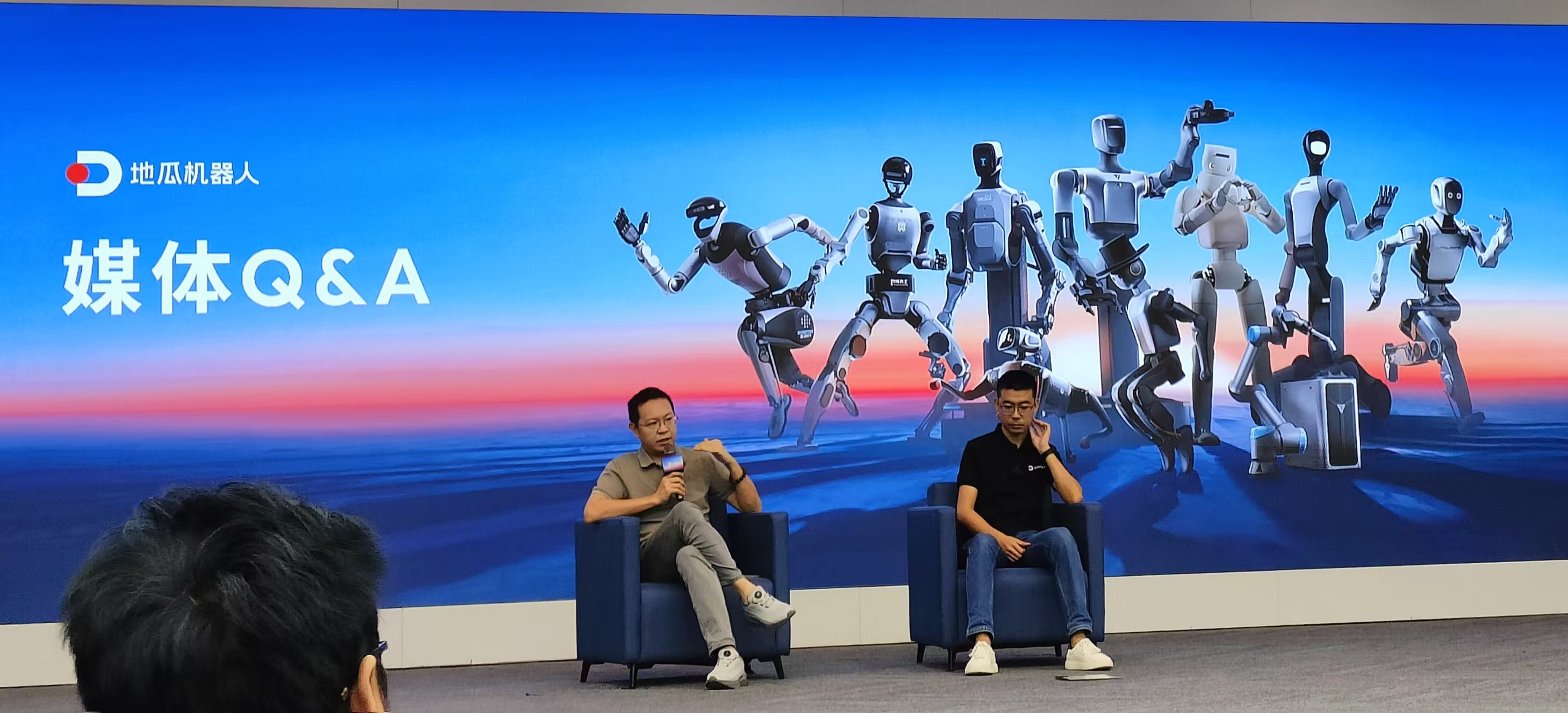
(Photograph source: LeiTech)
From this conversation, we catch a glimpse of how Digua is breaking new ground in the field of embodied intelligence. In this article, we select several representative questions and conduct in-depth discussions on the viewpoints presented in the responses.
First, let us address computing power. The Xuri S600 computing platform unveiled by Digua Robotics delivers edge computing performance of 560 TOPS. The question arises: is this level of computing power sufficient for today’s embodied intelligent robots?
In response to this question, Wang Cong stated that there exists no universal computing power benchmark across the industry at present. He drew a parallel to the evolution of intelligent driving: computing capacity rose incrementally from 1T, 4T, 10T upward, and to this day, there remains no consensus on the optimal computing power for automotive applications. The same ambiguity applies to embodied intelligence, with no definitive standard established.
In our view, algorithm models for embodied intelligence are undergoing rapid iteration. As the model scales up from Pi0’s 2.6 billion parameters to Pi0.7’s 5 billion parameters, and with the future deployment of cloud-based large models boasting tens of billions of parameters, the industry’s demand for computing power will remain insatiable.
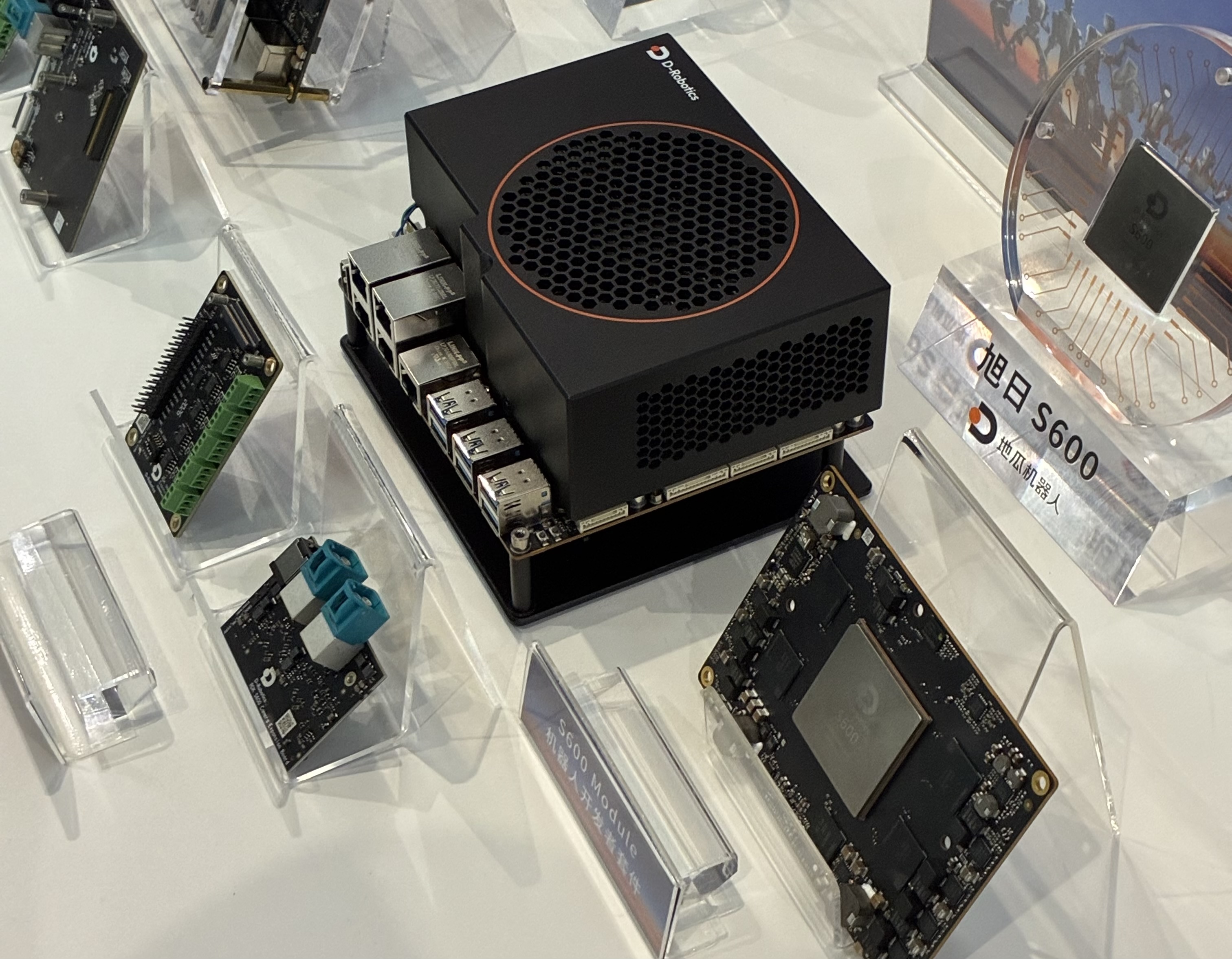
(Photograph source: LeiTech)
Wang Cong also admitted frankly that once the development path for small-scale models is fully validated, edge-side models will feature at least 30 billion parameters. The ceiling of hardware computing power generally determines the upper limit attainable by software algorithms. From this perspective, Digua Robotics imposes no upper limit on computing power.
As robot manufacturers such as Ubtech, alongside established chip heavyweights including Moore Threads and Qualcomm, rush into the market, the track for embodied intelligence chips is growing increasingly crowded. Against this backdrop, what exactly constitutes Digua Robotics’ competitive moat?
Wang Cong offered a surprising response:
All barriers boil down to sales barriers. Enterprises that pin their competitive edge on static, fixed strengths are highly likely to run into trouble down the line. In an era marked by rapid technological iteration, no competitive advantage lasts long.
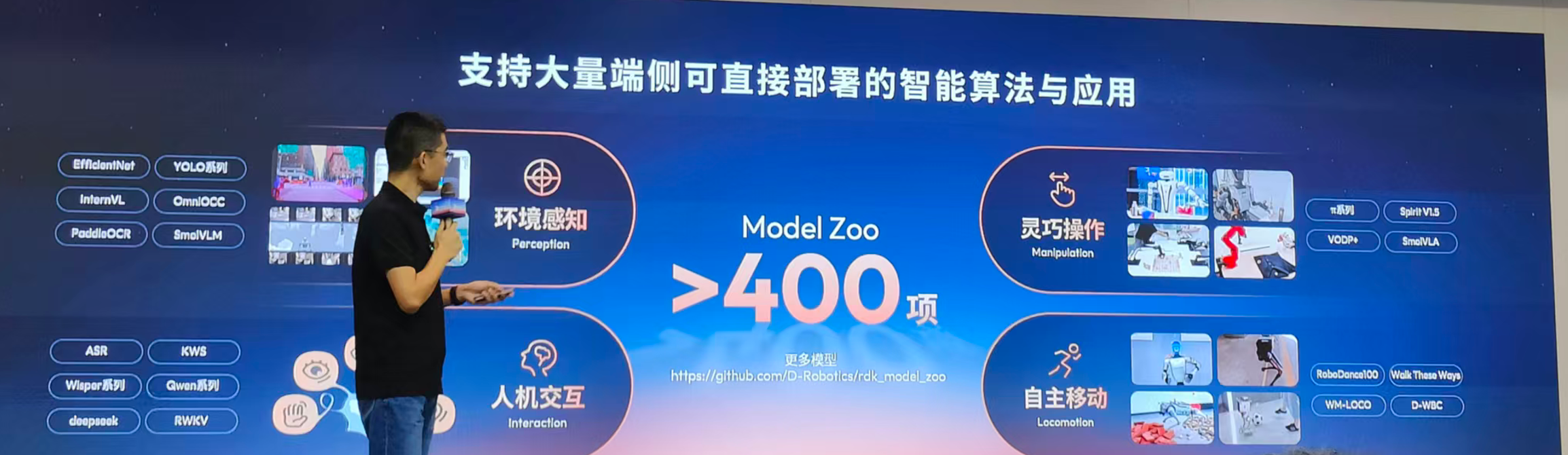
Nevertheless, he highlighted three comparative strengths Digua Robotics has built up to date. First, the company entered the market at an earlier stage. Months of joint debugging have helped it accumulate abundant implicit user requirements. Second, it boasts robust supply chain control; high shipment volumes strengthen collaboration with upstream and downstream partners and grant greater negotiating leverage. Third, its software toolchains are deeply compatible with mainstream models, drastically cutting migration costs for clients.
We believe this is a candid assessment. No unattainable, exclusive cutting-edge technology dominates today’s embodied intelligence sector; competition ultimately hinges on engineering implementation capability. As Wang Cong explained, if clients are unfamiliar with Digua’s chip architecture, the firm pre-deploys and optimizes foundational algorithms on its chips and delivers usable baseline models. Customers can then carry out rapid iterations based on these foundations.
In other words, Digua supplies far more than high-computing-power chips, but comprehensive solutions covering hardware, software, supporting services and tooling. Simply put, solutions that save clients time and money inherently gain an edge in commercial competition.
(Photograph source: LeiTech)
Some participants raised another question. The industry generally acknowledges that data lies at the core of improving large models’ generalization capability, yet a paradox persists: poor model performance prevents access to real production line scenarios, and the lack of real-world scenarios in turn blocks access to high-quality data required for model training. How can this vicious cycle be broken?
Wang Cong drew a parallel with the early days of autonomous driving and offered his insights:
Back when autonomous driving was in its infancy, there were no mature mass-produced vehicles available; all cars were retrofitted in-house, and most of the first batch of collected data ended up unusable. Engineers only finalized the optimal number of cameras and radar configurations after multiple rounds of trial and error. Embodied intelligence is going through an identical phase today. After discarding several batches of flawed data and navigating various detours, viable pathways for industrial implementation will naturally take shape.
This reflects another hallmark of China’s tech industry: tolerance for trial and error. Upfront capital investment is deployed to accumulate datasets. High-quality lab data as well as failed records generated during real-world operation all serve as indispensable fuel for training embodied intelligence systems. According to Wang Cong, gains in generalization ability stem not from disruptive technical breakthroughs, but from increasingly solid foundational work on data alignment and data governance.
This one-hour-plus group interview demonstrated that Digua adopts a highly pragmatic overall technical and commercial roadmap. Whether referencing the repeatedly mentioned World Model or edge-side Vision-Language-Action (VLA) model, Digua Robotics consistently centers its efforts on enabling robots equipped with these technologies to deliver stable, reliable performance in physical environments.
The year 2026 marks a pivotal transition for embodied intelligence: technologies are evolving from lab feasibility toward stable, cost-effective commercial operation. Specialized industrial scenarios including warehouse handling and heavily polluted bottom-coating processes are likely to become the first batch of testbeds for large-scale robot deployment. In this phase, neither Digua Robotics nor its clients need eye-catching demo videos to win attention. All stakeholders will face stringent commercial assessments centered on production efficiency and input-output ratio.
The golden age of embodied intelligence has truly arrived. Even so, only players with robust comprehensive strength can ride this industry wave and pull ahead amid the next round of competition.
The WAIC 2026, themed “Intelligent Partners, Co-Creating the Future,” is about to open.
The AI narrative is shifting—from stacking model parameters to deploying practical, agent-driven productivity solutions; heterogeneous computing and photonic computing continue pushing the boundaries of computational performance; and embodied AI is accelerating real-world adoption, bringing physical AI to life as robots enter homes and factories alike.
LeiTech’s WAIC exhibition reporting team has arrived in Shanghai—capturing the annual pinnacle of AI industrialization in real time. Stay tuned!