 雷科技
雷科技




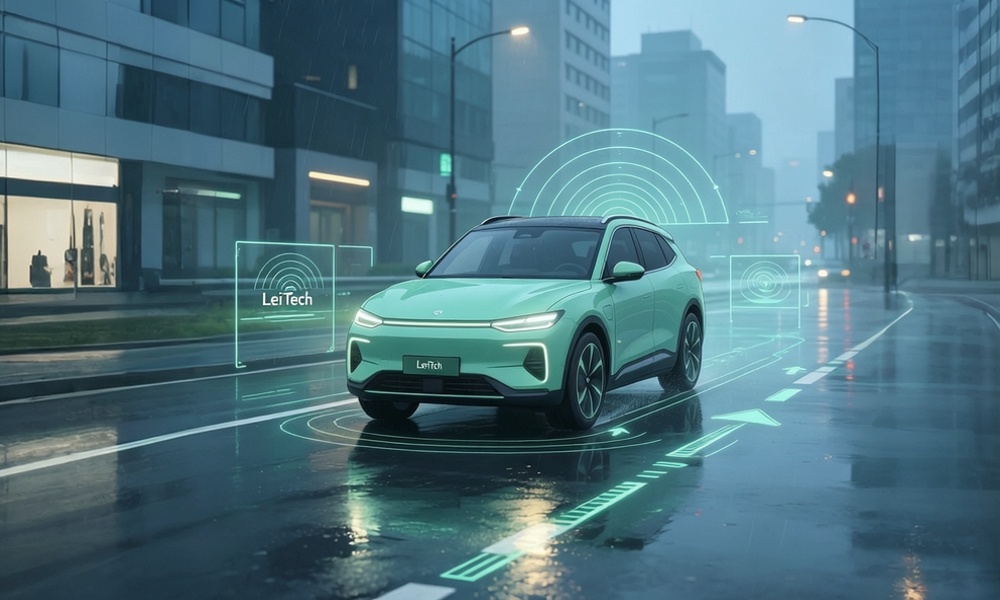

At a media roundtable of the 2026 World Intelligent Connected Vehicles Conference held recently, Guo Shougang, Director‑General of the First Equipment Industry Department of the Ministry of Industry and Information Technology, stated that the penetration rate of passenger vehicles equipped with Level‑2 combined assisted‑driving functions in China has hit 70.5% so far this year, while that for passenger vehicles with navigation‑assisted driving functions stands at 34.2%.
According to data analytics firm JATO Dynamics, the penetration rate of Level‑2 assisted driving across five major European countries (Germany, France, Italy, Spain and the United Kingdom) stood at merely 35% in 2025, far below China’s figure.
Despite being developed economies with higher per‑capita GDP and incomes, these five European countries register a markedly lower L2 assisted‑driving penetration rate than China. One possible explanation is that European automakers have not invested sufficient efforts in this area.
In‑house‑developed chips and technologies: Chinese home‑grown brands gain an edge through heavy investment
In recent years, a distinct trend has emerged among Chinese automakers in intelligent driving: developing chips in‑house. Examples include NIO’s Shenji NX9031, Xpeng’s Turing chip, Li Auto’s Mach M100, and BYD, a long‑established domestic manufacturer, which unveiled its Xuanji A3 not long ago.
Overseas, only Tesla and General Motors are known to independently develop intelligent‑driving chips. Premium legacy brands such as Mercedes‑Benz, BMW and Audi tend to source chips from external suppliers.
Admittedly, with abundant chip suppliers including NVIDIA, Infineon, Renesas, Horizon Robotics and Qualcomm, in‑house chip development is by no means the sole metric for evaluating an automaker’s overall competence. Nevertheless, proactive investment in self‑developed chips demonstrates brands’ strategic emphasis on the long‑term roll‑out of high‑level intelligent driving.
Take Xpeng as an example. Beyond its Turing chip, the firm released and rolled out its second‑generation VLA in March this year. Centered on the physical‑world large model, full‑scene coverage, global applicability and rapid iteration, it generates direct vehicle control commands from visual inputs, operating the car much like an experienced human driver.
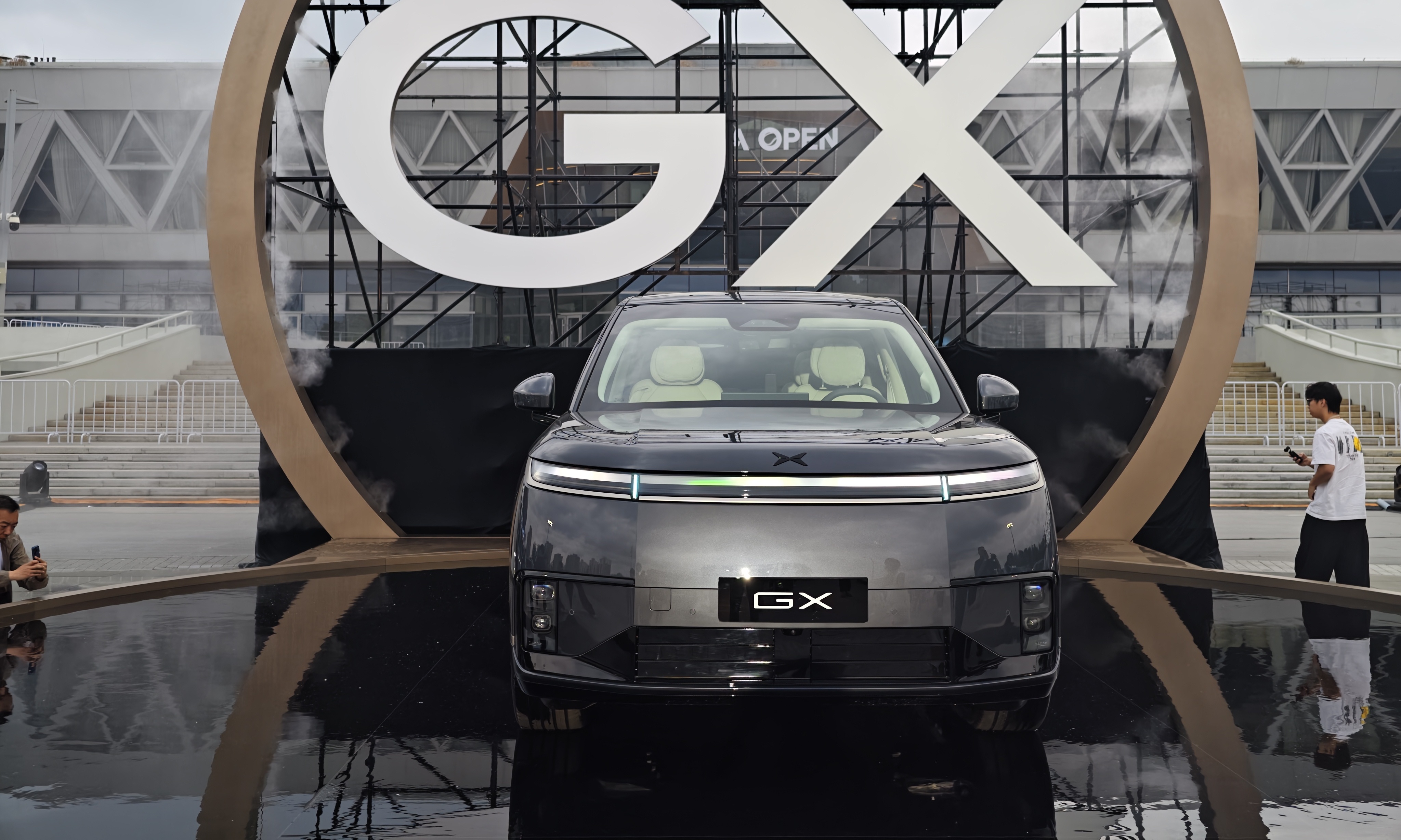
(Image source: Dianche Tong)
To achieve this goal, Xpeng announced back in 2024 that it would allocate R&D funding of 3.5 billion yuan annually to AI‑focused areas dominated by intelligent driving. In the first quarter alone of this year, Xpeng’s R&D expenditure reached 2.91 billion yuan.
NIO and Li Auto follow a similar path, yielding remarkable outcomes from hefty R&D investment. NIO unveiled its brand‑new NWM World Model in January this year, built upon the architecture of “World Model + Supervised Fine‑Tuning + Closed‑Loop Reinforcement Learning”. It features China’s first‑of‑its‑kind end‑to‑end direct control, where the model directly outputs steering‑wheel, accelerator and brake signals to realize integrated longitudinal‑lateral control. It also supports full‑scene coverage without high‑definition maps and full‑domain U‑turn capabilities.
This solution was officially rolled out to NIO users in June this year. It is available for vehicles equipped with four Orin‑X or Shenji NX9031 chips across NIO and Le Dao brands. Meanwhile, features such as urban navigation‑aided battery‑swap were launched, enabling full‑domain navigation assistance covering highways, urban roads, rural areas and parking garages.
According to Li Xiang, CEO of Li Auto, conventional intelligent driving suffers from three major pain points: take‑over risks, limited scene adaptability and low traffic efficiency. To address these issues, Li Auto has launched MindVLA‑o1, the Mach VLA Driver Large Model and the Mach M100 chip this year. The company aims to integrate four dimensions — electric vehicle, professional driver, AI computer and life assistant — to turn cars into genuine “mobile spaces”.
Retaining a language layer, the Mach VLA Driver Large Model establishes a unified multimodal training system, delivering five key breakthroughs: 3D spatial perception, multimodal reasoning, unified behavior generation, closed‑loop reinforcement learning, and hardware‑software synergy. It will in the future achieve full connectivity with smart home devices and boost the response speed of intelligent‑driving systems.
As an indispensable player in China’s intelligent‑driving landscape, HarmonyOS Intelligent Mobility stands out as an undisputed industry leader. Whether it is the 896‑line dual‑optical‑path LiDAR launched in March or the WEWA 2.0 architecture unveiled in April, its innovations have repeatedly sent ripples across the industry.
WEWA 2.0 consists of cloud‑side WE World Engine and vehicle‑end WA World Execution Unit working in tandem, breaking away from the traditional linear perception‑decision pipeline. On the cloud, a multi‑agent game‑theoretic mechanism simulates interactions among road participants, paired with online reinforcement learning to accelerate iteration for long‑tail scenarios. On the vehicle side, a 3D safety risk‑field model evaluates real‑time risks across all road conditions and empowers the Driving Agent to generate autonomous driving strategies. Compared with its predecessor, WEWA 2.0 boasts greatly improved prediction and defensive‑driving capabilities, effectively reducing jerky movements and sudden braking.
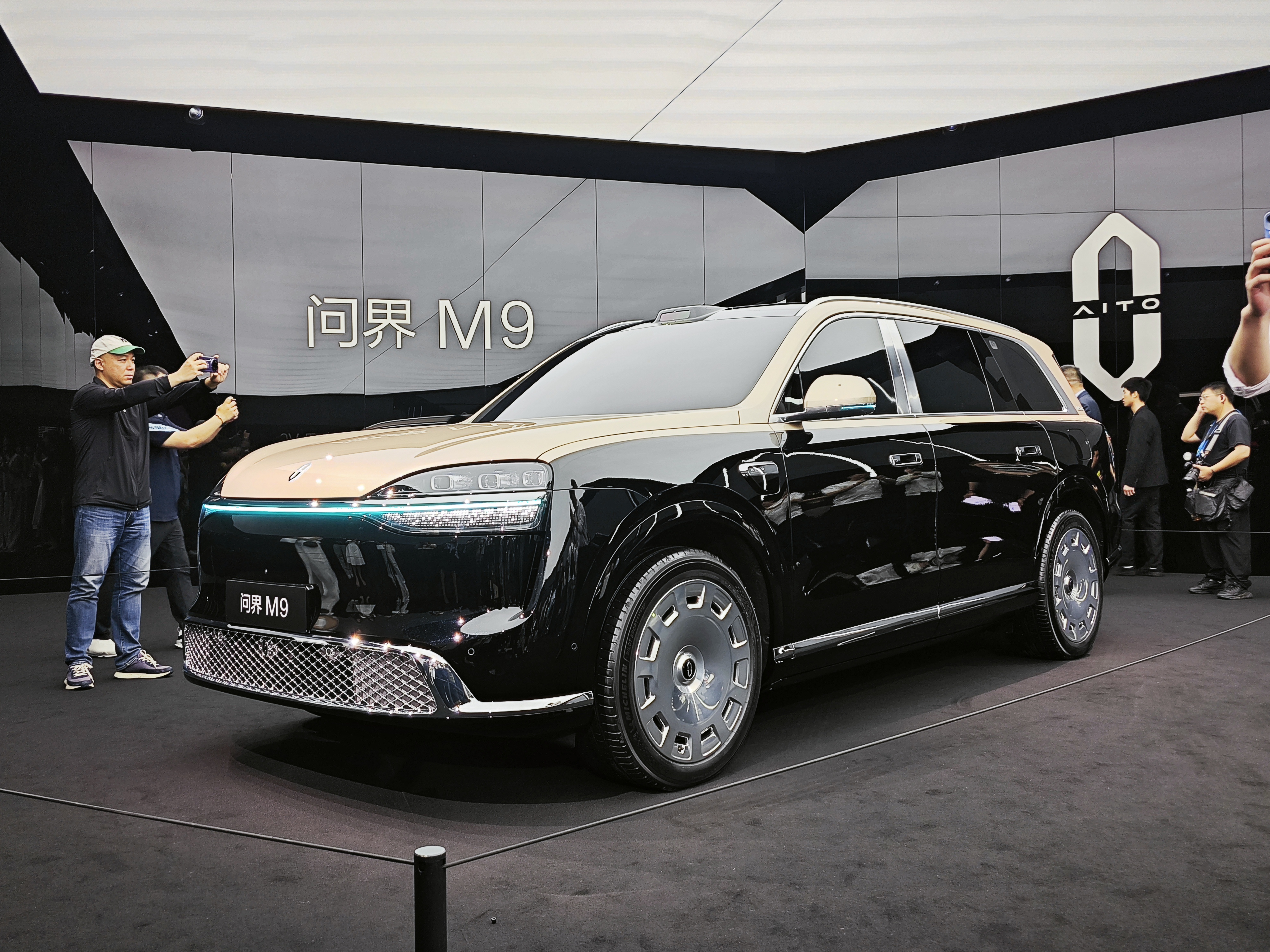
(Image source: Dianche)
Huawei Qiankun ADS 5 built on WEWA 2.0 has started rolling out, making its debut on the Qijing GT7. Other released models will receive OTA upgrades sequentially.
For a long time in the past, navigation‑assisted driving was a premium feature exclusive to high‑end luxury vehicles due to cost constraints. As a result, Leapmotor, which focuses on the mid‑to‑entry‑level market, achieved limited progress in intelligent driving. That said, in March, Leapmotor announced the full deployment of its VLA large‑model intelligent‑driving solution, kicking off an all‑round upgrade of its intelligent‑driving technologies. In the second quarter, it officially launched nationwide urban navigation‑assisted driving functions, breaking the limits of previous regional pilots.
Recently, Leapmotor completed the first VLA urban navigation‑assist OTA rollout for its D19 model. Key capabilities including defensive deceleration, risk avoidance and intersection traversal have been optimized to substantially enhance safety under complex road conditions. Under its annual roadmap, Leapmotor will complete the full construction of its foundational intelligent‑driving base model by the end of 2026 and establish a mature mass‑production system for large‑model‑based intelligent driving. Leveraging cost‑performance advantages, it aims to lower the deployment threshold for high‑level urban NOA and bring full‑domain high‑end intelligent driving to vehicles priced at around 100,000 yuan.
While intelligence is not regarded as a strength of legacy automakers, they are also pressing ahead with relevant efforts. On May 28 this year, BYD unveiled its Xuanji A3 intelligent‑driving chip. A single unit delivers over 700 TOPS of computing power, and three chips working in synergy deliver a combined computing power exceeding 2100 TOPS, laying the computing foundation for its God’s Eye A/B/C systems.
From the perspective of Dianchetong (ID: dianchetong233), the greatest significance of BYD’s self‑developed intelligent‑driving chip lies in cutting chip procurement costs, enabling the God’s Eye system to further penetrate lower‑tier markets and vigorously advancing “equal access to intelligent driving”.
Compared with most overseas automakers, Chinese manufacturers attach markedly greater importance to independent technology development. Even some automakers that have formed partnerships with intelligent‑driving enterprises and adopt supplier‑provided intelligent‑driving solutions for certain products keep working on in‑house intelligent‑driving technologies and chips. It is this drive that has propelled domestic intelligent‑driving technologies into the world’s first tier, with L2‑level assisted‑driving penetration leading globally.
Furthermore, Chinese automakers believe that intelligence should not be limited to electric vehicles; fuel‑powered vehicles should not fall too far behind in this regard either.
Fuel‑powered Vehicles Also Need Intelligence
Despite the rising penetration of new‑energy vehicles, fuel‑powered cars still account for half of the automobile market. The 70% penetration rate of L2‑level assisted driving shows that automakers have not ignored the demands of fuel‑vehicle owners when pursuing intelligence.
Strictly speaking, fuel‑powered vehicles suffer from mechanical lag in engines and gearboxes alongside non‑linear torque output, making it difficult to meet the millisecond‑level precise longitudinal‑lateral control requirements of intelligent driving. In addition, their 12‑volt power supply systems cannot support high‑power‑consuming hardware such as high‑computing‑power domain controllers and multiple LiDAR units, which readily leads to battery drain and insufficient load capacity. Hence fuel‑powered cars have relatively poor compatibility with intelligent‑driving systems — yet challenges exist precisely to be overcome.
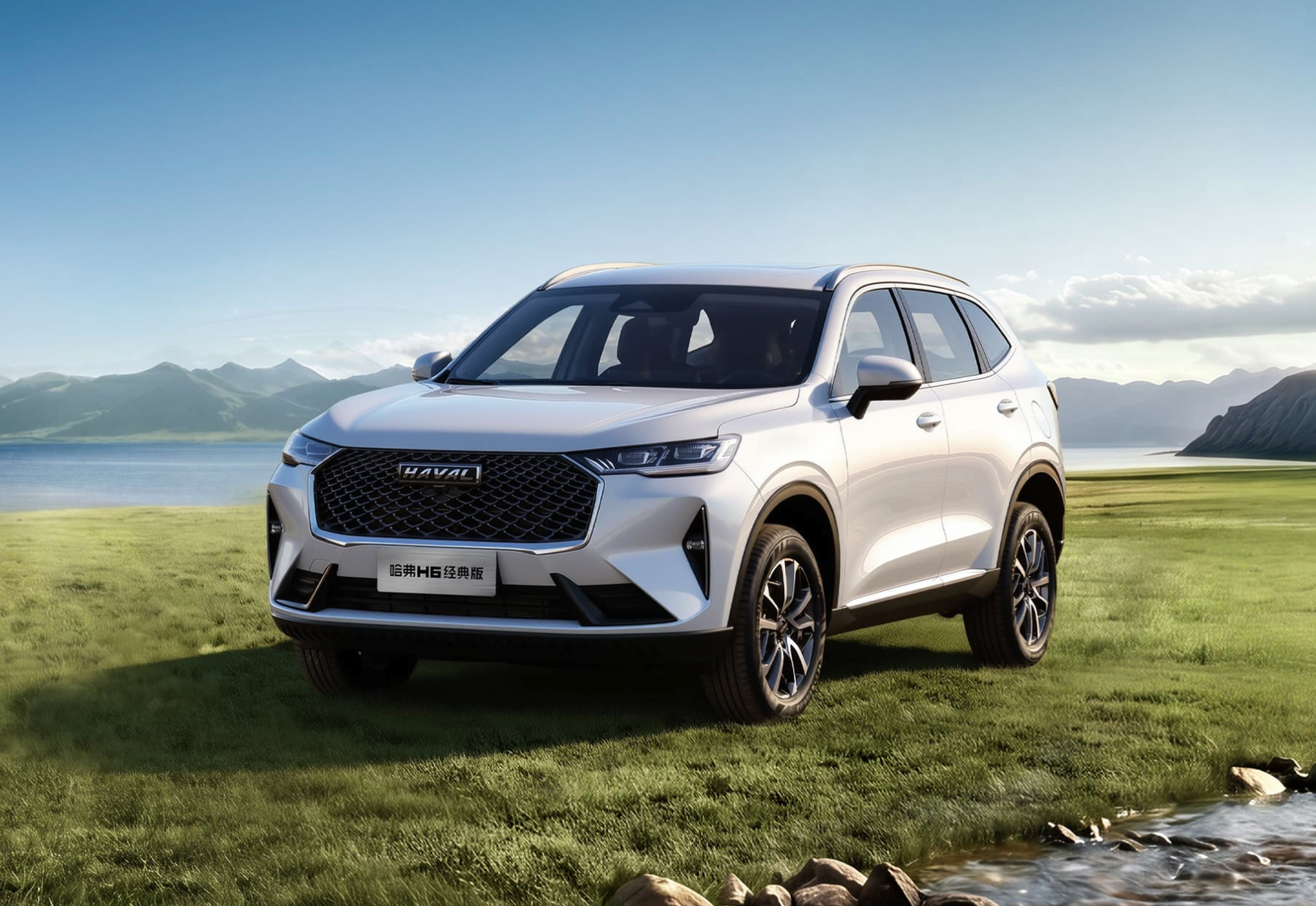
Take Great Wall Motors as an example. Models including the Haval H6, Dago and Chitu are already equipped with L2‑level assisted‑driving features, such as full‑speed‑range ACC, lane centering, automatic emergency braking, 540‑degree panoramic imaging and lane‑change assist. Power control, drive‑by‑wire chassis, and four‑wheel‑drive coordination on high‑trim variants are Great Wall’s solutions to slow mechanical response lag.
(Image source: Great Wall Motor)
Changan, Chery, Geely and other automakers are following suit. The Chery Tiggo 9 Auto 4WD Falcon 500 Edition, powered by the in‑house developed Falcon 500 system, delivers highway NOA capabilities and is arguably the most capable fuel‑powered vehicle for intelligent driving under 200,000 yuan.
Reducing mechanical lag holds the key to enabling high‑level intelligent driving for fuel‑powered vehicles. Nevertheless, the engine‑and‑transmission architecture inherently results in greater mechanical lag compared with new‑energy vehicles.
Automakers are nonetheless adopting alternative solutions to equip these “imperfect” fuel‑powered vehicles with more advanced intelligent‑driving features. For instance, the 4th‑generation Changan CS75 PLUS Blue Whale SkyPilot Navigation Edition comes with the vision‑based SkyPilot intelligent driving assistance system, supporting highway‑expressway navigation‑aided driving and Automatic Lane Change (ALC).
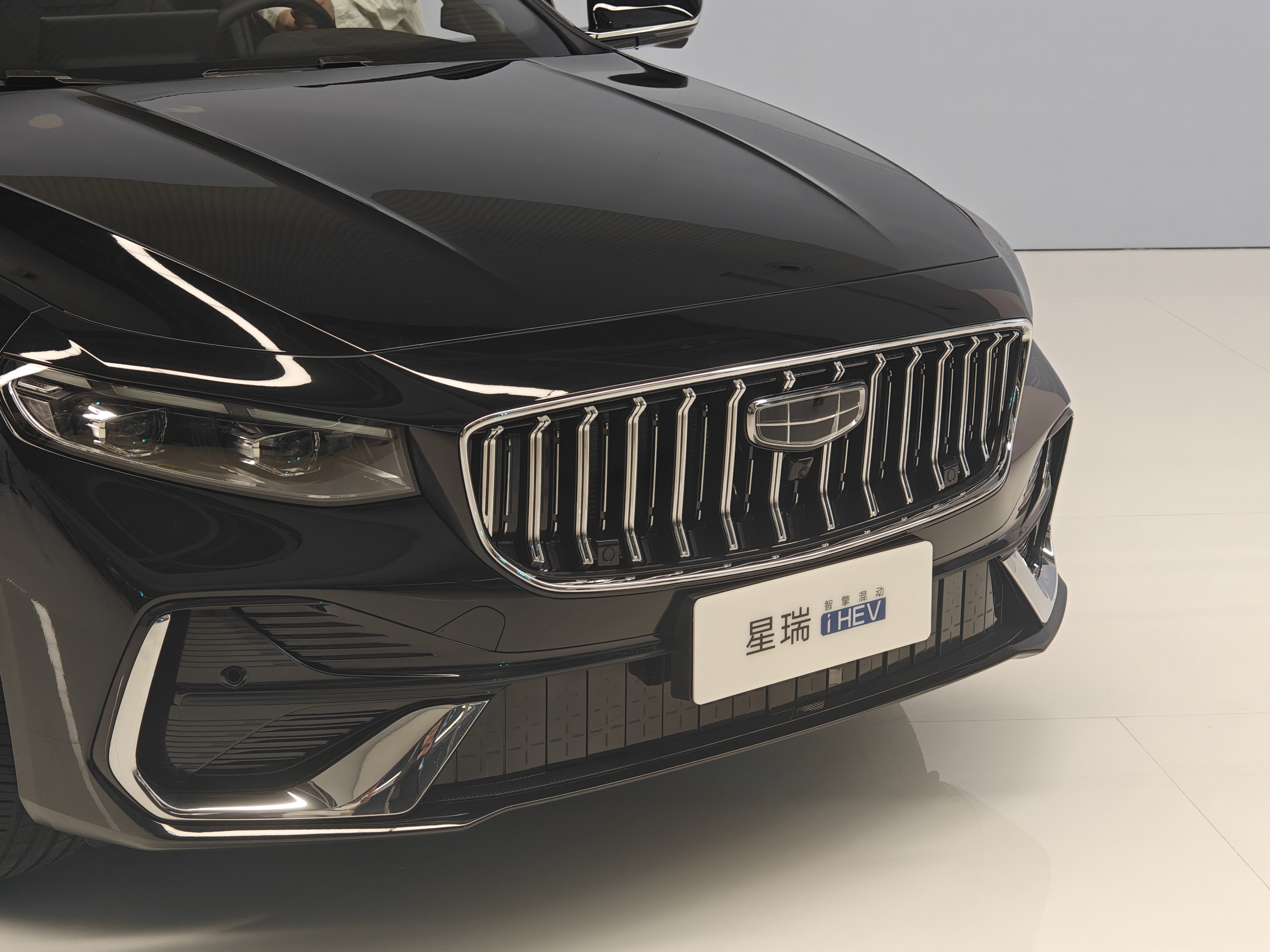
Taking a further step, Geely’s Xingrui i‑HEV Smart Hybrid Wangshu Edition is fitted with the Horizon J6M chip boasting 128 TOPS of computing power and the Qianli Haohan H3 driver‑assistance system. It supports functions including ICC lane navigation assist, urban AEB collision avoidance, stalk‑activated lane change, and APA automatic parking assist.
(Image source: Dianche Tong)
Unlike conventional fuel‑powered vehicles, these two Changan and Geely models are fitted with small‑capacity batteries and electric motors. At low‑to‑medium speeds, they boost energy efficiency via fuel‑powered electricity generation and motor‑driven propulsion. Meanwhile, the fast‑response nature of electric motors keeps urban‑road AEB highly responsive.
Higher‑level intelligent‑driving features can also be found on certain fuel‑powered models. For example, the Audi Q5L, A6L and A5L are equipped with Huawei Qiankun intelligent driving, supporting highway‑urban combined NOA. The Mercedes‑Benz E‑Class adopts an intelligent‑driving solution spearheaded by a Chinese‑based team to deliver adaptive cruise control. Naturally, these models command substantially higher price tags than offerings from Changan, Great Wall, Chery and Geely.
In the view of Dianchetong (ID: dianchetong233), slow response from engines and transmissions cannot be fully eliminated. Drawing on the approaches taken by Changan Blue Whale Ultra Hybrid and Geely i‑HEV — adding small batteries and electric motors to fuel‑powered vehicles and leveraging motors’ rapid response to refine intelligent‑driving performance — may represent the optimal path for upgrading intelligent driving on fuel‑powered cars, with small batteries and motors exerting limited impact on overall vehicle costs.
VLA plus World Model: The Ultimate Solution for Intelligent Driving?
VLA and World Model are arguably the two most‑mentioned buzzwords as major automakers and intelligent‑driving firms present their technologies this year. Intelligent‑driving technology has evolved from traditional rule‑based algorithms to end‑to‑end frameworks, completing underlying architectural upgrades. Its progression from Vision‑Language Models (VLM) to VLA has brought leap‑forward improvements in environmental perception capabilities.
VLA (Vision‑Language‑Action Model) can not only parse visual and textual inputs but also enable human‑like reasoning and global situational awareness. Among HarmonyOS Intelligent Mobility, NIO, Xpeng and Li Auto, Xpeng and Li Auto firmly pursue the VLA route supplemented by World Models. Their systems aim not only to perceive and interpret the physical world but also to anticipate future scenarios.
By contrast, NIO and HarmonyOS Intelligent Mobility prioritize World Models. Generative models directly produce trajectory planning, meaning control commands are output straight from raw sensor data, bypassing the intermediate language layer (L).
Nonetheless, distinctions exist between their implementations. NIO’s NWM World Model centers on “cognition‑driven” logic, adopting a dual architecture of cloud‑side training plus vehicle‑on‑board inference. It foresees future road conditions to avert risks and enables autonomous model‑level decision‑making. HarmonyOS Intelligent Mobility’s WEWA 2.0 combines cloud‑formulated strategies with real‑time on‑board risk assessment: the cloud‑based WE handles core computation while the vehicle‑mounted WA undertakes lightweight execution.
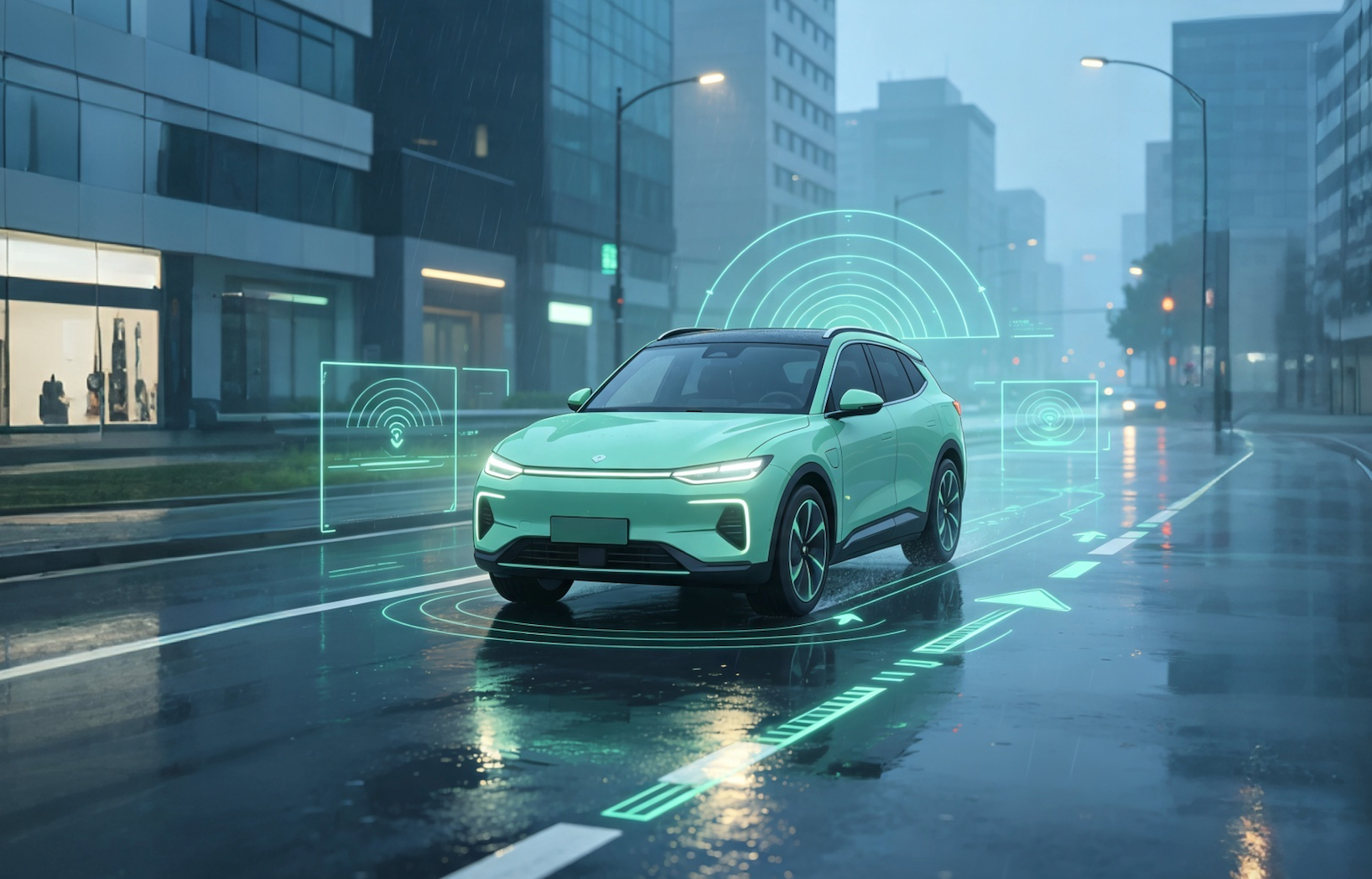
In essence, the World Model acts as the “core inference engine” for physical‑world AI. Automakers have broadly embraced World Model architectures, differing mainly in whether they treat World Models or VLA as the primary backbone. HarmonyOS Intelligent Mobility and NIO lean toward World‑Model‑centric designs, while Xpeng and Li Auto favor VLA‑oriented ones. Still, World Models and VLA are not mutually exclusive. NIO’s NWM incorporates partial VLA traits, and the VLA systems deployed by Xpeng and Li Auto also embed World‑Model‑derived capabilities.
(Image source: Doubao AI)
As for perception solutions, most major enterprises adopt a dual‑track approach combining pure vision and LiDAR. Among mainstream Chinese home‑grown brands, however, only Xpeng remains a steadfast advocate for the pure‑vision solution, refraining from equipping LiDAR even on its high‑end models. Other automakers generally deploy pure‑vision setups for entry‑level vehicles and adopt a fused LiDAR‑plus‑vision solution for premium offerings.
According to Dianchetong (ID: dianchetong233), while the first‑principle approach can avoid interference from multi‑source information, intelligent‑driving systems are not human brains and lack abstract reasoning capabilities. For a long time to come, high‑level intelligent driving will still require LiDAR for safety redundancy.
In contrast to the conservative supply‑chain procurement model favored by overseas automakers, Chinese manufacturers sustain heavy investment in independent R&D and have achieved full‑stack breakthroughs in intelligent‑driving chips, AI models and vehicle‑level architectures. Two dominant technical routes‑‑VLA and World Model‑‑have taken shape, building differentiated technological moats.
Meanwhile, the industry has overturned the conventional notion that “intelligence belongs exclusively to new‑energy vehicles”. Targeted optimizations to chassis, power supply and powertrain systems have addressed the inherent weaknesses of intelligent driving for fuel‑powered cars, enabling parallel popularization of intelligence across both ICE and NEV models. This industry‑wide development philosophy featuring heavy in‑house R&D, rapid iteration and market penetration into lower‑tier segments has propelled China’s intelligent‑driving industry far ahead of its overseas counterparts and secured its position in the global first tier.
Cover image source: Generated by Doubao AI
On July 31, ChinaJoy 2026—under the theme “Journeying with AI”—will officially open.
A total of 900 entertainment industry exhibitors—including Tencent, NetEase, Sony, Qualcomm, Maicong, and Qingxian—will jointly present a global feast of entertainment innovation;
How will AI-enhanced hardware brands—including terminals, peripherals, robots, displays, and chips—collaborate cross-functionally with gaming content providers to deliver next-generation entertainment experiences?
LeiTech’s ChinaJoy 2026 reporting team, led by Founder & Editor-in-Chief Luo Chao, will soon descend upon Shanghai—stay tuned for comprehensive coverage.