 雷科技
雷科技




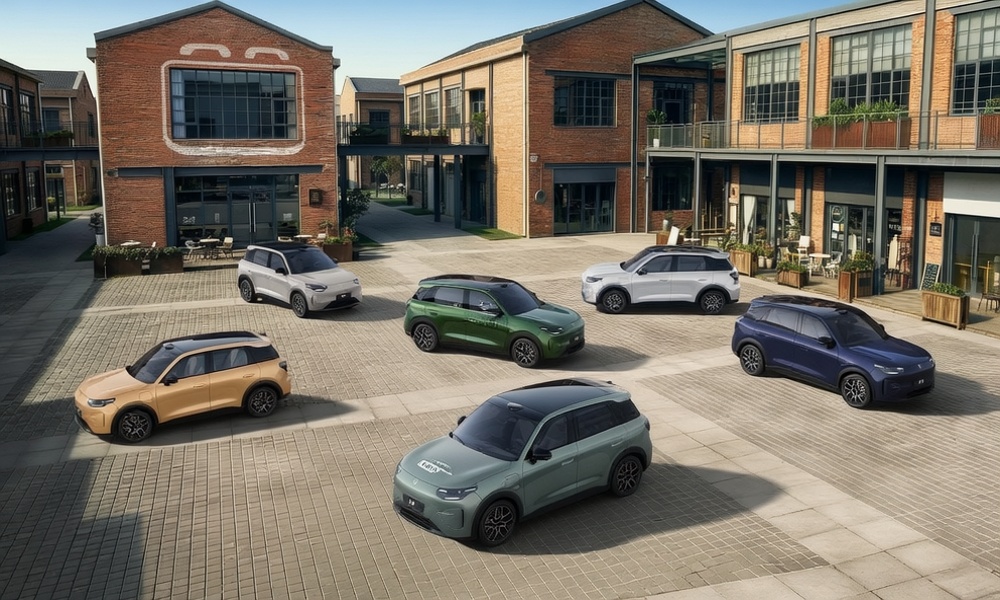

In July this year, Leapmotor achieved sales of 101,267 units, becoming China’s first new‑energy startup to top 100,000 monthly sales.
Naturally, numerous analyses have emerged exploring why Leapmotor outpaced many peer new‑energy brands to hit this milestone first.
From the perspective of Dianchetong (ID: dianchetong233), Leapmotor’s breakthrough of 100,000 monthly units is more than just a sales milestone. It marks a watershed moment for China’s new‑energy vehicle industry, as it transitions from “the rise of new‑energy startups” to “the mainstream adoption of new‑energy startups”.
Shedding the “new‑energy startup” label: Leapmotor evolves into a mainstream automaker
The term “new‑energy startup” generally refers to EV manufacturers founded around 2014 without legacy original‑equipment‑manufacturer backgrounds, whose core strengths lie in electrification and intelligence. All other carmakers are classified as legacy automakers.
That said, most of these so‑called “new‑energy startups” are already over ten years old. Dianchetong (ID: dianchetong233) argues that it makes more sense to categorize these brands as “mainstream”, “near‑mainstream” or “non‑mainstream”.
Under Dianchetong’s framework, non‑mainstream automakers deliver fewer than 10,000 units per month with low market recognition. Near‑mainstream brands register steady monthly sales in the tens of thousands, boast hit models, and win product‑ and sales‑side recognition among target consumers. NIO, XPeng, Li Auto, HarmonyOS Intelligent Mobility and Xiaomi all fall into this tier.
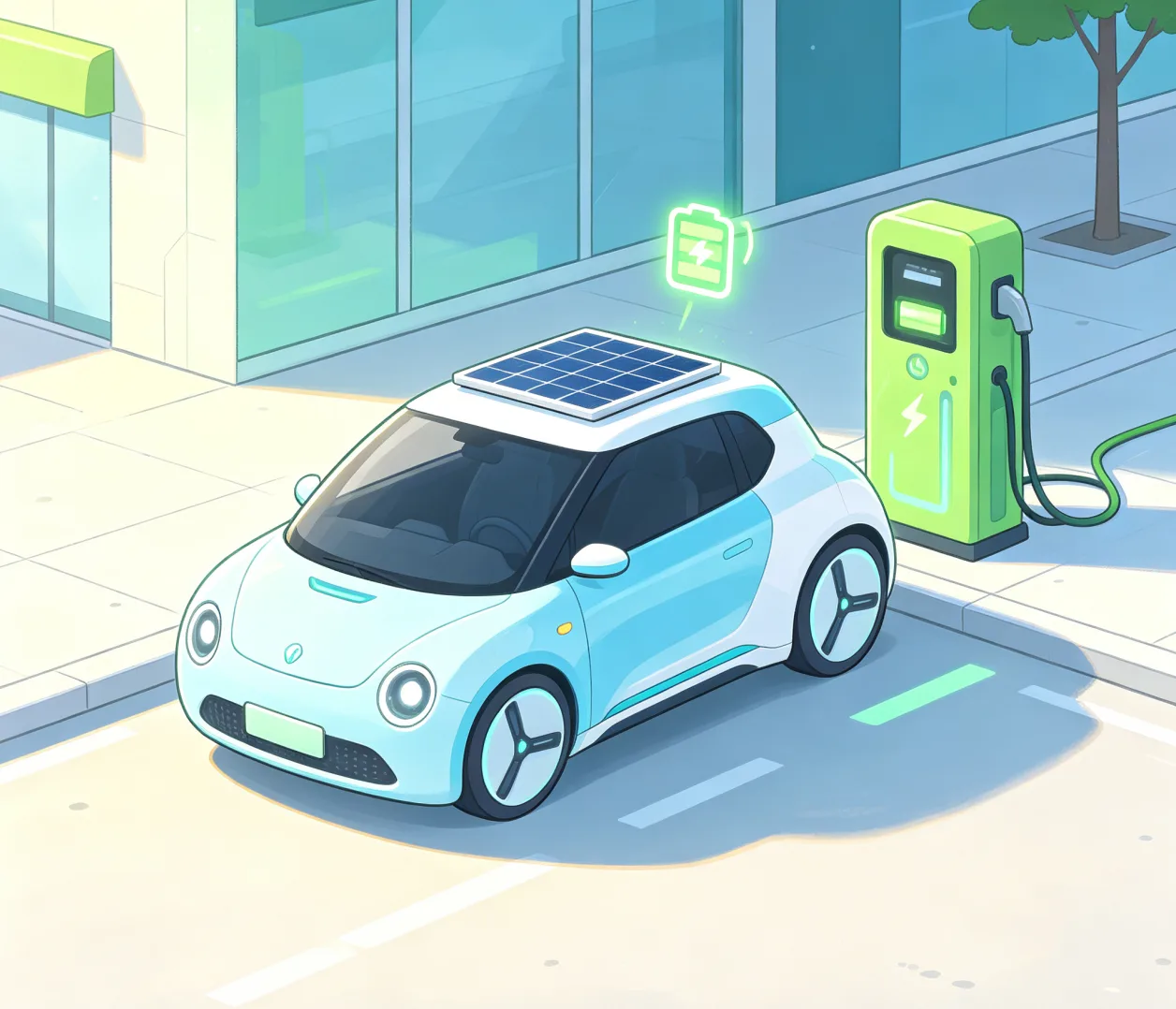
(Photograph source: Doubao AI generation)
As for mainstream brands, they refer to automakers delivering monthly sales at the 100,000‑unit level without relying on a single blockbuster model. Brands such as BYD, Changan, Great Wall, Geely and Chery belong to this bracket, and Leapmotor is the only new‑energy startup to attain mainstream‑brand status.
Prior to 2024, Leapmotor’s sales trended upward steadily yet unremarkably, much like its peers among new‑energy startups. Starting from June 2024, however, Leapmotor entered a phase of explosive sales growth. Within just two years, its monthly sales rocketed from 20,000 to 100,000 units.
Great Wall Motor, one of China’s legacy domestic automakers, posted July sales of 108,067 units this year, roughly on par with Leapmotor’s 101,267 units. These figures represent more than a breakthrough for Leapmotor; they demonstrate that new‑energy startup brands have built genuine trust with consumers.
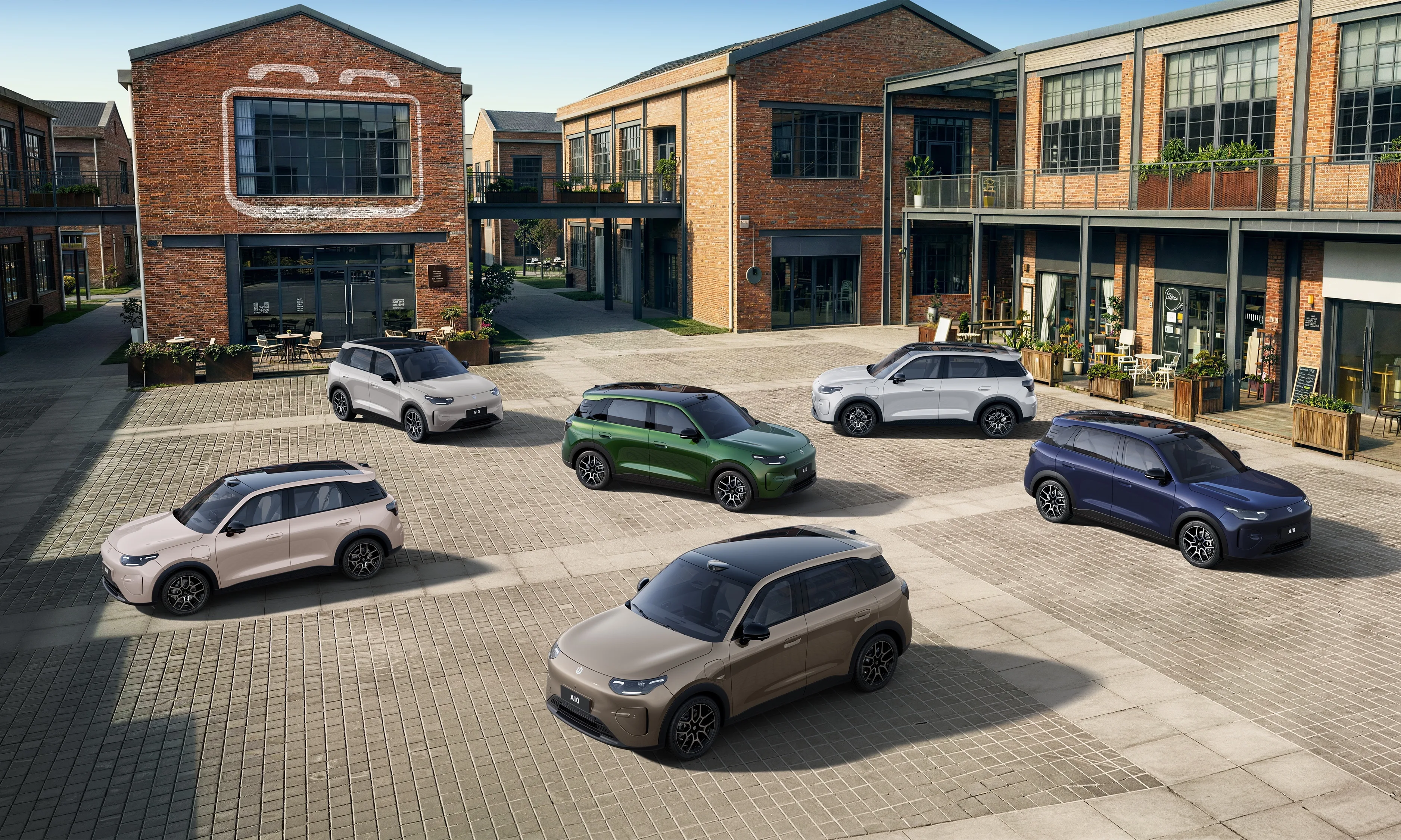
(Photograph source: Leapmotor Automobile)
“Cars are not fast‑moving consumer goods; you own them for over a decade. I do not trust the build quality of new‑energy startups.” This was the sentiment shared by countless consumers in the early days of new‑energy vehicles. Back then, it was nearly an industry consensus that German and Japanese vehicles boasted superior quality compared with legacy Chinese domestic brands, whose quality in turn outperformed that of new‑energy startups.
Around 2020, as the industry stepped into its golden growth phase, new‑energy vehicles were once seen as the preserve of ride‑hailing drivers and young buyers. Low running costs made battery‑electric cars a perfect fit for ride‑hailing services, while younger consumers, less constrained by ingrained prejudices, were open to experimenting with innovative new‑energy technologies.
Leapmotor with monthly sales exceeding 100,000 units, alongside brands such as HarmonyOS Intelligent Mobility, Li Auto and NIO, which are pressing BBA hard in the high‑end segment, are proving to the whole industry that new‑energy startups have earned consumers’ trust through product strength and build quality.
This trust has stripped away the labels of niche and unreliable attached to new‑energy startups. It represents votes of recognition cast by millions of real‑world purchasing decisions. It dismantles brand barriers built up by legacy automakers over decades, and holds the key for new‑energy startups to break out of the “near‑mainstream” bottleneck and race toward industry‑giant status.
Who will be the next to hit 100,000 monthly sales?
Leapmotor is the first new‑energy startup to surpass 100,000 monthly sales, yet it will by no means be the last.
Before speculating on which startup will become the second to reach this milestone, it is worth examining the common traits of Chinese domestic brands that already achieve monthly sales above 100,000 units.
In the view of Dianchetong (ID: dianchetong233), domestic automakers capable of hitting 100,000 monthly sales must satisfy three criteria: offering high‑volume entry‑level models, avoiding over‑reliance on a single blockbuster product, and possessing in‑house R&D and manufacturing capabilities for core components.
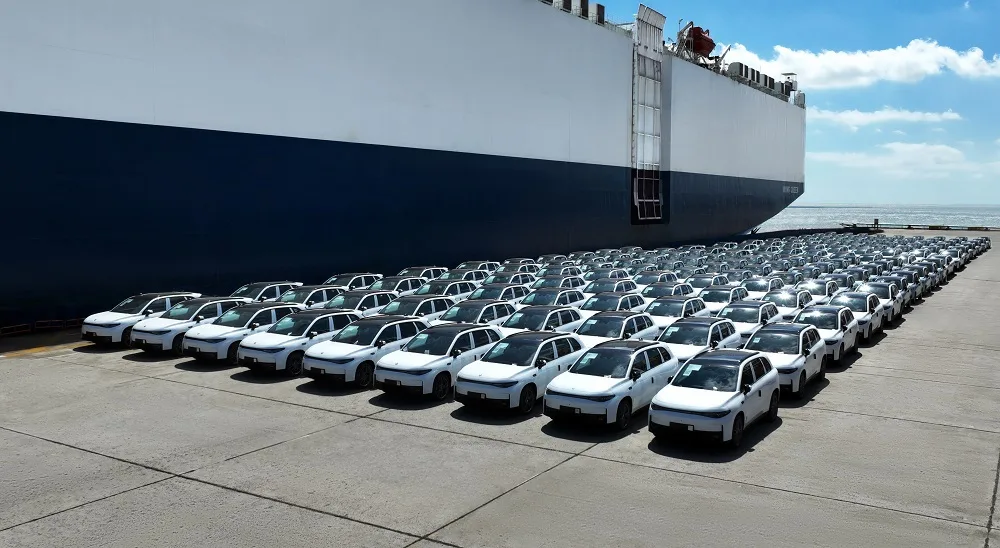
(Photograph source: Leapmotor Automobile)
According to data released by the China Passenger Car Association (CPCA), vehicles priced below RMB 200,000 accounted for 70.2 % of China’s auto market in 2025, while those in the RMB 200,000‑300,000 segment made up 16.6 %. Mid‑ and entry‑level models remain the market backbone.
Coincidentally, Leapmotor’s four‑product “ABCD” lineup perfectly covers the mainstream price bracket from RMB 60,000 to 300,000, making it one of the few new‑energy startups with full coverage across mainstream price ranges.
More importantly, Leapmotor’s sales performance is highly “well‑balanced”. Some new‑energy automakers rely heavily on blockbuster models and initial‑launch orders. After fulfilling a batch of launch‑phase deliveries, insufficient follow‑up orders force them to cut production and extend delivery lead times. Over‑reliance on a single hit model also means new orders can slump sharply once competitors roll out more appealing alternatives in the same segment.
Leapmotor tells a different story. Its blockbuster A10 delivered nearly 30,000 units in July, ranking it the top‑selling domestic SUV. The all‑new B01 and B10 recorded hot sales right after launch, with combined July sales exceeding 20,000 units. The C‑series remains a steady performer: the C10 has posted monthly sales above 10,000 units for multiple months. The recently launched D19 also topped 10,000 units in July.
Even the relatively niche Lafa5 has clocked monthly sales above 4,000 units in recent months, with cumulative deliveries exceeding 20,000 units in the first half of this year. Should one model face fierce competition from rivals, Leapmotor’s overall sales will not suffer a major blow — this is the advantage of not leaning on a single blockbuster vehicle.
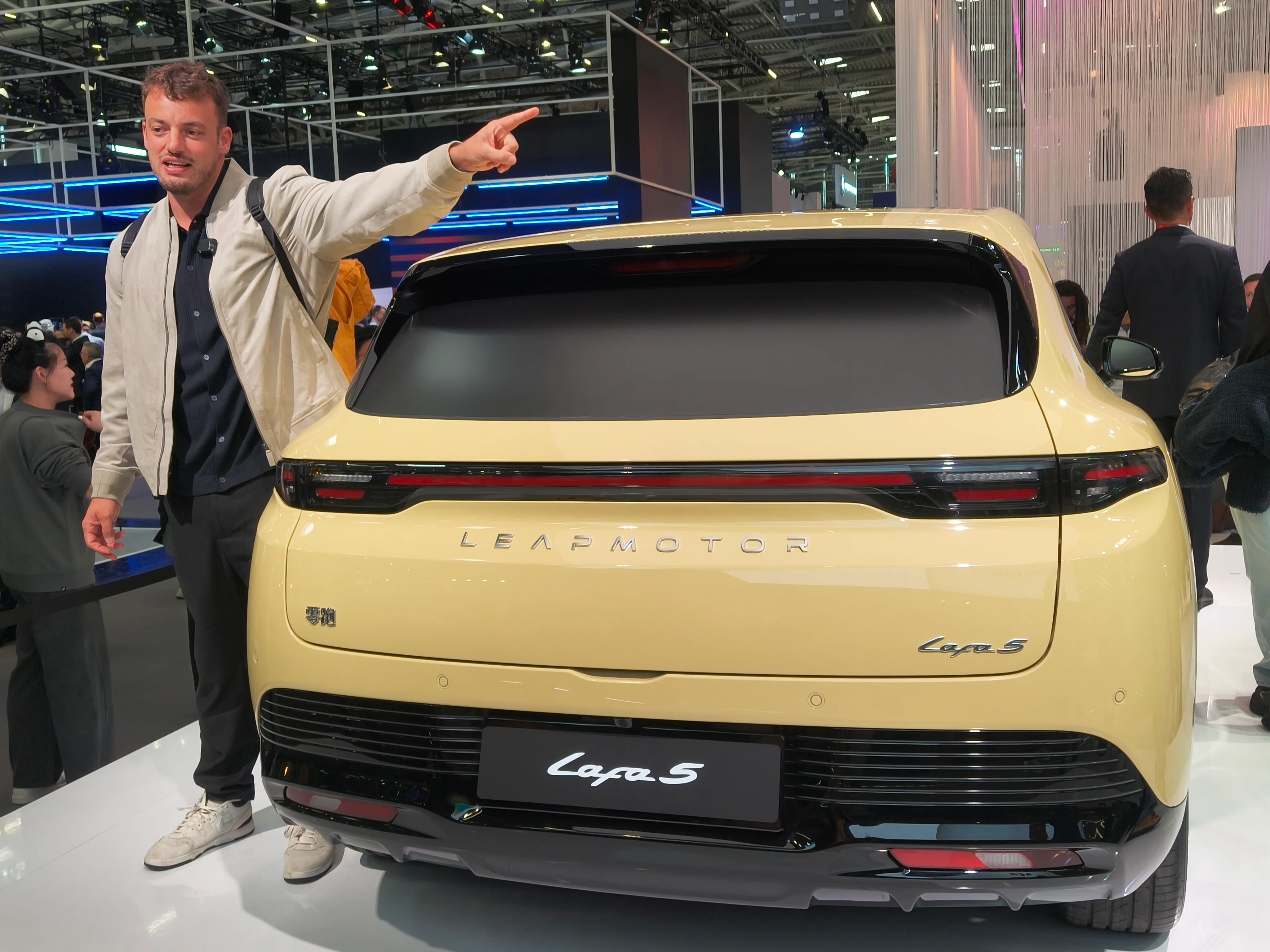
(Photograph source: Dianche Tong)
Much like analyses from numerous media outlets and online commentators, Leapmotor’s strong sales can be attributed to its outstanding cost‑performance, which stems fundamentally from in‑house R&D and large‑scale mass production.
According to official disclosures from Leapmotor, its self‑developed rate for core components exceeds 65 %. This cuts vehicle costs by roughly 10 % compared with the industry’s outsourcing model. Coupled with production and sales volumes comparable to legacy automakers that further amortize expenses for technical R&D and product‑line manufacturing, Leapmotor’s cost advantage becomes increasingly prominent.
Among other new‑energy startups, NIO, Xpeng and HarmonyOS Intelligent Mobility bear the closest resemblance to Leapmotor.
NIO covers market segments ranging from the 100,000‑yuan to 500,000‑yuan price brackets with its main brand plus two sub‑brands, Ledom and Firefly, while boasting battery‑swapping as its core competitive edge.
Since its launch, Xpeng’s MONA series has become the main sales driver and opened up lower‑tier markets. Its high‑end GX has turned into a hit model thanks to fully‑equipped comfort‑oriented hardware and advanced intelligent driving capabilities. It recorded total deliveries of 38,027 units in July, ranking third among new‑energy startups, only behind Leapmotor and HarmonyOS Intelligent Mobility.
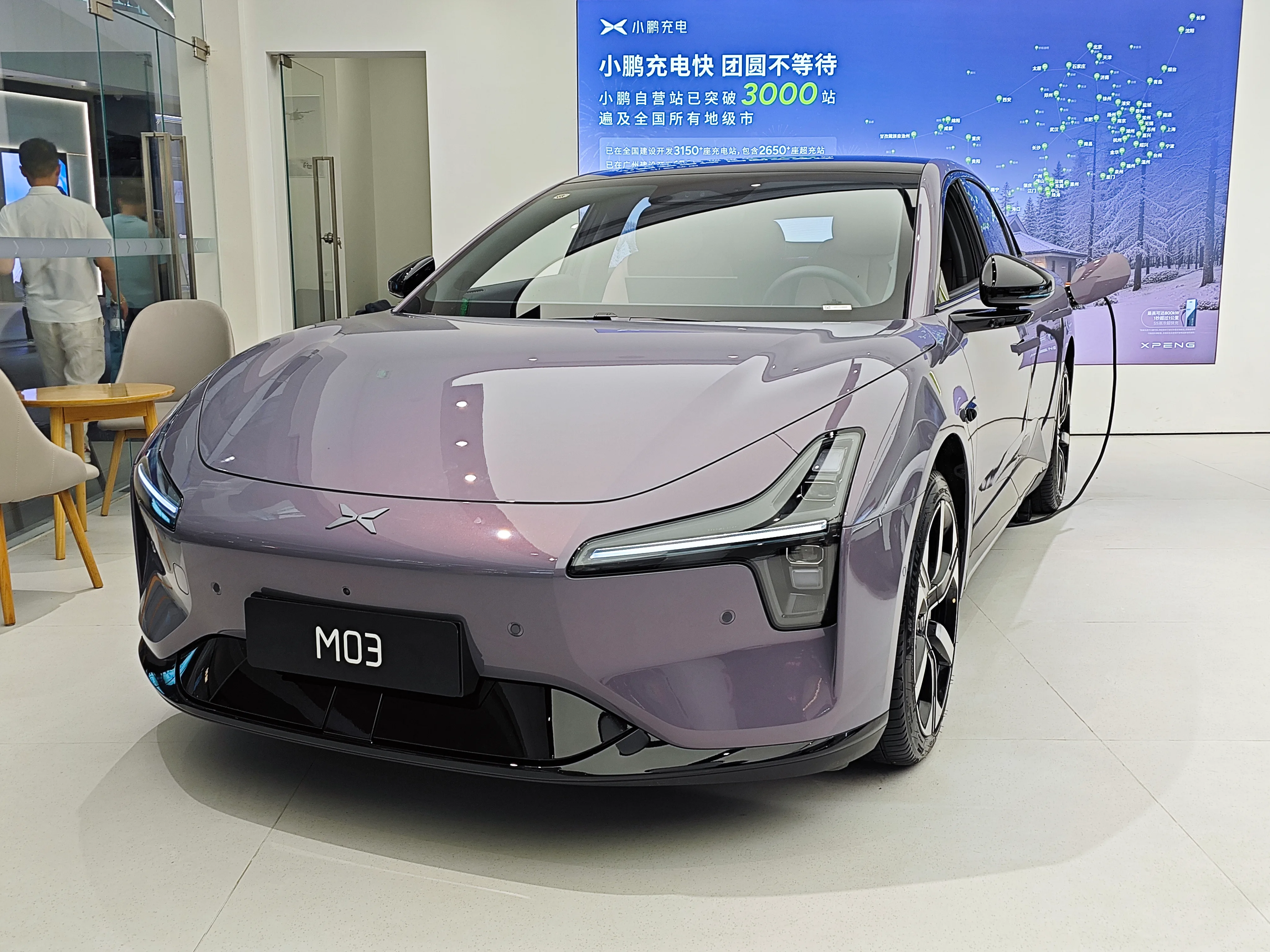
(Photograph source: Dianche Tong)
HarmonyOS Intelligent Mobility covers multiple price segments and vehicle types via its five‑brand portfolio. With Shangjie tapping into lower‑tier markets, its target customer base has further expanded. Going forward, HarmonyOS Intelligent Mobility’s five brands may keep adding new models to move away from over‑reliance on the AITO brand and march toward 100,000 monthly sales.
As for other new‑energy startups such as Li Auto and Xiaomi, they keep making inroads in the high‑end segment and have captured considerable market share originally belonging to legacy luxury brands like BMW‑Benz‑Audi. Yet those legacy luxury marques once posted monthly sales above 100,000 units in China. It will therefore be difficult for newcomers to hit the 100,000‑unit monthly threshold merely by chipping away at BBA’s market share.
Admittedly, it is no easy feat for new‑energy startups to hit 100,000 monthly sales relying solely on the domestic market. Leapmotor generated 25 % of its total sales from overseas markets in the first half of this year. Whether other new‑energy startups can reach this milestone with overseas business remains to be seen.
Nevertheless, given that most new‑energy startups are still in the exploratory phase of their overseas expansion, a dramatic sales surge driven by overseas markets is unlikely in the short term.
Legacy Automakers Should Wake Up to the Crisis
For decades, legacy automakers held firm to mainstream market status backed by decades‑long manufacturing expertise, mature supply chains and solid brand reputation, reaping industry dividends on the strength of their internal‑combustion‑vehicle business. In the new‑energy era, however, fast‑rising new‑energy startups including Leapmotor, Xiaomi, HarmonyOS Intelligent Mobility, NIO, Xpeng and Li Auto are steadily eroding those long‑standing advantages.
Leapmotor’s ascent into the ranks of mainstream automakers with 100,000‑unit monthly sales, on par with domestic legacy giants such as Great Wall, represents more than a single startup’s breakthrough. It sounds a wake‑up call for all legacy automakers. The knockout round of stock‑market competition has begun, and legacy carmakers must foster a stronger sense of crisis.
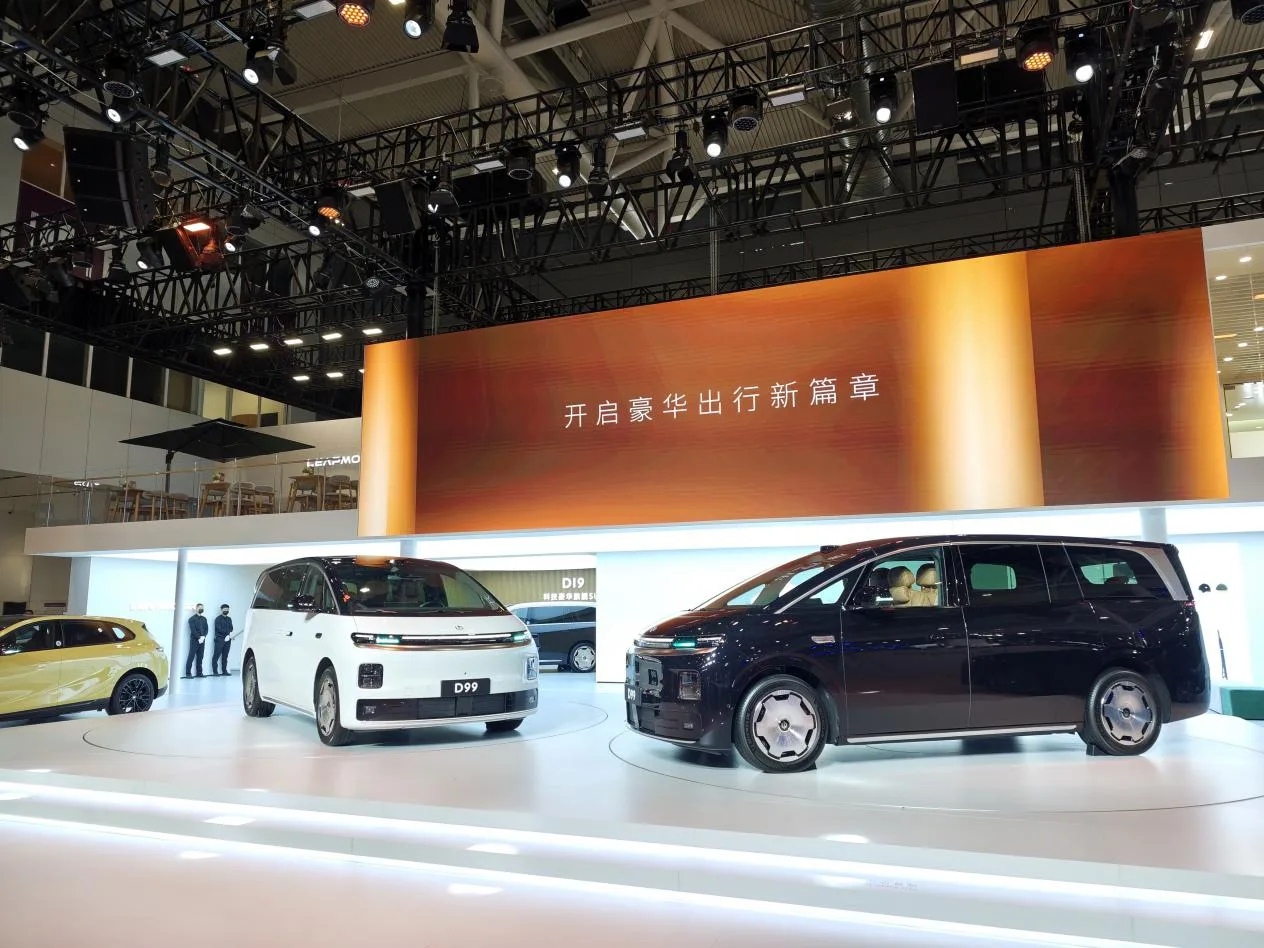
(Photograph source: Dianche Tong)
Among legacy automakers, Chinese domestic brands have largely taken an aggressive approach toward new‑energy transition. BYD, for instance, phased out pure‑fuel vehicles and secured the global new‑energy vehicle sales crown with a do‑or‑die resolve. Automakers including Geely, Changan, Great Wall and Chery have launched sub‑brands targeting the new‑energy segment, and developed core technologies such as batteries and electric motors in‑house to rapidly boost market competitiveness.
Overseas legacy brands have transitioned at a comparatively slower pace. Carmakers such as Honda, Ford and Mercedes‑Benz have successively scaled back their electrification momentum, showing clear difficulties adapting to the new‑energy era. In the Chinese market, foreign brands are leveraging technologies from Chinese enterprises including Momenta, Huawei, Horizon Robotics and Xpeng to shorten R&D cycles for new‑energy vehicles and enhance product competitiveness.
Faced with competitive pressure from Leapmotor and other new‑energy startups, domestic Chinese brands may accelerate their electrification transition going forward. Meanwhile, foreign brands are likely to deepen cooperation with Chinese firms to develop products for both China and global markets built on “Chinese‑sourced technology”.
Cover image source: Leapmotor
The world’s most important robotics industry barometer—the World Robot Conference (WRC) 2026—is set to make a major impact, followed closely by the World Humanoid Robot Games.
Over 300 top-tier exhibitors—including Unitree, Zhiyuan Robotics, Qiyuan Robotics, Magic Atom, Galaxy General Robotics, CloudDeep, and Lingxin Qiaoshou—will jointly define the future of the global robotics industry!
WRC will answer every fundamental question about robotics.
The LeiTech WRC 2026 Reporting Team will land in Beijing for comprehensive coverage.