 雷科技
雷科技





Times are finally looking up for e‑ink devices.
Back in early June, Hisense E‑ink posted teaser posters for its next‑generation e‑ink phone, the Hisense A10, on Xiaohongshu, followed by a steady stream of product details throughout July. While the official launch of the Hisense A10 is slated for late August per Hisense’s release cadence, the information unveiled so far has already stirred plenty of excitement among e‑ink enthusiasts.
According to Hisense’s pre‑launch hints, this e‑ink phone tackles the long‑standing drawbacks of poor color reproduction and low refresh rate on e‑ink phones with a rather ingenious solution: a dedicated, attach‑by‑magnet color LCD screen on the phone’s rear.
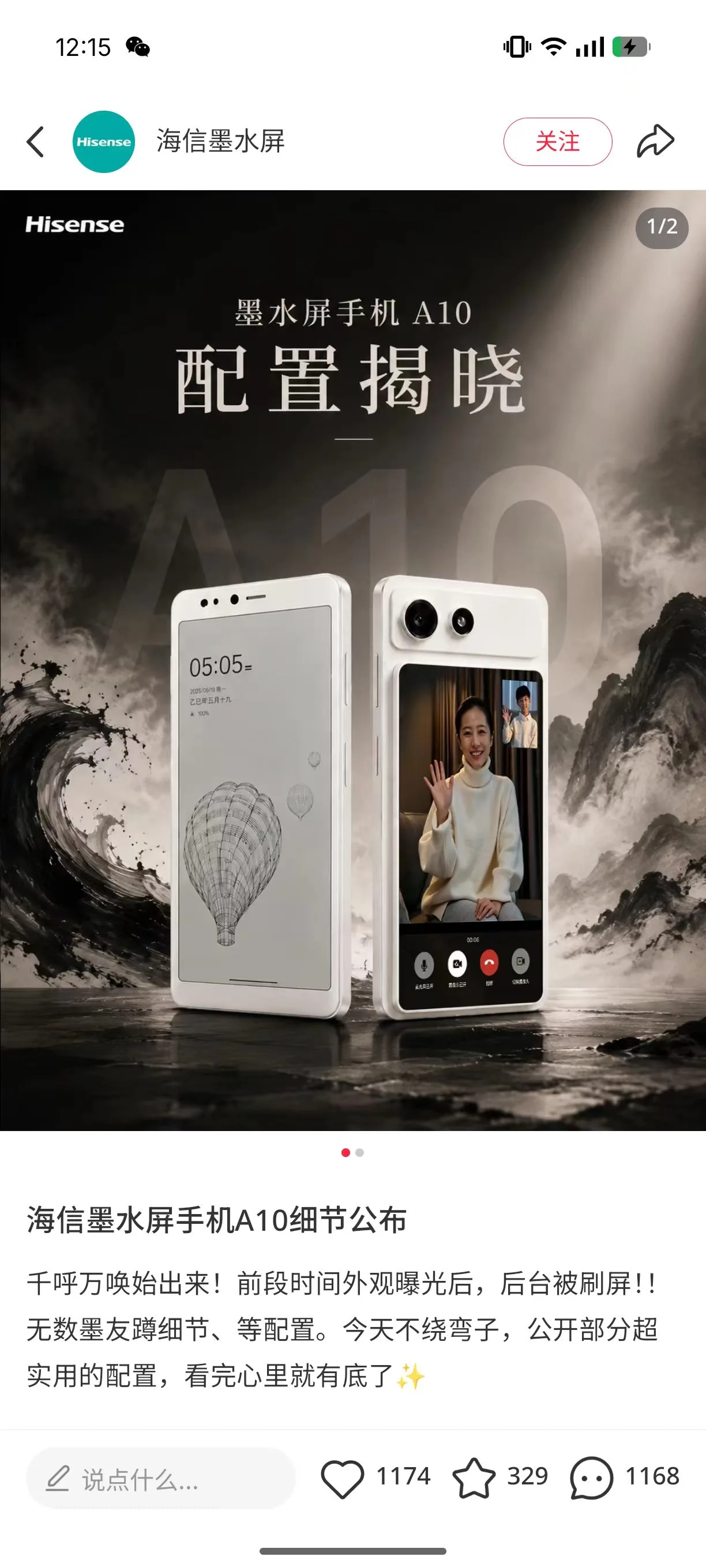
Image Source: Xiaohongshu
Although Leitech has not yet got its hands on the Hisense A10 e‑ink phone, and the promotional visuals published by Hisense E‑ink’s Xiaohongshu account bear strong tell‑tale signs of AI‑generated imagery, current observations suggest this magnet‑attached LCD screen design genuinely resolves the long‑standing dilemma of reconciling e‑ink and LCD experiences. From an industry perspective, tech enthusiasts have already pushed the concept of the “phone secondary screen” to creative new heights by 2026.
Adding an e‑ink secondary screen to smartphones is gaining traction.
After scouring Xiaohongshu, Leitech found that many of today’s popular magnet‑mounted e‑ink screens carry a distinct DIY vibe.
Some users buy off‑the‑shelf Android‑powered e‑ink displays, stick magnetic rings to their backs, and fit them with 3D‑printed casings. More technically‑inclined hobbyists repurpose electronic price tags by adding Bluetooth controllers and batteries to build custom e‑ink rear screens from scratch. Certain e‑ink reader brands have also stepped into this space, releasing standalone e‑ink rear‑panel displays. Yet browsing through related posts reveals most users do not expect these add‑ons to handle heavy‑duty tasks. For the most part, they serve chiefly to deliver “emotional value”:
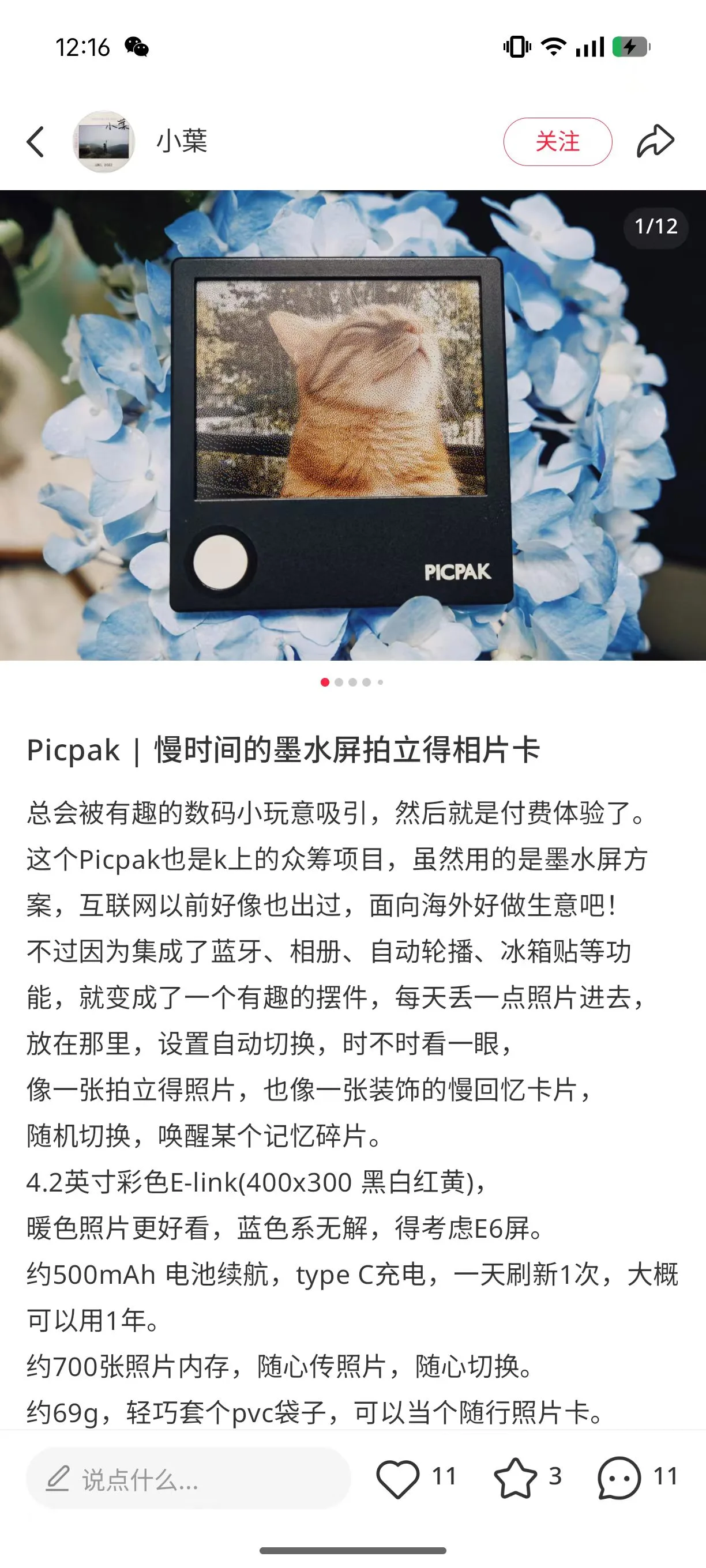
Image Source: Xiaohongshu
E‑ink screens consume almost no power once an image is rendered and remain readable under direct sunlight. Upload a photo, and they double as cyber‑style “Polaroid” instant cameras. Naturally, some brands keep exploring the practical potential of e‑ink hardware. Take the Yuexingtong X4 for instance: it packs an e‑ink reader into an ultra‑compact 4.26‑inch form factor, enabling users to read novels in a more convenient, eye‑friendly manner.
Hardware‑wise, the Yuexingtong X4 sports fairly basic specifications. Even so, this no‑frills e‑ink device once sold out across e‑commerce platforms. Admittedly, its sell‑out status is partly tied to its limited stock levels. Even so, the runaway popularity of products like this signals a shift in how people use e‑ink gadgets.
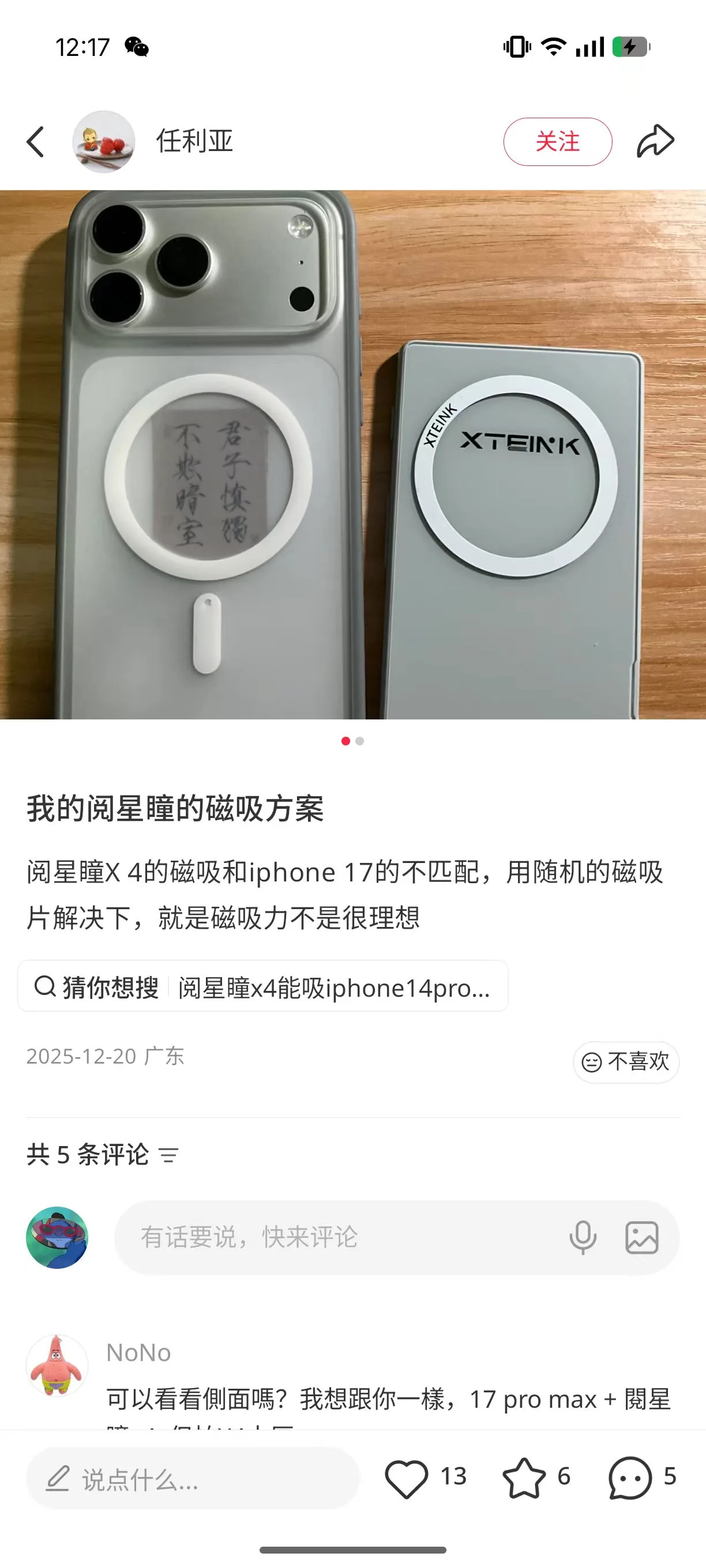
Image Source: Xiaohongshu
The recently trending AI Agent has now assigned it a brand‑new role.
Can secondary screens become a new carrier for phone‑based AI Agents?
Not long ago, Leitech got hands‑on with OPPO Bubble, the brand’s digital badge‑style accessory. Back then, I described OPPO Bubble as “limited in function yet brimming with potential”, noting that products of its kind could only draw users through use‑cases such as IP‑themed display and selfie framing at the current stage.
For an accessory sold separately, real‑world value supported by high‑frequency daily usage matters more than screen specifications. However, based on that hands‑on experience, OPPO Bubble’s rather restricted feature set prevented it from becoming a frequently‑used smart gadget. As a device requiring separate charging (OPPO Bubble does not support magnetic reverse charging), low‑frequency use almost inevitably condemns it to gathering dust on a shelf.
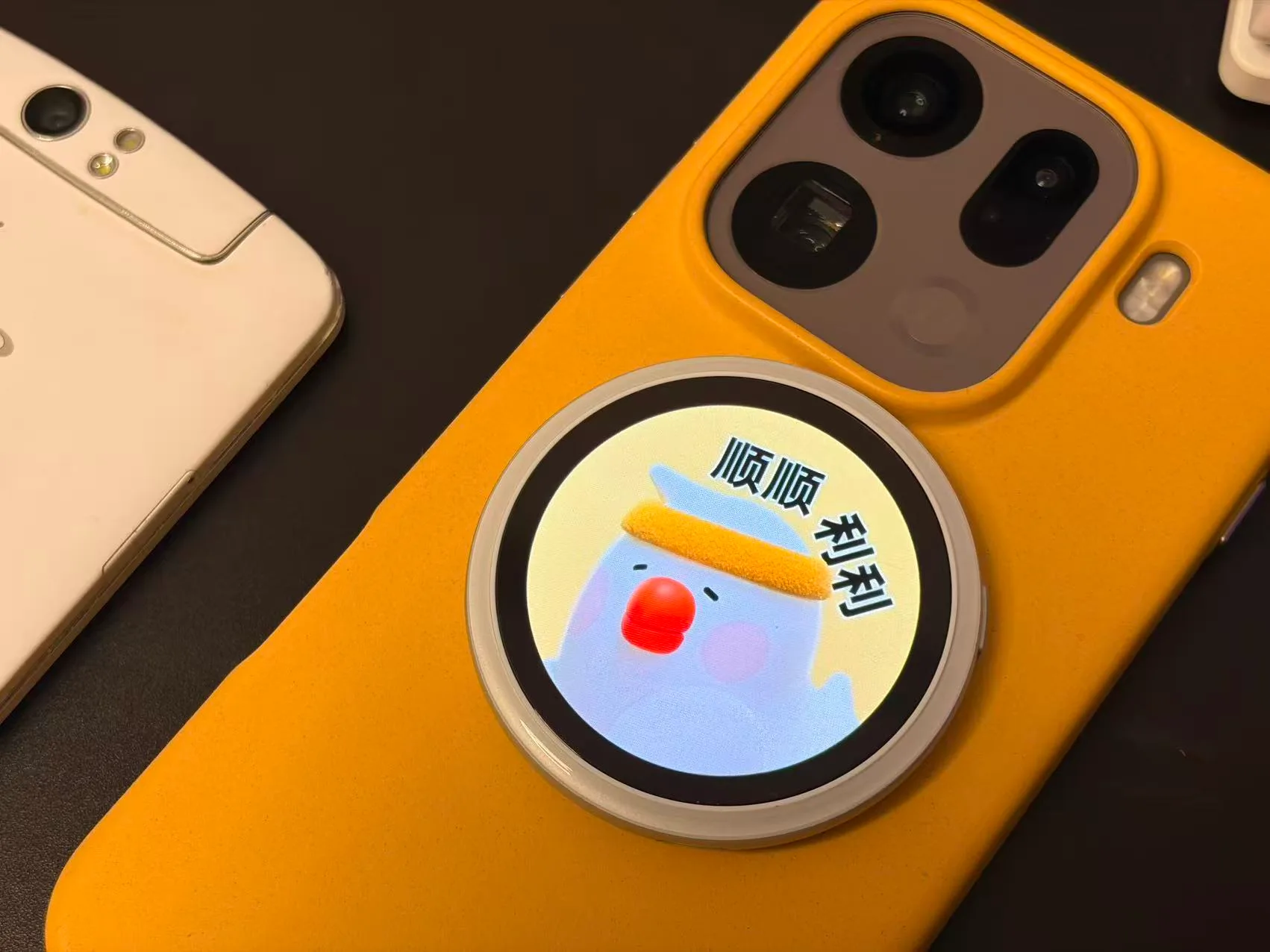
Image Source: LeiTech
That is precisely why Leitech believes that low‑power e‑ink displays are better suited to serve as AI‑interaction secondary rear screens paired with smartphones.
As AI Agents gain full traction in the smartphone space, mobile AI interaction will gradually shift from today’s “quick‑response interactions” to “background standby mode”. Users assign tasks to the Agent, which then processes them in the phone’s background, with results available only after several minutes.
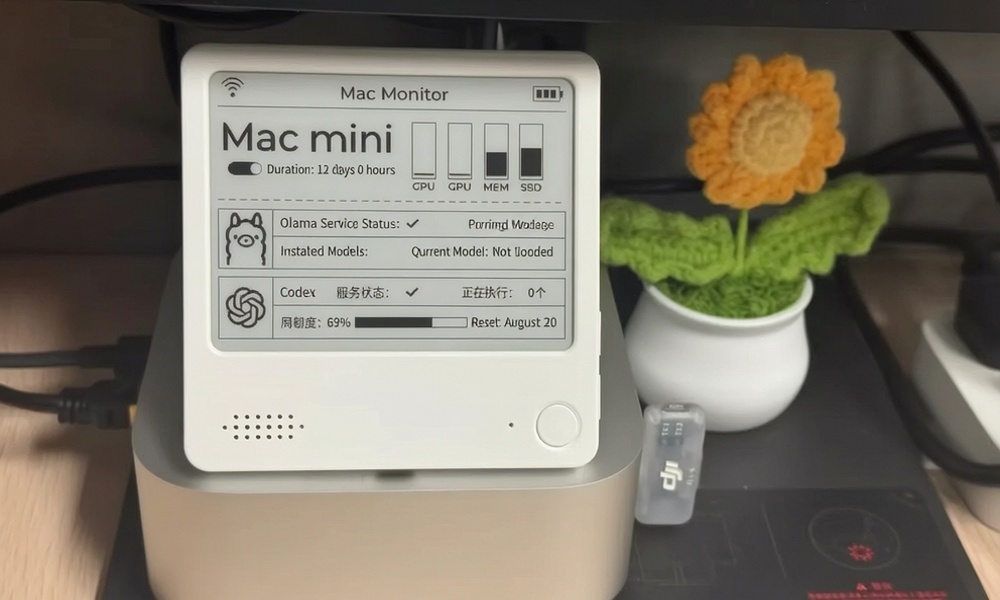
Obviously, there is no need for users to keep an eye on the Agent’s work in the foreground. All that is required is a screen to show status updates and final outputs. This happens to be exactly what e‑ink screens excel at: low‑power consumption, prioritizing static status indicators over dynamic visuals.
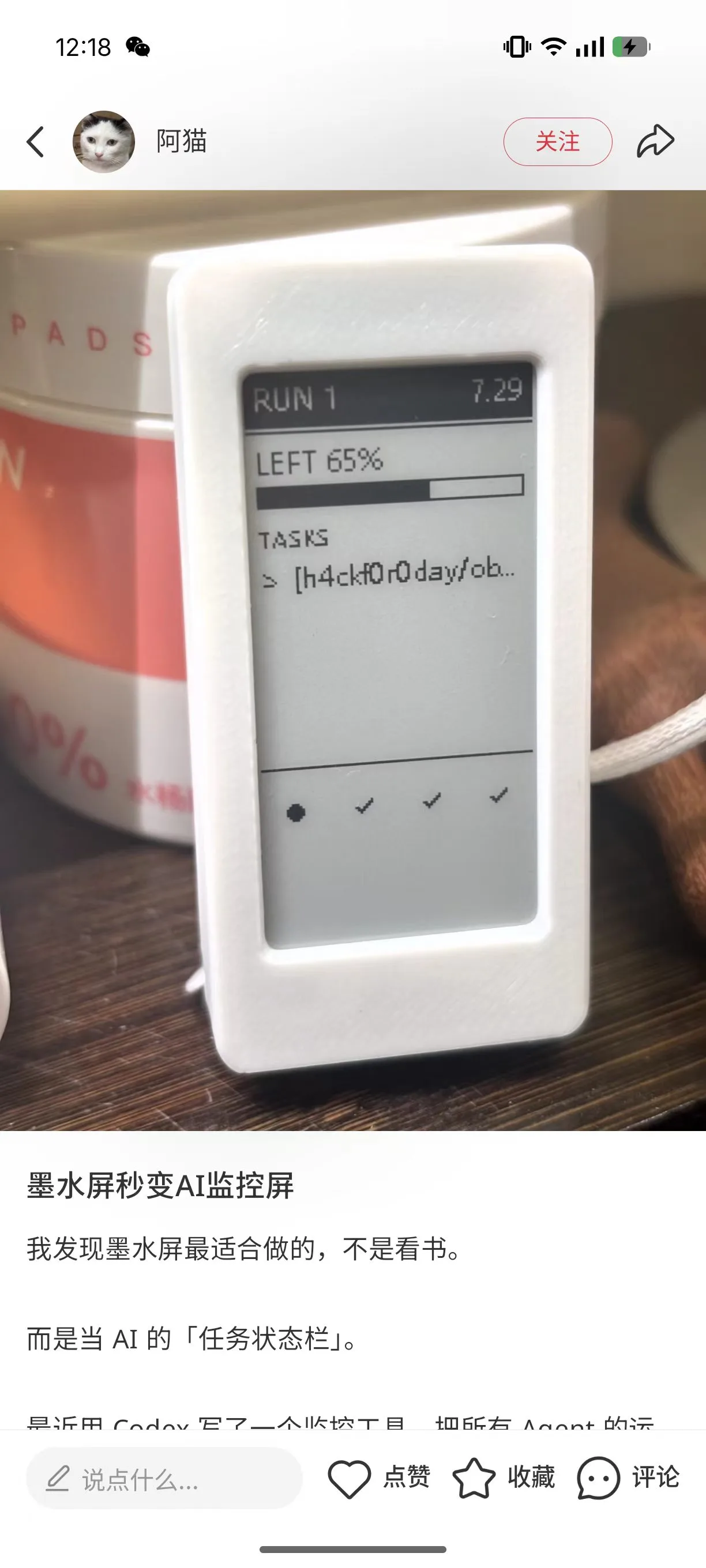
Image Source: Xiaohongshu
This also solves e‑ink’s slow refresh issue: an AI Agent’s operational status does not require per‑second updates. Refreshing once every tens of seconds or even several minutes works perfectly fine. An e‑ink screen consumes power only during refreshes and draws nearly zero power while idle (apart from its Bluetooth communication module). Compared with smart glasses that demand frequent charging, a magnetic e‑ink screen capable of weeks‑long runtime fits the “snap‑on‑and‑forget‑about‑it” usage pattern far better.
That is why, from Leitech’s perspective, this cross‑era pairing of e‑ink screens and AI Agents can be described as a match made in heaven.
Screen‑less AI? Screens are actually growing more essential
Admittedly, numerous AI hardware products have embraced a “screen‑free” design in recent years. Dedicating a specialized e‑ink screen for AI may seem counter‑intuitive in the supposed age of screen‑less AI. Yet Leitech argues that the so‑called screen‑less‑AI era does not signal the demise of displays.
Before the AI Agent boom, screens served dual purposes: presenting content and handling device interaction. In the AI Agent era, users simply state their requirements and hand subsequent operations over to the Agent. Most of the time, we care little about which apps it invokes or how many pages it navigates through. This shift in interaction patterns has indeed reduced scenarios where we rely on screens for input.
Nevertheless, screen‑less AI still needs an output device to show operational status. On X, many users have even resorted to smart speakers or “AI traffic‑light‑style indicators” to signal task progress and system conditions. From an interaction‑experience standpoint, however, voice is ill‑suited for continuous progress announcements; vibrations and indicator lights can only notify users that “something has changed”, without clarifying exactly what has happened.
In other words, even in the age of AI Agents, screens remain irreplaceable as the core visual‑interaction channel for efficient information output.
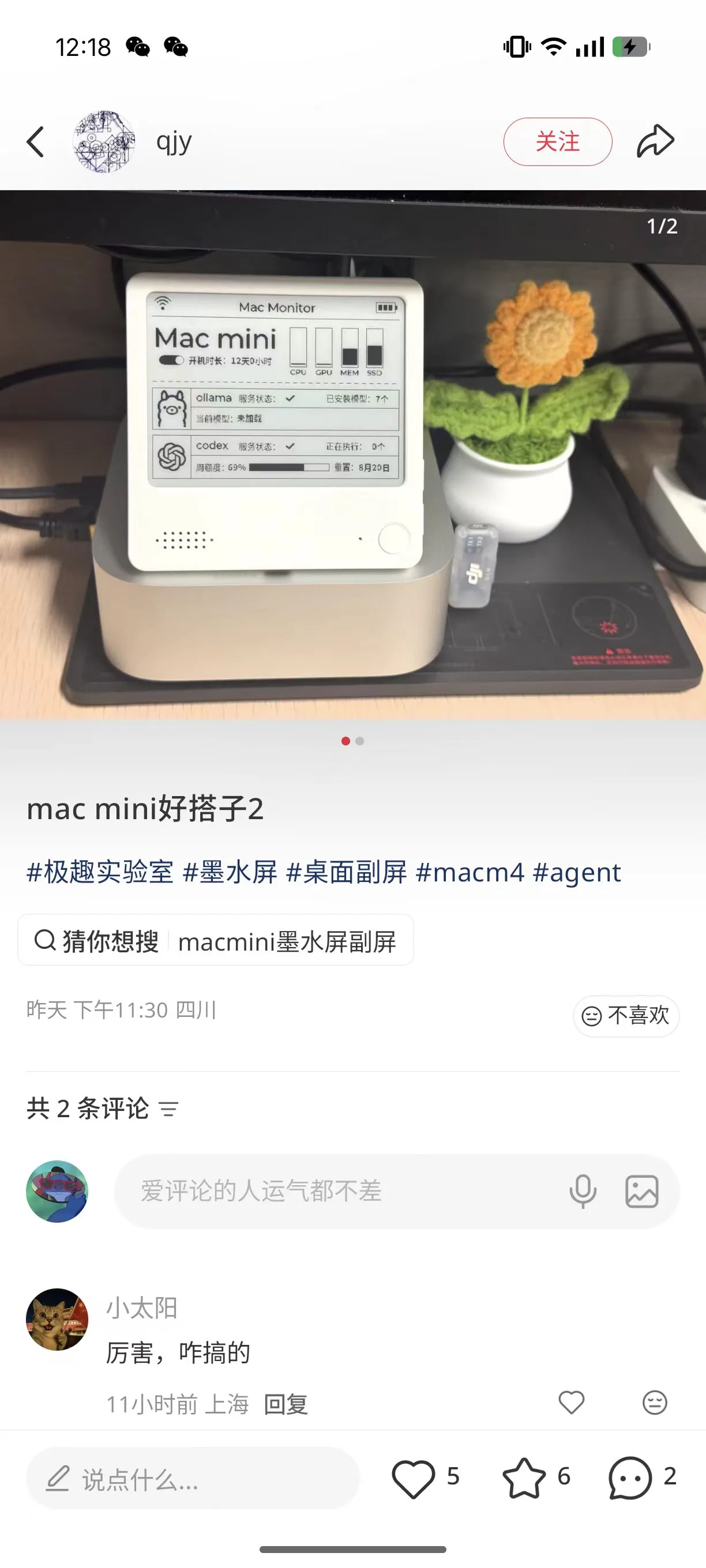
Image Source: Xiaohongshu
Therefore, the more screen‑free AI hardware emerges, the more likely displays will be decoupled from main devices and evolve into standalone, relocatable display units for diverse scenarios. Smartphones handle task submission and full‑result review; glasses and earbuds enable instant wake‑up of AI Agents; and magnetic e‑ink screens centrally present Agent running status. To my mind, this division of labor represents the most sensible collaboration model for smart devices in the AI Agent era.
From this perspective, Hisense’s A10 detaches the LCD panel from the e‑ink phone body, while tech enthusiasts attach e‑ink modules to the backs of regular smartphones. These seemingly contradictory approaches actually validate one shared viewpoint: our demand for screens has not vanished; only what screens are expected to show has changed.
It is fair to say that even without Kindle as the trailblazer, China’s e‑ink industry can still forge its own path forward.
The world’s most influential robotics industry barometer—the World Robot Conference (WRC) 2026—is set to make a powerful debut, followed closely by the World Humanoid Robot Games.
Over 300 top-tier exhibitors—including Unitree, Zhiyuan Robotics, Qiyuan Robotics, Magic Atom, Galaxy General Robotics, Cloud Deep, Lingxin Qiaoshou, and many others—will jointly define the future of global robotics!
WRC will answer all core questions about robotics.
The LeiTech WRC 2026 Reporting Team has already arrived on-site.