 雷科技
雷科技




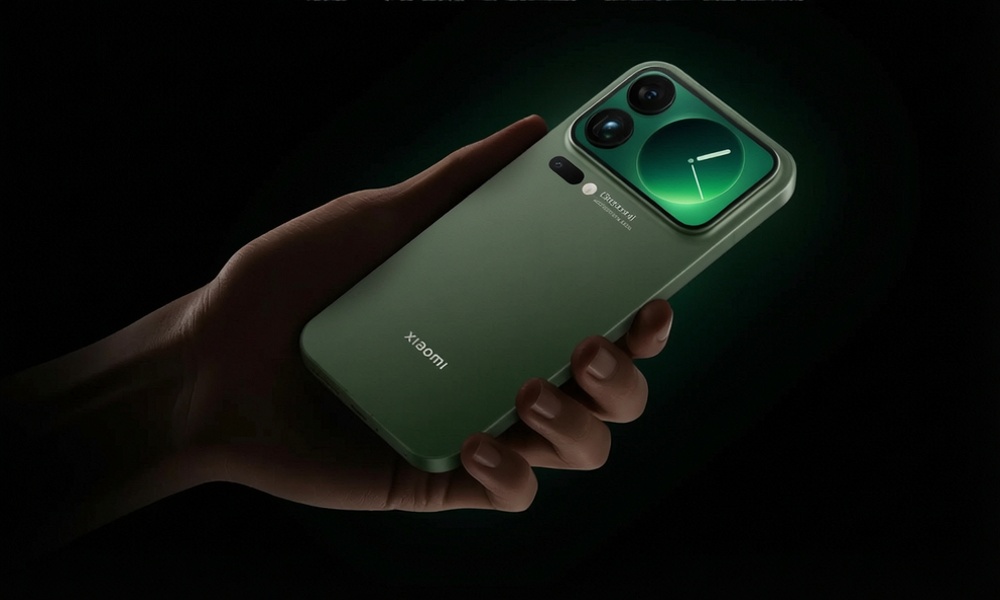

As September draws near, rumours about new flagship phones from various brands are mounting. Alongside Apple and Huawei, Xiaomi is set to unveil its next‑generation flagship lineup — the Xiaomi 18‑series. According to the latest reports, the Xiaomi 18‑series will be the first to launch Qualcomm’s new flagship chip, the Snapdragon 8 Elite Gen 6 family, with a period of exclusivity.
As Xiaomi’s most important product of the year, the Xiaomi 18‑series brings upgrades across multiple dimensions and carries the key mission of expanding Xiaomi’s footprint in the high‑end smartphone market.
Xiaomi has just released its half‑year report (January‑June 2026) for fiscal year 2026 (January‑December 2026), together with its Q2 fiscal report (April‑June 2026). The filings show Xiaomi recorded total operating revenue of 208.063 billion yuan in the first half of the year, a year‑on‑year drop of 8.4%. Gross profit stood at 43.419 billion yuan, down 15.7% year‑on‑year, while gross margin reached 20.87%, a fall of 1.80 percentage points year‑on‑year. The main drag on Xiaomi’s revenue and profits stems from surging component costs driven by memory price hikes, which have weakened consumers’ willingness to upgrade handsets.
Xiaomi’s financial statements reveal smartphone shipments totalled only 31.2 million units in Q2, plummeting 26.5% year‑on‑year. One major contributing factor is Xiaomi’s deliberate cut‑back on mid‑to‑low‑end device shipments. Smartphone high‑endification has become Xiaomi’s core strategy and delivered tangible results: the phone average selling price (ASP) jumped 25.9% year‑on‑year to an all‑time high of 1351 yuan per unit. In mainland China, models priced at 3000 yuan and above accounted for 32.1% of sales for the first time. Within this bracket, the 3000‑4000 yuan segment saw its market share rise to 16.2%, both hitting record highs.
Against this backdrop, the Xiaomi 18‑series faces heavy expectations and will likely see substantial price adjustments. So is this potentially most‑expensive‑ever Xiaomi flagship worth looking forward to?
Wider specification gaps across Xiaomi 18‑series variants
Leaks from sources such as @DigitalChatStation indicate the Xiaomi 18‑series comprises the standard model and Pro variants. However, the Xiaomi 18 Pro and Xiaomi 18 Pro Max will launch first this year, while the standard Xiaomi 18 is slated for a December release. In other words, Xiaomi’s two main fall releases are both Pro‑grade devices. Their launch timeline has also been leaked, pointing broadly to September 28 or 29. Notably, Qualcomm’s fall keynote is also scheduled for late September, meaning the Xiaomi 18 Pro‑series will launch shortly before or after the Snapdragon 8 Elite Gen 6 family.
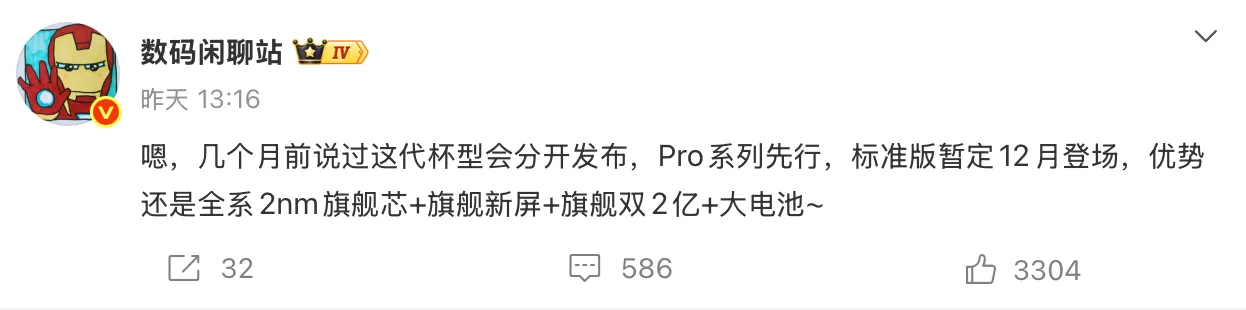
(Image source: Weibo)
Furthermore, as mentioned at the outset, the Xiaomi 18 Pro‑series will enjoy roughly one‑month exclusivity for Qualcomm’s new flagship chip. That means during the crucial marketing window of the National Day holiday, the Xiaomi 18 Pro‑series will be the only devices available on the market powered by the Snapdragon 8 Elite Gen 6. This represents a highly significant shipment opportunity for Xiaomi.
Additionally, specifications for the Xiaomi 18 Pro‑series have now been largely leaked. The Xiaomi 18 Pro is equipped with the Snapdragon 8 Elite Gen 6. Its rear triple‑camera system consists of a 200‑megapixel main sensor, a 50‑megapixel ultra‑wide‑angle lens and a 200‑megapixel telephoto lens, paired with an approximately 7000 mAh battery.
The Xiaomi 18 Pro Max steps up to the Snapdragon 8 Elite Gen 6 Pro chip. Among its rear triple cameras is a LOFIC HDR main camera, alongside a 10× periscope telephoto lens, and battery capacity is bumped up to 8500 mAh. For the display, it features M9 luminescent material, a peak brightness of 3200 nits, and a 2K+ resolution.
Both handsets will retain the rear secondary screen seen on the Xiaomi 17 Pro‑series. This comes as little surprise, given the positive reception the rear screen received previously. Xiaomi enthusiasts have come up with many creative use cases for it.
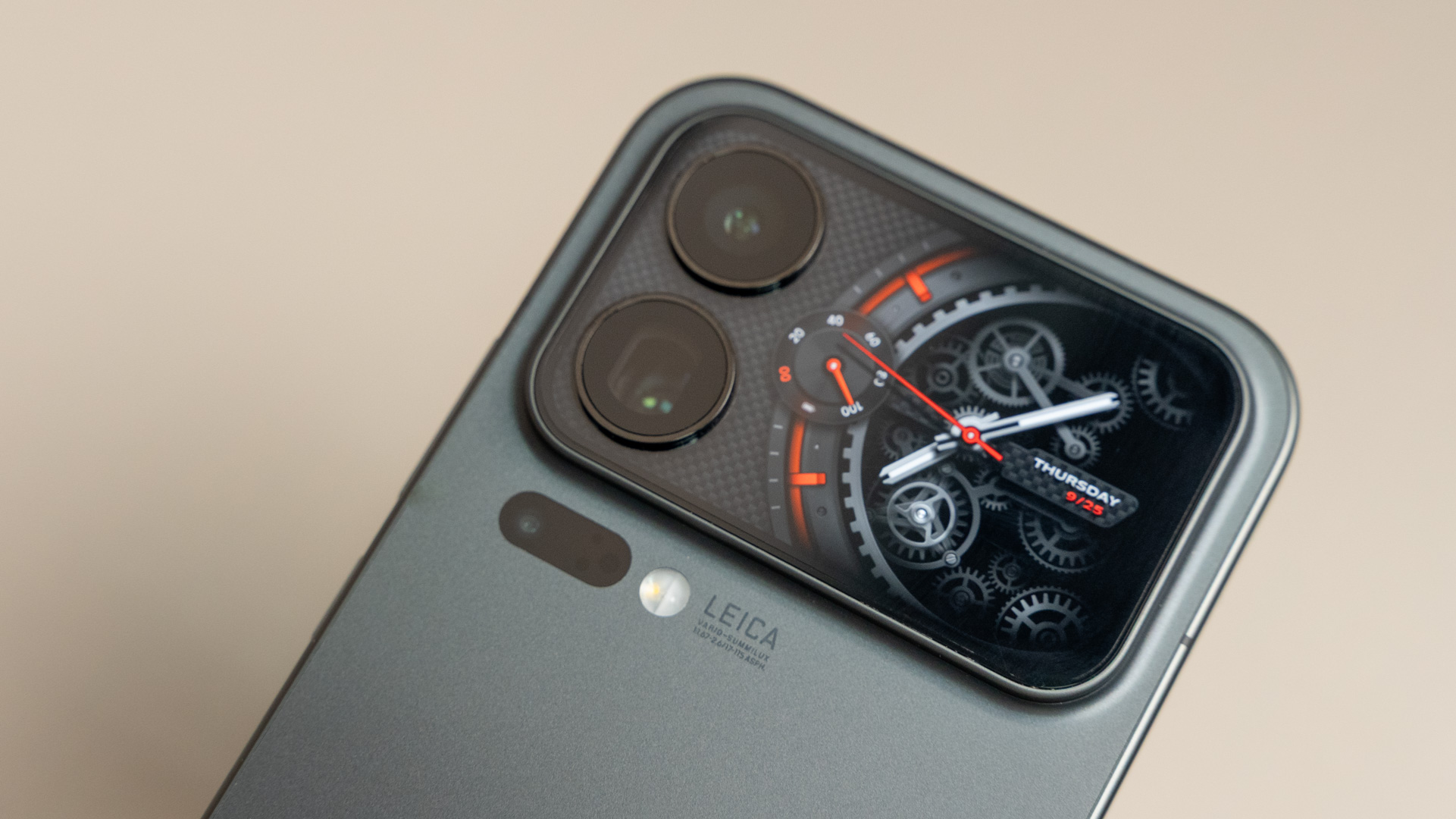
(Image source: LeiTech)
Judging from the specification gaps between the two models, the differences between the high‑end and top‑tier variants of the Xiaomi 18‑series go beyond body size and battery capacity, extending to more critical components: the chipset and imaging system.
The standard Xiaomi 18 is powered by the Snapdragon 8 Elite Gen 6, paired with a 200‑megapixel main camera and an approximate 7200 mAh battery. Following past conventions, the Xiaomi 18 is expected to feature a more compact footprint and lighter weight, with slight downgrades to its imaging hardware while retaining solid core specifications. The biggest change for the standard Xiaomi 18 this year is its delayed launch: it will not debut at the September event and is instead scheduled for release toward the end of the year.
Qualcomm is rolling out two versions of its flagship chip this year, a standard edition and a Pro edition. This split is largely driven by rising chip costs, most notably sharp price hikes for the 2nm manufacturing process. Under these circumstances, further segmentation of its new flagship silicon has become necessary. Without such differentiation, handset makers would face unsustainable cost pressures from combining expensive chips with high‑priced memory, leaving new flagship products crippled by excessive price tags.
For everyday consumers, of course, shifts in chip and OEM strategies translate directly to higher purchase costs. Previously, buyers could get the latest top‑tier flagship chip by opting for the high‑end or even mid‑high variant. Today, to get the absolute top‑spec chip and maximum performance, consumers have to stretch their budgets and spring for the top‑of‑the‑line model. The downside of this product segmentation is that performance‑oriented users wanting the best chip are forced to pay for premium imaging and larger memory as well, accepting a full bundled package.
Staggered launches for same‑series devices: Xiaomi follows Apple’s playbook
Xiaomi’s digital‑series launch cadence used to be steady: the standard and Pro models would debut side‑by‑side, followed later by the Ultra variant with enhanced imaging capabilities. This year, however, things are very different — the Pro models are launching first, while the standard edition has been pushed back. Similarly, for the iPhone 18 lineup, Apple will adopt an analogous strategy. Its fall keynote will unveil the iPhone 18 Pro and 18 Pro Max, whereas the standard iPhone 18 and iPhone Air 2 are slated for release in early next year.
The fact that both Apple and Xiaomi have independently departed from their established product‑release rhythms reflects a new commercial logic taking shape across the smartphone industry amid cost pressures and fierce market competition.
First, this approach maximises profit margins in the early phase of a new product launch. Whether they are Apple fans or Xiaomi fans, enthusiast buyers who are most eager to purchase devices immediately after launch are typically high‑end users with low price sensitivity and a strong appetite for cutting‑edge performance. By prioritising the rollout of Pro‑series handsets equipped with the most powerful chips and top‑tier imaging systems, brands can precisely capture this upgrade‑cycle dividend. High‑premium products help underpin revenue and profits at launch. If the standard model went on sale concurrently, its lower starting price would inevitably siphon off some consumers who would otherwise have stretched their budgets to buy the Pro variant.
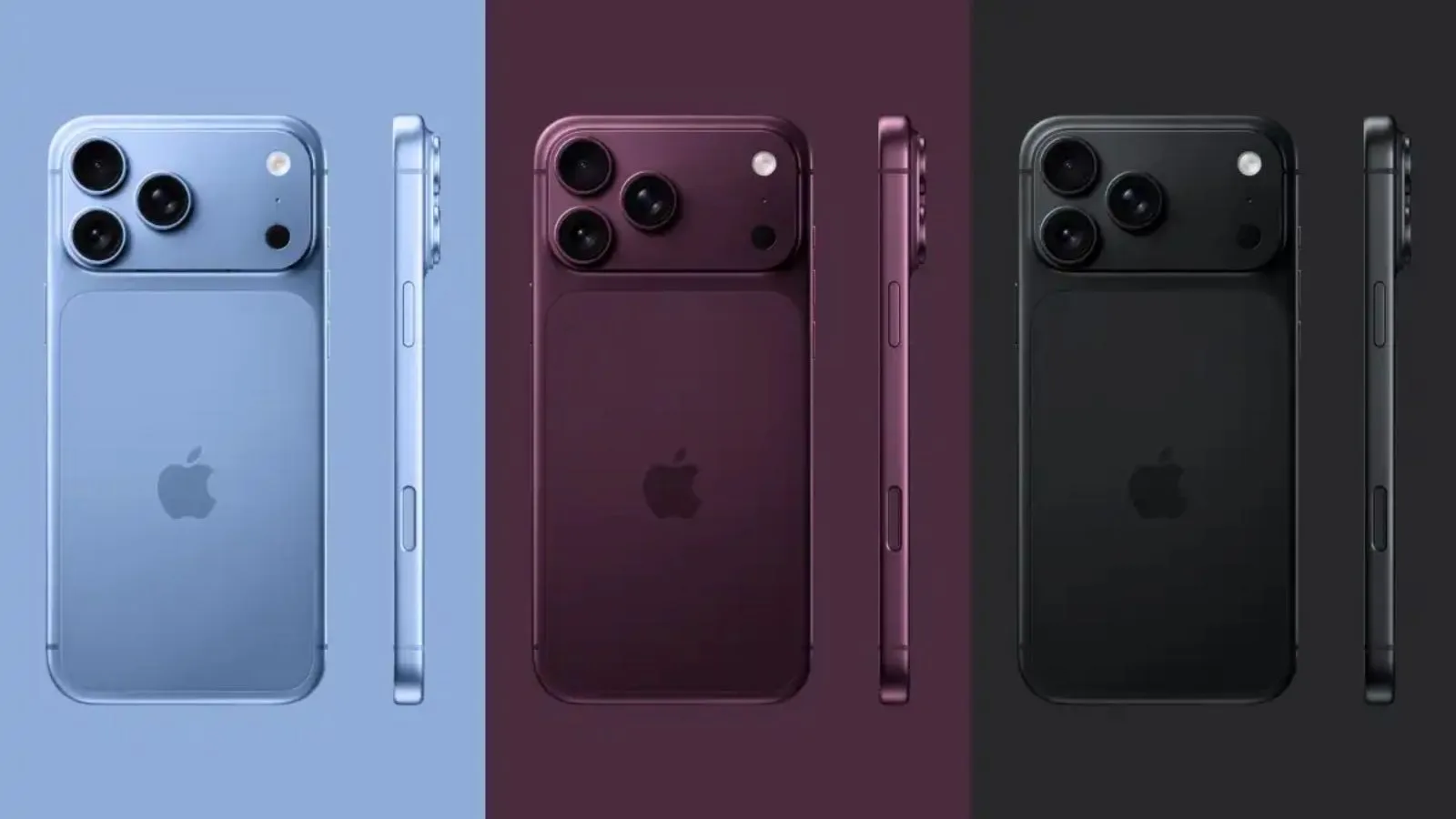
(Image source: MacWorld)
Second, this also represents a pragmatic compromise in response to skyrocketing core supply‑chain costs and constrained initial production capacity. As noted earlier, the 2 nm manufacturing process commands not only steep pricing but also requires time for initial yield improvement and production‑capacity ramp‑up. Allocating limited top‑tier chips first to the highest‑margin high‑end and top‑tier variants is the most reliable way for manufacturers to spread R&D and bill‑of‑materials costs. Several months later, as supply‑chain costs ease slightly and production lines mature, brands can launch the standard model. This allows it to avoid competing against the brand’s own premium flagships while precisely targeting the year‑end or early‑year upgrade season for a second wave of market penetration into lower‑tier segments.
In short, this strategy of staggered flagship launches with premium models taking priority will likely become the new normal for the smartphone industry.
Manufacturers are reshaping consumer purchasing habits through more granular product segmentation and launch cadences. Against the backdrop of rising core component prices, consumers wanting to experience generational upgrades at launch must raise their budgets and pay for a full top‑spec package. For cost‑conscious and practical‑minded users facing this new industry playbook, being patient and waiting for price drops may well be the wisest choice available today.
To win its turnaround battle, Xiaomi’s smartphone business needs to roll out more bold initiatives
Looking back at the first half of this year, Xiaomi has made relatively few major moves in the smartphone market and barely launched any high‑profile flagship devices. Meanwhile, Xiaomi’s performance in the domestic market was fairly muted in Q1 and Q2. According to IDC figures, Xiaomi recorded shipment declines in both quarters. Since the start of the year, memory prices have spiralled out of control, accounting for an ever‑growing share of smartphone hardware costs. Mid‑to‑low‑end models are comparatively more vulnerable to memory price hikes, which prompted Xiaomi to strategically cede part of the market.
Sales of Xiaomi’s flagships held up reasonably well. For instance, the Xiaomi 17‑series hit 1.57 million activations in Q1. In other words, amid the new landscape created by surging memory prices, Xiaomi has opted to prioritise solid fundamentals over superficial market share.
The Xiaomi 18‑series is likely Xiaomi’s most vital flagship lineup this year and a key contender for its high‑end push over the next twelve months. The product’s success or failure carries huge stakes for Xiaomi. At the same time, the 18‑series will face formidable rivals. The Huawei Mate 90‑series is due to arrive in September, while new flagships from OPPO, vivo and Honor are also slated for autumn launches.
Although the Xiaomi 18 Pro‑series enjoys a one‑month exclusivity window for the new flagship chip, this “grace period” will be followed immediately by cut‑throat head‑to‑head competition against rivals. To fight this battle well, Xiaomi must deliver stronger product competitiveness. Based on available leaks, beyond its well‑rounded hardware specifications, the Xiaomi 18 Pro‑series will also bring fresh software‑system changes.
The HyperOS 4 Beta was released just in the past couple of days. This system introduces numerous updates, including a revamped UI and improved fluidity.
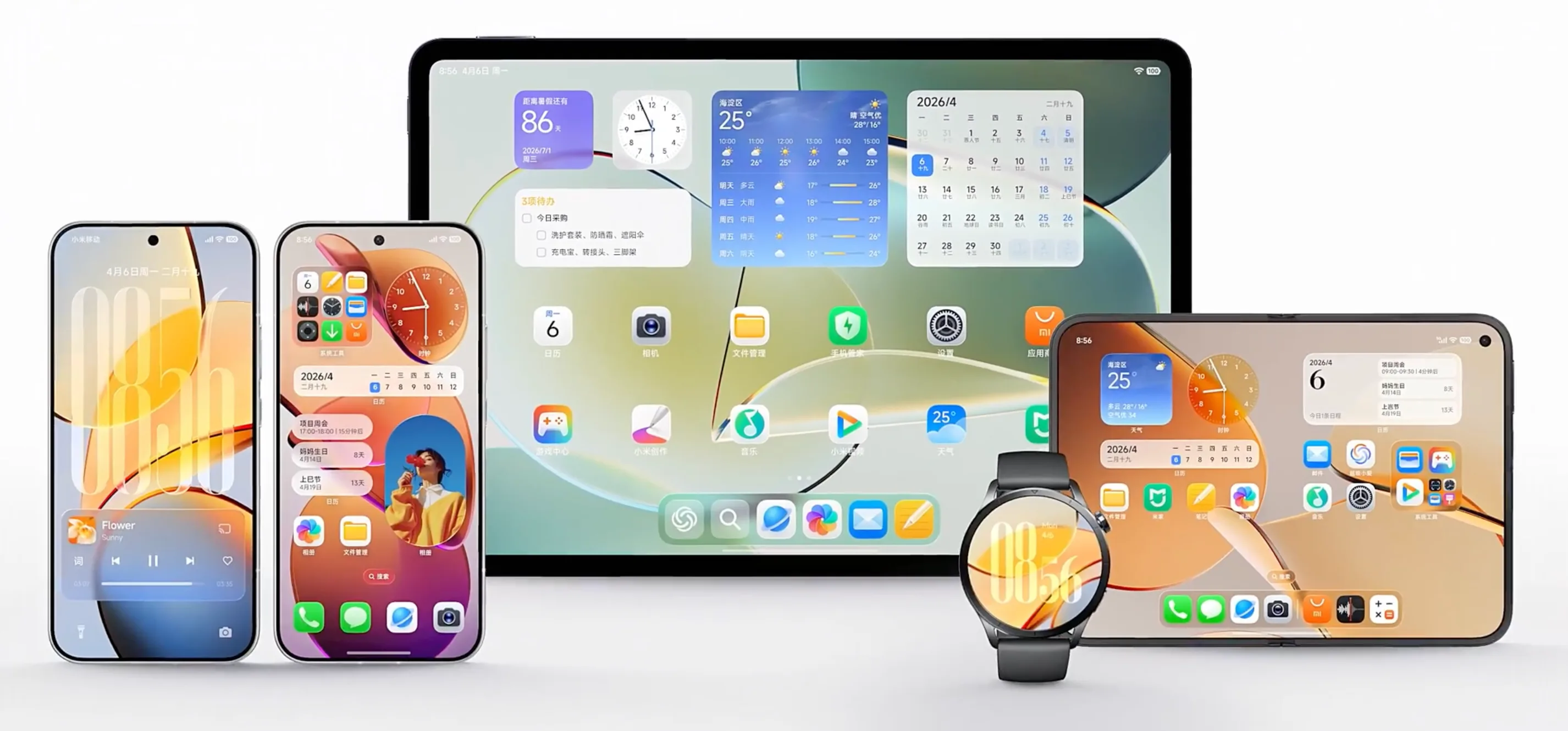
(Image source: Xiaomi)
More importantly, HyperOS 4 brings substantial enhancements to AI capabilities. Its newly‑added Expert Mode boasts powerful Agent capabilities. It can break down a user’s stated intent into multi‑step subtasks and automatically invoke various tools throughout the process, including cross‑application operations. This means Xiaomi’s smartphone AI goes far beyond basic features such as AI‑powered photo editing and AI note summarization. Instead, it is capable of handling complex tasks, covering certain productivity‑oriented scenarios.
Xiaomi has invested heavily in AI over recent years. Its large‑model service MIMO has gained notable recognition, and its paid offerings have received positive feedback from a segment of users. On the device side, Xiaomi rolled out AI features relatively early. Back in the pre‑large‑model era, Xiaomi’s “Xiao Ai” voice assistant already supported functions such as automatic call replies and quick commands.
Additionally, HyperOS 4 introduces “Xiao Ai Memory”, granting Xiaomi AI global memory capabilities. User data including conversations and photos can be synced across the Xiaomi ecosystem, enabling retrieval and usage on other endpoints such as PCs and tablets. In this light, beyond its long‑standing strengths in hardware specification and tuning, the Xiaomi 18 Pro‑series also features carefully‑orchestrated AI capabilities as one of its core selling points.
All in all, against the backdrop of rising component prices, the Xiaomi 18‑series is clearly centering its breakthrough strategy on hardware‑software integration. While the performance edge from being the first to launch Qualcomm’s new flagship chip may well drive strong opening‑week sales, retaining users after the brief exclusivity window hinges on how well HyperOS 4’s AI features work in practice and whether they solve real‑world problems.
New devices from competing brands will flood the market in the second half of the year. For Xiaomi to consolidate its foothold in the high‑end segment — and even persuade consumers to pay a premium for the top‑tier variant — the old approach of simply stacking hardware specifications is no longer viable. Whether the Xiaomi 18 Pro‑series can deliver satisfying results and stage a successful turnaround with its new hardware and AI‑augmented system remains to be seen at the late‑September launch event and subsequent real‑world device testing.
The World Robot Conference (WRC) 2026—the most important industry barometer for robotics—is arriving with great fanfare, followed closely by the World Humanoid Robot Games.
Over 300 leading exhibitors—including Unitree, Zhiyuan Robotics, Qiyuan Robotics, Magic Atom, Galaxy General Robotics, Cloud Deep Robotics, and Lingxin Qiaoshou—will jointly define the future of the global robotics industry!
WRC will address all core questions about robotics.
The LeiTech WRC 2026 reporting team has arrived on-site at WRC.