
 雷科技
雷科技





These past couple of years visiting robot expos has almost given me a conditioned reflex.
Whenever a three‑layer crowd suddenly gathers in the distance, squeezing through to take a peek will most likely reveal robots boxing, dancing or doing backflips. The live shows are certainly lively, yet once the demonstrations wrap up, the same old question lingers: beyond putting on performances, when will these robots actually get down to real‑world work?
Daxiao Robot falls squarely into the category built to get work done.
On August 19, the 2026 World Robot Conference officially kicked off in Yizhuang, Beijing, under the theme “Human‑Robot Symbiosis, Integration of Production and Demand”. More than 300 domestic and overseas robotics enterprises brought over 3,000 exhibits to compete side by side. Leitech was also invited to explore the show on‑site.
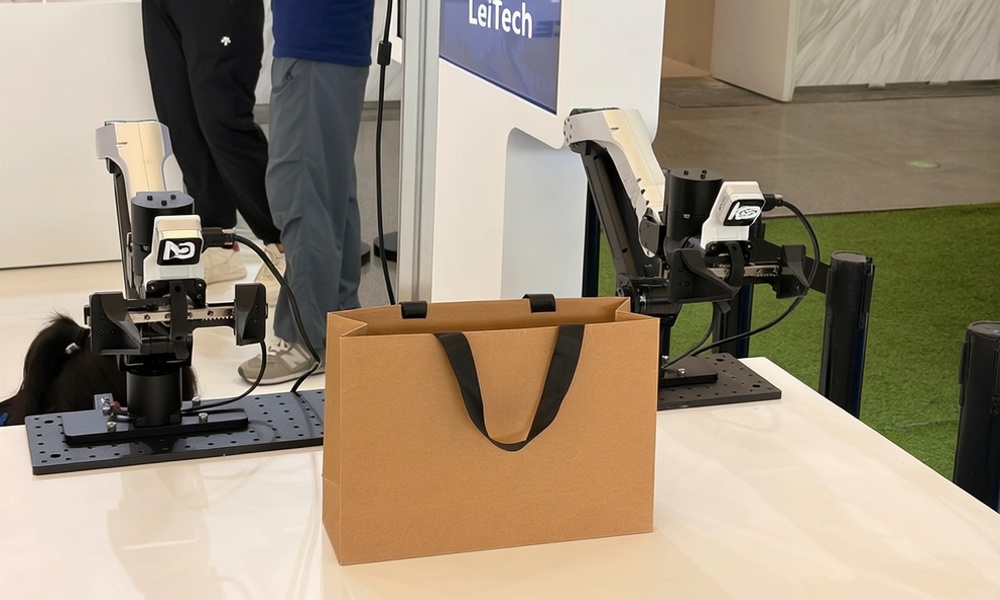
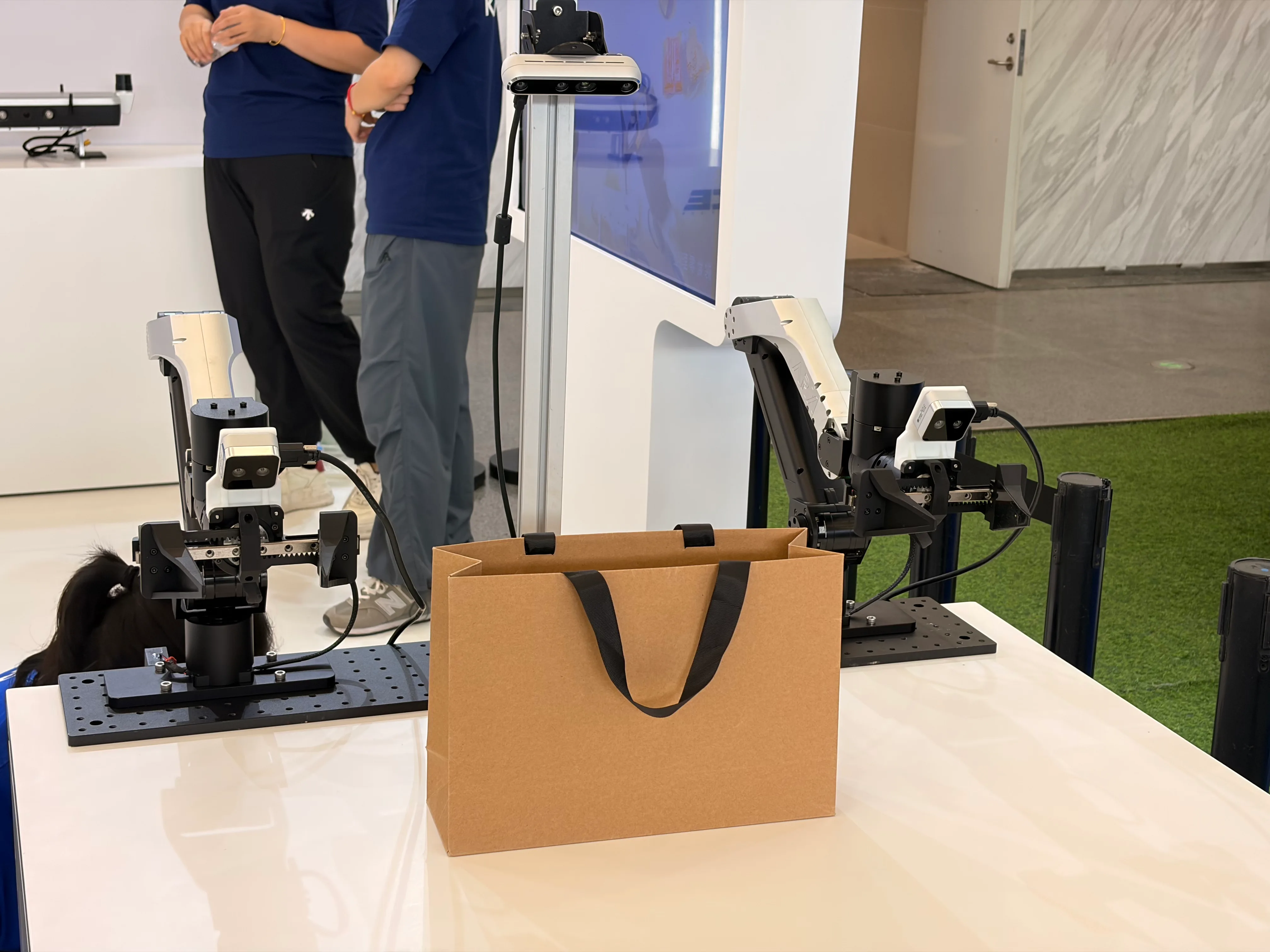
At the Daxiao booth, there were no crowd‑grabbing humanoid robots on display. Instead, visitors found its self‑developed native action‑integrated Kairos 3.1 world model, the ACE contextual data‑collection solution 2.0, live practical demonstrations of several robotic arms, alongside two commercially‑oriented solutions: Xiaoman and Xiaotu.
(Image source: LeiTech)
At the WAIC exhibition one month ago, Daxiao Robot unveiled Kairos 3.1 and open‑sourced it for various industries.
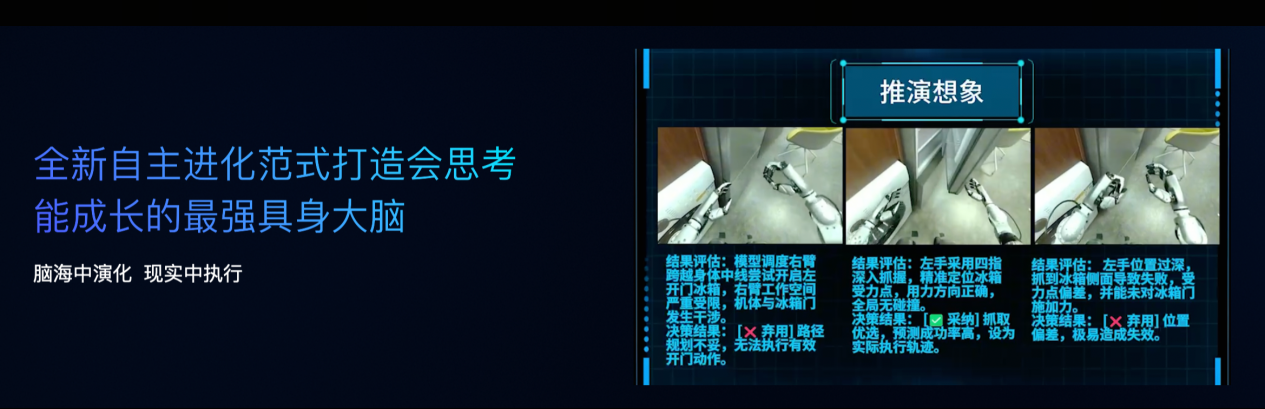
As we previously covered, Kairos 3.1 is essentially a world model designed to equip robots with an understanding of physical laws. It enables robots to perceive their surroundings, simulate multiple approaches, and then decide how to act. When failures occur, the robot can reassess root causes and adjust its plans autonomously.
This approach can effectively cut down robots’ trial‑and‑error attempts, boost operational success rates, and lower requirements for collecting diverse experimental datasets.
(Image source: LeiTech)
At the WRC venue, this seemingly abstract world model was finally demonstrated in an easy‑to‑understand manner.
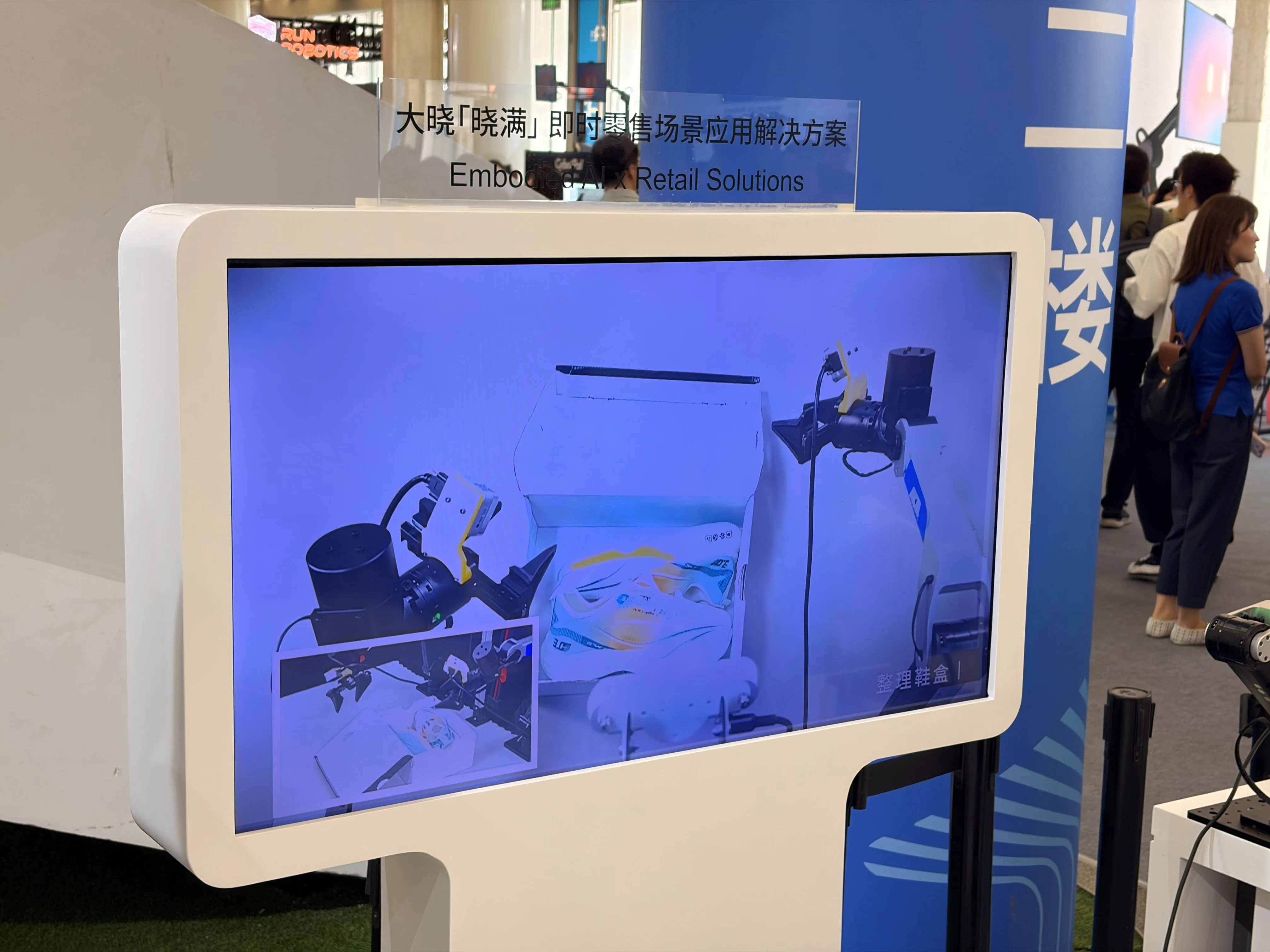
Among its offerings, Xiaoman targets the instant‑retail scenario. Tailored for real‑world challenges such as numerous SKUs, narrow warehouse aisles and order surges, this solution works with the W1 fulfillment robot to pick goods in aisles as narrow as 75 centimeters. It integrates robot control, the world model and order‑warehouse systems, supporting deployment within days.
(Image source: LeiTech)
According to official information, Xiaoman has been deployed in real‑world sites including Shaomaigou, KuaiKeda and PetroChina convenience stores, where it is operating on a regular basis.
Admittedly, this line of thinking makes solid sense.
As I noted in earlier articles, real‑world homes are never as perpetually tidy as laboratory environments. By contrast, dark stores are a different case. Such warehouses and convenience stores generally maintain relatively neat and orderly layouts. Provided the robot can reliably perform tasks such as recognition, grasping and sorting, it can substantially cut down the heavy repetitive workload for human staff.
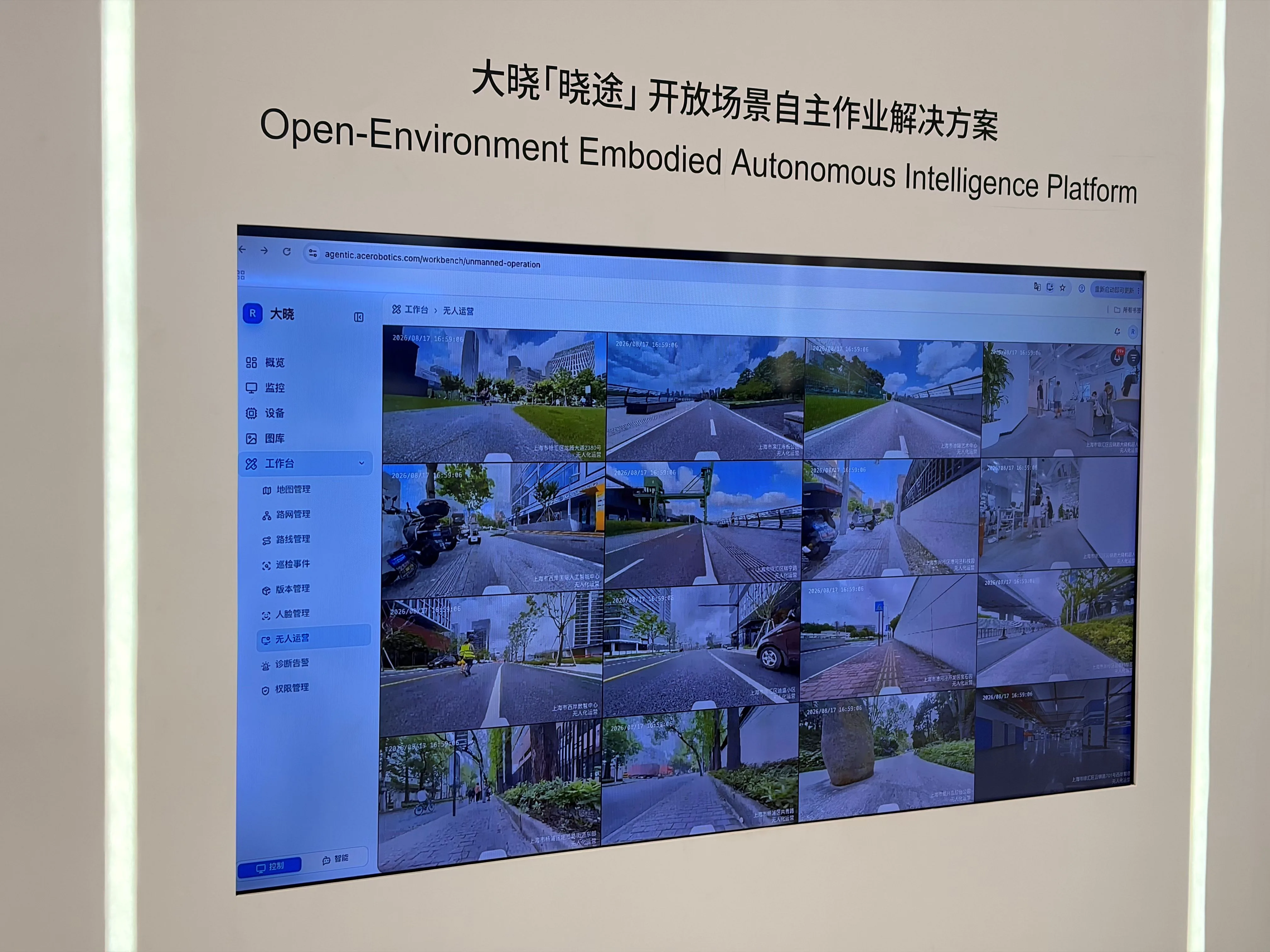
Its counterpart, Xiaotu, is mainly built for outdoor inspection scenarios. The large on‑site screen displayed more than a dozen first‑person outdoor video feeds. The backend allows centralized monitoring of devices, maps, routes and inspection assignments. It has already been put into service at locations including Caohejing and Binjiang in Shanghai.
(Image source: LeiTech)
Looking further aside lies the less eye‑catching ACE Contextual Data‑Collection Solution 2.0.
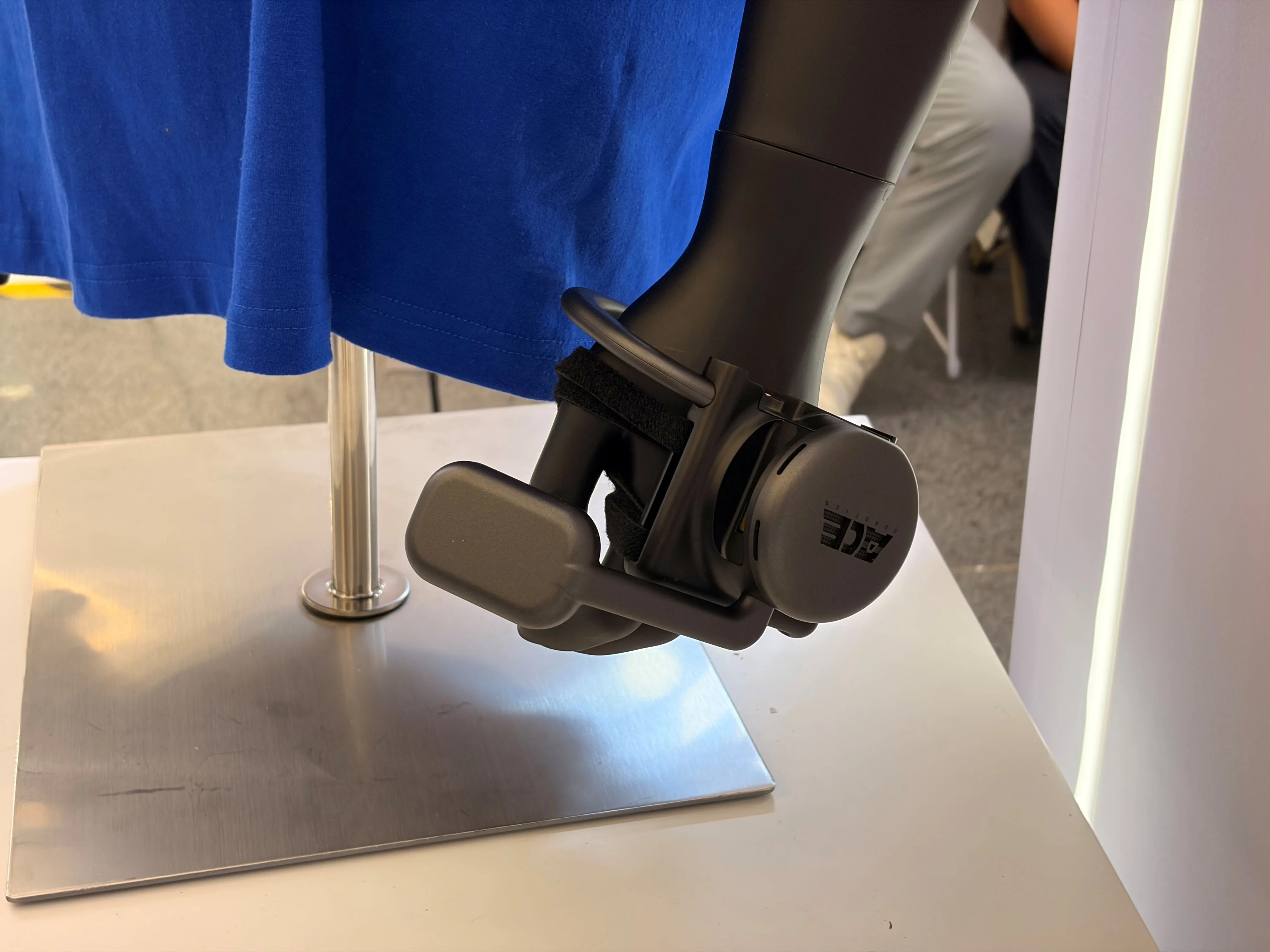
This Sense Glove records both human hand movements and haptic force information. According to official specifications, its haptic sensitivity reaches 0.01N. Daxiao intends for robots to learn from data captured by this device: identifying what they have touched, figuring out how much force to apply, and then determining how to execute movements.
(Image source: LeiTech)
Seeing these products showcased by Daxiao at the event, I can broadly make sense of its current roadmap: collect data from the real world first, let the Kairos world model learn and conduct simulations, and finally deploy these capabilities into practical tasks such as retail and inspection.
It can be said that beyond technology itself, real‑world deployment is what truly matters.
Today’s robotics industry is flooded with impressive demos. What is genuinely lacking are products that can keep working reliably every day and deliver tangible value long after the trade‑show curtains fall.
By presenting its world model, data infrastructure and industry‑specific solutions as an integrated whole, Daxiao at least sends a clear signal: world models are by no means mere laboratory toys. Whichever player can turn virtual simulations into mass‑produced, deliverable real‑world systems will be the first to reap the dividends of this trend.
The most important barometer of the robotics industry—the World Robot Conference (WRC) 2026—is here, followed closely by the World Humanoid Robot Games.
Over 300 top-tier exhibitors—including Unitree, Zhiyuan, Qiyuan, Magic Atom, Galaxy General Robotics, CloudDeep, and Lingxin Qiaoshou—are jointly defining the future of global robotics!
WRC will answer all core questions about robotics.
The LeiTech WRC 2026 Reporting Team has arrived on-site.